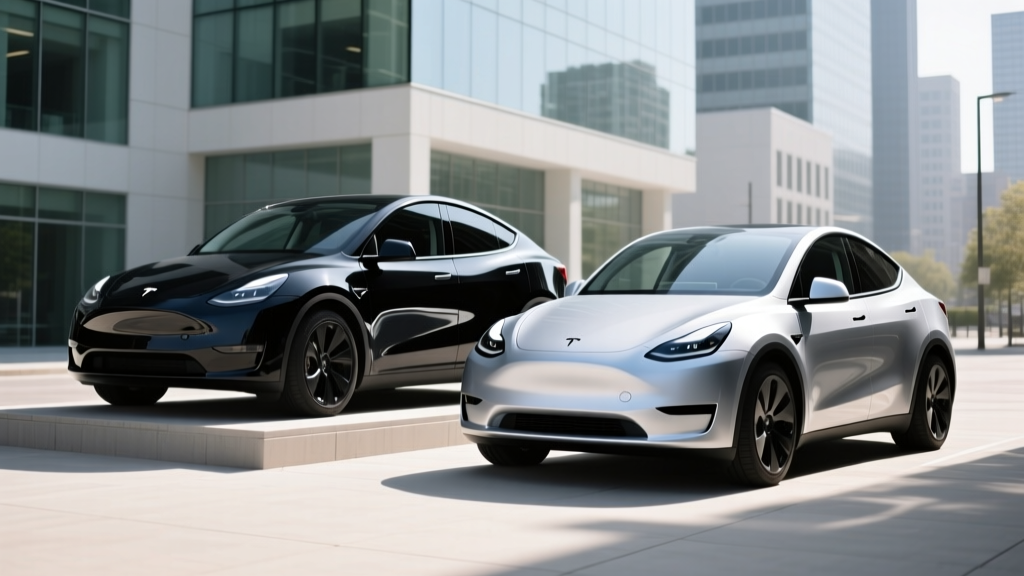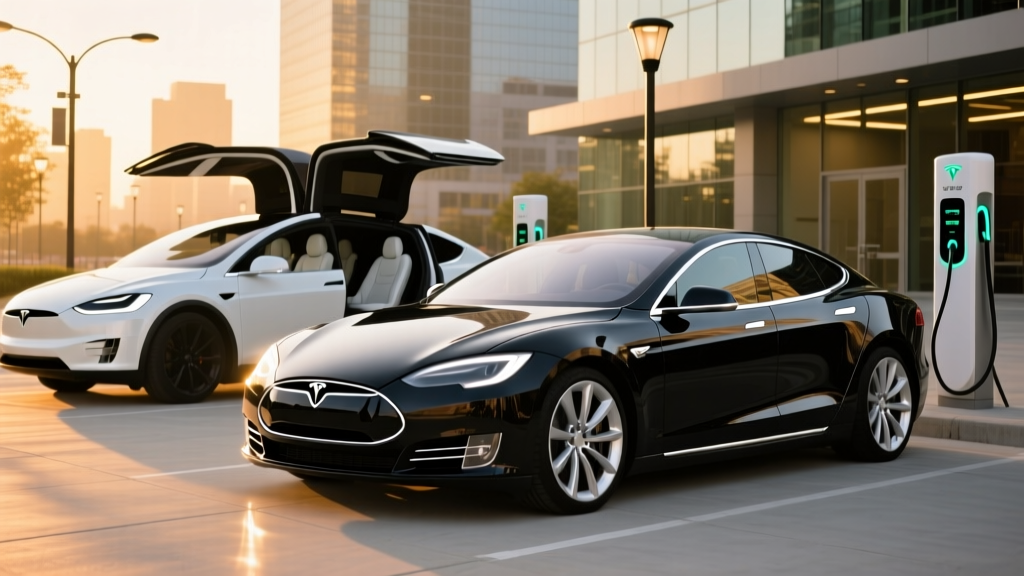
Tesla's flagship sedan and SUV have defined the premium electric vehicle segment for over a decade. But as of mid-2025, Elon Musk confirmed that the Model S and Model X are approaching retirement, with production expected to wind down at the Fremont factory to make room for next-generation platforms, including Tesla's Optimus humanoid robot manufacturing line. For buyers eyeing a final-year Model S or Model X, this guide covers everything you need to know about 2026 specs, real-world range, charging performance, and whether these legacy flagships still hold up against newer rivals.
2026 Tesla Model S: Final-Year Specifications
| Spec | Model S Long Range | Model S Plaid |
|---|---|---|
| EPA Range | 402 mi | 359 mi |
| Battery (usable) | ~95 kWh (NMC) | ~95 kWh (NMC) |
| Drivetrain | Dual-Motor AWD | Tri-Motor AWD |
| Horsepower | 670 hp | 1,020 hp |
| 0–60 mph | 3.1 sec | 1.99 sec |
| Top Speed | 155 mph | 200 mph |
| Max DC Fast Charge | 250 kW | 250 kW |
| 10–80% DC Charge | ~30 min | ~30 min |
| Level 2 Home Charge | 11.5 kW (~44 mi/hr) | 11.5 kW (~44 mi/hr) |
| MPGe (combined) | 120 MPGe | 116 MPGe |
| kWh/100 mi | 28 kWh | 29 kWh |
| Cargo (rear + frunk) | 28.0 + 3.1 cu ft | 28.0 + 3.1 cu ft |
| Rear Legroom | 35.4 in | 35.4 in |
| Base MSRP | $74,990 | $89,990 |
| Battery Warranty | 8 yr / 150,000 mi | 8 yr / 150,000 mi |
The Model S Long Range remains one of the longest-range EVs on the market. Its 95 kWh NMC (nickel manganese cobalt) battery pack prioritizes energy density over the LFP chemistry found in the Model 3 Standard Range. NMC offers superior range-per-kilogram but degrades slightly faster if routinely charged to 100%—Tesla recommends daily charging to 80–90% for longevity.
2026 Tesla Model X: Final-Year Specifications
| Spec | Model X Long Range | Model X Plaid |
|---|---|---|
| EPA Range | 348 mi | 326 mi |
| Battery (usable) | ~95 kWh (NMC) | ~95 kWh (NMC) |
| Drivetrain | Dual-Motor AWD | Tri-Motor AWD |
| Horsepower | 670 hp | 1,020 hp |
| 0–60 mph | 3.8 sec | 2.5 sec |
| Towing Capacity | 5,000 lbs | 5,000 lbs |
| Max DC Fast Charge | 250 kW | 250 kW |
| 10–80% DC Charge | ~31 min | ~31 min |
| Level 2 Home Charge | 11.5 kW (~36 mi/hr) | 11.5 kW (~36 mi/hr) |
| MPGe (combined) | 104 MPGe | 101 MPGe |
| Cargo (behind 3rd row / max) | 15.0 / 82.0 cu ft | 15.0 / 82.0 cu ft |
| Seating | 5, 6, or 7 passengers | 5, 6, or 7 passengers |
| Base MSRP | $79,990 | $94,990 |
| Battery Warranty | 8 yr / 150,000 mi | 8 yr / 150,000 mi |
The Model X's falcon-wing rear doors remain a conversation piece and a genuine practicality advantage in tight parking spaces—the articulated hinges allow the doors to open with just 12 inches of side clearance. However, the complex hydraulic mechanisms have historically been a maintenance concern, and replacement costs outside warranty are significant.
Charging Performance: DC Fast Charging and Home Setup
| Charging Method | Power | Model S Miles/Hr | Model X Miles/Hr |
|---|---|---|---|
| Level 1 (120V outlet) | 1.4 kW | ~4 mi/hr | ~3 mi/hr |
| Level 2 (240V, 48A Wall Connector) | 11.5 kW | ~44 mi/hr | ~36 mi/hr |
| DC Fast Charge (V3 Supercharger) | 250 kW peak | ~200 mi in 15 min | ~175 mi in 15 min |
Charging curve reality check: Both models peak at 250 kW on V3 Superchargers, but this rate is only sustained between roughly 10–30% state of charge. The curve tapers significantly above 50%, dropping to ~100 kW by 70% and ~45 kW by 85%. A 10–80% session takes approximately 30 minutes, but an 80–100% top-off can add another 25 minutes. For road trips, plan stops around the 10–80% window for optimal efficiency.
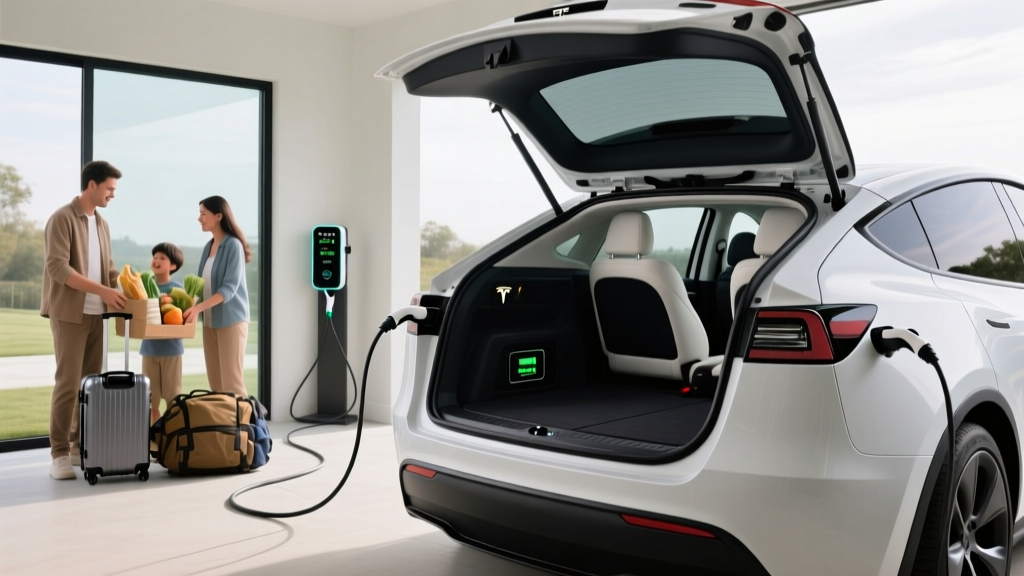
At home, the Tesla Wall Connector on a 60-amp circuit delivers 11.5 kW—enough to fully recharge a Model S overnight in roughly 8–9 hours. Installation typically costs $500–$1,500 depending on panel proximity, but a full 200-amp panel upgrade can push costs to $2,500–$4,000 if your home has older 100-amp service.
Tax Credit Eligibility and Final Pricing
| Trim | Base MSRP | As-Tested (Typical Options) | Federal §30D Credit | Effective Price |
|---|---|---|---|---|
| Model S Long Range | $74,990 | $82,000 | $0 (exceeds sedan MSRP cap) | $82,000 |
| Model S Plaid | $89,990 | $96,000 | $0 | $96,000 |
| Model X Long Range | $79,990 | $88,000 | $0 (exceeds SUV MSRP cap) | $88,000 |
| Model X Plaid | $94,990 | $102,000 | $0 | $102,000 |
Critical tax credit note: Under IRS §30D rules, the federal EV tax credit is capped at $55,000 MSRP for sedans and $80,000 MSRP for SUVs/vans/pickups. The Model S exceeds the sedan cap on every trim. The Model X Long Range barely exceeds the SUV cap at $79,990 (with any options pushing it over), and the Plaid is well above. Additionally, buyer income caps apply ($150K single / $300K joint AGI), and battery critical-mineral sourcing requirements must be met. According to IRS.gov, none of the current Model S or Model X configurations qualify for the new-vehicle §30D credit.
Consult a tax professional for your specific situation. Some states offer separate rebates that may still apply—check your local DMV or energy office for details.
Technology, Driver Assistance, and Interior
The 2026 Model S and Model X retain Tesla's minimalist interior centered around a 17-inch touchscreen with a secondary 8-inch rear display. The yoke steering wheel remains standard (with a round wheel available as a no-cost option). Both models include:
- Autopilot (standard): Lane centering, adaptive cruise control, auto lane change—SAE Level 2 driver assistance requiring continuous driver supervision
- Full Self-Driving (Supervised) — $8,000 option: Adds Navigate on Autopilot, traffic light/stop sign recognition, and Autopark. Still SAE Level 2—the driver must remain fully attentive
- Infotainment: Netflix, YouTube, Tesla Arcade, Spotify, and a 22-speaker 960-watt audio system
- HEPA air filtration: Bioweapon Defense Mode with hospital-grade cabin filtration (Model X and Model S)
- Over-the-air updates: Continuous feature additions and performance refinements
Model S vs. Model X vs. Key Competitors
With the Model S and Model X retirement on the horizon, buyers are weighing final-year purchases against newer alternatives. Here's how they stack up:
| Attribute | Model S LR | Lucid Air Pure | Model X LR | BMW iX xDrive50 |
|---|---|---|---|---|
| EPA Range | 402 mi | 419 mi | 348 mi | 324 mi |
| Base MSRP | $74,990 | $69,900 | $79,990 | $87,250 |
| 0–60 mph | 3.1 sec | 5.2 sec | 3.8 sec | 4.4 sec |
| Max DC Charge | 250 kW | 200 kW | 250 kW | 150 kW |
| Supercharger Access | Native | NACS adapter needed | Native | NACS adapter needed |
| Federal Tax Credit | $0 | $0 | $0 | $0 |
| Service Network | Extensive | Limited | Extensive | Dealer-based |
The Lucid Air Pure undercuts the Model S on price and exceeds it on EPA range, but Tesla's Supercharger network advantage and established service infrastructure remain compelling. The BMW iX offers a more luxurious interior and traditional dealer support but trails on range and charging speed. For the three-row electric SUV segment, the Model X competes with the Rivian R1S (352 mi, $75,900) and the Kia EV9 (304 mi, $54,900), though neither matches the Model X's falcon-wing practicality or 5,000-lb towing capacity.
Pros and Cons
- Best-in-class EPA range (Model S at 402 mi)
- Access to 20,000+ Tesla Superchargers natively
- Tri-motor Plaid performance is unmatched (1.99s 0–60)
- Proven powertrain with 8-yr/150,000-mi battery warranty
- OTA updates continue to add features post-purchase
- Model X falcon-wing doors ease child-seat installation
- No federal tax credit eligibility (MSRP cap)
- Aging platform (2012 architecture, refreshed 2021)
- Panel gaps and interior quality lag German rivals
- Falcon-wing doors expensive to repair out of warranty
- Depreciation risk as platform is discontinued
- No Apple CarPlay or Android Auto
Who Should Buy the Final-Year Model S or Model X?
The Model S is ideal for: High-mileage commuters who need maximum range, driving enthusiasts who value sub-3-second acceleration, and Tesla ecosystem loyalists who rely on the Supercharger network for frequent road trips. The 402-mile EPA range makes it viable for 300-mile single-charge legs with a comfort buffer.
The Model X is ideal for: Families needing three-row seating with easy rear access (falcon wings), buyers who need 5,000-lb towing for boats or campers, and those who want SUV practicality without sacrificing 3.8-second 0–60 performance.
Consider alternatives if: You want the latest interior luxury (BMW iX, Mercedes EQS), you need federal tax credit eligibility (look at models under the MSRP caps), or you're concerned about long-term parts availability for a discontinued platform.
Frequently Asked Questions
What is the real-world range of the 2026 Model S?
The EPA rates the Model S Long Range at 402 miles. In mixed real-world driving, owners typically see 340–380 miles. Highway driving at 75+ mph drops this to roughly 320–350 miles, and cold weather (below freezing) can reduce range to 280–310 miles due to battery resistance and cabin heating.
How fast does the Model S charge on DC fast chargers and at home?
On a Tesla V3 Supercharger, the Model S peaks at 250 kW and charges from 10–80% in about 30 minutes. At home on a Level 2 Tesla Wall Connector (11.5 kW / 48 amps), you gain approximately 44 miles of range per hour, fully recharging overnight in 8–9 hours.
Does the Model S or Model X qualify for the $7,500 federal EV tax credit?
No. Under current IRS §30D rules, the Model S exceeds the $55,000 sedan MSRP cap, and the Model X exceeds the $80,000 SUV cap (especially with options). Neither qualifies for the new clean vehicle credit regardless of buyer income. See IRS.gov for full eligibility details.
Is it worth buying a Model S or Model X before they're discontinued?
If you value the Supercharger network, proven range, and performance, a final-year purchase can be worthwhile—especially if Tesla offers end-of-production incentives. However, consider that discontinued models typically face steeper depreciation and potential long-term parts scarcity. The Lucid Air and Rivian R1S are strong alternatives worth cross-shopping.
What's the battery warranty on the Model S and Model X?
Tesla covers the battery and drive unit for 8 years or 150,000 miles, whichever comes first, with a minimum 70% capacity retention guarantee. According to fueleconomy.gov, modern NMC batteries typically retain 85–90% capacity after 100,000 miles with proper charging habits (avoiding frequent 100% charges and deep discharges).
How does the Model X compare to the Rivian R1S for families?
The Model X offers falcon-wing doors for easier rear access, more EPA range (348 vs. 352 mi for the R1S Dual-Motor), and native Supercharger access. The Rivian R1S offers a more modern interior, better off-road capability, a lower starting price ($75,900), and a more conventional SUV design. Both seat up to seven passengers.
Data sourced from Tesla.com official specifications, fueleconomy.gov, and IRS.gov. Specifications and pricing reflect the 2026 model year and are subject to change. Always verify current eligibility with a tax professional before purchasing.