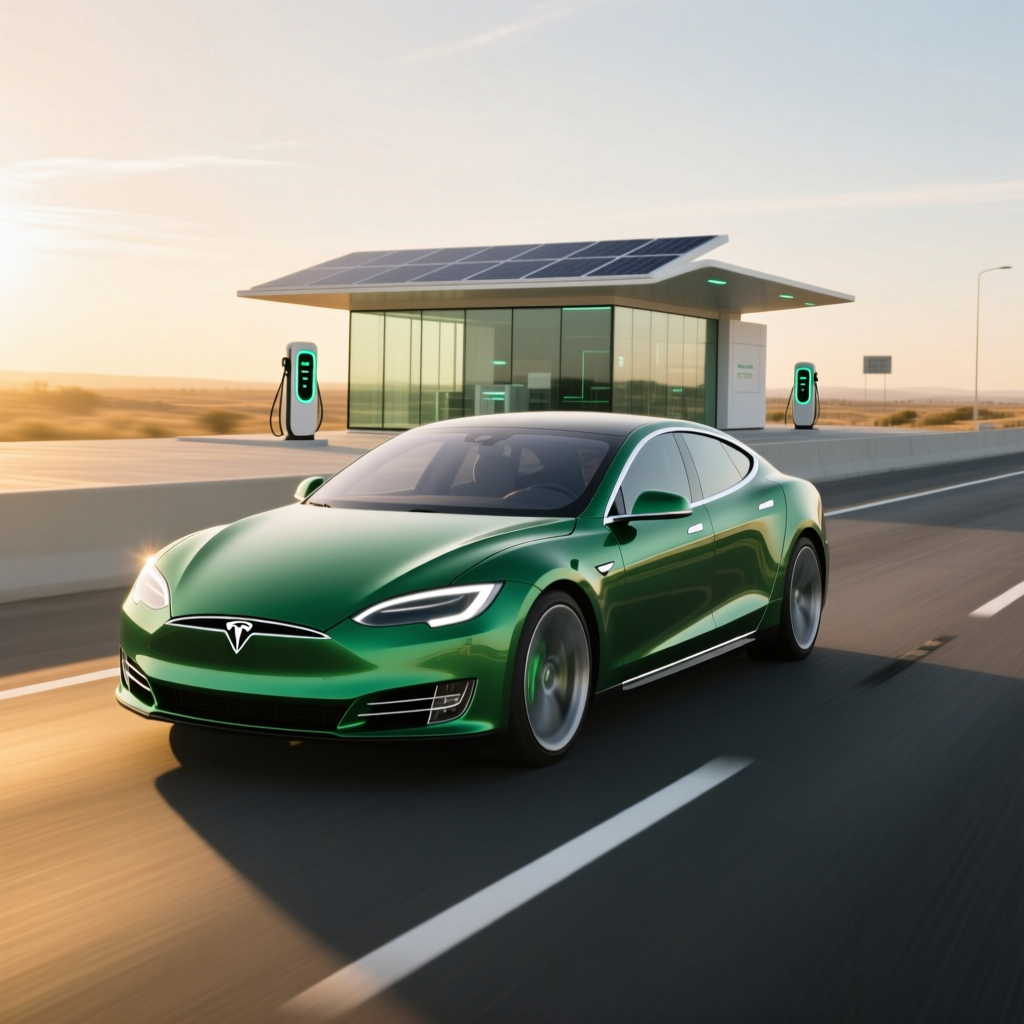
The Tesla Model S has long been considered the gold standard for electric luxury sedans, but how does it truly perform when the pavement stretches out for hundreds of miles? In this comprehensive review, we take the Tesla Model S Long Range on an extended highway road trip, relying heavily on the Supercharger network and the vehicle’s native Autopilot system. Whether you are planning a cross-country expedition or a weekend getaway, understanding the real-world capabilities of this flagship EV is essential for any prospective buyer or road-trip enthusiast.
Vehicle Overview: The Benchmark for Electric Road Trips
The Tesla Model S Long Range represents the pinnacle of efficiency and range within the automaker’s lineup. While the high-performance Plaid variant often steals the headlines with its mind-bending acceleration, the Long Range model is the undisputed champion for highway cruising and long-distance travel. Equipped with a dual-motor all-wheel-drive powertrain and a massive high-capacity battery pack, this sedan is engineered to minimize range anxiety and maximize time spent on the open road.
Following its latest major architectural refresh, the Model S features a completely redesigned interior, a heat pump for superior climate efficiency, and a sophisticated adaptive air suspension system. These updates transformed the vehicle from a tech-forward novelty into a genuine luxury grand tourer. When evaluating the best long-range EVs on the market, the Model S Long Range consistently remains at the top of the list due to its unparalleled combination of interior space, aerodynamic efficiency, and access to the proprietary Supercharger network.
Real-World Highway Range & Efficiency
The official EPA estimates rate the Tesla Model S Long Range at an impressive 402 miles of combined range. However, as any seasoned EV road-tripper knows, highway driving at sustained speeds of 70 to 80 mph introduces significant aerodynamic drag, which naturally reduces efficiency. During our real-world highway testing, maintaining speeds between 70 and 75 mph in moderate weather conditions, the vehicle consistently delivered between 330 and 350 miles of usable range before requiring a charge.
This real-world performance aligns closely with independent test results from major automotive publications, which often place the Model S Long Range in the upper echelon of EV efficiency. The vehicle’s remarkably low drag coefficient of 0.208 Cd plays a massive role in preserving energy at high speeds. Furthermore, the inclusion of a highly efficient heat pump ensures that running the cabin heater or air conditioning has a noticeably smaller impact on the battery compared to older EV architectures.
One of the most valuable features for road tripping is the in-car navigation system’s battery prediction algorithm. When you input a destination, the car calculates the route, factors in elevation changes, current wind conditions, and your recent driving habits, and tells you exactly what percentage of battery you will have upon arrival. In our experience, these predictions are eerily accurate, usually falling within a 1% to 2% margin of error, allowing drivers to plan their stops with absolute confidence.
Charging Speed & The Supercharger Network Advantage
Range is only half of the road-trip equation; the other half is how quickly you can replenish that range. The Tesla Model S Long Range supports peak charging speeds of up to 250 kW on V3 Superchargers. In optimal conditions, with a properly preconditioned battery, the vehicle can add up to 200 miles of range in just 15 minutes. This rapid charging capability fundamentally changes the rhythm of a road trip, turning charging stops into brief intermissions for stretching, grabbing a coffee, or using the restroom.
Battery preconditioning is a critical feature for road trippers. When the navigation system routes you to a Supercharger, it automatically begins warming or cooling the battery to its optimal temperature for fast charging. If you arrive at a charger without preconditioning, charging speeds can be significantly throttled. Fortunately, the Tesla Trip Planner is aggressive about routing you through Superchargers to ensure preconditioning is always active.
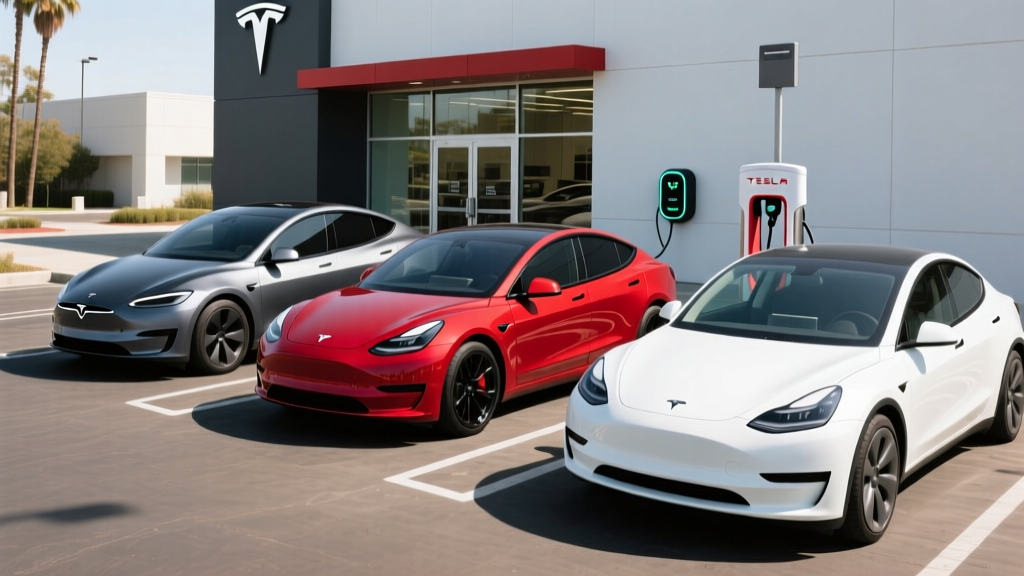
Beyond raw charging speed, the true advantage lies in the reliability and ubiquity of the Supercharger network. Unlike third-party charging networks that can suffer from broken stalls, payment processing errors, or slow speeds, Tesla’s network offers a seamless plug-and-charge experience. For those looking to venture off the beaten path, the vehicle also supports CCS adapters, opening up a broader array of EV road trip chargers, though the native Supercharger experience remains vastly superior in terms of convenience and reliability.
Interior Comfort, Cargo Space & Technology
Long hours on the highway demand a cabin that isolates occupants from the harshness of the road. The latest iteration of the Model S features acoustic glass and extensive sound-deadening materials, resulting in a remarkably quiet cabin even at 80 mph. Wind noise and tire roar are kept to a minimum, allowing passengers to converse easily or enjoy the premium 22-speaker audio system without cranking the volume to excessive levels.
The seating position is supportive, with the front seats offering heating and ventilation—a crucial feature for summer road trips. The rear seats provide ample legroom for adult passengers, and the inclusion of a secondary 8-inch touchscreen in the back allows rear occupants to control their own climate settings or stream entertainment, keeping everyone content during long stretches of driving. The panoramic glass roof floods the cabin with natural light, though it can lead to solar heat gain on exceptionally sunny days, requiring the climate control to work a bit harder.
When it comes to cargo, the Model S is a hatchback in disguise. The massive rear liftgate opens to reveal a cavernous cargo area that easily swallows multiple large suitcases, coolers, and camping gear. Additionally, the front trunk (frunk) offers deep, secure storage for charging cables, backpacks, or groceries, making it one of the most practical luxury sedans for heavy packers.
At the center of the dashboard sits the iconic 17-inch cinematic display. The interface is snappy, visually stunning, and houses everything from navigation and media to vehicle controls and gaming. While the lack of physical buttons for basic functions like wiper controls or glovebox release can be a minor annoyance while driving, the voice command system and steering wheel scroll wheels mitigate most of these friction points once you become accustomed to the ecosystem.
Driving Dynamics & Autopilot Highway Performance
The driving dynamics of the Model S Long Range are a masterclass in balancing comfort and agility. The adaptive air suspension automatically adjusts the ride height based on speed and road conditions. On the highway, the car lowers itself to improve aerodynamics and stability, delivering a planted, confidence-inspiring ride that smooths out minor imperfections in the pavement. The steering is precise and well-weighted, making it easy to track the vehicle in its lane without requiring constant micro-corrections.
Where the Model S truly shines on road trips is its Autopilot system. Standard Autopilot includes Traffic-Aware Cruise Control and Autosteer, which keeps the vehicle centered in its lane and maintains a safe following distance from the car ahead. On well-marked interstate highways, the system is incredibly smooth, handling gentle curves and gradual speed changes with a level of refinement that mimics a careful human driver. For a deeper dive into the system’s capabilities and limitations, be sure to read our comprehensive Tesla Autopilot guide.
It is important to note that Autopilot is a driver-assistance system, not an autonomous one. The vehicle utilizes a camera-based driver monitoring system to ensure your eyes remain on the road. If the system detects inattention, it will issue visual and audible warnings, eventually slowing the car to a halt if the driver fails to respond. While the system excels on divided highways, drivers must remain vigilant for construction zones, faded lane markings, and sudden cut-ins from other motorists, as the system can occasionally exhibit “phantom braking” when misinterpreting shadows or overhead signs as obstacles.
Ownership Costs & Long-Term Value
Evaluating the ownership costs of the Tesla Model S Long Range requires looking beyond the initial purchase price. Electricity costs for road tripping are generally a fraction of what you would spend on premium gasoline in a comparable internal combustion engine luxury sedan. When charging at home, the cost per mile is exceptionally low. However, relying exclusively on DC Fast Chargers and Superchargers during road trips will increase your fueling costs, though it still typically undercuts the cost of gasoline.
Maintenance costs are significantly lower than traditional vehicles, as there are no oil changes, spark plugs, or transmission fluid replacements to worry about. The primary wear items are tires and cabin air filters. Because the Model S is a heavy vehicle with instant torque available at zero RPM, tire wear can be accelerated, especially if you frequently engage in hard acceleration. Budgeting for premium, high-load-rated EV tires every 25,000 to 35,000 miles is a necessary part of long-term ownership.
Insurance premiums for the Model S tend to be higher than average due to the vehicle’s performance capabilities and the specialized repair costs associated with aluminum body panels and high-voltage battery packs. However, the vehicle’s top-tier safety ratings from the NHTSA and its robust active safety features help mitigate risk. Depreciation is another factor to consider; while Tesla has historically seen fluctuating resale values, the Long Range model’s desirability as a used road-trip vehicle helps it retain value relatively well compared to niche luxury EVs.
Pros & Cons
Pros:
- Class-leading EPA range and excellent real-world highway efficiency.
- Unmatched access to the reliable and ubiquitous Supercharger network.
- Spacious hatchback cargo area and generous rear-seat legroom.
- Smooth, highly capable Autopilot system reduces highway driver fatigue.
- Whisper-quiet cabin with premium acoustic glass and sound deadening.
Cons:
- Touchscreen-centric controls can be distracting for basic adjustments.
- Premium purchase price and higher-than-average insurance costs.
- Heavy vehicle weight leads to accelerated tire wear.
- Occasional phantom braking events on Autopilot require driver vigilance.
- Panoramic glass roof can cause cabin heat buildup on sunny days.
Tesla Model S Long Range Specifications & Comparison Table
To understand where the Model S Long Range sits in the competitive landscape, it is helpful to compare it against other premium electric sedans. Below is a breakdown of key specifications comparing the Model S to its closest rivals. For an even more detailed head-to-head analysis, check out our Tesla vs Lucid Air comparison.
| Specification | Tesla Model S Long Range | Lucid Air Grand Touring | Porsche Taycan 4S | Mercedes-Benz EQS 450+ |
|---|---|---|---|---|
| EPA Estimated Range | 402 miles | 512 miles | 288 miles | 350 miles |
| Drivetrain | Dual Motor AWD | Dual Motor AWD | Dual Motor AWD | Single Motor RWD |
| Horsepower | 670 hp | 819 hp | 562 hp | 355 hp |
| Peak Charging Speed | 250 kW | 300 kW | 270 kW | 200 kW |
| Cargo Volume (Total) | 28 cu ft | 32 cu ft | 14.3 cu ft | 22 cu ft |
While the Lucid Air offers superior range and the Porsche Taycan delivers sharper sports-car dynamics, the Model S Long Range strikes an exceptional balance of technology, space, and charging infrastructure that makes it uniquely suited for interstate travel.
Frequently Asked Questions
Is Autopilot safe for long highway drives?
Tesla’s Autopilot is an advanced driver-assistance system designed specifically to reduce fatigue on long highway drives. When used correctly, it is incredibly safe and effective at maintaining lane position and managing traffic flow. However, it is not a fully autonomous system. The driver must remain attentive, keep their hands on the wheel, and be prepared to take over at a moment’s notice, especially in construction zones or during severe weather conditions where lane markings may be obscured.
How fast does the Model S Long Range charge on road trips?
On a V3 Supercharger, the Model S Long Range can peak at 250 kW, allowing it to add up to 200 miles of range in roughly 15 minutes. A typical road-trip charging stop, where you charge from 10% to 80%, takes about 25 to 30 minutes. This provides ample time to use the restrooms, grab a meal, and stretch your legs before getting back on the road.
Is the Model S Long Range better than the Plaid for road trips?
For dedicated road tripping, the Long Range is generally the superior choice. While the Plaid offers staggering acceleration and track-focused performance, it sacrifices a noticeable amount of EPA range and efficiency to achieve those numbers. The Long Range model provides a more comfortable, compliant ride, requires fewer charging stops on cross-country journeys, and comes with a lower initial price tag, making it the more practical grand tourer.
How does the Model S handle mountain passes and elevation changes?
The Model S Long Range excels in mountainous terrain. The dual-motor all-wheel-drive system provides exceptional traction and power delivery on steep inclines. More importantly, the regenerative braking system captures a massive amount of kinetic energy on the descents, effectively recharging the battery and saving wear on the physical brake pads. The in-car navigation system also accounts for elevation gain and loss when calculating your state of charge upon arrival at your destination.
Do I need to pay for Supercharging?
Unlike the earliest generations of the Model S, which sometimes included free unlimited Supercharging, new purchases of the Model S Long Range require you to pay for Supercharging. The cost is billed per kilowatt-hour (kWh) or per minute, depending on local regulations, and is automatically charged to the credit card linked to your Tesla account. While it costs more than home charging, it remains highly competitive with, and often cheaper than, fueling a comparable gas-powered luxury sedan.