The 2026 Tesla Model S Lease: Quick Verdict
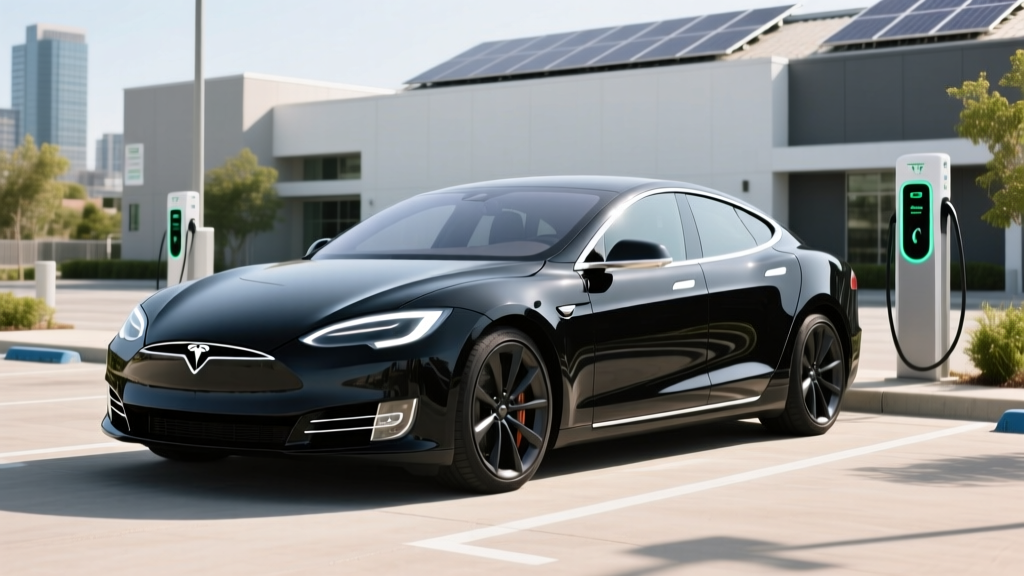
Tesla's flagship sedan has been around for over a decade, but the 2026 Model S remains one of the longest-range, fastest-charging electric sedans you can put in your driveway. With periodic lease specials — typically structured as 36-month / 10,000-mile-per-year offers — Tesla periodically makes this $75,000+ luxury EV accessible at monthly payments that undercut what you'd expect from a German competitor. But before you sign, you need to understand what you're actually getting: a 100 kWh battery, up to 402 miles of EPA range, and access to the Supercharger network, wrapped in a minimalist interior that polarizes as much as it impresses.
This review covers the 2026 Model S Long Range and Plaid trims with exact specs, real-world range data, charging curves, tax-credit implications for leasing, and a clear framework for whether the current lease special is the right move for your situation.
Range, Battery, and Real-World Efficiency
Real-World Expectation: Plan for ~340–360 miles on mixed highway driving at 70+ mph. In freezing temperatures (below 32°F), expect a 20–30% reduction, bringing usable range to ~280–320 miles. City driving with regenerative braking can approach or slightly exceed the EPA sticker.
The 2026 Model S uses a 100 kWh (usable) NMC (nickel manganese cobalt) lithium-ion battery pack. Tesla does not offer the LFP (lithium iron phosphate) chemistry in the Model S — that's reserved for the Model 3 and Model Y Standard Range variants. NMC delivers higher energy density, which is how Tesla packs 400+ miles into a sedan form factor, but it also means you should follow the 80% daily charge recommendation to minimize long-term degradation.
| Spec | Long Range | Plaid |
|---|---|---|
| EPA Range | 402 mi | 396 mi |
| Battery (usable) | 100 kWh, NMC | 100 kWh, NMC |
| EPA Efficiency | 124 MPGe (28 kWh/100mi) | 116 MPGe (30 kWh/100mi) |
| Drivetrain | Dual-Motor AWD | Tri-Motor AWD |
| Horsepower | 670 hp | 1,020 hp |
| 0–60 mph | 3.1 sec | 1.99 sec |
| Top Speed | 155 mph | 200 mph |
| Base MSRP | $74,990 | $89,990 |
Efficiency-wise, the Long Range achieves 124 MPGe combined (or roughly 28 kWh per 100 miles), which is excellent for a 4,500+ lb luxury sedan. The tri-motor Plaid drops slightly to 116 MPGe due to the extra motor and more aggressive power delivery. According to fueleconomy.gov, these figures place the Model S among the most efficient vehicles in its class.
Charging Speed: DC Fast, Level 2, and the Curve Reality
Charging speed is where the Model S continues to hold an advantage over most luxury EV competitors. Here's the breakdown by charging level:
| Level | Power / Rate | Miles Added per Hour | Notes |
|---|---|---|---|
| Level 1 (120V) | ~1.4 kW | ~3–4 mi/hr | Emergency/trickle only |
| Level 2 (240V, 48A) | 11.5 kW | ~34 mi/hr | Home Wall Connector; full charge in ~9 hrs |
| DC Fast (V3 Supercharger) | Peak 250 kW | ~200 mi in 15 min | 10–80% in ~25 min; tapers above 80% |
| DC Fast (V4 Supercharger) | Up to 250 kW (CCS adapter) | Similar to V3 | NACS native; newer stations |
The charging curve matters. The Model S peaks at 250 kW only between roughly 10–30% State of Charge (SoC). From 30–60%, it sustains around 150–180 kW, and above 80%, it drops significantly to protect the NMC battery. A 10–80% session takes approximately 25 minutes at a V3 Supercharger — but plan for 35–45 minutes if you're charging from 10% to 95% on a road trip. Always precondition the battery (the car does this automatically when you navigate to a Supercharger) to hit peak charge rates.
At home, Tesla's Wall Connector on a 60A circuit delivers 11.5 kW (48A continuous), adding about 34 miles of range per hour. An overnight charge from 20% to 80% takes roughly 5–6 hours, which is more than sufficient for daily driving. Installation typically runs $500–$1,500 depending on your electrical panel's proximity to the garage — consult a licensed electrician for a site-specific quote.
Performance, Interior Space, and Standout Tech
The Model S Long Range hits 0–60 mph in 3.1 seconds with 670 horsepower from its dual-motor all-wheel-drive setup. That's supercar territory from a decade ago, delivered silently and effortlessly. The Plaid's tri-motor configuration produces 1,020 hp and a 1.99-second 0–60 time, making it one of the quickest production cars ever built. Both use Tesla's adaptive air suspension, which adjusts ride height and damping based on speed and road conditions.
Interior Dimensions and Cargo
The Model S offers generous space for a performance sedan:
- Front legroom: 42.7 inches
- Rear legroom: 35.4 inches
- Cargo (rear trunk): 26.3 cu ft
- Frunk (front trunk): 3.1 cu ft
- Total cargo: 29.4 cu ft (seats up) — expandable with 60/40 rear fold
Five adults fit comfortably, though the rear middle seat is best for shorter trips. The hatchback design makes loading bulky items far easier than a traditional sedan trunk.
Tech and Driver Assistance
The 17-inch center touchscreen runs Tesla's proprietary infotainment — no Apple CarPlay or Android Auto, but native navigation, Spotify, Netflix (while parked), and a surprisingly good gaming suite. The 12.3-inch driver instrument cluster and optional yoke steering remain polarizing choices.
Autopilot (included) provides adaptive cruise control and lane centering. FSD (Supervised), available as a $8,000 one-time purchase or $99/month subscription, adds automatic lane changes, traffic light/stop sign recognition, and navigate-on-autopilot. It's impressive on highways but still requires constant supervision — treat it as a fatigue-reducer, not a replacement for driving.
Pricing, Lease Specials, and the Tax-Credit Question
Here's where the lease special gets interesting — and complicated.
| Item | Long Range | Plaid |
|---|---|---|
| Base MSRP | $74,990 | $89,990 |
| Destination Fee | $1,390 | $1,390 |
| As-Tested (w/ FSD, Paint, Wheels) | ~$86,000 | ~$102,000 |
| §30D Federal Tax Credit (Purchase) | Not eligible — MSRP exceeds $55,000 sedan cap | |
| Lease Credit (§45W Commercial) | Potentially $7,500 passed through by lessor — varies by deal | |
| Typical Lease Special (36 mo / 10k mi) | ~$899–$1,099/mo* | ~$1,199–$1,399/mo* |
*Lease payments vary by region, credit tier, money factor, and whether Tesla applies the commercial clean vehicle credit (§45W) to reduce the capitalized cost. Always confirm exact terms on Tesla.com before signing.
The Tax-Credit Lease Loophole Explained
Here's the critical nuance: if you purchase a Model S, it does not qualify for the IRS §30D federal tax credit because it exceeds the $55,000 MSRP cap for sedans. However, when Tesla Financial Services leases the vehicle, it may qualify under the §45W Commercial Clean Vehicle Credit, which has no MSRP cap for leased vehicles. The $7,500 credit goes to the lessor (Tesla), who can then pass the savings to you as a capitalized-cost reduction — effectively lowering your monthly payment.
- §30D (Purchase): Model S does NOT qualify — MSRP exceeds $55K sedan cap
- §45W (Lease): Potentially $7,500 — lessor-dependent, no MSRP or income cap
- Battery sourcing requirements: Still apply under §45W; Tesla's supply chain has shifted significantly toward compliant sourcing, but confirm current eligibility
- State incentives: Vary widely — check your state's EV rebate program separately
Always consult a tax professional before relying on credit eligibility. Rules are subject to change under current IRS guidance.
Model S vs. the Competition: Is It Worth the Lease?
The Model S doesn't exist in a vacuum. Here's how it stacks up against the luxury EV sedan competition you're likely cross-shopping:
| Spec | Tesla Model S LR | BMW i5 M60 | Mercedes EQE 350+ | Lucid Air Pure |
|---|---|---|---|---|
| EPA Range | 402 mi | 295 mi | 305 mi | 419 mi |
| Peak DC Charge | 250 kW | 205 kW | 170 kW | 200+ kW |
| 0–60 mph | 3.1 sec | 3.7 sec | 6.2 sec | 3.5 sec |
| Base MSRP | $74,990 | $84,100 | $74,900 | $69,900 |
| Charging Network | Supercharger (native) | CCS / NACS adapter | CCS / NACS adapter | NACS (Supercharger access) |
Pros, Cons, and Who Should Lease the Model S
Pros
- 402-mile EPA range eliminates range anxiety for nearly all trips
- 250 kW Supercharger network — fastest, most reliable public charging in the US
- Sub-3.1-second 0–60 in Long Range; absurd 1.99s in Plaid
- Over-the-air updates continuously add features
- Hatchback cargo versatility (29.4 cu ft)
- Lease loophole may pass through $7,500 credit
- Strong residual values reduce lease cost
Cons
- No Apple CarPlay / Android Auto
- Interior materials don't match BMW/Mercedes at this price
- Yoke steering is controversial and takes adaptation
- FSD (Supervised) still requires full driver attention — $8K for Level 2
- No §30D tax credit if purchasing (MSRP cap)
- Service center wait times can be long in some markets
- Insurance premiums run 20–40% higher than comparable gas sedans
Who Should Lease the Model S?
Lease it if: You want 400-mile range, the best charging network available, and supercar acceleration in a daily-drivable sedan — and you prefer lower monthly payments with the option to upgrade in 3 years when solid-state batteries may arrive.
Skip it if: You prioritize traditional luxury interior quality (look at the BMW i5 or Mercedes EQE), you need CarPlay integration, or you drive fewer than 10,000 miles/year and a smaller, cheaper EV would serve you just as well.
Warranty and Long-Term Battery Health
Tesla covers the Model S with the following warranties:
- Basic Vehicle: 4 years / 50,000 miles
- Battery & Drive Unit: 8 years / 150,000 miles (whichever comes first), with minimum 70% capacity retention guaranteed
For a 36-month lease, you'll be fully covered under both warranties for the entire lease term. NMC battery degradation data from Tesla's fleet suggests approximately 8–10% capacity loss over 100,000 miles, with the steepest drop in the first 20,000 miles before leveling off. As a lessee, long-term degradation isn't your financial concern — which is one of the strongest arguments for leasing over buying.
Frequently Asked Questions
What is the real-world range of the 2026 Tesla Model S?
The EPA rates the Long Range at 402 miles and the Plaid at 396 miles. In real-world highway driving at 70–75 mph, expect 340–360 miles. In cold weather (below freezing), plan for 280–320 miles due to battery resistance and cabin heating demands. City driving with regen braking can match or slightly exceed EPA estimates.
How fast does the Model S charge at home and on the road?
At home on a Level 2 Tesla Wall Connector (11.5 kW / 48A), you'll add about 34 miles per hour — a full overnight session covers most needs. On DC fast charging, the Model S peaks at 250 kW at a V3 Supercharger, achieving a 10–80% charge in approximately 25 minutes. Charging slows significantly above 80% to protect battery health.
Does the Tesla Model S qualify for the federal EV tax credit?
If you purchase, no — the Model S exceeds the IRS §30D $55,000 MSRP cap for sedans. If you lease, the lessor (Tesla Financial Services) may claim the §45W Commercial Clean Vehicle Credit ($7,500) and pass the savings to you as a cap-cost reduction. This is not guaranteed — confirm with Tesla before signing.
Is the Model S lease special worth it vs. buying?
Leasing makes sense if you want lower monthly payments, don't want to worry about long-term battery degradation, and plan to upgrade in 3 years. The potential §45W pass-through sweetens the deal. Buying makes more sense if you drive high mileage (over 12,000 mi/year), want to keep the car 5+ years, or can take advantage of the used EV credit when you eventually sell.
How does the Model S compare to the Lucid Air?
The Lucid Air Pure offers slightly more range (419 mi EPA) at a lower starting price ($69,900), but Tesla's Supercharger network remains far more mature and reliable than what Lucid owners currently access. The Model S also has stronger resale value and more established service infrastructure. The Air wins on interior luxury and efficiency; the Model S wins on infrastructure and performance credibility.
What are the biggest drawbacks of the Model S in 2026?
The interior still doesn't match German luxury competitors in material quality. There's no CarPlay or Android Auto. The yoke steering remains divisive. FSD costs $8,000 and is still SAE Level 2 — not autonomous. Insurance costs run significantly higher than comparable ICE sedans. And if you purchase outright, you get zero federal tax credit due to the MSRP cap.