Quick Verdict: Does the Tesla Model S Still Earn Its Flagship Badge?
The Tesla Model S has been the benchmark luxury electric sedan for over a decade, and the 2026 iteration continues to push the envelope in range, acceleration, and software-defined convenience. But beyond the headline 402-mile EPA range and sub-2-second Plaid sprints, one of the most-discussed design elements remains the Model S door handle — an auto-presenting, flush-mounted mechanism that has defined Tesla's minimalist exterior language since the car's 2012 debut.
In this review, we go beyond the door handles to evaluate the full ownership picture: real-world range, DC fast-charging performance, battery chemistry, interior space, pricing, and federal tax credit eligibility under current IRS §30D rules. If you're cross-shopping the Model S against the Lucid Air, BMW i7, or Mercedes EQS, this is the data-driven breakdown you need.
The Model S Door Handle: Design, Function, and Real-World Quirks
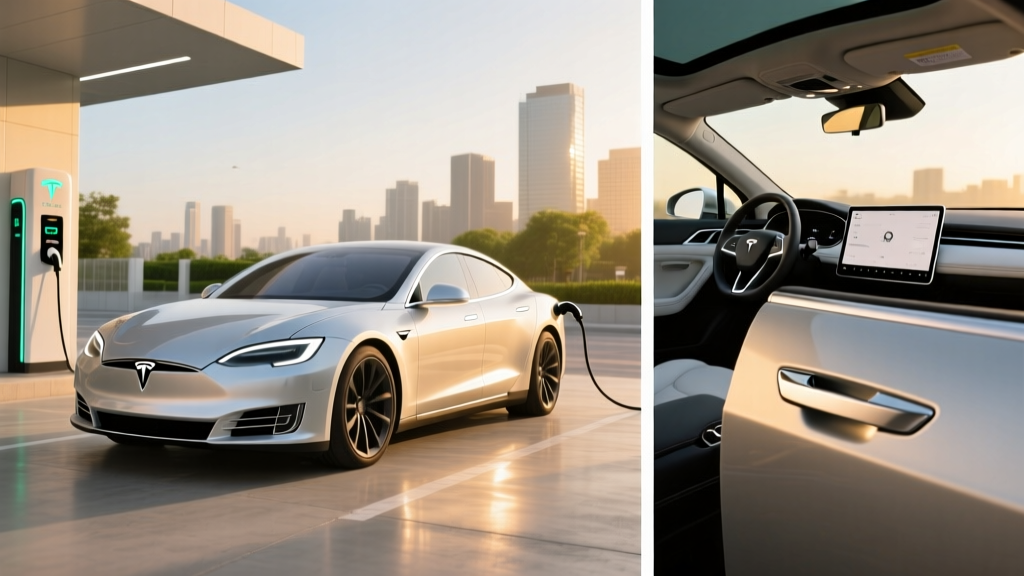
The Tesla Model S door handle is more than a styling choice — it's an aerodynamic and experiential feature. When you approach with the key fob or phone-as-key, the handles auto-present (extend outward) with a subtle motor whir. Press the wide part of the handle, and the door unlatches. When you walk away, they retract flush with the body panel, reducing drag and contributing to the Model S's 0.208 Cd drag coefficient.
How it works in practice:
- Phone-as-key: The handles present as you approach within ~3 feet. No button press required.
- Key fob: Double-press the fob to present all four handles remotely, or they present individually as you grab them.
- Interior release: A simple push-button on the door panel (no traditional mechanical lever).
- Cold weather: In sub-freezing conditions, handles can occasionally freeze flush. Tesla's software includes a "defrost handles" routine via the app, and owners in cold climates report that preconditioning the cabin before departure largely eliminates the issue.
Compared to the pop-out handles on the Model 3/Y (which are manual and require a thumb-press), the Model S handles are fully motorized and feel more premium. However, some owners report intermittent motor failures after 60,000+ miles — a repair that typically runs $300-$500 per handle out of warranty. Tesla has revised the handle mechanism several times since 2012, and the 2024+ refresh units are reportedly more reliable.
Range, Battery, and Efficiency: The Numbers That Matter
EPA Estimated Range: 402 miles (Model S Long Range, 19" wheels)
Real-World Expectation: Plan for ~330-350 miles on highway road trips at 70-80 mph, and ~260-290 miles in sub-30°F winter conditions. City driving with regenerative braking can match or slightly exceed the EPA sticker.
The 2026 Model S Long Range uses a ~100 kWh (usable) battery pack with NMC (nickel manganese cobalt) chemistry, optimized for energy density and sustained high-speed performance. Unlike the LFP packs in the Model 3 RWD, NMC offers higher energy density but benefits from an 80% daily charge limit for long-term health — Tesla's battery management system handles this automatically.
| Spec | Long Range | Plaid |
|---|---|---|
| EPA Range | 402 mi | 396 mi |
| Battery (usable) | ~100 kWh, NMC | ~100 kWh, NMC |
| Drivetrain | Dual-Motor AWD | Tri-Motor AWD |
| Horsepower | 670 hp | 1,020 hp |
| 0-60 mph | 3.1 sec | 1.99 sec |
| Top Speed | 155 mph | 200 mph |
| EPA Efficiency | 124 MPGe (28 kWh/100mi) | 120 MPGe (29 kWh/100mi) |
| Base MSRP | $74,990 | $89,990 |
Efficiency is a Model S strong suit. At 124 MPGe combined (per EPA data on fueleconomy.gov), it converts energy more effectively than heavier luxury EVs like the BMW i7 (84 MPGe) or the Mercedes EQS (97 MPGe). Over 15,000 annual miles, that efficiency gap translates to roughly $150-$250 in electricity savings per year versus those competitors.
Charging Speed: DC Fast, Level 2, and the Supercharger Advantage
The Model S charges via the NACS (North American Charging Standard) connector — Tesla's proprietary plug, now adopted industry-wide as the standard. On Tesla's V4 Supercharger network, the Model S can accept up to 250 kW peak DC fast-charge power.
| Charging Level | Power / Rate | Speed | Notes |
|---|---|---|---|
| Level 1 (120V) | ~1.4 kW | ~3-4 mi/hr | Emergency/trickle only |
| Level 2 (240V, 48A) | 11.5 kW | ~34 mi/hr | Full charge in ~9 hrs |
| DC Fast (Supercharger) | 250 kW peak | 10-80% in ~27 min | Tapers significantly above 80% |
Charging curve reality: The 250 kW peak is sustained only between roughly 10-30% State of Charge (SoC). By 50% SoC, power drops to ~170 kW; by 80%, it falls to ~60 kW. This is normal lithium-ion behavior, but it means a 10-90% session takes closer to 40-45 minutes, not the 27-minute 10-80% figure Tesla publishes. Always precondition the battery (the car does this automatically when you navigate to a Supercharger) to hit peak charge rates — skipping preconditioning in cold weather can cut charge speed by 40% or more.
At home, the Tesla Wall Connector (48 amps, hardwired to a 60-amp circuit) delivers 11.5 kW, adding roughly 34 miles of range per hour. A full overnight charge from 20% to 100% takes about 8-9 hours — more than adequate for daily use.
Interior Space, Tech, and Daily Livability
The Model S cabin remains one of the most spacious in the luxury EV sedan segment. Cargo capacity is a standout:
- Rear cargo: 28 cu ft (seats up) / 55 cu ft (seats folded)
- Front trunk (frunk): 3.1 cu ft
- Rear legroom: 35.4 inches
- Front headroom: 38.8 inches
The hatchback-style rear opening (not a traditional sedan trunk lid) makes loading bulky items dramatically easier than the BMW i7 or Mercedes EQS, both of which use conventional trunk designs. The optional rear-facing third-row jump seat (adding two small child seats) was discontinued after 2018, so the 2026 Model S seats five.
Tech highlights:
- 17-inch center touchscreen (tilting "cinematic" display) with AMD Ryzen processor
- 12.3-inch digital instrument cluster
- Rear-seat 8-inch touchscreen for climate and media
- 22-speaker, 960-watt audio system
- Tesla Autopilot standard; Full Self-Driving (Supervised) available as a $8,000 add-on — this is an SAE Level 2 driver-assist system requiring active driver engagement at all times, not autonomous driving
- Over-the-air software updates, Sentry Mode dashcam recording, and Dog Mode climate control
Notable drawbacks: The yoke steering wheel (standard on Plaid, optional on Long Range) takes significant adaptation and draws polarized reviews. Build quality, while improved since the 2021 refresh, still shows occasional panel-gap inconsistency compared to German luxury rivals. And the absence of Apple CarPlay/Android Auto remains a dealbreaker for some buyers — Tesla's native navigation and media are robust, but phone-projection loyalists should test-drive before committing.
Pricing, Trims, and Federal Tax Credit Eligibility
| Trim | Base MSRP | As-Tested (typical) | §30D Federal Credit |
|---|---|---|---|
| Long Range | $74,990 | $78,490 (w/ FSD, paint) | Not eligible (exceeds $55K sedan MSRP cap) |
| Plaid | $89,990 | $97,490 (w/ FSD, wheels) | Not eligible (exceeds $55K sedan MSRP cap) |
Does the Model S qualify for the federal EV tax credit? No. Under current IRS §30D rules, the Model S exceeds the $55,000 MSRP cap for sedans (the cap is $80,000 for SUVs/pickups, which is why the Model X qualifies). Additionally, buyer income limits apply ($150K single / $300K joint), and battery critical-mineral sourcing requirements must be met. Even if the MSRP cap were raised, most Model S buyers would exceed the income threshold.
Some states offer their own incentives — California's Clean Fuel Rebate, for example, may apply depending on current program rules. Check your state's energy office for specifics, as local incentive amounts vary by jurisdiction and are subject to change.
Warranty Coverage
Tesla provides the following warranty coverage for the 2026 Model S:
- Basic vehicle: 4 years / 50,000 miles
- Battery & drive unit: 8 years / 150,000 miles (Long Range and Plaid), with a minimum 70% capacity retention threshold
The 150,000-mile battery warranty is competitive with Lucid's 8-year/100,000-mile coverage and exceeds BMW's 8-year/100,000-mile EV warranty. Real-world battery degradation data from Tesla's fleet suggests most Model S packs retain 88-92% capacity at 100,000 miles — well within the warranty floor.
Pros, Cons, and Who Should Buy the Model S
Pros
- Class-leading 402-mile EPA range
- Supercharger network access (most reliable DC network in the US)
- Hatchback cargo versatility (55 cu ft seats-folded)
- Over-the-air updates continuously add features
- Tri-motor Plaid performance is unmatched at its price
- Excellent efficiency (124 MPGe) reduces charging costs
Cons
- No federal tax credit (MSRP exceeds sedan cap)
- No Apple CarPlay or Android Auto
- Yoke steering is polarizing
- Build quality still trails German luxury benchmarks
- Door handle motors can fail post-warranty
- Insurance premiums run 20-35% higher than comparable ICE sedans
Who the Model S suits best: The Model S is ideal for tech-forward professionals and enthusiasts who prioritize range, Supercharger convenience, and software integration above traditional luxury brand cachet. It excels as a daily commuter with road-trip capability — the 402-mile range and Supercharger network make 500-mile one-day drives practical with a single 25-minute stop. Families who need SUV cargo space or third-row seating should look at the Model X or Rivian R1S instead. Buyers who value dealership service, CarPlay, or German interior craftsmanship may prefer the BMW i7 or Mercedes EQS.
Frequently Asked Questions
What is the real-world range of the 2026 Tesla Model S?
While the EPA rates the Long Range at 402 miles, expect 330-350 miles in real-world highway driving at 70-80 mph and 260-290 miles in freezing temperatures. City driving with regen braking can approach or slightly exceed the EPA figure.
How fast does the Model S charge at home and on the road?
On a Level 2 home charger (11.5 kW / 48A), the Model S adds ~34 miles per hour, reaching a full charge overnight. On a 250 kW Supercharger, 10-80% takes ~27 minutes, though a 10-90% session is closer to 40-45 minutes due to charge-curve tapering above 80%.
Does the Tesla Model S qualify for the $7,500 federal EV tax credit?
No. The Model S MSRP exceeds the $55,000 sedan cap under IRS §30D rules. Even the base Long Range at $74,990 is ineligible. Check IRS guidance for current eligibility rules.
Is the Model S worth buying vs. the Lucid Air or BMW i7?
The Model S wins on Supercharger network reliability and software features. The Lucid Air Grand Touring offers comparable range (516 mi EPA) and a more traditional luxury interior. The BMW i7 provides superior build quality and dealership service but trails significantly on range and efficiency. Your priority — tech/range vs. luxury/service — should drive the decision.
Do Model S door handles break often?
Earlier-generation handles (2012-2019) had known motor and paddle-gear failures. Tesla has revised the mechanism multiple times, and 2021+ units are more robust. Out-of-warranty replacement runs $300-$500 per handle. Keeping the car in a garage and using the app's defrost function in winter reduces failure risk.
Is Tesla Autopilot or FSD self-driving?
No. Both Autopilot and Full Self-Driving (Supervised) are SAE Level 2 driver-assist systems. The driver must remain attentive, keep hands on the wheel, and be prepared to take over at any time. True autonomous (Level 4) driving is currently offered only by robotaxi services like Waymo in limited metro areas.