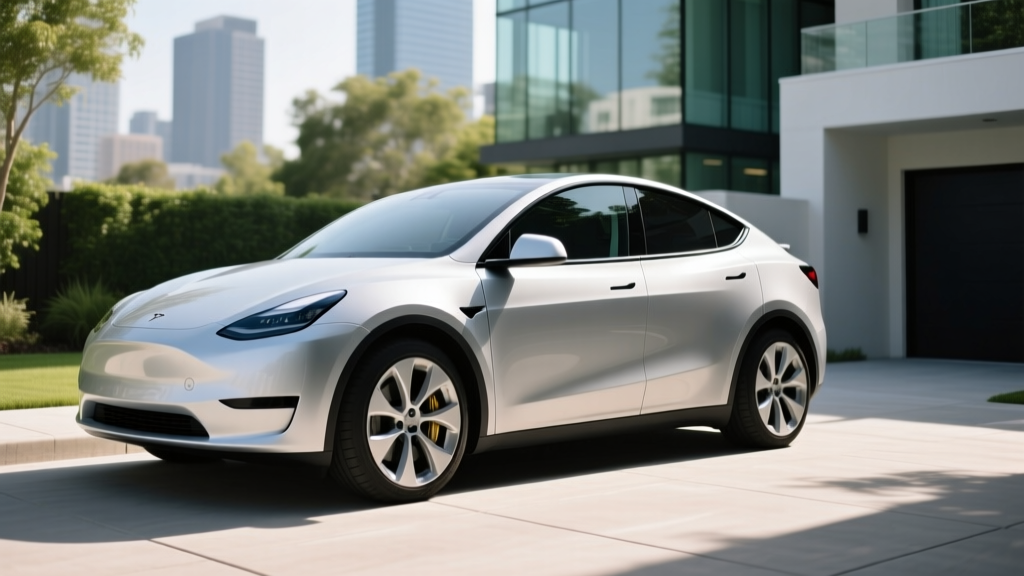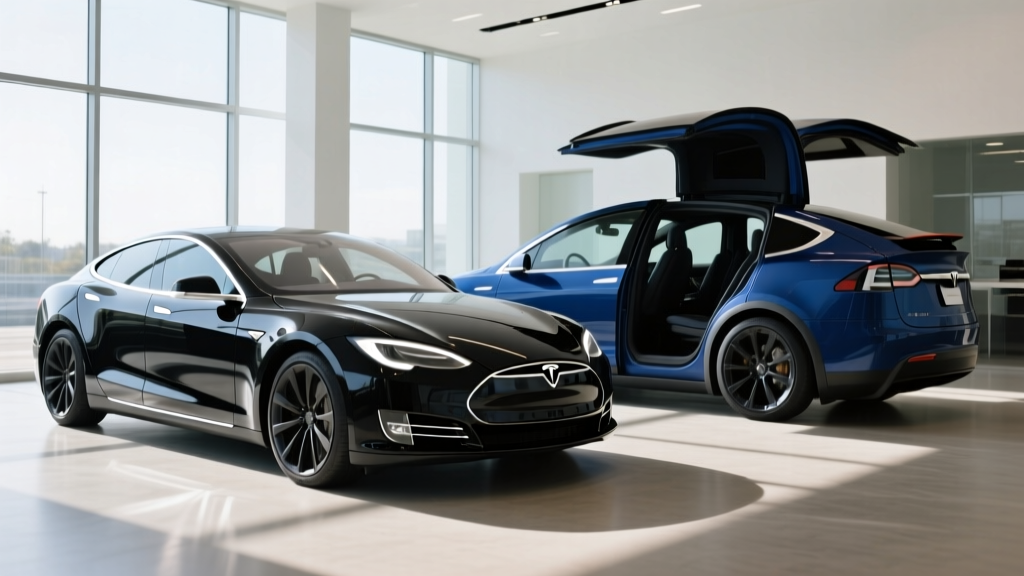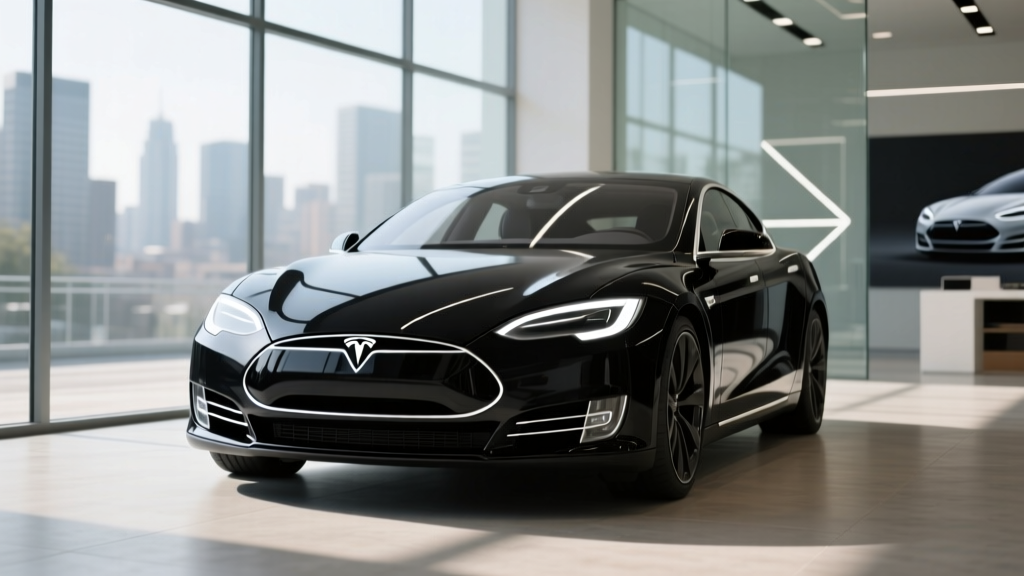
Rumors about the Tesla Model S being discontinued have circulated since at least 2023, intensifying as Tesla pivoted production capacity toward the Cybertruck, Optimus robot, and its next-generation affordable platform. Yet as of early 2026, the Model S remains on sale — though in a markedly different position than the sedan that redefined the EV market in 2012. If you're researching whether to buy one before it potentially exits the lineup, or wondering if Tesla has quietly sunset its flagship sedan, here's everything you need to know about the 2026 Model S: its real-world viability, its specs, and whether it still makes financial sense.
Is the Tesla Model S Actually Being Discontinued?
Tesla has not issued a formal discontinuation notice for the Model S as of this writing. However, several signals point to a winding-down lifecycle:
- Production consolidation: Fremont Factory output has increasingly prioritized Model Y and Cybertruck volume. Model S/X share a production line, and combined annual output has declined steadily since 2022.
- No major refresh since 2021: The current "Palladium" interior and exterior update debuted in mid-2021. Tesla has not announced a next-generation Model S platform.
- Market shift: The luxury EV sedan segment has fragmented. Competitors like the Lucid Air, BMW i5, Mercedes EQS, and Porsche Taycan now offer comparable or superior range, charging, and interior quality.
- Elon Musk's public statements: In past earnings calls, Musk has described Model S/X as "halo" products that may eventually transition to low-volume or limited-edition status rather than mass production.
The practical takeaway: the Model S is available to order in 2026, but buyers should approach it as a late-lifecycle product. That's not inherently negative — it means proven hardware and fewer first-year bugs — but it does affect long-term depreciation and support expectations.
2026 Tesla Model S: Range, Battery, and Efficiency
The 2026 Model S is offered in two trims: the dual-motor Long Range and the tri-motor Plaid. Both use a ~100 kWh (usable) battery pack with NMC (nickel manganese cobalt) chemistry — Tesla has not transitioned the Model S to LFP, which it reserves for standard-range Model 3/Y variants where lower energy density is acceptable.
| Spec | Model S Long Range | Model S Plaid |
|---|---|---|
| EPA Range | 402 miles | 359 miles |
| Battery (usable) | ~100 kWh NMC | ~100 kWh NMC |
| Drivetrain | Dual-motor AWD | Tri-motor AWD |
| Horsepower | 670 hp | 1,020 hp |
| 0–60 mph | 3.1 seconds | 1.99 seconds |
| Top Speed | 155 mph | 200 mph (w/ track pkg) |
| MPGe (combined) | 120 MPGe | 116 MPGe |
| Efficiency | 28 kWh/100 mi | 29 kWh/100 mi |
| Cargo (trunk + frunk) | 28.0 cu ft (rear) + 3.1 cu ft (frunk) | 28.0 cu ft (rear) + 3.1 cu ft (frunk) |
| Rear Legroom | 35.4 inches | 35.4 inches |
Real-World Range vs. EPA Sticker
EPA: 402 miles (Long Range) / 359 miles (Plaid). In real-world highway driving at 70–75 mph, expect approximately 330–360 miles in the Long Range and 290–320 miles in the Plaid. Cold-weather conditions (below 32°F) can reduce range by 20–30%, bringing the Long Range down to roughly 260–290 miles on a full charge. Tesla's heat pump (standard since the 2021 refresh) mitigates cabin-heating losses but does not eliminate cold-weather battery chemistry drag.
The Model S Long Range's 402-mile EPA figure remains competitive in 2026, though the Lucid Air Grand Touring surpasses it at 516 miles EPA. Where the Model S retains an edge is efficiency: at 28 kWh/100 miles, it extracts more miles per kilowatt-hour than most large luxury sedans, which matters when you're paying for DC fast charging by the kWh.
Charging Speed: DC Fast and Home Level 2
Charging remains one of the Model S's strongest practical advantages, thanks to native access to the Tesla Supercharger network — the most reliable and widely deployed DC fast-charging ecosystem in North America.
| Charging Level | Max Rate | Speed (approx.) | Notes |
|---|---|---|---|
| Level 1 (120V) | ~1.4 kW | ~3–4 mi/hr | Emergency/trickle only |
| Level 2 (240V, 48A) | 11.5 kW | ~34 mi/hr | Home Wall Connector; full charge in ~10 hrs |
| DC Fast (Supercharger V3/V4) | 250 kW peak | 10–80% in ~25 min | Peak rate sustained to ~50%; tapers significantly above 80% |
A critical nuance: the Model S peaks at 250 kW on V3 Superchargers but only sustains that rate briefly. The charge curve tapers as the battery warms and state of charge climbs. On a typical 10–80% session, average power is closer to 150–170 kW, which is why the 10–80% time is ~25 minutes rather than the ~15 minutes that a sustained 250 kW rate would theoretically deliver. This is normal for NMC packs of this size, but it means the Model S charges more slowly than newer 800V-architecture rivals like the Hyundai Ioniq 5 (10–80% in ~18 minutes) or the Lucid Air (which supports up to 300+ kW with a more aggressive curve).
For home charging, Tesla's Wall Connector at 48 amps (11.5 kW) adds roughly 34 miles of range per hour. A full overnight charge from 20% to 100% takes approximately 8–10 hours on a dedicated 60A circuit. If your electrical panel can only support a 40A circuit (common in older homes), expect ~9.6 kW and roughly 28 mi/hr — still adequate for most daily needs.
Pricing, Tax Credits, and the §30D Reality
The 2026 Model S starts at a premium price point that places it outside the federal tax credit's MSRP cap for sedans. Here's the breakdown:
| Trim | Base MSRP | As-Tested (typical) | §30D Federal Credit |
|---|---|---|---|
| Long Range | $79,990 | $85,000–$92,000 | Not eligible (MSRP exceeds $55,000 sedan cap) |
| Plaid | $94,990 | $102,000–$115,000 | Not eligible (MSRP exceeds $55,000 sedan cap) |
Under IRS §30D rules, new clean vehicle credits are capped at $55,000 MSRP for sedans (and $80,000 for SUVs/trucks/vans). Since the Model S is classified as a sedan by the EPA, neither trim qualifies — regardless of buyer income or battery sourcing. This has been the case since the IRA's MSRP caps took effect, and it's a key reason the Model S competes on product merit rather than incentive-adjusted pricing.
Some state-level incentives may still apply (e.g., California's CVRP, Colorado's innovative motor vehicle credit), but these vary by jurisdiction and income. Check your state's energy office or the Alternative Fuels Data Center for current local programs.
Interior, Tech, and Driver Assistance
The 2021 "Palladium" refresh brought the Model S interior substantially closer to premium competitors, and the 2026 model carries forward those improvements:
- 17-inch center touchscreen (landscape orientation, AMD Ryzen processor) with Netflix, YouTube, and gaming while parked
- 12.3-inch digital instrument cluster behind the yoke or round steering wheel (round wheel is now a no-cost option after widespread yoke criticism)
- Rear 8-inch touchscreen for climate and entertainment
- 22-speaker audio system with active noise cancellation
- Ventilated front seats, heated rear seats, and a panoramic glass roof
Autopilot comes standard with adaptive cruise control, lane centering, and automatic emergency braking. Full Self-Driving (Supervised) remains a $8,000 add-on (or $99/month subscription). It's critical to understand that FSD is an SAE Level 2 driver-assist system — the driver must remain fully engaged, hands on wheel, eyes on road at all times. It is not autonomous driving. Tesla's naming convention is misleading; no production Tesla vehicle can drive itself without supervision.
⚠️ Driver-Assist Limitation Notice
Tesla Autopilot and FSD (Supervised) are SAE Level 2 systems. The driver is legally and practically responsible for all vehicle operation. These systems may fail to detect construction zones, emergency vehicles, lane-line gaps, and cross-traffic. NHTSA has opened multiple investigations into Autopilot-related incidents. Never treat Level 2 as "self-driving."
Notable drawbacks: Build quality, while improved, still shows occasional panel-gap inconsistencies that wouldn't pass muster at Porsche or Mercedes. The yoke steering wheel (if selected) remains divisive for low-speed maneuvering. Rear-seat headroom is tight for passengers over 6'1" due to the sloping roofline. And the minimalist interior, with nearly all controls funneled through the touchscreen, continues to frustrate some buyers who prefer physical buttons for climate and media.
Model S vs. Key Competitors: Is It Still Worth It?
The luxury EV sedan market in 2026 is far more competitive than when the Model S was essentially the only option. Here's how it stacks up against the most relevant rivals:
| Metric | Tesla Model S LR | Lucid Air Grand Touring | BMW i5 M60 | Porsche Taycan 4S |
|---|---|---|---|---|
| EPA Range | 402 mi | 516 mi | 295 mi | 288 mi |
| 0–60 mph | 3.1 sec | 3.0 sec | 3.7 sec | 3.4 sec |
| Peak DC Charge | 250 kW | 300+ kW | 205 kW | 320 kW (800V) |
| 10–80% Time | ~25 min | ~20 min | ~30 min | ~18 min |
| Base MSRP | $79,990 | $125,600 | $84,100 | $103,800 |
| Supercharger/Network | Tesla (native) | NACS (adapter) | CCS/NACS | CCS/NACS |
Choose the Model S If:
- You prioritize Supercharger network access without adapters
- You want 400+ mile range at a lower price than the Lucid Air
- You value Tesla's software ecosystem, OTA updates, and mobile app
- Tri-motor Plaid performance (1,020 hp, sub-2-second 0–60) is a priority
Look Elsewhere If:
- You need maximum range (Lucid Air Grand Touring: 516 mi)
- You want the fastest DC charging (Porsche Taycan 800V: ~18 min 10–80%)
- Build quality and interior materials are top priorities (BMW i5, Mercedes EQS)
- You want a fresh platform with a long product lifecycle ahead
Warranty and Long-Term Ownership
Tesla provides the following warranty coverage for the 2026 Model S:
- Basic Vehicle: 4 years / 50,000 miles
- Battery & Drive Unit: 8 years / 150,000 miles (whichever comes first), with a minimum 70% capacity retention threshold
The 8-year/150,000-mile battery warranty is competitive with rivals (Lucid offers 8/80,000; BMW offers 8/100,000). Tesla's 70% retention threshold means the warranty triggers if your battery degrades below 70% of original capacity within the warranty window. Based on fleet data from older Model S vehicles, NMC packs typically lose 10–15% capacity over the first 100,000 miles, with degradation slowing significantly after the initial break-in period. A full battery replacement outside warranty currently runs $15,000–$22,000 depending on pack configuration, according to third-party repair shops.
Insurance costs for the Model S remain elevated — expect $2,800–$4,200/year depending on your profile and state, per data from IIHS and insurance aggregators. Tesla's proprietary insurance program is available in some states and may offer competitive rates for drivers with clean records and high Safety Scores.
Pros, Cons, and the Verdict
Pros
- 402-mile EPA range (Long Range) remains class-competitive
- Native Tesla Supercharger access — the most reliable DC network
- Plaid performance is unmatched at any price point below $150K
- OTA updates continue to add features years after purchase
- Strong efficiency (28 kWh/100 mi) keeps charging costs down
- Generous cargo space with rear hatch + frunk
Cons
- No federal tax credit eligibility (MSRP exceeds $55K sedan cap)
- Late-lifecycle product — possible discontinuation risk
- 250 kW peak DC charge rate trails 800V competitors
- Build quality and interior materials lag BMW, Mercedes, Porsche
- Yoke steering remains controversial; round wheel availability inconsistent
- High insurance premiums relative to segment
The verdict: The 2026 Tesla Model S is still a formidable EV sedan — particularly in Long Range trim, where 402 miles of EPA range, Supercharger access, and a sub-$80K starting price make it a rational choice for high-mileage commuters and road trippers. But the discontinuation question is real. If Tesla sunsets the Model S within the next 12–24 months, early adopters may face accelerated depreciation and uncertain long-term parts support. Buyers who are comfortable with that risk — and who prioritize range, charging infrastructure, and software — will find the Model S still delivers. Buyers who want a fresh platform with a decade-long lifecycle ahead should seriously consider the Lucid Air, BMW i5, or upcoming competitors before committing.
Frequently Asked Questions
Is the Tesla Model S being discontinued in 2026?
Tesla has not officially announced a discontinuation date. The Model S remains on sale and orderable in 2026, but production volumes have declined, no next-generation platform has been announced, and industry analysts widely expect it to be phased out or transitioned to limited-edition status within the next few years.
What is the real-world range of the 2026 Model S?
The Long Range achieves an EPA-estimated 402 miles. In real-world highway driving at 70–75 mph, expect 330–360 miles. In cold weather (below freezing), that drops to approximately 260–290 miles. The Plaid delivers about 290–320 real-world highway miles from its 359-mile EPA rating.
How fast does the Model S charge?
On a Tesla V3/V4 Supercharger, the Model S peaks at 250 kW and charges from 10–80% in approximately 25 minutes. At home on a Level 2 Wall Connector (48A/11.5 kW), it adds about 34 miles of range per hour, with a full charge taking roughly 8–10 hours.
Does the Model S qualify for the federal EV tax credit?
No. Under IRS §30D, new sedans must have an MSRP at or below $55,000 to qualify. The Model S starts at $79,990 and is therefore ineligible regardless of buyer income or battery sourcing. Some state incentives may still apply.
Is the Model S worth buying vs. the Lucid Air or BMW i5?
It depends on your priorities. The Model S offers the best combination of range, price, and Supercharger access in its segment. The Lucid Air provides more range (516 mi) but costs significantly more. The BMW i5 offers superior build quality and a fresher platform but less range. If Supercharger reliability and software matter most, the Model S wins. If interior luxury or long-term product lifecycle matters more, look at competitors.
What happens to parts and service if Tesla discontinues the Model S?
Federal law requires automakers to maintain parts availability for a minimum period after discontinuation (typically 10+ years for safety-related components). Tesla also has a track record of supporting older vehicles (the original Roadster and early Model S units still receive software updates). However, body panels and trim-specific parts for low-volume models can become difficult to source — a risk worth considering.