Rumors about the Tesla Model S cancelled status surface every time Tesla reshuffles its lineup or updates its configurator. As of early 2026, the Model S remains in production and available for order in the U.S., though its future beyond the current generation is far from guaranteed. Tesla has trimmed the sedan lineup to two trims—Long Range and Plaid—and shifted much of its Fremont sedan capacity toward newer, higher-volume platforms. If you are researching a purchase before any potential discontinuation, this review gives you the exact numbers you need on range, charging, performance, pricing, and whether the Model S still earns its flagship price tag.
Current Status: Is the Tesla Model S Actually Cancelled?
No. The Model S is still listed on Tesla's U.S. configurator for the 2026 model year in both Long Range and Plaid variants. However, the "cancelled" whispers have a basis in reality:
- Volume decline: Model S/X production has hovered in the low thousands per quarter, a fraction of Model 3/Y output.
- Aging platform: The current architecture dates to the 2021 "Palladium" refresh. No major exterior or structural update has been announced.
- Strategic pivot: Tesla's capital expenditure has shifted toward the next-generation compact platform, Cybertruck ramp, and semi-autonomous robotaxi development.
Translation: the Model S is buyable today, but it occupies a niche role in Tesla's portfolio. If Tesla eventually sunsets the sedan, existing owners should expect parts and service support for at least a decade—consistent with Tesla's historical approach to discontinued variants like the original Roadster.
Range, Battery, and Efficiency
Real-world expectation: ~320–340 miles at sustained 75 mph highway speeds; ~270–300 miles in sub-freezing winter conditions with cabin heat. Plaid variant drops to an EPA 359 miles with similar proportional losses.
| Spec | Long Range | Plaid |
|---|---|---|
| EPA Range | 402 mi | 359 mi |
| Battery Capacity (usable) | ~100 kWh (NMC) | ~100 kWh (NMC) |
| Chemistry | Nickel Manganese Cobalt (NMC) | Nickel Manganese Cobalt (NMC) |
| MPGe (combined) | 120 MPGe | 116 MPGe |
| Efficiency | 28 kWh/100 mi | 29 kWh/100 mi |
| Drivetrain | Dual-Motor AWD | Tri-Motor AWD |
Tesla continues to use NMC chemistry in the Model S rather than the LFP (lithium iron phosphate) packs found in the base Model 3 RWD. NMC offers higher energy density—critical for hitting 400+ miles in a sedan footprint—but it requires a stricter daily charge limit of 80–90% to minimize long-term degradation. Only charge to 100% before road trips. According to fueleconomy.gov, the Long Range variant returns 120 MPGe combined, making it one of the most efficient large luxury sedans on the market.
Charging Speed: DC Fast, Level 2, and Real-World Curves
| Charging Level | Power / Rate | Speed | Notes |
|---|---|---|---|
| Level 1 (120V) | ~1.4 kW | ~3–4 mi/hr | Emergency / trickle only |
| Level 2 (240V / 48A) | 11.5 kW | ~34 mi/hr | Home Wall Connector; full charge in ~10 hrs |
| DC Fast (V3 Supercharger) | Peak 250 kW | 10–80% in ~27 min | Sustained ~150 kW avg on the curve |
| DC Fast (V4 Supercharger) | Peak 250 kW* | 10–80% in ~27 min | *Model S architecture caps at ~250 kW |
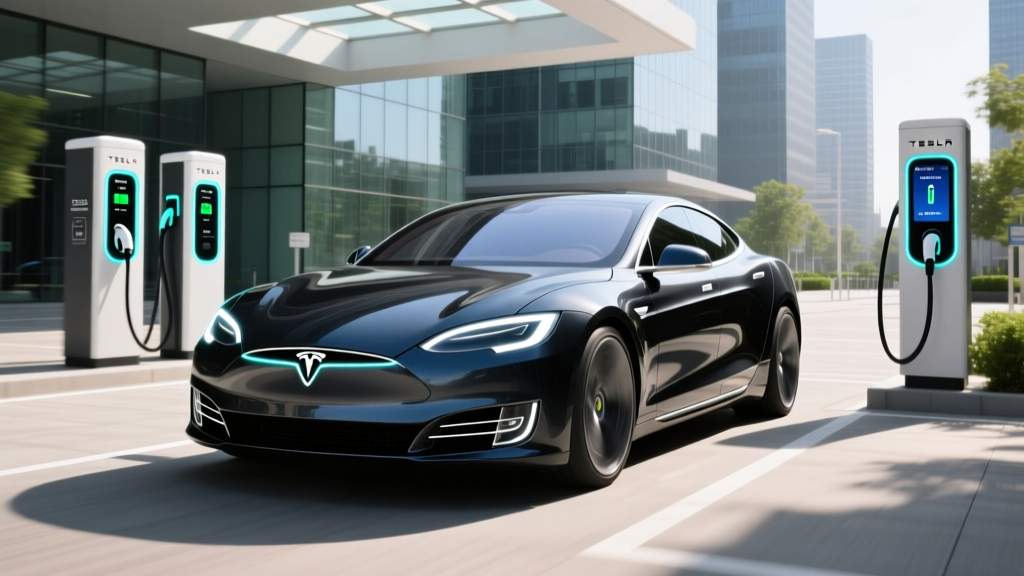
The Model S charges at a peak of 250 kW on Tesla's V3 and V4 Superchargers. This is respectable but no longer class-leading—rivals on 800V architectures (Hyundai Ioniq 6, Porsche Taycan, Lucid Air) accept 300–350 kW and complete 10–80% sessions 5–8 minutes faster. The Model S charge curve tapers meaningfully above 60% SoC, so the average rate across a 10–80% session is closer to 150 kW than the 250 kW peak.
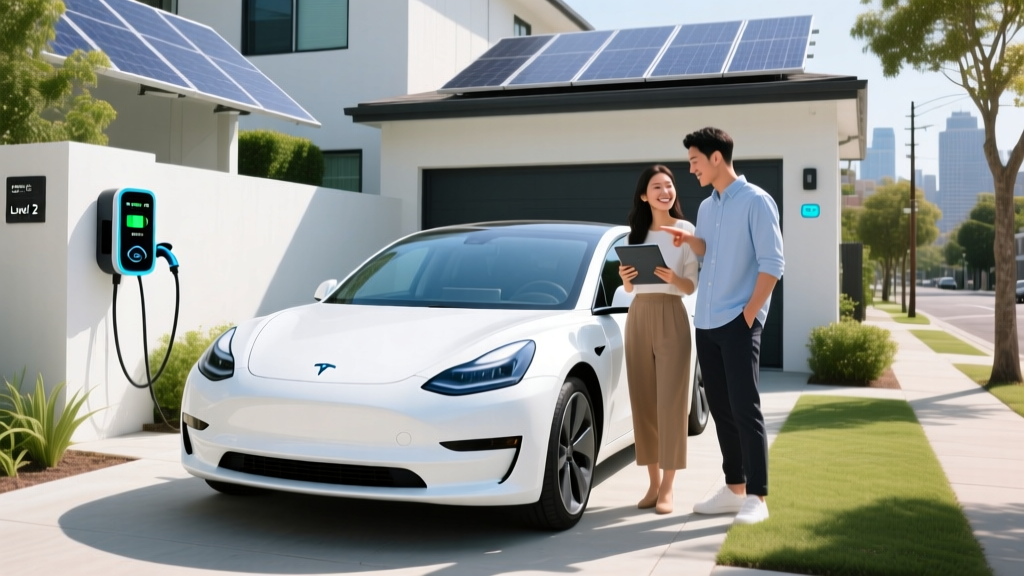
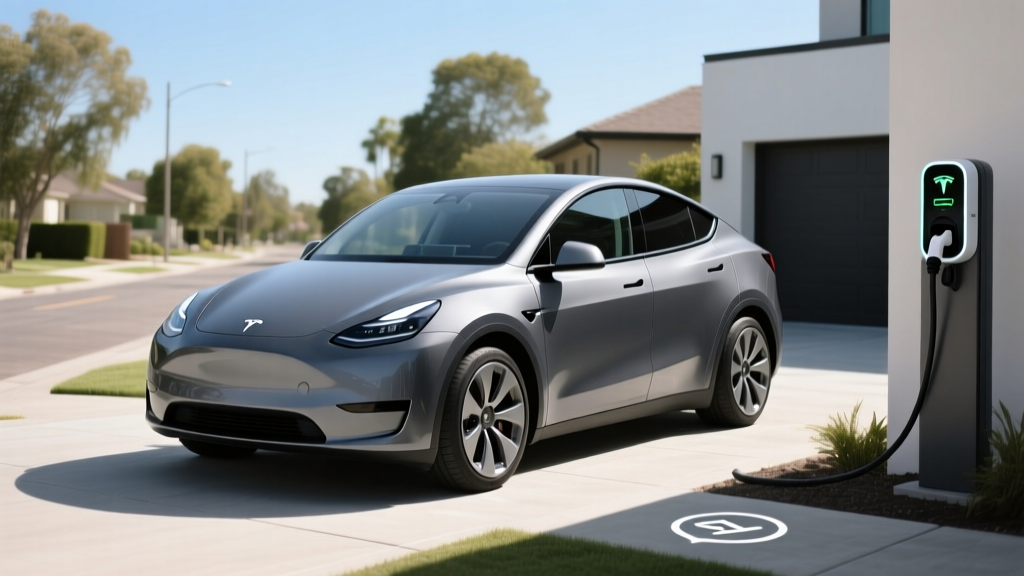
Home charging reality: At 11.5 kW on a Tesla Wall Connector (hardwired, 60A circuit), you gain roughly 34 miles per hour of charging. An overnight 10-hour session replenishes ~340 miles—more than enough for daily driving. If your home has a standard NEMA 14-50 outlet (50A circuit), expect ~9.6 kW and ~29 mi/hr.
Performance: 0–60, Horsepower, and the Plaid Question
| Metric | Long Range | Plaid |
|---|---|---|
| 0–60 mph | 3.1 seconds | 1.99 seconds* |
| Horsepower | 670 hp | 1,020 hp |
| Top Speed | 155 mph | 200 mph |
| Quarter Mile | ~11.3 sec | ~9.2 sec |
*Plaid 1.99s requires prepped surface with drag-strip rollout subtracted; street launches typically yield 2.3–2.5 seconds.
The Long Range's 3.1-second 0–60 time already outpaces most sports cars. The Plaid's tri-motor torque-vectoring setup produces absurd acceleration that rivals hypercars costing ten times the price. However, the Plaid's 359-mile range and firmer ride make it a compromise for daily use. Unless you plan to attend track days, the Long Range is the rational pick.
Pricing, Tax Credits, and Total Cost
| Trim | Base MSRP | As-Tested (typical) | §30D Federal Credit | Effective Price |
|---|---|---|---|---|
| Long Range | $74,990 | $78,000–$82,000 | $0 (exceeds MSRP cap) | $74,990+ |
| Plaid | $89,990 | $93,000–$98,000 | $0 (exceeds MSRP cap) | $89,990+ |
The IRS §30D clean vehicle credit imposes an MSRP cap of $55,000 for sedans. Both Model S trims exceed this threshold by a wide margin, meaning no federal tax credit applies. Additionally, buyer income caps ($150,000 single / $300,000 joint AGI) and battery critical-mineral sourcing requirements further restrict eligibility even for qualifying vehicles.
State incentives vary: some states (e.g., Colorado, California) offer additional credits or rebates that may partially offset the cost. Always check your state's current EV incentive program and consult a tax professional before purchase.
Interior, Cargo, and Technology
The Model S interior blends minimalist design with genuine luxury space. Key dimensions:
- Cargo volume: 28 cu ft (rear trunk) + ~5 cu ft (frunk) = ~33 cu ft total
- Rear legroom: 40.9 inches
- Front legroom: 42.7 inches
- Seating: 5 passengers standard
The 17-inch center touchscreen runs Tesla's latest software with a responsive interface, integrated navigation with Supercharger routing, and over-the-air updates. The yoke steering wheel remains standard on Plaid and optional on Long Range—a love-it-or-hate-it feature that requires adaptation for low-speed maneuvers.
Autopilot and FSD (Supervised): Tesla includes basic Autopilot (adaptive cruise + lane centering) standard. The $8,000 Full Self-Driving (Supervised) package adds automatic lane changes, traffic-light recognition, and city-street navigation. Critically, this is SAE Level 2—you must remain engaged with hands on the wheel and eyes on the road at all times. It is not autonomous driving.
Pros, Cons, and the Competition
Pros
- Class-leading 402-mile EPA range (Long Range)
- Access to the Tesla Supercharger network (17,000+ U.S. stalls)
- Spacious sedan with hatchback practicality (~33 cu ft)
- Strong over-the-air update cadence keeps software current
- Plaid offers hypercar performance at a fraction of the cost
Cons
- No federal tax credit due to $55K sedan MSRP cap
- 250 kW peak charge rate trails 800V rivals (350 kW)
- Yoke steering requires adaptation; not ideal for all drivers
- Panel gaps and interior material quality inconsistent at this price
- Uncertain long-term production future
Choose the Lucid Air Pure/Touring if: You want more interior luxury, 800V-class charging architecture, and a fresher platform—though Supercharger access requires a CCS adapter.
Choose the Porsche Taycan if: Driving dynamics, build quality, and 800V charging speed (up to 320 kW on updated models) matter more than maximum range.
Warranty and Long-Term Ownership
| Component | Coverage |
|---|---|
| Basic Vehicle | 4 years / 50,000 miles |
| Battery & Drive Unit | 8 years / 150,000 miles (70% minimum capacity retention) |
Tesla's 8-year/150,000-mile battery warranty guarantees at least 70% capacity retention. Real-world data from Tesla's fleet suggests NMC packs in the Model S typically retain 85–90% capacity at 100,000 miles when charged responsibly (daily limit of 80–90%). A full battery replacement outside of warranty currently runs $18,000–$25,000 depending on pack configuration and labor.
Frequently Asked Questions
Is the Tesla Model S being discontinued in 2026?
As of early 2026, Tesla has not announced a discontinuation date for the Model S. It remains available for order. However, low production volumes and Tesla's pivot toward newer platforms mean its long-term future is uncertain. Buyers should consider this when evaluating long-term resale value.
What is the real-world range of the 2026 Model S?
The Long Range carries a 402-mile EPA estimate. Expect 320–340 miles in real-world highway driving at 75 mph, and 270–300 miles in cold weather (below 32°F) with cabin heating active. The Plaid delivers roughly 359 EPA miles with proportional real-world reductions.
How fast does the Model S charge?
On a V3/V4 Supercharger, the Model S peaks at 250 kW and charges from 10–80% in approximately 27 minutes. At home on a 240V/48A Wall Connector, it charges at 11.5 kW (~34 mi/hr), fully replenishing overnight.
Does the Tesla Model S qualify for the federal EV tax credit?
No. The IRS §30D credit imposes a $55,000 MSRP cap for sedans. The Model S starts at $74,990, making it ineligible regardless of buyer income or battery sourcing. Some state-level incentives may apply—check your local programs.
Is the Model S worth buying over the Lucid Air or Taycan?
The Model S wins on Supercharger network access, range (Long Range), and hatchback cargo practicality. The Lucid Air offers superior luxury and newer architecture; the Taycan delivers better driving dynamics and faster 800V charging. Your priority—network, comfort, or engagement—should drive the decision.
What battery chemistry does the Model S use?
The 2026 Model S uses NMC (nickel manganese cobalt) chemistry with approximately 100 kWh of usable capacity. NMC offers high energy density but should be charged to 80–90% daily to minimize degradation—reserve 100% charges for road trips.