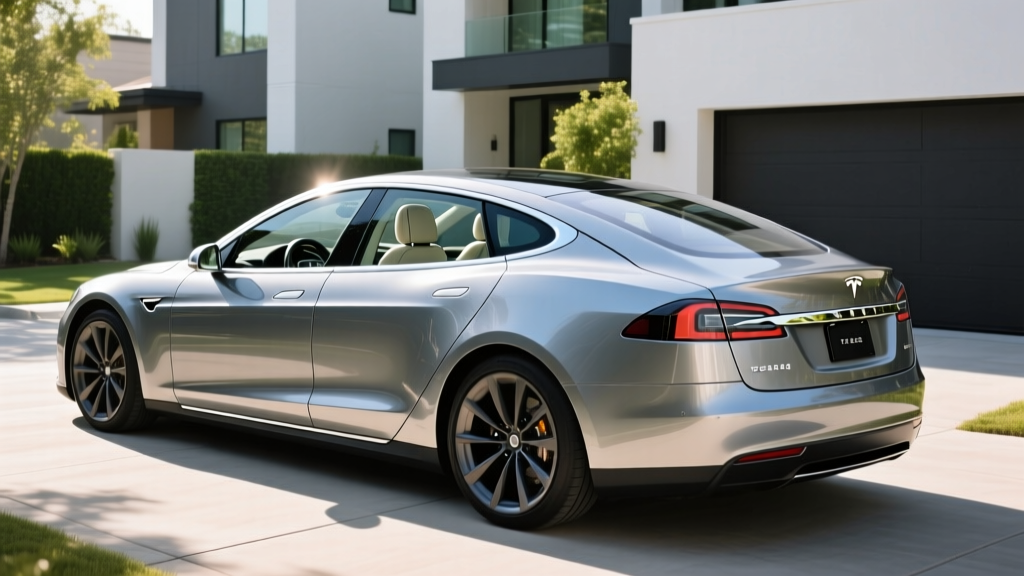
The Tesla Model S has been the benchmark luxury electric sedan for over a decade, but one of its most debated options is the rear-facing third-row seat that expands capacity to seven passengers. For 2026, the Model S continues to offer this $2,500 add-on — but is it a genuine family solution or a marketing checkbox? We break down the real-world practicality of the Model S 7-seat configuration alongside its class-leading range, charging performance, and ownership economics.
Quick Verdict: Who the Model S 7-Seat Is Really For
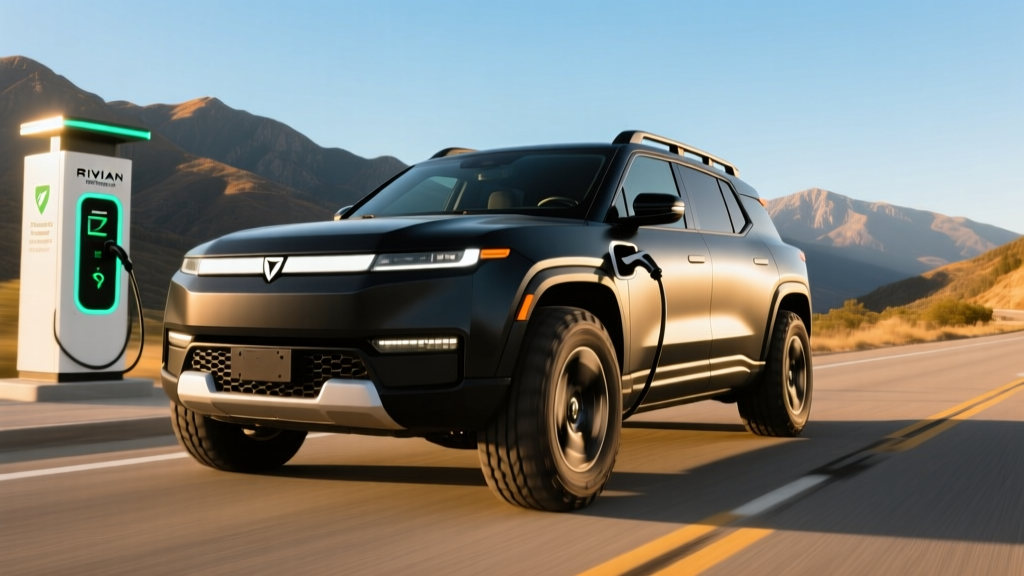
The Model S with the optional third row targets a narrow but real buyer: families who want a luxury EV sedan with occasional extra seating, not a full-time people hauler. The rear-facing jump seat is best suited for children or short trips, and it comes at the cost of cargo flexibility. If you regularly carry more than five passengers, a three-row SUV like the Model X, Rivian R1S, or Kia EV9 will serve you better. But if five seats cover 90% of your needs and you want the option for two more on school runs or weekend outings, the Model S 7-seat remains unique in the sedan segment.
Range, Battery & Efficiency: Still the Segment Leader
The 2026 Tesla Model S Long Range carries an EPA-estimated 402 miles of range — the highest of any production sedan sold in the U.S. This figure comes from a ~100 kWh usable battery pack using Tesla's latest 4680-architecture NMC (nickel-manganese-cobalt) cells, paired with a dual-motor all-wheel-drive powertrain.
EPA 402 miles is impressive, but real-world results depend heavily on conditions:
- Highway (70-80 mph): Expect ~330-360 miles. The Model S's low drag coefficient (0.208 Cd) helps, but sustained high speeds still reduce range 10-18%.
- Cold weather (below 32°F): Plan for ~280-320 miles. Tesla's heat pump mitigates cabin energy draw, but battery chemistry inherently loses capacity in freezing temperatures.
- City/commuter driving: You can approach or slightly exceed the EPA figure thanks to aggressive regenerative braking and low-speed efficiency.
Efficiency is rated at 124 MPGe combined (27 kWh/100 miles) according to fueleconomy.gov. That translates to roughly $0.04-$0.06 per mile on average U.S. residential electricity rates (~$0.16/kWh), making it one of the cheapest luxury vehicles to fuel regardless of powertrain.
| Spec | Value |
|---|---|
| EPA Range | 402 miles |
| Battery (usable) | ~100 kWh, NMC (4680 architecture) |
| Drivetrain | Dual-motor AWD |
| Horsepower | 670 hp |
| 0-60 mph | 3.1 seconds |
| Max DC Fast Charge | 250 kW (V3 Supercharger) |
| 10-80% DC Time | ~30 minutes |
| Level 2 Home Charging | 11.5 kW / ~34 mi/hr |
| Efficiency | 124 MPGe / 27 kWh/100mi |
| Base MSRP | $79,990 |
| 7-Seat Option | +$2,500 |
| Federal Tax Credit | Not eligible (MSRP exceeds §30D sedan cap) |
Charging Speed: 250 kW Peak, But Watch the Curve
The Model S Long Range supports up to 250 kW on Tesla's V3 Superchargers. Tesla claims 200 miles of range in 15 minutes under optimal conditions. In practice, the charge curve tells a more nuanced story:
| Level | Power | Speed (miles/hr) | Notes |
|---|---|---|---|
| Level 1 (120V) | ~1.4 kW | ~3-4 mi/hr | Emergency/trickle only |
| Level 2 (240V, 48A) | 11.5 kW | ~34 mi/hr | Full overnight charge in ~12 hrs |
| DC Fast (V3 Supercharger) | 250 kW peak | ~800 mi/hr peak | 10-80% in ~30 min |
| DC Fast (V4 Supercharger) | Up to 250 kW* | Similar to V3 | *Model S limited to 250 kW on V4 |
The 250 kW peak is only sustained roughly between 10-30% State of Charge (SoC). Above 50%, the rate tapers significantly — you might see 100-120 kW through the 50-80% window. This is standard for NMC chemistry at this battery size, but it means the full 10-80% session takes around 30 minutes rather than the theoretical minimum. Always precondition the battery via the car's navigation system before arriving at a Supercharger to achieve peak charge rates.
At home on a Wall Connector (48 amps / 11.5 kW), the Model S recovers about 34 miles of range per hour of charging. A full 0-100% charge takes roughly 10-12 hours. Most owners who plug in nightly never need to think about charging time — the car is always full by morning.
The 7-Seat Third Row: Dimensions, Comfort & Trade-Offs
The optional third row ($2,500) consists of a rear-facing bench seat mounted in the cargo area. It's designed primarily for children or smaller passengers on shorter trips. Here's what you need to know:
- Third-row legroom: Approximately 26.0 inches — tight for adults, acceptable for kids under about 5'6".
- Third-row headroom: Adequate due to the sedan's sloping roofline being less restrictive in the rear cargo zone.
- Seat orientation: Rear-facing, which some children enjoy but can cause motion sickness in others.
- Cargo impact: With the third row deployed, remaining cargo space behind it drops to approximately 10 cubic feet. Fold the third row flat and you regain the standard 28 cubic feet of rear cargo space. The front trunk (frunk) adds another 5.3 cubic feet regardless of seating configuration.
- Total passenger volume: Approximately 94 cubic feet with five seats in use.
- Safety: The third-row seats include lap-and-shoulder belts. However, NHTSA crash testing for the Model S was conducted in the five-seat configuration; third-row occupant protection data is more limited.
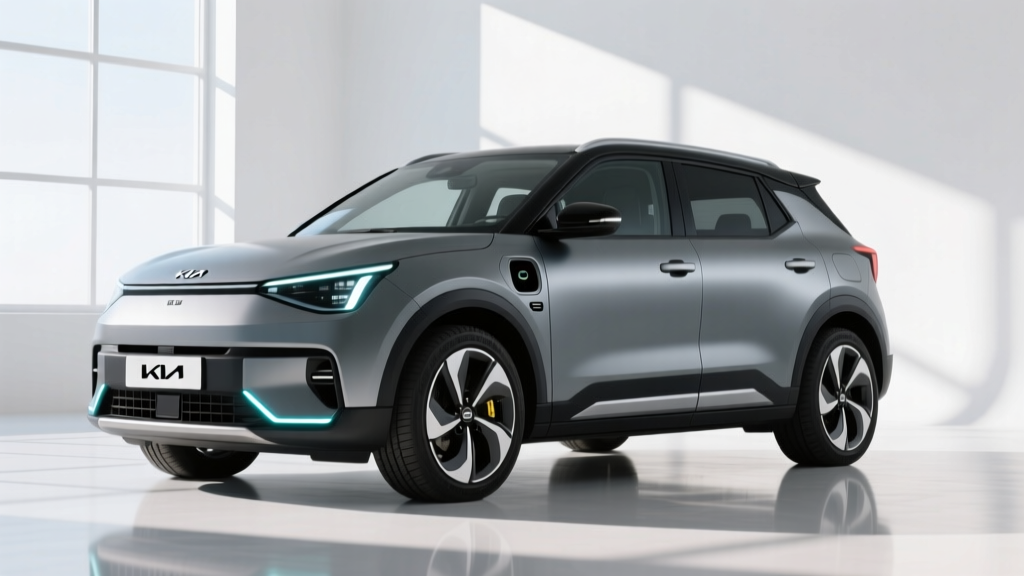
For context, a Kia EV9's genuine third row offers ~32 inches of legroom and is designed for full-size adults. The Model S third row is a supplemental solution, not a minivan replacement.
Performance, Tech & Driver Assistance
The Model S Long Range dual-motor powertrain produces 670 horsepower and rockets to 60 mph in 3.1 seconds — supercar territory in a seven-seat luxury sedan. The Plaid variant (not available with the 7-seat option) pushes 1,020 hp and a 1.99-second 0-60, but remains a five-seater only.
Technology highlights include:
- 17-inch center touchscreen with gaming-capable hardware (up to 10 teraflops)
- 22-speaker audio system with active noise cancellation
- Yoke or round steering wheel (buyer's choice at no extra cost)
- Over-the-air updates that continue to add features years after purchase
- Autopilot standard: Includes adaptive cruise, lane centering, and automatic emergency braking
- Full Self-Driving (Supervised): $8,000 option or $99/month subscription — adds automated lane changes, Navigate on Autopilot, and city street driving capability
Tesla Autopilot and FSD (Supervised) are SAE Level 2 driver-assistance systems. The driver must remain fully attentive, keep hands on the wheel (or demonstrate engagement), and be prepared to take over instantly. These are not self-driving systems. Only Level 4 services like Waymo operate without a human driver in defined geographic zones.
Notable drawbacks include the lack of traditional physical controls (even the glovebox opens via the screen), limited rear-seat USB-C placement for a vehicle at this price, and panel-gap consistency that still trails German luxury rivals.
Pricing, Trims & Federal Tax Credit Eligibility
The 2026 Model S lineup is straightforward:
| Trim | MSRP | 7-Seat Available? | §30D Credit Eligible? |
|---|---|---|---|
| Long Range AWD | $79,990 | Yes (+$2,500) | No |
| Plaid (Tri-Motor) | $94,990 | No | No |
| Long Range + 7-Seat (as tested) | $82,490 | — | No |
Federal tax credit reality: The Model S does not qualify for the IRS §30D Clean Vehicle Credit. The federal credit applies a manufacturer's suggested retail price (MSRP) cap of $55,000 for sedans. At $79,990, the Model S exceeds this limit by a wide margin. Additionally, buyer income caps ($150,000 single / $300,000 joint modified AGI) and battery critical-mineral sourcing requirements would apply even if the price were eligible. The point-of-sale transfer option is also irrelevant here.
Some states offer their own EV incentives that may apply regardless of MSRP — check your state's energy or DMV website for current programs. California's CVRP rebate, for example, has its own income and price criteria that change annually.
Warranty, Ownership Costs & Long-Term Outlook
Tesla provides the following warranty coverage for the 2026 Model S:
- Basic vehicle: 4 years / 50,000 miles
- Battery & drive unit: 8 years / 150,000 miles (whichever comes first), with a minimum 70% capacity retention threshold over the warranty period
The 8-year/150,000-mile battery warranty is competitive with the luxury EV segment. Real-world data from Tesla's fleet suggests the latest NMC packs degrade approximately 10-12% over 150,000 miles — meaning most owners will retain well above the 70% warranty threshold. Battery replacement outside warranty currently runs $15,000-$22,000 depending on pack configuration, though prices have trended downward as 4680 cell production scales.
Insurance premiums for the Model S remain elevated — expect $2,800-$4,200 annually depending on your state, driving record, and coverage level. This is roughly 30-50% higher than comparable ICE luxury sedans, driven by high repair costs for the aluminum-intensive body and battery.
Model S 7-Seat vs. Competitors: What Else Should You Consider?
If seven seats are a genuine priority, you have alternatives worth cross-shopping:
| Vehicle | EPA Range | 3rd-Row Type | Starting MSRP | §30D Credit |
|---|---|---|---|---|
| Tesla Model S (7-seat opt.) | 402 mi | Rear-facing jump seat | $82,490 | No |
| Tesla Model X | 348 mi | Forward-facing full seat | $84,990 | No (SUV cap $80K) |
| Kia EV9 (3-row SUV) | 304 mi | Forward-facing full seat | $54,900 | Yes (select trims) |
| Rivian R1S (Dual-Motor) | 352 mi | Forward-facing full seat | $75,900 | Yes (select configs) |
The Model S wins decisively on range and efficiency. It loses on third-row usability and price-to-credit ratio. If your third row needs to carry teenagers or adults regularly, the Model X, EV9, or R1S are meaningfully better choices.
Pros & Cons
- Class-leading 402-mile EPA range
- Supercharger network access (most reliable DC network in the U.S.)
- Supercar-level acceleration in a practical sedan
- Low cost per mile for electricity (~$0.05/mi)
- Continual OTA updates add value over time
- Only luxury sedan offering any form of 7-seat capacity
- Third row is cramped, rear-facing, and child-only practical
- No federal tax credit eligibility (MSRP cap)
- High insurance premiums ($2,800-$4,200/yr)
- Limited physical controls — everything through the screen
- Panel gaps and interior trim lag behind BMW/Mercedes at this price
- 250 kW peak DC charge rate trails 800V rivals (Hyundai Ioniq 5, Porsche Taycan)
Frequently Asked Questions
What is the real-world range of the Tesla Model S with the 7-seat option?
The 7-seat option does not change the vehicle's battery or aerodynamics, so range remains the same as the standard Model S Long Range: EPA-estimated 402 miles. In real-world highway driving at 75 mph, expect approximately 330-360 miles. In cold weather (below freezing), plan for 280-320 miles.
How fast does the Model S charge at home and on the road?
At home on a Tesla Wall Connector (Level 2, 11.5 kW), the Model S adds approximately 34 miles of range per hour — a full charge takes about 10-12 hours. On a V3 Supercharger (DC fast charging), it peaks at 250 kW and charges from 10-80% in approximately 30 minutes. The charge rate tapers significantly above 50% SoC.
Does the Tesla Model S qualify for the $7,500 federal EV tax credit?
No. Under current IRS §30D rules, the federal Clean Vehicle Credit applies an MSRP cap of $55,000 for sedans. The Model S starts at $79,990, well above this threshold. Buyer income limits and battery-sourcing requirements are additional barriers. Some state-level incentives may still apply — check your local program.
Is the Model S 7-seat worth it vs. a Model X or three-row SUV?
If you need a third row for occasional child transport and prioritize maximum range and sedan driving dynamics, the Model S 7-seat is a unique option. If you need a third row for teenagers, adults, or frequent use, the Model X, Kia EV9, or Rivian R1S offer forward-facing, full-size third rows with far more practicality — at similar or lower prices.
Can adults fit in the Model S third row?
Technically yes, but not comfortably. With approximately 26 inches of legroom and a rear-facing orientation, the third row is best suited for children under about 5'6" or very short trips. Adults will find it cramped and disorienting for anything beyond a quick ride.
What's the total cost of ownership over 5 years?
Assuming 15,000 miles/year, residential electricity at $0.16/kWh, and no tax credit, estimated 5-year fuel cost is roughly $4,500 (compared to ~$12,000 for a comparable gas luxury sedan at 22 MPG and $3.50/gallon). However, higher insurance ($3,500/yr average), no federal credit, and premium tire costs offset some of the fuel savings. Total 5-year ownership is competitive with a BMW 5 Series or Mercedes E-Class when fuel savings are factored in, but the upfront price premium remains significant.