The Tesla Model S 3rd Row: Quick Verdict
The rear-facing third-row jump seat in the Tesla Model S is one of the most misunderstood options in the EV market. Priced at roughly $2,000 when available, it turns a five-passenger luxury sedan into a seven-seater — on paper. In practice, the third row is best understood as a child-only occasional seat that trades meaningful cargo space for emergency capacity. If you regularly need to haul more than five people, a three-row SUV like the Model X or Rivian R1S is a far better fit. But for families who need a fifth or sixth seat a handful of times per year, the jump seat can justify its existence.
Below, we break down the full 2026 Tesla Model S — range, charging, performance, pricing, tax credit eligibility, and exactly what you give up when you spec the third row.
Range, Efficiency, and the Real-World Reality Check
EPA Estimated Range: 402 miles (Long Range AWD, 19-inch wheels)
Real-World Expectation: Plan for ~330–350 miles on sustained highway driving at 70–75 mph. In cold weather (below 32°F), expect a 15–25% reduction, landing around 280–310 miles depending on cabin heating and terrain. The 402-mile sticker assumes mixed city/highway driving in moderate temperatures.
The Long Range AWD Model S uses a ~100 kWh (usable) battery pack with NMC (nickel manganese cobalt) chemistry, which offers higher energy density than LFP but requires more careful charging habits — Tesla recommends daily charging to 80–90% for NMC packs and 100% only for long trips.
Efficiency lands at 124 MPGe combined per the EPA, translating to roughly 30 kWh per 100 miles. That's among the most efficient vehicles in its class, though the third-row option adds approximately 40–50 lbs of weight, which has a negligible effect on range (roughly 2–4 miles over a full charge).
| Spec | Value |
|---|---|
| EPA Range | 402 miles (19" wheels) |
| Battery (usable) | ~100 kWh, NMC chemistry |
| Efficiency | 124 MPGe / 30 kWh/100mi |
| Peak DC Fast Charge | 250 kW (V3 Supercharger) |
| 10–80% DC Charge Time | ~28 minutes |
| Level 2 Home Charge Rate | 11.5 kW (~34 mi/hr) |
| 0–60 mph | 3.1 seconds |
| Horsepower | 670 hp (dual motor AWD) |
| Drivetrain | Dual Motor AWD |
| Cargo (behind 2nd row) | 28 cu ft (seats up) / 71 cu ft (seats folded) |
| Cargo (with 3rd row option) | ~22 cu ft (3rd row up) / ~26 cu ft (3rd row folded) |
| Battery Warranty | 8 years / 150,000 miles (70% retention) |
| Base MSRP | $74,990 |
Charging Speed: Supercharger Network and Home Setup
The Model S Long Range peaks at 250 kW on a V3 Supercharger, reaching 10–80% in approximately 28 minutes. However, as with all EVs, the charge curve tapers significantly above 80%. That final 20% can take an additional 18–22 minutes, which is why Tesla's navigation system typically recommends charging only to what you need for the next leg of a trip.
| Charging Level | Power (kW) | Miles Added per Hour | Notes |
|---|---|---|---|
| Level 1 (120V outlet) | ~1.4 kW | ~4–5 mi/hr | Emergency/trickle only |
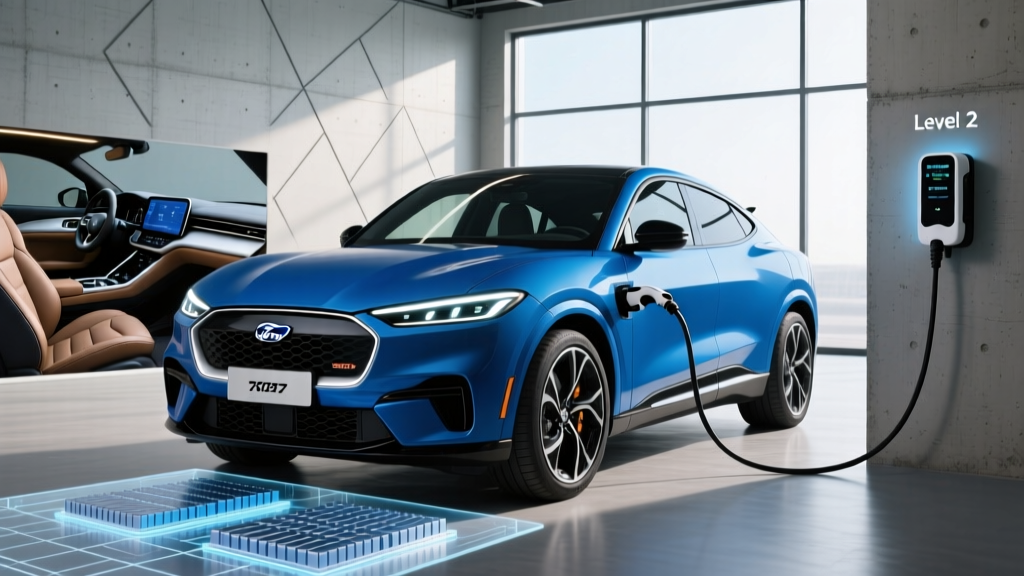
| Level 2 (240V, 48A Wall Connector) | 11.5 kW | ~34 mi/hr | Full overnight charge in ~9 hrs |
| DC Fast (V3 Supercharger) | 250 kW peak | ~200 mi in 15 min | 10–80% in ~28 min; tapers above 80% |
For home charging, the Tesla Wall Connector on a 60-amp circuit (48 amps continuous) delivers 11.5 kW — enough to replenish the full pack overnight. Installation typically costs $800–$2,500 depending on panel proximity and whether your home needs a 200-amp service upgrade. Always get a quote from a licensed electrician before purchasing equipment.
Access to the Tesla Supercharger network remains a key ownership advantage. With over 6,000 V3 and V4 stalls across North America, the network consistently ranks highest in reliability among public charging providers.
The 3rd-Row Jump Seat: Who Actually Fits Back There?
Let's be direct: the Model S third row is a rear-facing jump seat designed for children, and it shows. Here's what you need to know before checking the option box.
- Seating capacity: Two small passengers (Tesla historically rates it for children up to approximately 5'0" tall and 75 lbs)
- Legroom: Roughly 24–26 inches — tight even for young kids on longer trips
- Headroom: Compromised by the sloping roofline; older children will feel enclosed
- Access: The second-row seats fold and tilt forward; entry requires some agility
- Cargo trade-off: With the third row deployed, trunk space drops from ~28 cu ft to roughly 22 cu ft — you'll lose room for a full stroller or multiple suitcases
- Visibility: Rear-facing occupants look out the back glass, which can cause motion sickness in some children
For context, a dedicated three-row SUV like the Tesla Model X offers genuine adult-capable third-row seating with ~35 inches of legroom, plus a larger 92 cu ft of maximum cargo space. The Model X starts around $79,990 — only $5,000 more — and is the vehicle Tesla designed for true seven-passenger use.
The Model S jump seat makes sense if you need a sixth seat maybe 10–15 times a year for carpools, playdates, or short trips with a young relative. It does not make sense as a daily seven-passenger solution.
Performance, Tech, and Daily Driving
The Long Range AWD Model S delivers 670 horsepower from its dual-motor setup, rocketing to 60 mph in 3.1 seconds. That's supercar territory from a sedan that can seat up to seven (technically). The Plaid variant, starting at $89,990, pushes 1,020 hp and a 1.99-second 0–60, though it does not offer the third-row option.
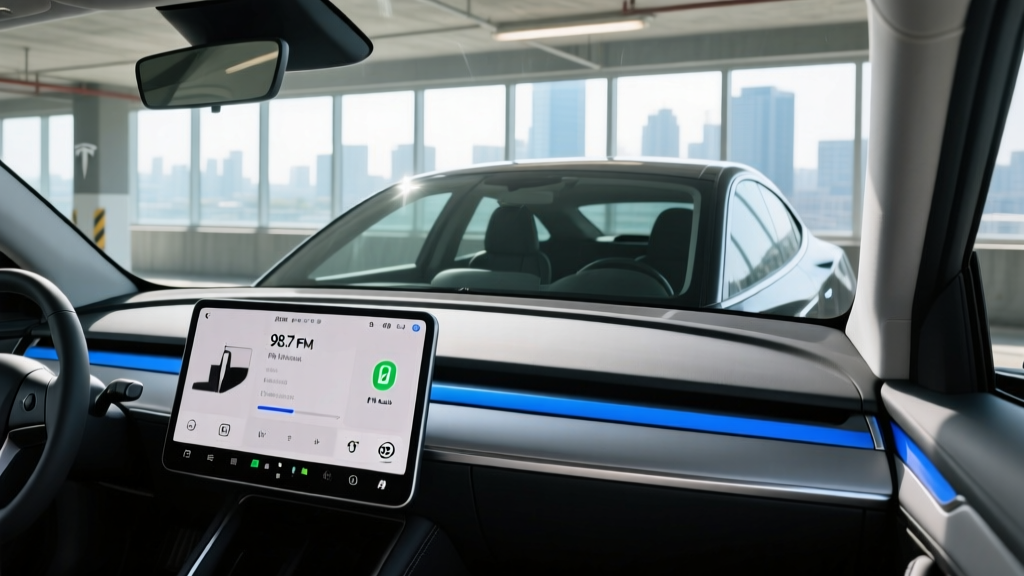
On the tech front, the 17-inch center touchscreen running Tesla's latest software remains one of the most responsive infotainment systems available. Wireless phone mirroring, a 22-speaker audio system, and rear-seat entertainment via a secondary 8-inch display are all included. Over-the-air updates continue to add features years after purchase.
Driver assistance comes via Autopilot (included) and optional Full Self-Driving (Supervised) at $8,000 (or $99/month). Both are SAE Level 2 systems — the driver must remain fully attentive with hands on the wheel and eyes on the road at all times. This is not autonomous driving; it's advanced cruise control with lane-centering.
⚠️ Autopilot/FSD Limitation Warning: Tesla's Autopilot and FSD (Supervised) are Level 2 driver-assist systems per SAE classification. They do NOT make the car self-driving. You must keep your hands on the steering wheel, monitor the road, and be prepared to take over instantly. FSD (Supervised) can navigate highway on-ramps, stop signs, and some city streets, but it makes errors and requires constant supervision.
Pricing, Tax Credits, and Total Cost
| Trim | Base MSRP | 3rd-Row Option | Federal §30D Credit Eligible? |
|---|---|---|---|
| Long Range AWD | $74,990 | +~$2,000 (when available) | No — exceeds $55,000 sedan MSRP cap |
| Plaid | $89,990 | Not available | No — exceeds MSRP cap |
Here's the tax credit reality for the Model S: under current IRS §30D rules, the federal EV tax credit of up to $7,500 applies only to sedans with an MSRP of $55,000 or less (and SUVs/trucks up to $80,000). The Model S, classified as a sedan, far exceeds that cap. No Model S variant qualifies for the federal purchase credit.
Additionally, buyer income caps apply (§30D phases out at $300,000 MAGI for joint filers, $150,000 for single filers), and battery-sourcing/critical-mineral requirements further restrict eligibility even for qualifying models. Always consult a tax professional for your specific situation, as rules are subject to legislative change.
You may still benefit from state-level incentives (check your local DMV or energy office), utility rebates for home charger installation, and reduced fueling costs. At national average electricity rates of ~$0.16/kWh, fully charging the Model S costs roughly $16 — versus $55–$65 to fill a comparable gas sedan at $3.50/gallon.
Pros, Cons, and the Competition
Pros
- 402-mile EPA range — among the longest of any production EV
- 250 kW Supercharger access with best-in-class public charging network
- 3.1-second 0–60 with dual-motor AWD confidence in all weather
- Strong over-the-air update track record keeps software current
- 150,000-mile battery warranty (8 years, 70% retention threshold)
- 3rd row adds occasional capacity without switching to an SUV
Cons
- 3rd row is child-only — cramped, rear-facing, and compromises cargo
- No federal tax credit eligibility (MSRP exceeds $55K sedan cap)
- NMC battery chemistry requires 80–90% daily charge limit for longevity
- Aging exterior design (current generation debuted 2021 refresh)
- Panel gaps and interior material quality still lag German competitors
- FSD (Supervised) costs $8,000 extra and remains Level 2 — not autonomous
Key competitors to cross-shop:
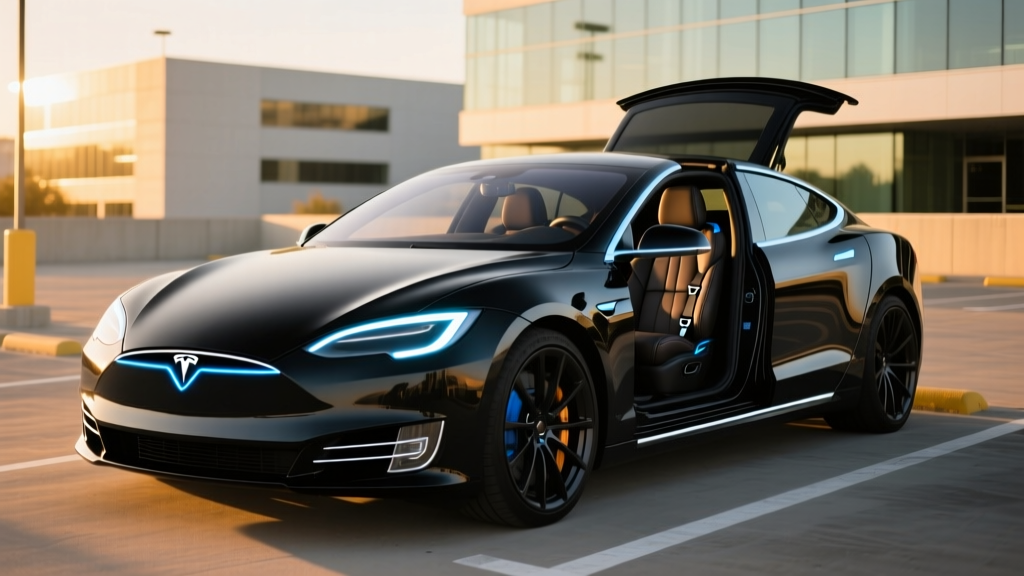
- Tesla Model X ($79,990): True 7-seat SUV with adult-capable 3rd row, falcon-wing doors, 335-mile range. The obvious alternative if seating is the priority.
- BMW i7 xDrive50 ($120,300): Luxury flagship sedan — no 3rd row, but vastly superior interior quality and comfort. 318-mile range.
- Lucid Air Grand Touring ($125,600): 516-mile EPA range, exceptional efficiency, but strictly five-passenger.
- Mercedes EQS 450+ ($104,400): 352-mile range, opulent interior, no third row available.
- Rivian R1S ($75,900): Three-row electric SUV with genuine off-road capability and 352-mile range. Qualifies for the federal credit (SUV MSRP cap of $80K).
Choose the Model S with 3rd-row jump seat if: You primarily want a fast, long-range luxury sedan and only need a 6th/7th seat a few times per year for small children. You have home charging and value Supercharger network access for road trips.
Choose the Model X or Rivian R1S instead if: You regularly carry more than five passengers, need adult-sized third-row seating, or want maximum cargo flexibility. The R1S also qualifies for the $7,500 federal credit.
Skip the 3rd-row option if: You never carry more than five people — you'll save $2,000 and retain an additional 6 cu ft of cargo space.
Battery Longevity and Warranty Coverage
Tesla covers the Model S battery and drive unit for 8 years or 150,000 miles, whichever comes first, with a minimum 70% capacity retention guarantee. If the battery degrades below 70% of its original capacity within that window, Tesla will repair or replace it at no cost.
Real-world degradation data from fleet monitoring services like Teslanomics suggests most Model S packs lose roughly 8–12% capacity over the first 100,000 miles, with the curve flattening significantly afterward. NMC packs benefit from avoiding routine 100% charges — set your daily limit to 80–90% and charge to full only before road trips.
Out-of-warranty battery replacement for the Model S currently ranges from $13,000 to $18,000 depending on the pack configuration and labor. This is a meaningful long-term ownership cost to budget for, though most packs outlast 200,000 miles before falling below the 70% threshold.
Frequently Asked Questions
What is the real-world range of the Tesla Model S with the 3rd-row option?
The third-row option adds roughly 40–50 lbs and has a negligible impact on range — maybe 2–4 miles over a full charge. You'll still see approximately 330–350 real-world highway miles and 280–310 miles in cold weather, same as the standard Model S Long Range.
How fast does the Model S charge at home and on the road?
On a V3 Supercharger, it peaks at 250 kW and charges from 10–80% in about 28 minutes. At home on a Level 2 Wall Connector (11.5 kW), you'll add roughly 34 miles per hour — a full charge takes about 9 hours overnight.
Does the Tesla Model S qualify for the $7,500 federal EV tax credit?
No. Under current IRS §30D rules, the Model S is classified as a sedan and exceeds the $55,000 MSRP cap. Neither the Long Range nor the Plaid qualifies. Check IRS.gov for the latest eligibility rules, as legislation can change.
Is the Model S 3rd row safe for children?
The rear-facing jump seat includes a 3-point harness and is rated for children up to approximately 75 lbs. It meets FMVSS safety standards. However, rear-facing seating can increase motion sickness risk, and the space is very tight — it's best for short trips with young children, not extended highway drives.
Should I buy the Model S or Model X for a family of six?
If you regularly transport six or seven people, the Model X is the better choice — its third row fits adults, offers more cargo space, and costs only ~$5,000 more. The Model S jump seat is an occasional-use compromise, not a daily family solution.
What's the biggest drawback of the Model S in 2026?
The aging design is the primary concern. The current generation received a refresh in 2021 but traces its platform to 2012. Interior material quality, panel consistency, and rear-seat comfort lag behind newer competitors like the Lucid Air and BMW i7. If Tesla announces a next-generation Model S, early adopters may face accelerated depreciation on the current model.