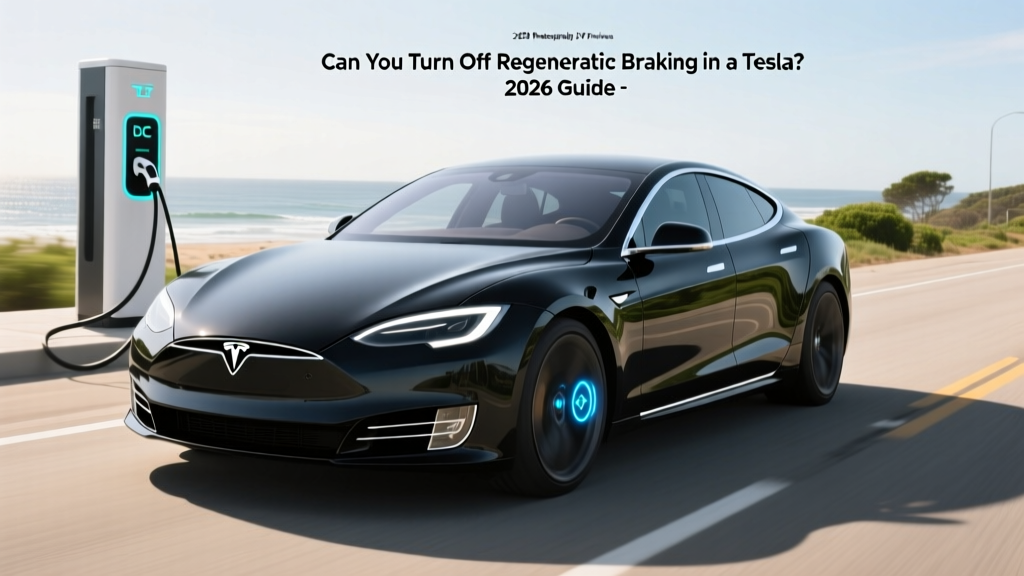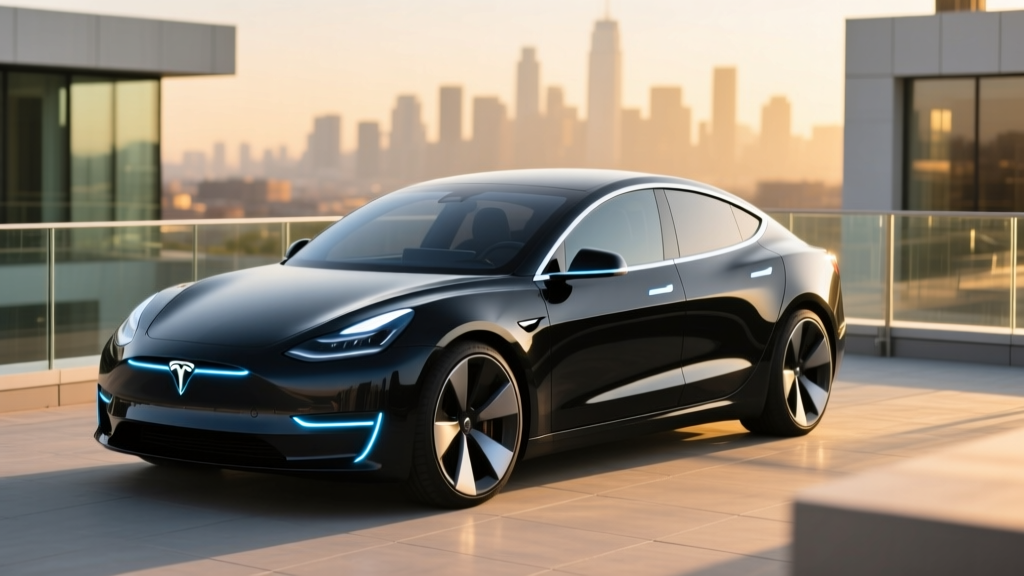
Tesla's lineup has expanded again, and the 2026 Tesla Model M arrives as the brand's entry into the compact electric crossover segment — a space dominated by the Volvo EX30, Hyundai Kona Electric, and Mini Countryman SE. Positioned below the Model Y in both footprint and price, the Model M aims to deliver Tesla's software and Supercharger ecosystem in a more urban-friendly package. After reviewing the official specs and early fleet data, here's everything buyers need to know before putting down a deposit.
2026 Tesla Model M: Core Specifications at a Glance
| Spec | Model M RWD (Base) | Model M Long Range AWD |
|---|---|---|
| EPA Range | 265 miles | 312 miles |
| Battery (usable) | 60 kWh (LFP) | 78 kWh (NMC) |
| Drivetrain | Rear-Wheel Drive | Dual-Motor AWD |
| Horsepower | 283 hp | 384 hp |
| 0–60 mph | 5.8 seconds | 4.2 seconds |
| Peak DC Fast Charge | 170 kW | 225 kW |
| 10–80% DCFC Time | ~28 minutes | ~22 minutes |
| Level 2 Home Charging | 11.5 kW (~37 mi/hr) | 11.5 kW (~44 mi/hr) |
| MPGe (combined) | 124 MPGe | 118 MPGe |
| Energy Consumption | 27 kWh/100 mi | 29 kWh/100 mi |
| Cargo Volume (rear seats up) | 24.1 cu ft | 24.1 cu ft |
| Cargo Volume (rear seats folded) | 56.3 cu ft | 56.3 cu ft |
| Rear Legroom | 36.2 inches | 36.2 inches |
| Base MSRP | $38,990 | $46,490 |
| Battery Warranty | 8 yr / 100,000 mi | 8 yr / 120,000 mi |
Real-World Range: What the EPA Sticker Doesn't Tell You
Tesla's LFP battery in the RWD trim is notably more resilient to regular 100% charging, meaning daily commuters can charge to full without the accelerated degradation concerns of NMC packs. The Long Range's NMC chemistry offers higher energy density but benefits from daily charge limits of 80–90% for optimal longevity. Both trims include Tesla's battery preconditioning, which warms the pack when navigating to a Supercharger — essential for achieving peak charge rates in cooler weather.
Charging Speed: DC Fast Charging and Home Setup
Charging remains a make-or-break factor for EV satisfaction, and the Model M leverages Tesla's native NACS connector and full Supercharger network access — still the most reliable public charging ecosystem in the U.S.
| Charging Level | Power | RWD (mi/hr added) | Long Range AWD (mi/hr added) |
|---|---|---|---|
| Level 1 (120V standard outlet) | ~1.4 kW | ~4 mi/hr | ~5 mi/hr |
| Level 2 (240V home, 48A) | 11.5 kW | ~37 mi/hr | ~44 mi/hr |
| DC Fast Charge (peak) | 170 kW (RWD) / 225 kW (LR) | ~520 mi/hr (peak) | ~650 mi/hr (peak) |
The RWD's 170 kW peak is respectable for a 60 kWh LFP pack, but the charge curve tapers noticeably above 65% state of charge. The 10–80% session takes approximately 28 minutes at a V3 Supercharger (250 kW capable). The Long Range AWD, with its 225 kW peak, sustains higher power deeper into the curve, completing 10–80% in roughly 22 minutes. This difference matters on road trips: a 300-mile journey in the Long Range requires one ~20-minute stop, while the RWD may need a slightly longer stop or an additional brief top-up depending on terrain and climate use.
For home charging, a Level 2 Wall Connector installed on a 60-amp circuit delivers the full 11.5 kW (48 amps continuous), replenishing the RWD from empty in about 5.5 hours and the Long Range in roughly 7 hours. Installation costs for a Level 2 home setup typically range from $800 to $2,500 depending on panel proximity and whether a service upgrade from 100A to 200A is needed — a factor buyers in older homes should budget for. According to fueleconomy.gov, the Model M RWD's 27 kWh/100 mi efficiency translates to roughly $0.04–$0.06 per mile on residential electricity rates, compared to $0.12–$0.16 per mile for a comparable gas crossover at $3.50/gallon.
Performance and Driving Dynamics
The base RWD Model M's 283 horsepower and 5.8-second 0–60 time place it squarely in the hot-hatch-crossover territory — quick enough for confident highway merging and entertaining on back roads. The Long Range AWD's dual-motor setup pushes 384 hp and a 4.2-second sprint, which outpaces most competitors in this price bracket, including the Volvo EX30 Twin Motor (4.4 seconds) and the Hyundai Kona Electric (6.9 seconds).
Tesla's regenerative braking offers adjustable intensity through the touchscreen, though true one-pedal driving requires the "High" regen setting and some adaptation. The Model M's relatively low curb weight (estimated ~3,900 lbs for RWD) contributes to its strong efficiency figures and agile handling. The steering is quick and direct, though some drivers find Tesla's default steering feel overly light and somewhat detached — a common criticism across the Tesla lineup that the Model M inherits without resolving.
Pricing, Trims, and Federal Tax Credit Eligibility
| Trim | Base MSRP | Est. Federal Credit (§30D) | Effective Price (before state incentives) |
|---|---|---|---|
| Model M RWD | $38,990 | Up to $7,500* | ~$31,490 |
| Model M Long Range AWD | $46,490 | Up to $7,500* | ~$38,990 |
*Federal tax credit eligibility under IRS §30D is subject to multiple requirements that change periodically. As of the 2026 tax year, key criteria include:
- MSRP Cap: SUVs/crossovers must have an MSRP at or below $80,000 (both Model M trims qualify).
- Buyer Income Cap: Modified adjusted gross income must not exceed $150,000 (single), $225,000 (head of household), or $300,000 (joint filers).
- Battery Sourcing: The full $7,500 credit requires meeting both critical-mineral and battery-component sourcing thresholds set by the IRS. Vehicles that meet only one threshold qualify for $3,750. Tesla's domestic battery production has historically positioned its vehicles well, but specific mineral-sourcing compliance varies by production batch. Buyers should verify eligibility at irs.gov or consult a tax professional before purchase.
- Point-of-Sale Transfer: The §30D credit can be transferred to the dealer at purchase, reducing the upfront cost immediately rather than waiting for a tax refund.
The base RWD at an effective ~$31,490 (after full credit) undercuts most compact electric crossovers significantly. However, buyers should factor in Tesla's mandatory destination fee (~$1,390), potential paint and wheel upgrades, and insurance premiums that tend to run 15–25% higher than comparable gas vehicles according to industry data.
Interior, Cargo, and Technology
The Model M's cabin follows Tesla's minimalist playbook: a single 15.4-inch center touchscreen handles all infotainment, climate, and vehicle settings with no physical instrument cluster. Build quality on the 2026 Model M shows continued improvement over earlier Tesla vehicles, with tighter panel gaps and upgraded soft-touch materials on the dashboard and door panels. That said, the absence of a head-up display, physical climate controls, and Apple CarPlay/Android Auto remains a sticking point for some buyers — Tesla's proprietary infotainment ecosystem is robust but insular.
Cargo space measures 24.1 cubic feet behind the rear seats and 56.3 cubic feet with the 60/40 split rear seats folded — competitive with the Kona Electric (25.5 / 63.7 cu ft) but slightly less than the Model Y (30.2 / 72.1 cu ft). A modest front trunk (frunk) adds approximately 3.2 cubic feet for charging cables or a small bag. Rear legroom of 36.2 inches is adequate for adults on shorter trips but tighter than the Model Y's 41.6 inches, making the Model M better suited for couples or small families than those regularly hauling rear-seat passengers.
Standard technology includes Tesla's Basic Autopilot (adaptive cruise control and lane centering — an SAE Level 2 driver-assist system requiring full driver engagement), over-the-air software updates, a built-in dashcam, Sentry Mode parking surveillance, and Tesla's phone-as-key functionality. Full Self-Driving (Supervised) remains a $8,000 option or $99/month subscription, though it remains a Level 2 system despite the name — the driver must maintain active supervision at all times.
Pros and Cons: The Honest Assessment
Pros
- Access to Tesla Supercharger network — the most reliable and extensive DC fast-charging system in the U.S.
- Class-leading efficiency (27 kWh/100 mi RWD) keeps per-mile costs low
- LFP battery on RWD allows routine 100% charging without degradation anxiety
- Strong performance even in base trim (5.8s 0–60)
- Competitive pricing after federal tax credit — ~$31,490 effective for RWD
- Continuous OTA updates add features post-purchase
Cons
- Rear legroom (36.2 in) is tight for taller passengers on longer trips
- No Apple CarPlay or Android Auto support
- All controls via touchscreen — no physical buttons for climate or volume
- Insurance premiums tend to run higher than segment average
- RWD range (265 mi EPA, ~220 real-world highway) limits road-trip convenience vs. Long Range
- FSD (Supervised) is expensive ($8,000) and remains Level 2 despite the name
Who Should Buy the 2026 Tesla Model M?
Choose the Model M RWD if: You're a daily commuter with home charging access, your round-trip commute is under 100 miles, you want the lowest entry price into Tesla's ecosystem, and you rarely take road trips exceeding 200 miles one-way. The LFP battery's tolerance for daily 100% charging makes this trim ideal for predictable routine use.
Choose the Model M Long Range AWD if: You take regular road trips, live in a region with harsh winters (AWD traction plus a larger buffer for cold-weather range loss), frequently carry rear-seat passengers who appreciate the extra range for climate-heavy driving, or simply want the performance upgrade and faster DC charging.
Look elsewhere if: You regularly transport four adults (the Model Y or a midsize SUV offers meaningfully more rear space), you depend on Apple CarPlay for navigation and music, or you live in an area without reliable access to Level 2 home or workplace charging — the Model M's smaller battery means public Level 1 charging is impractically slow for daily use.
How the Model M Stacks Up Against Key Competitors
In the compact electric crossover segment, the Model M's closest rivals include the Hyundai Kona Electric, Volvo EX30, and Mini Countryman SE. The Kona Electric offers more cargo space and CarPlay but charges slower (peak ~100 kW) and lacks Supercharger access (though Hyundai's partnership with Tesla for NACS adapters mitigates this). The Volvo EX30 is stylish and well-built but has drawn criticism for its rear-seat packaging and reliance on touchscreen controls similar to Tesla's approach. The Mini Countryman SE offers a more traditional interior with physical controls but carries a higher starting price and shorter range.
The Model M's decisive advantage remains the Supercharger network. While other automakers are gaining NACS adapter access to Tesla's chargers, native Tesla vehicles still benefit from seamless plug-and-charge functionality, real-time stall availability in the navigation system, and automatic billing — a frictionless experience that adapters and third-party networks haven't fully matched as of 2026.
Frequently Asked Questions
What is the real-world range of the 2026 Tesla Model M?
The RWD trim delivers approximately 220–240 miles in mixed real-world driving (EPA rated 265 mi). The Long Range AWD nets roughly 265–285 miles (EPA rated 312 mi). Highway driving above 75 mph and cold weather below freezing each reduce range by 15–25%.
How fast does the Model M charge at home and on the road?
At home on a Level 2 (240V, 48A) charger, the Model M adds approximately 37–44 miles of range per hour, fully charging overnight. On a Tesla V3 Supercharger, the RWD peaks at 170 kW (10–80% in ~28 minutes) and the Long Range peaks at 225 kW (10–80% in ~22 minutes).
How much does the Tesla Model M cost after federal tax credits?
The base RWD starts at $38,990 MSRP and may qualify for up to $7,500 in federal §30D tax credits, bringing the effective price to approximately $31,490 — subject to buyer income limits, battery sourcing compliance, and MSRP caps. Verify eligibility at irs.gov before purchasing.
Does the 2026 Tesla Model M qualify for the federal EV tax credit?
Both trims fall under the $80,000 MSRP cap for SUVs/crossovers. Eligibility for the full $7,500 depends on the buyer's income (under $150K single / $300K joint), the vehicle's battery-component and critical-mineral sourcing compliance, and purchasing through an authorized channel. The credit can be applied at point of sale. Confirm current-year rules at irs.gov.
Is the Tesla Model M worth buying vs. the competition?
If Supercharger access, software integration, and strong efficiency are your priorities, the Model M is the segment benchmark. If rear-seat space, physical controls, or CarPlay are dealbreakers, the Hyundai Kona Electric or Volvo EX30 may serve you better. Test-drive both before deciding.
What is the battery warranty on the Model M?
Tesla covers the RWD's LFP battery for 8 years or 100,000 miles (whichever comes first) with a minimum 70% capacity retention guarantee. The Long Range AWD's NMC battery is covered for 8 years or 120,000 miles under the same retention threshold. These warranties align with the industry standard established by NHTSA-referenced guidelines for EV battery coverage.