If you're shopping for a used Tesla Model 3, verifying a pre-order, or simply trying to confirm exactly what's under the floorboards of the sedan in your driveway, the Tesla Model 3 VIN (Vehicle Identification Number) is your single source of truth. Unlike spec sheets that can change mid-model-year, the 17-character VIN encodes the exact battery chemistry, motor configuration, restraint system, and factory where your car was built.
This guide decodes the Model 3 VIN character by character, then pairs that data with the full 2026 Tesla Model 3 spec profile — EPA range, real-world highway and cold-weather expectations, DC fast-charge speeds, Level 2 home charging, pricing, and IRS §30D federal tax credit eligibility. Whether you're cross-referencing a CPO listing or deciding between the RWD and Long Range AWD trims, you'll have the exact numbers to make an informed decision.
How to Read a Tesla Model 3 VIN
The 17-character VIN on any Tesla Model 3 follows the global ISO 3779 standard, but Tesla uses specific codes in positions 4 through 8 to denote the Model 3's unique configuration. You'll find the VIN on the driver-side dashboard (visible through the windshield), the driver-side door jamb sticker, and in the Tesla app under your vehicle's details.
VIN Character Breakdown for the Model 3
| Position | Meaning | Model 3 Example |
|---|---|---|
| 1-3 (WMI) | World Manufacturer Identifier | 5YJ = Tesla USA (Fremont); 7SA or 7G2 = Tesla Gigafactory Texas |
| 4 | Vehicle Type / Model Line | 3 = Model 3 |
| 5 | Body Type / Restraint System | Varies by year and seat-belt/airbag configuration |
| 6 | Motor / Drivetrain | Encodes RWD single-motor vs. Dual Motor AWD vs. Performance |
| 7 | Fuel Type / Battery Chemistry | Distinguishes LFP (lithium iron phosphate) vs. NMC (nickel manganese cobalt) |
| 8 | Trim / Gross Vehicle Weight Rating | Maps to Standard Range, Long Range, or Performance tier |
| 9 | Check Digit | Calculated validation character |
| 10 | Model Year | S = 2025; T = 2026 |
| 11 | Assembly Plant | F = Fremont, CA; C = Austin, TX (Giga Texas); G = Giga Berlin (EU models); L = Giga Shanghai (non-US) |
| 12-17 | Sequential Production Number | Unique serial — lower numbers = earlier in the model year build run |
2026 Tesla Model 3: Full Spec Profile
The current-generation Model 3 (internally called the "Highland" refresh introduced for the 2024 model year) carries into 2026 with three trims: the RWD base model, the Long Range AWD, and the Performance AWD. Below is the consolidated spec table.
| Spec | RWD (Base) | Long Range AWD | Performance AWD |
|---|---|---|---|
| EPA Range | 272 mi | 341 mi | 315 mi |
| Battery (usable) | ~60 kWh (LFP) | ~75 kWh (NMC) | ~75 kWh (NMC) |
| Drivetrain | Rear-Wheel Drive | Dual Motor AWD | Dual Motor AWD |
| Horsepower | 271 hp | 384 hp | 510 hp |
| 0-60 mph | 5.8 sec | 4.2 sec | 2.9 sec |
| Top Speed | 125 mph | 125 mph | 163 mph |
| Max DC Fast Charge | 170 kW | 250 kW | 250 kW |
| 10-80% DCFC Time | ~25 min | ~20 min | ~20 min |
| Level 2 (240V / 48A) | ~30 mi/hr | ~44 mi/hr | ~44 mi/hr |
| EPA Efficiency | 132 MPGe (25 kWh/100mi) | 131 MPGe (25 kWh/100mi) | 121 MPGe (28 kWh/100mi) |
| Cargo (trunk + frunk) | 23 cu ft total | 23 cu ft total | 23 cu ft total |
| Rear Legroom | 35.3 in | 35.3 in | 35.3 in |
| Base MSRP | $38,990 | $45,990 | $53,990 |
| Battery Warranty | 8 yr / 120,000 mi | 8 yr / 120,000 mi | 8 yr / 120,000 mi |
Source: fueleconomy.gov and Tesla's official spec pages. Prices reflect MSRP before destination; confirm current pricing at tesla.com.
Real-World Range: What the EPA Sticker Doesn't Tell You
The Model 3's efficiency is among the best in the EV segment — roughly 25 kWh per 100 miles for the Long Range — which means even with range compression, you're using less electricity per mile than heavier competitors. The heat pump (standard on all trims since the 2021 refresh) recovers waste heat from the drivetrain to warm the cabin, mitigating some cold-weather penalty compared to older resistance-heater EVs.
For the RWD trim with its 272-mile EPA rating, real-world highway range settles around 220-240 miles in mild weather. That's sufficient for most daily commutes with home charging, but road trips in the RWD require more strategic Supercharger stops — roughly every 180-200 miles to stay above a 10% buffer.
Charging Speed: DC Fast Charge and Home Level 2
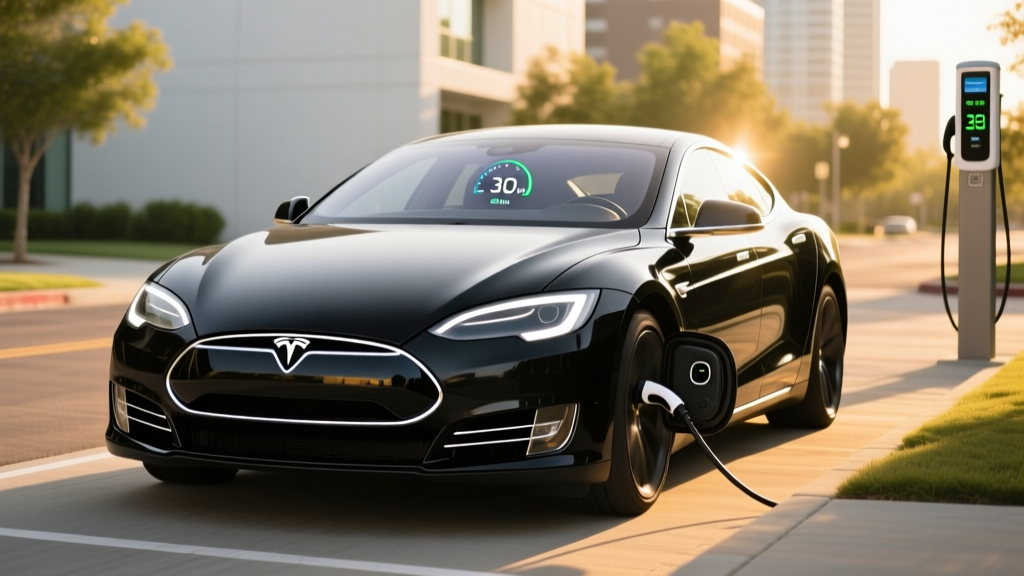
Charging speed is where the trim distinction matters most. The RWD's LFP battery tops out at 170 kW on a DC fast charger, while the Long Range and Performance trims peak at 250 kW. Here's the practical breakdown:
| Charging Level | Power / Rate | RWD | Long Range / Perf |
|---|---|---|---|
| Level 1 (120V household) | ~1.4 kW | ~3-4 mi/hr | ~3-4 mi/hr |
| Level 2 (240V / 48A Wall Connector) | 11.5 kW | ~30 mi/hr | ~44 mi/hr |
| DC Fast Charge (peak) | 170 kW / 250 kW | 10-80% in ~25 min | 10-80% in ~20 min |
| DC Fast Charge (sustained avg) | — | ~100-120 kW avg | ~140-160 kW avg |
Understanding the charge curve: Peak kW is not sustained kW. A Long Range Model 3 hitting 250 kW at 10% State of Charge will taper to roughly 150 kW by 50% SoC and drop further to 40-50 kW above 80%. The 10-80% time of ~20 minutes reflects this taper. Charging from 80-100% on DC fast charge adds another 15-20 minutes — which is why Tesla's navigation system typically routes you to arrive at 10-15% and depart at 70-80% for optimal road-trip speed.
Home charging note: Tesla's Gen 3 Wall Connector delivers up to 11.5 kW (48 amps) on a NEMA 14-50 or hardwired 60-amp circuit. A full overnight charge from 20% to 100% takes roughly 6-7 hours for the Long Range. Installation cost for a dedicated 60-amp circuit typically runs $800-$2,000 depending on panel proximity and local permitting — confirm with a licensed electrician whether your panel needs a 200-amp upgrade.
Pricing, Trims, and Federal Tax Credit Eligibility
The 2026 Tesla Model 3 lineup starts at $38,990 for the RWD and climbs to $53,990 for the Performance. All trims fall under the IRS §30D MSRP cap of $55,000 for sedans, but qualifying for the full $7,500 credit depends on additional requirements that shift with battery-sourcing rules.
| Trim | Base MSRP | As-Tested (typical options) | Est. After §30D Credit |
|---|---|---|---|
| RWD | $38,990 | $40,490 (w/ paint + wheels) | ~$31,490 - $32,990 |
| Long Range AWD | $45,990 | $48,490 (w/ FSD + paint) | ~$38,490 - $40,990 |
| Performance AWD | $53,990 | $55,490 (w/ paint + interior) | ~$46,490 - $47,990 |
- MSRP cap: Sedans must be ≤ $55,000 — all Model 3 trims qualify on base MSRP, but heavy optioning on the Performance could push over. Confirm final build price.
- Buyer income cap: AGI ≤ $150,000 (single) or ≤ $300,000 (joint). If your modified AGI exceeds these thresholds, you are ineligible.
- Battery sourcing: Critical minerals and battery components must meet phased-in percentage thresholds from US or FTA-partner nations. The RWD's LFP battery has historically faced tighter sourcing scrutiny (some LFP cells were sourced from CATL in China). The Long Range's NMC pack has generally met full-credit requirements. Verify current eligibility at irs.gov before purchasing — rules update periodically.
- Point-of-sale transfer: As of 2024, you can transfer the credit to the dealer (Tesla) at purchase, reducing your out-of-pocket cost immediately rather than waiting for tax filing.
Interior, Tech, and Driver Assistance
The Highland-refresh Model 3 interior is minimalist by design: a single 15.4-inch center touchscreen handles navigation, media, climate, and vehicle settings. There is no separate instrument cluster — speed and range display on the left edge of the main screen. Rear passengers get an 8-inch screen for climate and media control.
Standout tech features:
- Tesla Supercharger network access (17,000+ stalls in North America) — widely considered the most reliable DC fast-charging network
- Over-the-air (OTA) software updates that add features post-purchase
- Sentry Mode dashcam recording when parked
- Phone-as-key with Bluetooth proximity unlock
- Ventilated front seats and ambient lighting (new with Highland refresh)
- Improved cabin noise isolation vs. pre-2024 Model 3
Driver assistance — Autopilot and FSD (Supervised):
Autopilot comes standard with Traffic-Aware Cruise Control and Autosteer. FSD (Supervised) is a $8,000 option or $99/month subscription as of 2026. Real-world FSD performance has improved substantially on highway interchanges, but city-street driving still requires frequent interventions — plan to stay engaged.
Pros and Cons: The Honest Assessment
- Class-leading efficiency (25 kWh/100mi)
- Supercharger network reliability
- Strong real-world range on Long Range (300+ mi)
- Excellent OTA update cadence
- Low center of gravity, sharp handling
- Competitive pricing after tax credit
- No physical buttons — all climate/mirror adjustments via touchscreen
- Rear seat comfort lags behind Hyundai Ioniq 6 and BMW i4
- RWD LFP range (272 mi EPA) limits road-trip flexibility
- Turn-signal stalk removed in Highland refresh (steering-wheel buttons)
- FSD subscription cost adds up if not purchased outright
- Insurance premiums run 15-25% above segment average
Who Should Buy the Tesla Model 3?
Choose the Model 3 Long Range AWD if: You take regular road trips over 200 miles, live in a region with harsh winters (AWD traction + 341-mile buffer), or frequently carry rear-seat passengers on highway drives. This is the sweet-spot trim for most buyers.
Choose the Model 3 Performance if: You prioritize 2.9-second 0-60 acceleration and track-capable handling, and you're willing to trade ~26 miles of range for the performance hardware. Best for enthusiasts who also need a practical daily driver.
Look elsewhere if: You need a hatchback or SUV cargo area (consider the Model Y or Hyundai Ioniq 5), you prefer physical buttons and a traditional instrument cluster, or you regularly tow — the Model 3 is not rated for towing.
Frequently Asked Questions
What is the real-world range of the Tesla Model 3?
The Long Range AWD achieves 341 miles EPA, but expect 300-320 miles in mixed driving, 260-280 miles at sustained highway speeds, and 230-270 miles in sub-freezing temperatures. The RWD's 272-mile EPA rating translates to roughly 220-240 miles on the highway in mild weather.
How fast does the Model 3 charge at home and on the road?
On a 240V Level 2 home charger (Tesla Wall Connector at 48 amps), the Long Range adds about 44 miles of range per hour — a full overnight charge from 20% takes 6-7 hours. On DC fast charge, the Long Range and Performance peak at 250 kW with a 10-80% time of ~20 minutes. The RWD peaks at 170 kW with a 10-80% time of ~25 minutes.
Does the Tesla Model 3 qualify for the $7,500 federal tax credit?
All trims fall under the $55,000 MSRP cap for sedans. Full credit eligibility depends on your income (≤ $150K single / ≤ $300K joint), and the battery must meet critical-mineral and component-sourcing thresholds. The Long Range NMC battery has generally qualified for the full $7,500; the RWD LFP battery's eligibility has varied as sourcing rules tighten. Always verify on the IRS clean vehicle credit page before purchase.
Is the Model 3 worth buying vs. the Hyundai Ioniq 6 or BMW i4?
The Model 3 wins on Supercharger network access, software updates, and efficiency. The Ioniq 6 offers more rear-seat space, physical buttons, and 800V charging architecture (faster peak speeds on compatible chargers). The BMW i4 provides a more traditional luxury interior and dealer service network. If Supercharger reliability and OTA updates matter most, the Model 3 remains the benchmark. If interior comfort and conventional controls rank higher, cross-shop the Ioniq 6.
How do I find my Tesla Model 3 VIN?
Check the lower driver-side corner of the windshield (visible from outside), the driver-side door jamb sticker, the Tesla app under Vehicle Details, or your registration and insurance documents. Use the VIN to confirm battery chemistry, motor type, and build plant before purchasing a used Model 3.
What is the battery warranty on the Model 3?
Tesla covers the battery and drive unit for 8 years or 120,000 miles (whichever comes first) with a minimum 70% capacity retention threshold. If your battery degrades below 70% State of Health within that window, Tesla will repair or replace it. Real-world data from high-mileage Model 3 owners shows most NMC packs retain 85-90% capacity at 100,000 miles; LFP packs show similar or slightly better retention due to the chemistry's longer cycle life.