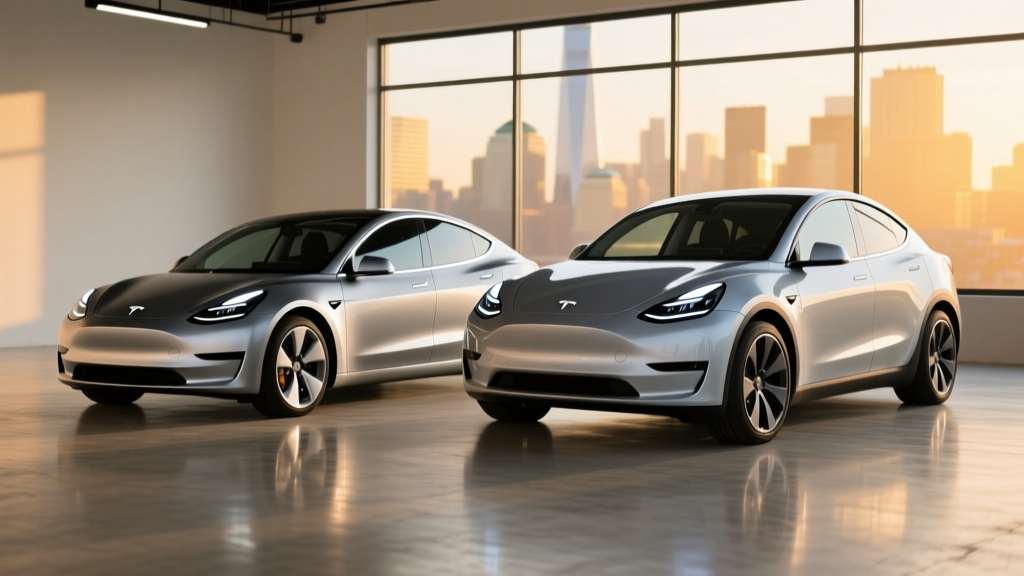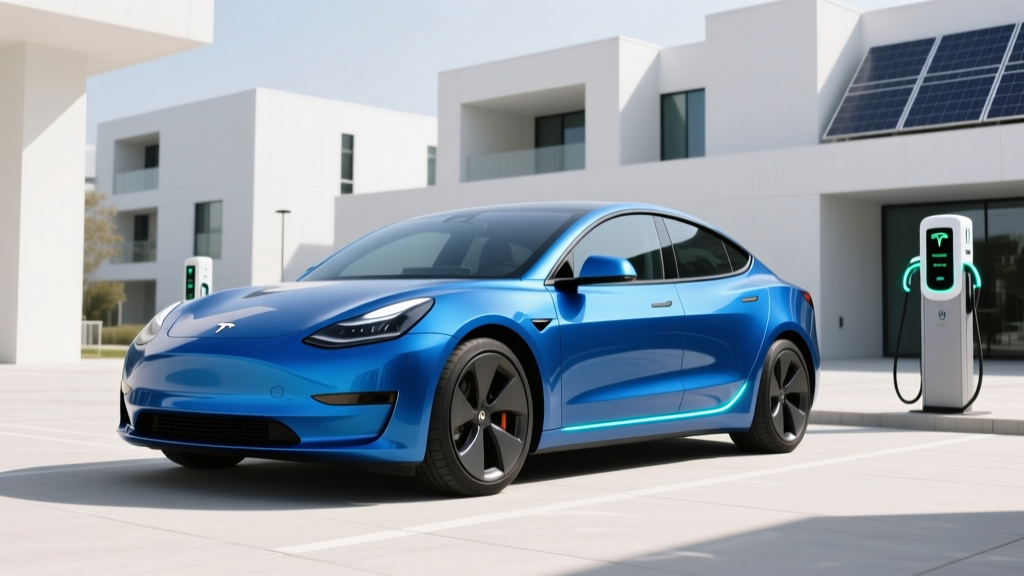
The 2026 Tesla Model 3 RWD: Entry-Level Tesla, Serious EV
When shoppers search for the Tesla least expensive model, the answer is consistently the Model 3 Rear-Wheel Drive. For 2026, the base Model 3 RWD starts at $38,990 before destination fees and potential incentives — making it not only Tesla's most affordable offering but one of the most compelling premium electric sedans on the market. But "least expensive" doesn't mean stripped-down. With a 341-mile EPA-estimated range, access to the Supercharger network, and Tesla's software ecosystem, the RWD trim punches well above its price class. Here's the full ownership picture — numbers first, hype last.
| Spec | Value |
|---|---|
| Base MSRP | $38,990 (+ $1,390 destination) |
| EPA Range | 341 miles |
| Battery Capacity | ~60 kWh usable (LFP chemistry) |
| Efficiency | 132 MPGe combined / 25 kWh/100 mi |
| 0–60 mph | 5.8 seconds |
| Drivetrain | Rear-Wheel Drive, single motor |
| Horsepower | 271 hp |
| Max DC Fast Charge | 170 kW peak |
| 10–80% DC Charge Time | ~30 minutes |
| Level 2 Home Charging | 11.5 kW / ~44 mi/hr |
| Cargo Volume | 23 cu ft (trunk + frunk) |
| Battery Warranty | 8 years / 100,000 miles |
Real-World Range: What 341 EPA Miles Actually Means
EPA Estimate: 341 miles
Real-World Highway (70–75 mph): ~270–295 miles
Cold-Weather (below 30°F): ~230–265 miles (30–35% reduction typical for LFP)
Mixed Commuting (city + suburban): ~310–335 miles
The EPA's 341-mile figure is one of the highest in the segment for a sub-$40K sedan, but real-world results depend heavily on how and where you drive. Highway speeds above 70 mph push aerodynamic drag up significantly, cutting range to roughly 270–295 miles on a full charge. That's still enough for most road-trip legs without stress.
LFP (lithium iron phosphate) chemistry in the Model 3 RWD has a trade-off: it's more durable and can be charged to 100% daily without degradation concerns, but it suffers greater cold-weather range loss than NMC batteries. In sub-freezing temperatures, expect 30–35% range reduction — meaning a 341-mile pack could deliver as little as 230 miles in a Minnesota January. Tesla's heat pump helps mitigate cabin energy draw, but battery chemistry physics can't be software-patched. Source: fueleconomy.gov
Charging Speed: DC Fast, Level 2, and the Curve Reality
| Charging Level | Power | Speed | Notes |
|---|---|---|---|
| Level 1 (120V) | ~1.4 kW | ~5 mi/hr | Emergency/top-up only |
| Level 2 (240V, 48A) | 11.5 kW | ~44 mi/hr | Full charge in ~6 hours |
| DC Fast (V3 Supercharger) | 170 kW peak | 10–80% in ~30 min | Sustained rate tapers above 60% |
| DC Fast (V4 Supercharger) | Up to 170 kW | Similar to V3 for this pack | Higher kW V4 stalls limited by vehicle |
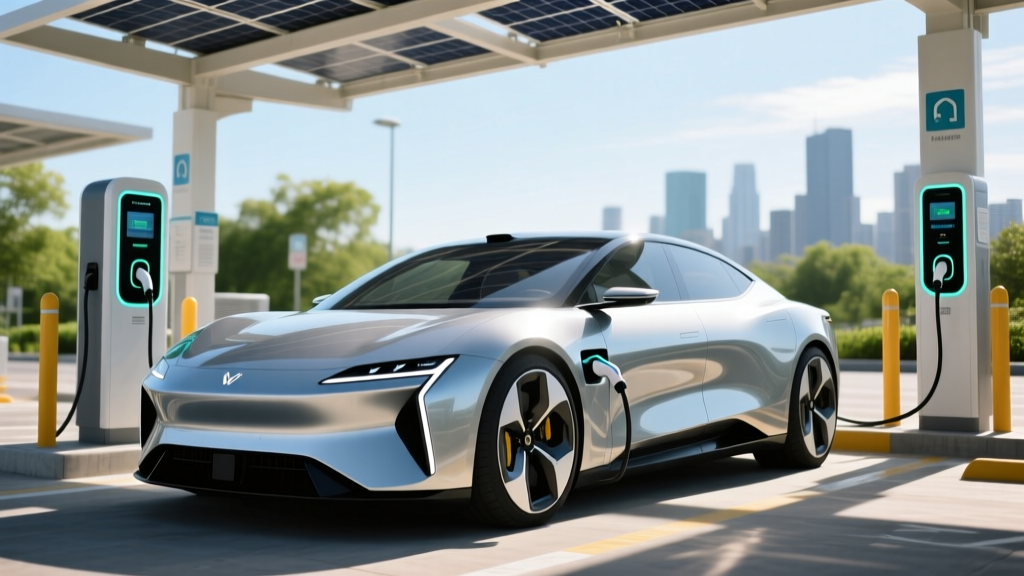
The Model 3 RWD peaks at 170 kW on DC fast chargers — adequate but not class-leading. The 60 kWh LFP pack simply can't absorb energy as quickly as larger NMC packs in Long Range or Performance variants. The 10–80% charge takes approximately 30 minutes at a V3 or V4 Supercharger, which translates to roughly a 15–20 minute stop for a 150-mile range top-up on road trips.
At home on a Level 2 wall connector (48 amps, 240V), the Model 3 RWD adds about 44 miles of range per hour of charging. A full 0–100% session takes roughly 6 hours, meaning overnight charging easily covers even high-mileage days. One LFP advantage: Tesla recommends charging to 100% at least once a week to maintain battery calibration — unlike NMC owners who typically cap at 80% for daily use.
Performance and Driving Dynamics
The single rear-mounted motor produces 271 horsepower and launches the Model 3 RWD from 0–60 mph in 5.8 seconds. That's quick by any commuter-sedan standard and more than sufficient for highway merging and passing. The RWD layout also makes this the lightest Model 3 variant, which pays dividends in efficiency and handling balance.
Ride quality improved substantially with the 2024 "Highland" refresh and carries forward into 2026. Tesla added acoustic glass, improved suspension damping, and ventilated front seats. The cabin is noticeably quieter at highway speeds compared to pre-2024 models. The trade-off: the firm sport-tuned suspension still transmits sharp impacts more than a comfort-oriented rival like the Hyundai Ioniq 6.
Pricing, Tax Credits, and True Cost
| Item | Amount |
|---|---|
| Base MSRP | $38,990 |
| Destination Fee | $1,390 |
| As-Tested (Pearl White, no extras) | $40,380 |
| Federal §30D Tax Credit (if eligible) | Up to $7,500 |
| Effective Price After Max Credit | ~$32,880 |
The Model 3 RWD is comfortably below the IRS §30D $55,000 MSRP cap for sedans. However, eligibility for the full $7,500 credit depends on three factors that change periodically and vary by buyer:
- Buyer income caps: AGI must not exceed $150,000 (single), $225,000 (head of household), or $300,000 (joint filers)
- Battery sourcing requirements: Critical minerals and battery component rules tighten annually; check the latest fueleconomy.gov credit listings for current Tesla eligibility
- Point-of-sale transfer: Since 2024, buyers can transfer the credit to the dealer at purchase, reducing the out-of-pocket price immediately rather than waiting for a tax refund
Important: Battery-sourcing rules have tightened significantly by 2026. Some Tesla configurations may qualify for only $3,750 (half-credit) or no credit at all depending on the current critical-minerals and battery-component sourcing percentages. Always verify on the IRS clean vehicle credits page before purchasing. Tax advice should come from a qualified tax professional — not an auto publication.
Interior, Cargo, and Daily Practicality
The Model 3's minimalist interior remains polarizing. Virtually all controls live on the 15.4-inch center touchscreen — including glovebox release, mirror adjustment, and climate vent direction. There are no physical instrument clusters or stalks; even turn signals are on the steering wheel face (a Highland-era change that continues to draw criticism).
Practical dimensions:
- Rear legroom: 35.2 inches (adequate for adults under 6'2", tight for taller passengers)
- Trunk: 21 cu ft (deep, wide opening)
- Frunk: ~2 cu ft (small — fits a charging cable bag or laptop)
- Total cargo: 23 cu ft
The 2026 Model 3 continues to include Tesla's basic Autopilot (lane centering + adaptive cruise) as standard. Enhanced Autopilot ($6,000) and Full Self-Driving Supervised ($8,000) remain optional — but buyers should understand these are SAE Level 2 driver-assist systems, not autonomous driving. You must keep hands on the wheel and eyes on the road at all times.
Pros, Cons, and Who Should Buy
Pros
- 341-mile EPA range at a sub-$40K price is class-leading
- Access to 6,000+ Tesla Supercharger stalls (most reliable DC network in the US)
- LFP battery can be charged to 100% daily without degradation worry
- OTA software updates continuously add features
- Strong resale value relative to EV segment average
- Excellent efficiency: 25 kWh/100 mi keeps charging costs low
Cons
- 170 kW peak DC charge rate is slower than rivals (Ioniq 6: 350 kW capable)
- LFP battery suffers significant cold-weather range loss (~30–35%)
- No physical controls — everything through touchscreen
- Turn-signal buttons on steering wheel are a safety and usability concern
- Rear seat is snug for tall adults on long trips
- FSD purchase price is steep for a Level 2 system
Who it's for: The Model 3 RWD is ideal for single professionals, couples, or commuters who want a premium EV with strong range, low running costs, and reliable fast-charging infrastructure. It excels as a daily driver in mild-to-moderate climates where the LFP cold-weather penalty is less punishing.
Who should look elsewhere: Families needing spacious rear seats should test the Model Y or Hyundai Ioniq 5. Cold-climate buyers in northern states may prefer the Long Range AWD variant (NMC battery, less cold degradation) or a rival with faster DC charging for road-trip flexibility.
Frequently Asked Questions
What is the Tesla least expensive model available in 2026?
The Tesla Model 3 Rear-Wheel Drive, starting at $38,990 before destination fees and incentives. It is Tesla's entry-level vehicle and the most affordable new car in their lineup.
Does the 2026 Model 3 RWD qualify for the $7,500 federal EV tax credit?
It qualifies in principle — the MSRP is well under the $55,000 sedan cap. However, eligibility depends on your income (AGI limits apply), battery-sourcing compliance for the current tax year, and whether you've already claimed a clean-vehicle credit within the 3-year limit. Check fueleconomy.gov and consult a tax professional before relying on the credit.
How fast does the Model 3 RWD charge at home?
On a 48-amp Level 2 home charger (240V), it charges at 11.5 kW, adding approximately 44 miles of range per hour. A full charge from near-empty takes about 6 hours — easily achievable overnight.
Is the Model 3 RWD worth buying over the Long Range AWD?
If you don't need all-wheel drive or the extra 80+ miles of range, the RWD saves $8,000–$10,000 and still delivers excellent daily usability. The Long Range's NMC battery handles cold better and charges faster (~250 kW peak), making it the better road-trip and cold-climate choice.
Can I charge a Tesla Model 3 at non-Tesla chargers?
Yes. The 2026 Model 3 uses the NACS connector natively. With the expanding adoption of NACS across the industry (Ford, GM, Rivian, and others have adopted it), the Model 3 is compatible with Tesla Superchargers and an increasing number of third-party DC fast-charging stations without adapters.