Why Owners Are Pulling the Aero Covers Off the Model 3
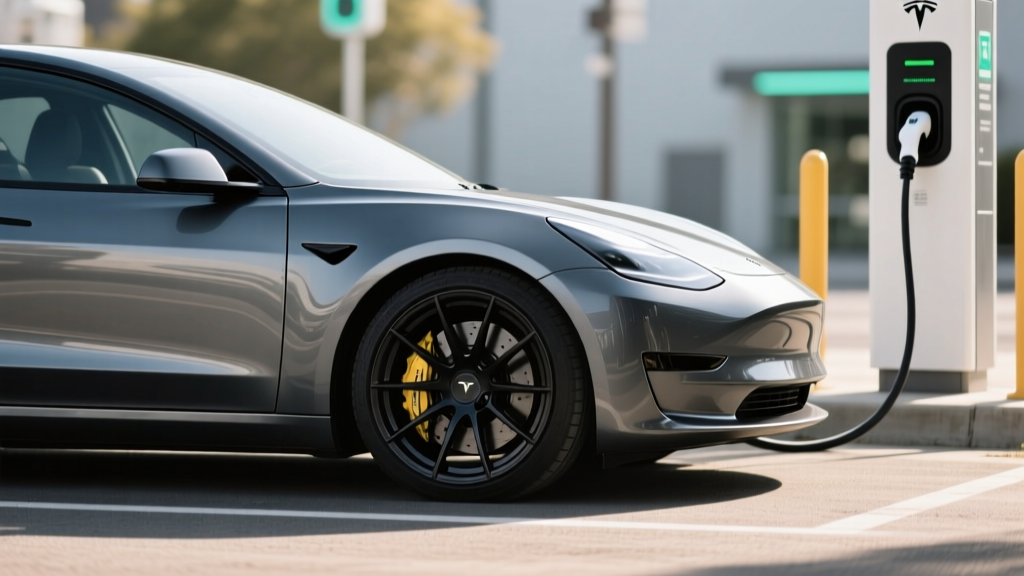
The Tesla Model 3 has shipped with plastic aero wheel covers since its earliest production runs, and the refreshed Highlandand subsequent 2025–2026 updates continued the tradition. These snap-on hubcaps smooth airflow over the alloy wheels, reducing drag and squeezing a few extra miles out of every charge. But a growing segment of owners prefer the exposed alloy look — searching for Tesla Model 3 rims without cover setups to achieve a cleaner, more aggressive stance.
The question every efficiency-minded buyer asks: how much range do you actually lose when you strip the aero covers? And does the exposed wheel change charging behavior, road noise, or winter performance? This review covers the 2026 Tesla Model 3 lineup end-to-end — range, charging, pricing, tax credit eligibility, and the real cost of going coverless.
2026 Tesla Model 3 Lineup: Trims, Battery, and Core Specs
Tesla offers the Model 3 in three primary configurations for 2026. Each uses a different battery chemistry and drivetrain, which directly affects range, charging behavior, and long-term degradation.
| Spec | RWD (Base) | Long Range AWD | Performance |
|---|---|---|---|
| EPA Range | 272 mi | 341 mi | 315 mi |
| Battery (usable) | ~57.5 kWh | ~75 kWh | ~75 kWh |
| Chemistry | LFP (CATL) | NMC | NMC |
| Drivetrain | RWD, single motor | Dual-motor AWD | Dual-motor AWD |
| Horsepower | 271 hp | 346 hp | 510 hp |
| 0–60 mph | 5.8 sec | 4.2 sec | 2.9 sec |
| MPGe (combined) | 132 MPGe | 131 MPGe | 121 MPGe |
| Efficiency | 25 kWh/100mi | 25 kWh/100mi | 28 kWh/100mi |
| Base MSRP | $38,990 | $44,990 | $52,990 |
The RWD trim uses lithium iron phosphate (LFP) cells, which trade energy density for longevity and thermal stability. Tesla recommends charging LFP batteries to 100% at least once per week for accurate state-of-charge calibration. The Long Range and Performance trims use nickel manganese cobalt (NMC) chemistry, which delivers higher energy density but benefits from daily charge limits around 80% to minimize degradation over time.
Real-World Range: What the EPA Sticker Doesn't Tell You
EPA 272 mi (RWD) / 341 mi (Long Range) / 315 mi (Performance)
Real-world expectation: Highway driving at 70–75 mph typically yields 85–90% of EPA range in mild weather. In freezing temperatures (below 30°F), expect 20–30% range loss due to cabin heating and increased battery internal resistance. The RWD model with aero covers removed will see an additional 2–5% reduction, making realistic cold-weather highway range closer to 165–185 miles for the base trim.
According to fueleconomy.gov, the Model 3 Long Range AWD achieves 131 MPGe combined. That efficiency figure assumes the vehicle as delivered — with aero covers installed. Independent testing by EV owners and outlets has consistently shown that removing the plastic wheel covers costs roughly 8–15 miles of range on the Long Range trim at highway speeds, with the effect more pronounced above 70 mph where aerodynamic drag dominates energy consumption.
City driving with frequent regenerative braking opportunities minimizes the aero penalty. If your commute is mostly stop-and-go under 45 mph, the range difference between covered and uncovered rims is negligible — perhaps 1–2% at most.
Charging Speed: DC Fast Charge and Home Level 2
Charging infrastructure remains the top concern for EV buyers, and the Model 3's capabilities vary meaningfully by trim.
| Charging Type | RWD (LFP) | Long Range / Performance (NMC) |
|---|---|---|
| Max DC Fast Charge | 170 kW | 250 kW |
| 10–80% DC Time | ~25 min | ~22 min |
| Level 2 Home (48A) | 11.5 kW / ~37 mi/hr | 11.5 kW / ~44 mi/hr |
| Level 1 (120V) | ~1.3 kW / ~4 mi/hr | ~1.3 kW / ~4 mi/hr |
| Connector | NACS (native) | NACS (native) |
The NACS (North American Charging Standard) connector is native to all 2026 Model 3 vehicles, granting access to Tesla's Supercharger network — still the most reliable DC fast-charging ecosystem in the US with over 20,000 stalls nationwide. The Long Range and Performance trims can peak at 250 kW at V3 and V4 Superchargers, though sustained rates taper significantly above 60% state of charge. Expect the curve to drop from ~250 kW down to roughly 70–80 kW by the time you reach 80%.
The LFP battery in the RWD model accepts a lower peak charge rate (170 kW), but LFP cells tolerate frequent 100% charging better than NMC, which partially offsets the slower curve for daily use. Home Level 2 charging on a 48-amp circuit (requiring a 60-amp breaker) replenishes the battery overnight for virtually all daily driving needs. A full Level 2 installation with a Tesla Wall Connector typically costs $800–$1,500 including electrician labor, depending on panel proximity and local permit fees.
The Aero Cover Question: Range, Noise, and Aesthetics
Let's address the core question directly. The Tesla Model 3's factory alloy wheels — whether the 18-inch Photon, 19-inch Nova, or 20-inch Curva — are designed to look finished on their own. The plastic aero covers snap on with retention clips and serve a purely functional aerodynamic purpose.
What You Gain by Removing the Covers
- Aesthetics: The exposed alloy wheel has a more premium, sporty appearance that many owners prefer
- Weight reduction: Roughly 2–3 lbs per wheel, negligible for performance but marginally improves unsprung mass
- Easier cleaning: No need to remove covers to clean brake dust from the alloy surface
- No rattling: Some owners report aero cover vibration noise at highway speeds, especially in cold weather when plastic becomes brittle
What You Lose
- Range: 2–5% reduction depending on speed and conditions — approximately 8–15 miles on the Long Range trim
- Efficiency: MPGe drops by roughly 3–6 points on the highway cycle
- Road noise: Marginally increased wind turbulence around the wheel wells at speeds above 65 mph
For Long Range owners who primarily drive in urban or suburban settings, the range penalty is small enough that the aesthetic upgrade is a common and reasonable trade. For RWD owners already working with 272 miles of EPA range, losing 10+ miles may push winter range uncomfortably close to minimum commute thresholds. If you're considering aftermarket wheels entirely, note that lighter forged wheels can sometimes recover the range lost from removing aero covers by reducing rotational mass.
Pricing, Tax Credits, and Total Cost
| Trim | Base MSRP | As-Tested (typical options) | §30D Credit Eligibility |
|---|---|---|---|
| RWD | $38,990 | $39,990–$41,500 | Up to $7,500 (if sourcing rules met) |
| Long Range AWD | $44,990 | $46,000–$49,500 | Up to $7,500 (if sourcing rules met) |
| Performance | $52,990 | $54,000–$57,000 | Up to $7,500 (if sourcing rules met) |
All three Model 3 trims fall under the IRS §30D MSRP cap of $55,000 for sedans. However, eligibility for the full $7,500 credit depends on several factors that change frequently:
- Buyer income caps: Modified AGI must not exceed $150,000 (single), $225,000 (head of household), or $300,000 (joint)
- Battery component sourcing: A percentage of battery components must be manufactured or assembled in North America (threshold increases annually)
- Critical minerals: A percentage of critical minerals must be sourced from the US or FTA partners
- Point-of-sale transfer: As of 2024, eligible buyers can transfer the credit to the dealer at purchase, reducing the upfront price rather than waiting for a tax refund
Tesla's battery supply chain has shifted significantly. The RWD model's CATL LFP cells are sourced from China, which has historically disqualified that trim from the full credit under critical-mineral and component-sourcing rules. The Long Range and Performance trims, using NMC cells from Panasonic at the Nevada Gigafactory, have more consistently qualified — but buyers should always verify current eligibility on the IRS website or with a tax professional before purchase. The credit situation can change with new Treasury guidance at any time.
Interior Space, Technology, and Daily Livability
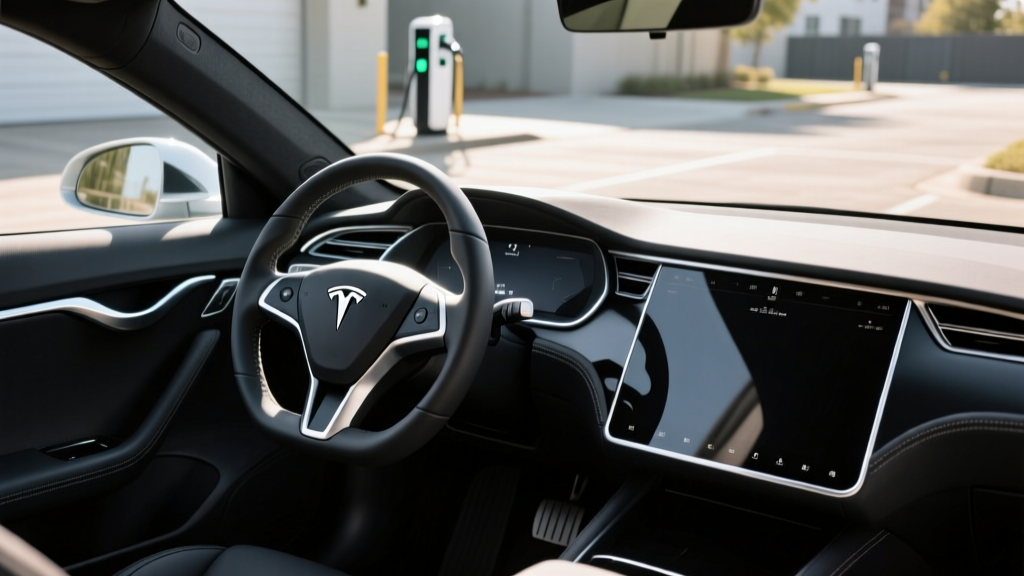
The 2026 Model 3 carries forward the minimalist interior introduced with the Highland refresh. All vehicle controls route through the 15.4-inch center touchscreen, including climate, mirrors, and glovebox — a polarizing design choice that remains a dealbreaker for some traditional buyers.
Dimensions and Cargo
- Front legroom: 42.7 inches
- Rear legroom: 35.2 inches
- Cargo (rear trunk): 21.0 cu ft
- Frunk (front trunk): 3.1 cu ft
- Total cargo: 24.1 cu ft
The rear seat remains tighter than competitors like the Hyundai Ioniq 6 or BMW i4. Tall passengers over 6'2" will find the sloping roofline limits headroom. The frunk is small — useful for charging cables but not much else.
Standout Tech
- Ambient lighting: Continuous light strip across the dashboard and doors, a significant upgrade from pre-refresh models
- Ventilated front seats: Now standard on Long Range and Performance trims
- Rear touchscreen: 8-inch display for rear passengers controlling climate and media
- Autopilot: Standard adaptive cruise and lane-keeping (SAE Level 2 — driver must remain engaged at all times)
- FSD (Supervised): $8,000 option or $99/month subscription — still Level 2, requires constant driver supervision despite the name
Tesla Autopilot and Full Self-Driving (Supervised) are SAE Level 2 driver-assistance systems. The driver must keep hands on the wheel and eyes on the road at all times. These systems do not make the vehicle autonomous. Only Level 4 services like Waymo operate without a human driver — and those are geofenced robotaxis, not consumer vehicles.
Warranty and Long-Term Ownership
Tesla provides the following warranty coverage for the 2026 Model 3:
- Basic vehicle: 4 years / 50,000 miles
- Battery & drive unit (RWD): 8 years / 100,000 miles
- Battery & drive unit (Long Range / Performance): 8 years / 120,000 miles
- Battery retention threshold: Tesla warrants that the battery will retain at least 70% of its original capacity during the warranty period
LFP batteries in the RWD model have demonstrated excellent long-term degradation curves in fleet data, often retaining 90%+ capacity after 100,000 miles. NMC batteries in the Long Range and Performance trims show slightly more degradation but remain well within the 70% warranty threshold under normal use. Battery replacement outside of warranty currently costs between $12,000 and $16,000 depending on the pack — a figure that continues to decline as cell costs drop.
Pros, Cons, and the Verdict
- Best-in-class Supercharger network access (NACS native)
- Exceptional efficiency — 25 kWh/100mi on Long Range
- Strong 0–60 performance across all trims
- LFP option offers outstanding battery longevity
- Over-the-air updates continuously add features
- Low cost of ownership vs. gas competitors
- Removing aero covers costs 8–15 miles of range
- Rear seat space is tight for taller passengers
- No physical buttons — all controls via touchscreen
- FSD subscription remains expensive and Level 2 only
- RWD LFP credit eligibility uncertain due to CATL sourcing
- Ride quality firm on 19" and 20" wheels
Who the Model 3 Suits Best
Commuters and tech-forward singles/couples: The Model 3 excels as a daily driver with low running costs, fast Supercharging for road trips, and strong software integration. If you don't need rear-seat space for adults regularly, it remains one of the best value propositions in the EV market.
Not ideal for: Families needing three-across car seats, buyers who prefer traditional controls, or those in extreme-cold climates where the RWD's 272-mile range (minus aero cover losses) may fall short.
Frequently Asked Questions
What is the real-world range of the Tesla Model 3 without aero covers?
With aero covers removed, expect the Long Range AWD to deliver approximately 325–330 miles on the EPA highway cycle in mild weather, down from the rated 341. In winter conditions, plan for 240–260 miles. The RWD drops to roughly 255–265 miles highway, and 165–185 in freezing temps.
How fast does the Model 3 charge at home and on the road?
On a 48-amp Level 2 home charger, the Model 3 adds approximately 37–44 miles of range per hour, fully charging overnight. At a 250 kW Supercharger (Long Range/Performance), a 10–80% session takes about 22 minutes, though the charge curve tapers significantly above 60% SoC.
Does the 2026 Model 3 qualify for the $7,500 federal tax credit?
It depends on the trim, your income, and current battery-sourcing rules. The Long Range and Performance trims have historically qualified due to North American battery manufacturing. The RWD's CATL LFP battery has faced sourcing disqualifications. Always verify on IRS.gov before purchasing, as rules update periodically.
Is the Model 3 worth buying vs. the Hyundai Ioniq 6 or BMW i4?
The Model 3 wins on charging network access, software, and efficiency. The Ioniq 6 offers more rear-seat room and a more conventional interior. The BMW i4 provides superior build quality and ride refinement but at a higher price point with less range. If Supercharger access matters to you, the Model 3 is still the default choice.
Can I buy aftermarket wheels for the Model 3 and keep my range?
Yes — lightweight forged aftermarket wheels can offset or even recover the range lost from removing aero covers. Look for flow-formed or forged options in the 18–19 inch range with widths no greater than 8.5 inches. Heavier cast wheels will compound the range loss.
What's the biggest mistake Model 3 buyers make?
Skipping the home charger installation. Relying on public charging exclusively adds significant time and cost to ownership. A $1,000–$1,500 Level 2 home installation pays for itself within the first year for most drivers through lower electricity costs and the convenience of waking up to a full battery every morning.