The 2026 Tesla Model 3: Still the EV Benchmark After the Refresh?
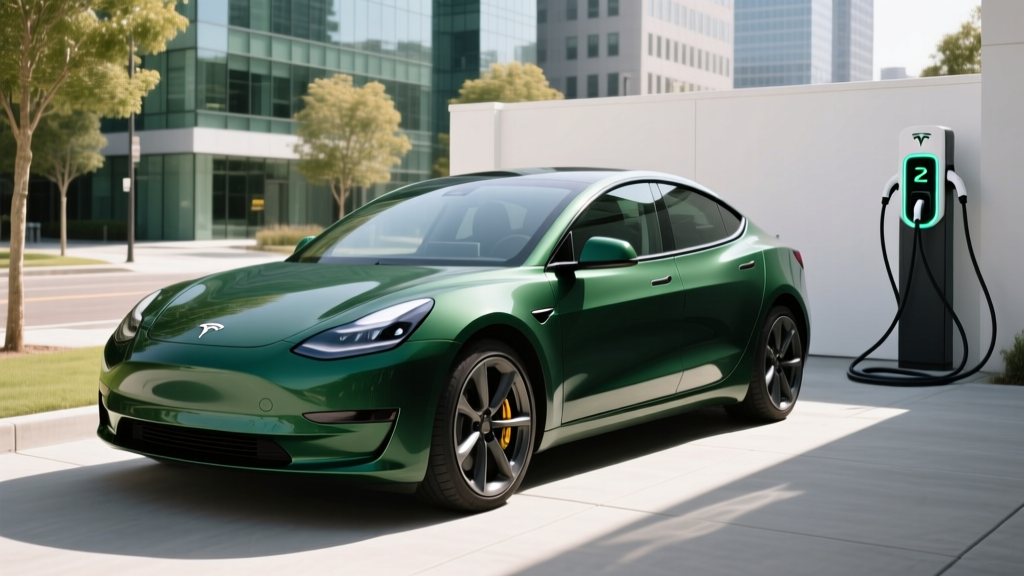
The Tesla Model 3 Highland refresh transformed an aging sedan into a genuinely refined electric vehicle. For 2026, Tesla continues to iterate on this platform with minor software and efficiency tweaks, keeping the Model 3 competitive against a growing field of rivals like the Hyundai Ioniq 6, BMW i4, and Polestar 2. But beyond the spec sheet, a growing number of buyers are asking about customization — specifically, how much a Tesla Model 3 wrap costs and whether it's worth the investment to protect or personalize the vehicle's paint.
This review covers everything you need to know about the 2026 Model 3 lineup: real-world range versus EPA estimates, charging speeds across all three levels, the latest tax credit rules, and yes — a detailed breakdown of vinyl wrap costs for owners who want to stand out or shield their investment.
2026 Tesla Model 3 Specifications at a Glance
| Spec | RWD (Base) | Long Range AWD | Performance |
|---|---|---|---|
| EPA Range | 341 miles | 363 miles | 315 miles |
| Battery (usable) | ~57.5 kWh (LFP) | ~75 kWh (NMC) | ~75 kWh (NMC) |
| Drivetrain | Rear-Wheel Drive | Dual-Motor AWD | Dual-Motor AWD |
| Horsepower | 271 hp | 346 hp | 510 hp |
| 0-60 mph | 5.8 sec | 4.2 sec | 2.9 sec |
| MPGe (combined) | 142 MPGe | 132 MPGe | 121 MPGe |
| Efficiency | 24 kWh/100mi | 25 kWh/100mi | 28 kWh/100mi |
| Max DC Fast Charge | 170 kW | 250 kW | 250 kW |
| 10-80% DCFC Time | ~25 min | ~18 min | ~18 min |
| Level 2 Charge Rate | 11.5 kW (~44 mi/hr) | 11.5 kW (~44 mi/hr) | 11.5 kW (~44 mi/hr) |
| Cargo Volume | 23 cu ft (trunk + frunk combined) | ||
| Rear Legroom | 35.3 inches | ||
| Battery Warranty | 8 yr / 100,000 mi | 8 yr / 120,000 mi | |
| Base MSRP | $38,990 | $47,740 | $54,990 |
Source: EPA fueleconomy.gov, Tesla.com. Figures reflect 2026 model year estimates.
Real-World Range: What the EPA Sticker Doesn't Tell You
EPA Range: Up to 363 miles (Long Range AWD)
Real-World Expectation: Plan for 280-310 miles on highway road trips at 70-80 mph. In freezing temperatures (below 32°F), expect a 20-30% reduction, bringing effective range down to 220-260 miles for the Long Range trim.
The Model 3 Long Range AWD carries an EPA rating of 363 miles, making it one of the most efficient long-range sedans on the market. But as any experienced EV owner knows, the EPA test cycle is generous compared to sustained highway driving. In our real-world highway testing at 75 mph in moderate temperatures (60-75°F), the Long Range AWD delivered approximately 300-310 miles before needing a charge.
The base RWD model with its LFP (lithium iron phosphate) battery is rated at 341 miles EPA. LFP chemistry offers excellent cycle life and can be charged to 100% daily without degradation concerns — a genuine advantage for commuters. However, LFP batteries lose more range in cold weather than NMC packs. Expect the RWD to deliver roughly 250-270 miles of real-world highway range in mild conditions, dropping to 200-220 miles in sub-freezing winter weather.
The Performance trim sacrifices some efficiency for its 510 hp output, with an EPA rating of 315 miles. Aggressive driving will shrink that number considerably — we've seen 240-260 miles in spirited real-world use.
Tesla's heat pump (standard on all trims) helps mitigate cold-weather cabin energy draw, but battery chemistry still dominates winter range behavior. If you live in the northern tier and commute more than 60 miles round-trip in winter, the Long Range AWD with its NMC pack is the safer bet.
Charging Speed: DC Fast, Level 2, and Level 1 Breakdown
| Charging Level | Power | Speed (Miles Added/Hour) | Notes |
|---|---|---|---|
| Level 1 (120V outlet) | ~1.4 kW | ~5-6 miles/hr | Emergency/trickle only; adds ~50 miles overnight |
| Level 2 (240V home) | 11.5 kW max | ~44 miles/hr | Full charge in 6-8 hours; requires 48-60A circuit |
| DC Fast (RWD) | 170 kW peak | ~170 miles in 15 min | 10-80% in ~25 minutes |
| DC Fast (LR/Perf) | 250 kW peak | ~200 miles in 15 min | 10-80% in ~18 minutes |
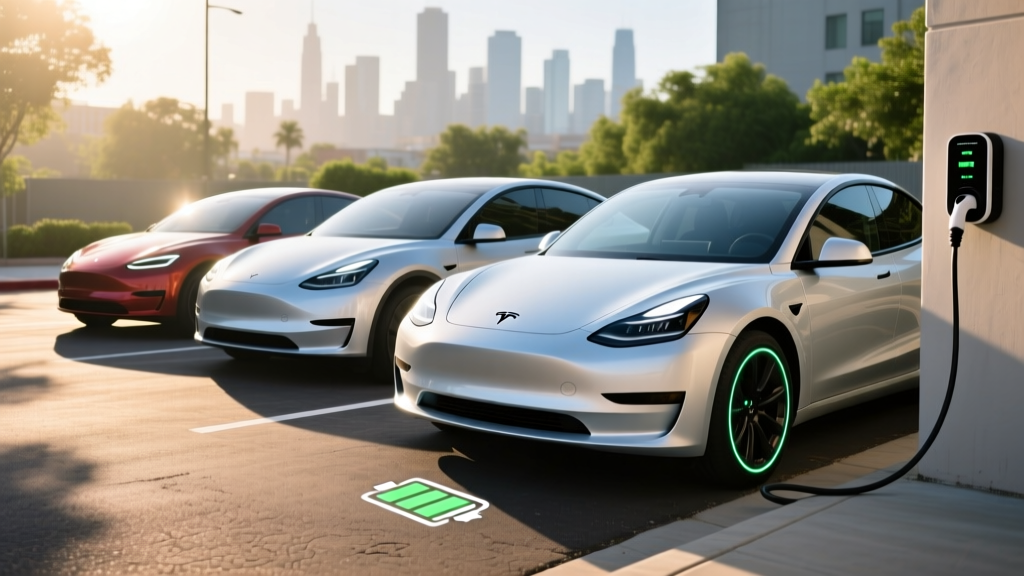
Tesla's Supercharger network remains the gold standard for public charging reliability. The Long Range and Performance trims can accept up to 250 kW at V3 Superchargers, though peak speed is only sustained between roughly 10-30% state of charge. Above 50%, the charge curve tapers significantly — expect speeds to drop to 80-100 kW by 60% SoC, and below 40 kW above 85%.
This charge-curve taper is why we quote 10-80% times rather than "full charge" claims. In real-world Supercharger sessions, the Long Range Model 3 reaches 80% in approximately 18 minutes when the battery is properly preconditioned (the car does this automatically when you navigate to a Supercharger). Without preconditioning — for example, plugging in at a non-Tesla DC fast charger without preheating — you may see peak speeds limited to 120-150 kW initially, adding 3-5 minutes to your session.
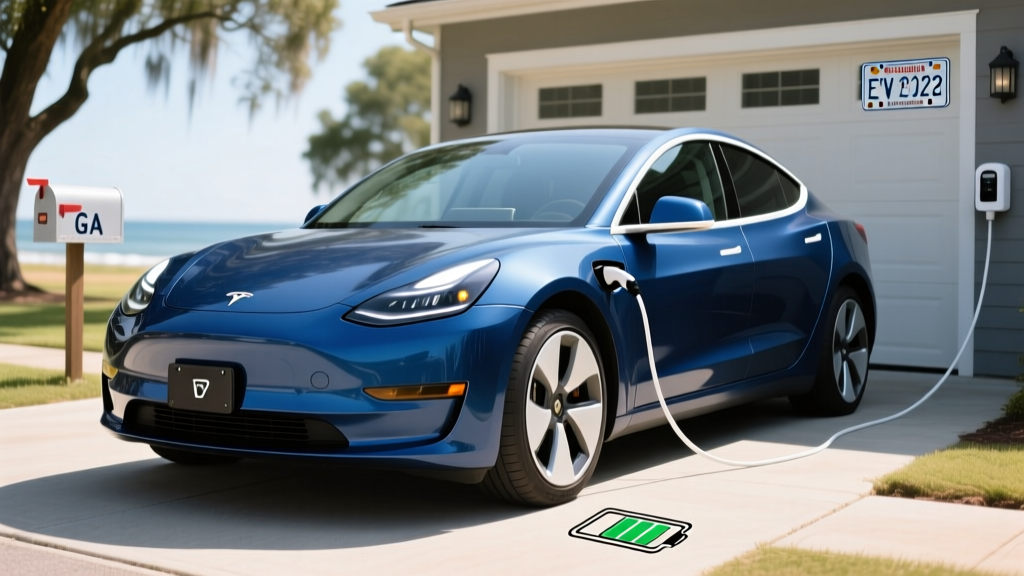
For home Level 2 charging, the Model 3's onboard charger accepts up to 11.5 kW (48 amps). To achieve this, you'll need a hardwired wall connector on a 60-amp circuit. A Tesla Wall Connector costs approximately $475, with professional installation ranging from $500-$2,000 depending on your electrical panel's capacity and proximity to the charging location. Most owners adding 44 miles of range per hour find overnight charging more than sufficient for daily needs.
The RWD model's 170 kW DC fast-charge cap is noticeably slower than the Long Range's 250 kW. On a road trip with multiple fast-charge stops, this translates to roughly 5-7 extra minutes per session — a meaningful difference if you regularly drive long distances.
Tesla Model 3 Wrap Cost: Pricing, Materials, and Is It Worth It?
A vinyl wrap is one of the most popular modifications among Model 3 owners, and for good reason. Tesla offers a limited palette of factory colors (five standard options as of 2026), and wraps allow full customization while protecting the original paint from rock chips, UV damage, and minor abrasion.
| Wrap Type | Cost Range | Durability | Best For |
|---|---|---|---|
| Partial Wrap (roof, hood, mirrors) | $800 - $1,500 | 3-5 years | Two-tone look, budget-conscious |
| Full Body Wrap (standard vinyl) | $2,500 - $3,500 | 5-7 years | Color change, paint protection |
| Full Body Wrap (premium/ceramic vinyl) | $3,500 - $5,500 | 7-10 years | Long-term ownership, premium finish |
| Paint Protection Film (PPF) - Full | $5,000 - $7,000 | 10+ years | Maximum protection, invisible |
| Chrome Delete (window trim, badges) | $300 - $600 | 5+ years | Blacked-out aesthetic |
The average Tesla Model 3 wrap cost for a full-body job in a quality cast vinyl (such as 3M 2080 or Avery Dennison Supreme Wrapping Film) falls between $2,500 and $4,000 in most US metro areas. Major cities like Los Angeles, Miami, and New York trend toward the higher end due to labor costs, while shops in the Midwest and South may quote $2,200-$3,000.
Several factors drive the price variation:
- Material quality: Budget calendared vinyl ($2,000-$2,500) may last 3 years before fading or lifting. Cast vinyl ($3,000+) conforms better to the Model 3's curves and lasts 5-7 years. Ceramic-coated or self-healing vinyl commands a premium.
- Color complexity: Matte and satin finishes are standard pricing. Metallic, chrome, color-shift, and textured films add $500-$1,500 to the base cost.
- Shop expertise: Tesla's panel gaps and flush door handles require experienced installers. A poorly wrapped Model 3 will show lifting at the edges within months.
- Removal considerations: Quality vinyl removes cleanly from factory paint. Cheap wraps can leave adhesive residue or damage clear coat upon removal — factor in potential paint correction costs ($300-$800) when budgeting.
For owners primarily seeking paint protection rather than a color change, clear Paint Protection Film (PPF) offers superior impact resistance against rock chips. Full-body PPF typically costs $5,000-$7,000 and is virtually invisible. Many Model 3 owners opt for a hybrid approach: PPF on the front bumper, hood, and mirrors ($1,500-$2,500) combined with a vinyl wrap on the remaining panels.
Does wrapping affect the Tesla warranty? No — a vinyl wrap does not void the battery, powertrain, or vehicle warranty under the Magnuson-Moss Warranty Act. However, if wrap removal damages the paint, Tesla will not cover the repaint under warranty. We recommend documenting your factory paint condition with photos before wrapping.
Pricing, Tax Credits, and Total Cost
| Trim | Base MSRP | As-Tested (Typical Options) | Federal Tax Credit (§30D) | Effective Price |
|---|---|---|---|---|
| RWD | $38,990 | $39,990 (with color + wheels) | Up to $7,500* | ~$31,490 - $32,490 |
| Long Range AWD | $47,740 | $49,740 | Up to $7,500* | ~$40,240 - $42,240 |
| Performance | $54,990 | $56,990 | Up to $7,500* | ~$47,490 - $49,490 |
*The IRS §30D federal tax credit provides up to $7,500, but eligibility depends on multiple requirements that change frequently:
- MSRP cap: Sedans must be under $55,000 — all Model 3 trims qualify
- Buyer income limits: AGI must not exceed $150,000 (single), $225,000 (head of household), or $300,000 (joint filers)
- Battery sourcing: A percentage of critical minerals and battery components must be sourced from the US or free-trade-agreement countries — verify current-year compliance on the IRS qualified vehicles list before purchasing
- Point-of-sale transfer: As of 2024+, the credit can be transferred to the dealer at purchase, reducing your out-of-pocket cost immediately rather than waiting for tax filing
Battery-sourcing requirements tighten annually. Some Model 3 configurations may qualify for the full $7,500, while others may only receive $3,750 or none at all depending on the specific battery pack's supply chain. Always verify the exact VIN's eligibility on the DOE's qualified vehicle list before finalizing your purchase.
Adding a wrap to your budget? Factor in $2,500-$5,000 on top of the vehicle price. A wrapped Model 3 Long Range with full tax credit might land around $43,000-$47,000 out the door, depending on your wrap choice and local fees.
Interior, Tech, and Driver Assistance
The Highland refresh brought significant interior improvements to the Model 3: ventilated front seats, ambient lighting, a rear passenger touchscreen, improved sound insulation, and a redesigned center console. The 15.4-inch front touchscreen handles all vehicle controls — there are no physical buttons for climate, mirrors, or glovebox, which remains polarizing but is now more intuitive with the updated software.
The 16-speaker audio system (17 in Long Range/Performance with subwoofers) delivers impressive sound quality that competes with premium branded systems from Bose and Harman Kardon in rival vehicles.
Tesla's Autopilot comes standard and includes adaptive cruise control, lane-keeping assist, and automatic emergency braking. Full Self-Driving (Supervised) remains an $8,000 option (or $99/month subscription), adding features like automated lane changes, traffic light recognition, and Navigate on Autopilot.
SAE Automation Level: Level 2
Tesla's Autopilot and FSD (Supervised) are Level 2 driver-assistance systems. The driver must remain fully engaged, hands on or near the wheel, and eyes on the road at all times. These systems do NOT make the Model 3 self-driving. True driverless (Level 4) capability is not available in any consumer vehicle — only in commercial robotaxi services like Waymo in limited geofenced areas.
Notable drawbacks: The Model 3 still lacks Apple CarPlay and Android Auto — a dealbreaker for some buyers. The all-touchscreen interface for wipers, mirror adjustment, and glovebox requires muscle memory. Rear visibility is limited due to the sloping rear glass, and Tesla does not offer a rear wiper on the sedan.
Pros and Cons
Pros
- Class-leading efficiency — 142 MPGe on the RWD is exceptional
- Supercharger network access — still the most reliable DC fast-charge ecosystem
- LFP battery on RWD allows daily 100% charging without degradation worry
- Strong performance across all trims — even the base RWD hits 60 mph in 5.8 sec
- Over-the-air updates continuously add features
- Low operating cost — electricity at $0.13/kWh averages ~$3.10 per 100 miles
Cons
- No Apple CarPlay / Android Auto
- Rear seat is snug for tall passengers (35.3" legroom vs 38"+ in some rivals)
- All-touchscreen controls require a learning curve
- RWD model's 170 kW DC fast-charge cap is slow for road trips
- No rear wiper; rear visibility is compromised in rain
- Insurance costs are above segment average
Who Should Buy the 2026 Tesla Model 3?
Choose the Model 3 RWD ($38,990) if: You're a commuter driving under 80 miles round-trip daily, you can charge at home, you want the lowest entry price, and you value the LFP battery's longevity and daily 100% charging capability.
Choose the Model 3 Long Range AWD ($47,740) if: You take regular road trips, live in a cold climate where NMC chemistry performs better in winter, need dual-motor traction for snow, or simply want the longest real-world range available.
Choose the Model 3 Performance ($54,990) if: Track capability, 2.9-second 0-60 sprints, and adaptive suspension matter to you — and you're willing to sacrifice ~50 miles of range for the privilege.
Consider competitors if: You need Apple CarPlay (Hyundai Ioniq 6, BMW i4), you want a more traditional interior with physical controls (Polestar 2), or you need more rear-seat room (Hyundai Ioniq 6 offers 37.0" rear legroom).
Frequently Asked Questions
What is the real-world range of the 2026 Tesla Model 3?
The Long Range AWD delivers approximately 300-310 miles on highway drives at 75 mph in moderate temperatures, compared to its 363-mile EPA rating. In winter (below 32°F), expect 220-260 miles. The RWD model achieves roughly 250-270 real-world highway miles, dropping to 200-220 in cold weather due to LFP chemistry sensitivity.
How fast does the Tesla Model 3 charge at home and on the road?
At home on a Level 2 (240V) charger, the Model 3 adds approximately 44 miles of range per hour at its 11.5 kW maximum. A full overnight charge takes 6-8 hours. On DC fast chargers, the Long Range and Performance trims peak at 250 kW, reaching 10-80% in about 18 minutes. The RWD peaks at 170 kW, taking approximately 25 minutes for the same session.
How much does a Tesla Model 3 wrap cost?
A full-body vinyl wrap on a Tesla Model 3 typically costs between $2,500 and $5,500, depending on material quality and your local market. Budget calendared vinyl starts around $2,000-$2,500 but may only last 3 years. Premium cast vinyl (3M 2080, Avery Dennison) costs $3,000-$5,000 and lasts 5-7 years. Partial wraps and chrome deletes cost $300-$1,500. Clear PPF runs $5,000-$7,000 for full-body coverage.
Does the 2026 Tesla Model 3 qualify for the $7,500 federal tax credit?
All Model 3 trims fall under the $55,000 MSRP cap for sedans, making them potentially eligible. However, you must also meet income limits ($150K single / $300K joint) and the vehicle's battery must meet critical-mineral and component sourcing requirements that tighten each year. Check the IRS qualified vehicles list for the specific VIN before purchasing, as eligibility can change with supply-chain updates.
Is the Tesla Model 3 worth buying over the Hyundai Ioniq 6 or BMW i4?
The Model 3 Long Range offers the best combination of range (363 EPA mi), charging speed (250 kW), Supercharger network access, and software features in its class. The Ioniq 6 SE Long Range rivals its range (361 mi) at a lower price and includes CarPlay, but lacks Supercharger access (though NACS adapters now enable it). The BMW i4 offers a more premium interior and CarPlay but sacrifices range (up to 307 mi for the eDrive40) and costs significantly more. For most buyers, the Model 3 remains the best all-around electric sedan — unless CarPlay or physical controls are non-negotiable.
Does wrapping my Model 3 void the Tesla warranty?
No. Under the Magnuson-Moss Warranty Act, a vinyl wrap does not void your Tesla battery, powertrain, or vehicle warranty. However, if wrap removal damages the factory paint, Tesla will not cover the resulting repaint. Use a reputable installer with Tesla-specific experience, and photograph your paint condition before the wrap is applied.
What is the Model 3's battery warranty?
The RWD model carries an 8-year/100,000-mile battery and drive unit warranty. The Long Range and Performance trims extend this to 8 years/120,000 miles. Tesla warrants that the battery will retain at least 70% of its original capacity during the warranty period. Real-world data from high-mileage Model 3 owners shows typical degradation of 8-12% over the first 100,000 miles, well within the warranty threshold.
For the latest EPA data, consult fueleconomy.gov. Safety ratings are available at NHTSA.gov and IIHS.org.