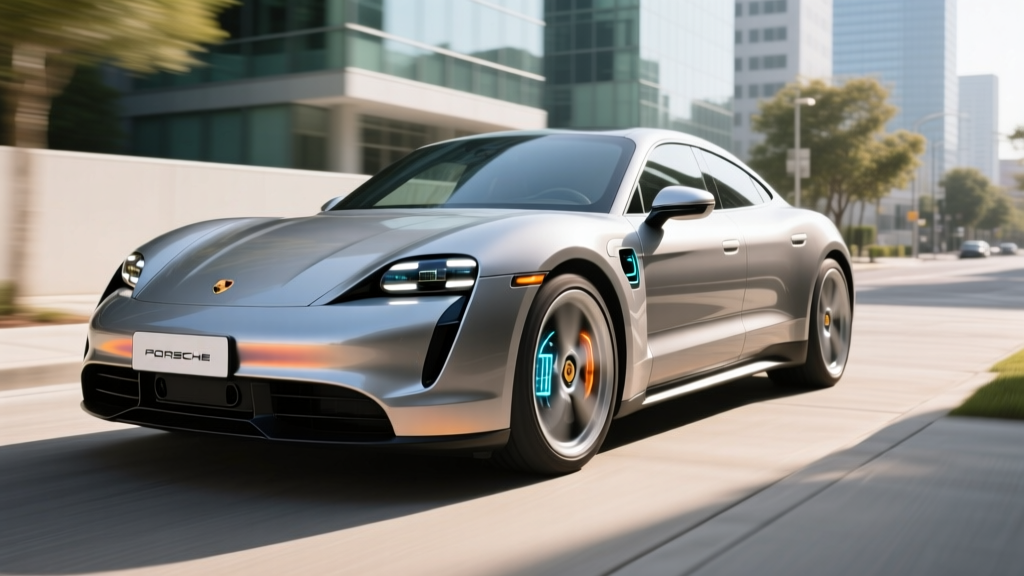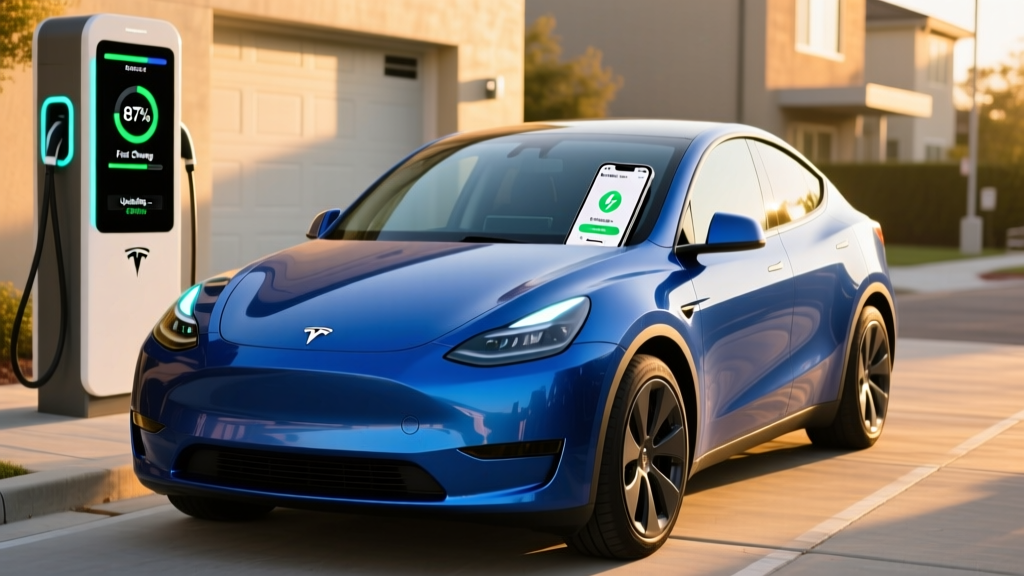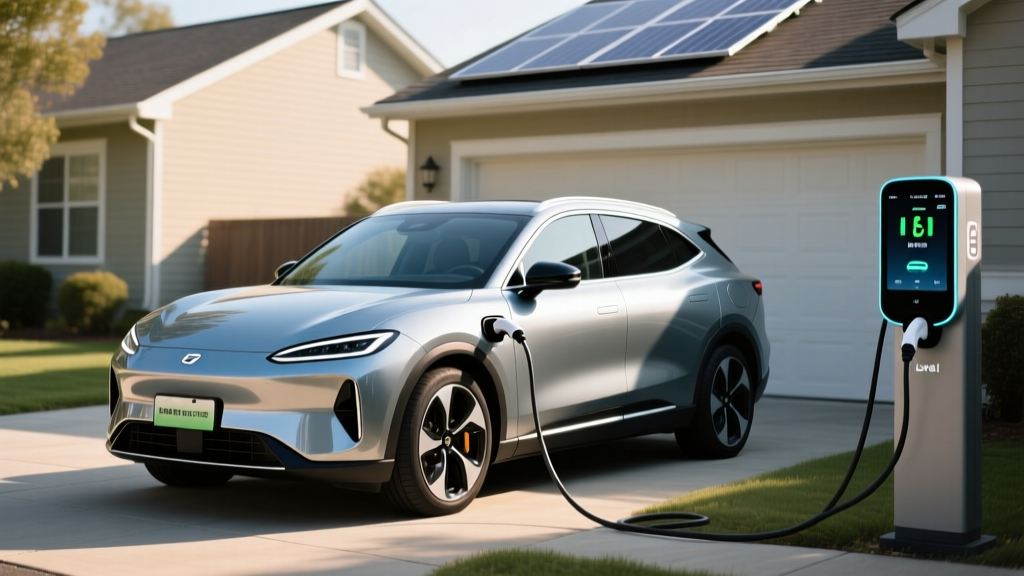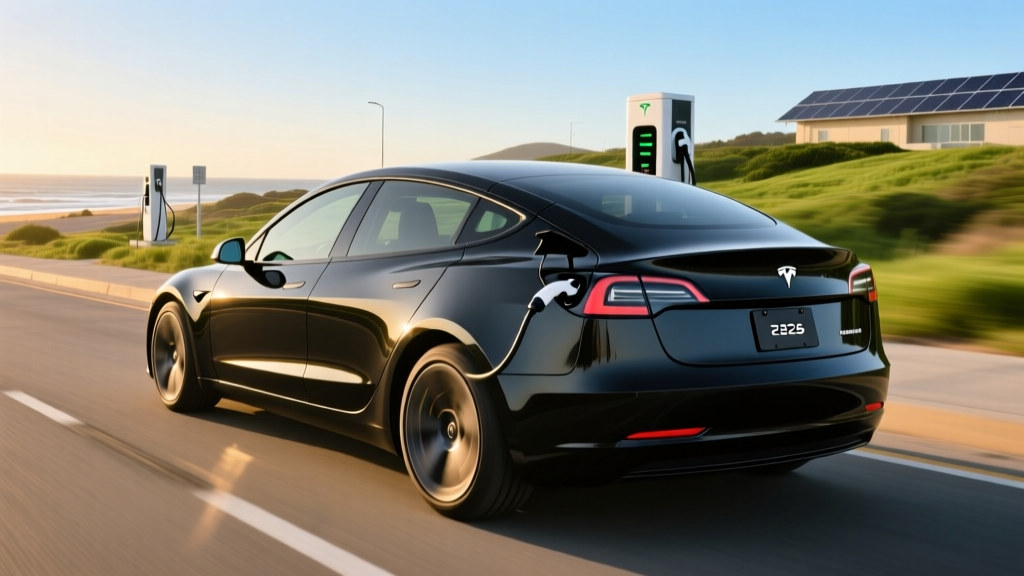
If you've been searching for pictures of Tesla Model 3 variants to understand what the refreshed "Highland" platform actually looks like in person, you're not alone. The Model 3 remains one of the most photographed and researched EVs on the market, and for good reason: it's the entry point into Tesla's ecosystem and one of the most efficient electric sedans ever sold in the United States. But glossy studio shots don't tell you what it's like to live with one. This review goes beyond the photos to deliver the exact numbers — range, charging speed, pricing, tax-credit eligibility, and real-world ownership realities — that matter when you're writing a check.
For the 2025–2026 model years, Tesla offers the Model 3 in three core trims: the Rear-Wheel Drive (RWD), the Long Range AWD, and the Performance AWD. Each uses a different battery chemistry and drivetrain configuration, which directly affects range, charging behavior, and price. Let's break them all down with the data you need.
2026 Tesla Model 3 Specifications at a Glance
| Spec | RWD (Base) | Long Range AWD | Performance AWD |
|---|---|---|---|
| EPA Range | 272 mi | 363 mi | 315 mi |
| Battery (usable) | ~57 kWh (LFP) | ~75 kWh (NMC) | ~75 kWh (NMC) |
| Drivetrain | RWD, single motor | AWD, dual motor | AWD, dual motor |
| Horsepower | 271 hp | 346 hp | 510 hp |
| 0–60 mph | 5.8 sec | 4.2 sec | 2.9 sec |
| MPGe (combined) | 132 MPGe | 130 MPGe | 116 MPGe |
| kWh/100 mi | 25 | 26 | 29 |
| Max DC Fast Charge | 170 kW | 250 kW | 250 kW |
| 10–80% DC Time | ~25 min | ~25 min | ~25 min |
| Level 2 Home Charge | 11.5 kW (~44 mi/hr) | 11.5 kW (~44 mi/hr) | 11.5 kW (~44 mi/hr) |
| Cargo Volume | 23 cu ft (trunk + frunk combined) | ||
| Base MSRP | $38,990 | $47,740 | $52,990 |
Real-World Range: What the EPA Sticker Doesn't Show
Long Range AWD: EPA 363 mi → Expect ~300–320 mi on highway trips at 70 mph; ~240–260 mi in freezing weather with cabin heat.
RWD: EPA 272 mi → Expect ~230–250 mi highway; ~190–210 mi in sub-30°F conditions.
Performance: EPA 315 mi → Expect ~260–280 mi highway; aggressive driving drops this further.
The Model 3 Long Range's 363-mile EPA figure is among the best of any EV sold in the U.S. But EPA tests include substantial low-speed city driving where regenerative braking recovers energy. On a sustained 70-mph highway run in moderate temperatures (65–75°F), plan on roughly 85% of the sticker number — that's about 308 miles in the Long Range, enough for most road-trip legs without anxiety.
The LFP battery in the RWD model behaves differently in cold weather. Lithium iron phosphate cells have higher internal resistance at low temperatures, meaning you'll see more range loss in winter than with the NMC packs in the Long Range and Performance trims. Tesla's heat pump (standard on all trims) mitigates this somewhat, but a 25–30% cold-weather reduction is realistic for the RWD in northern climates. If your commute is under 50 miles round-trip, this rarely matters. If you're driving through a Minnesota January, it matters a lot.
Charging Speed: DC Fast Charging and Home Setup
Charging speed is where trim selection has the most practical impact. The RWD's LFP battery accepts a peak of 170 kW on DC fast chargers, while the Long Range and Performance models peak at 250 kW on V3 Superchargers. However — and this is critical — peak kW is not sustained kW. The charge curve tapers significantly above 50–60% state of charge.
| Charging Level | Power (kW) | Miles Added per Hour | Typical Use Case |
|---|---|---|---|
| Level 1 (120V household) | ~1.4 kW | ~5 mi/hr | Emergency / trickle |
| Level 2 (240V home) | Up to 11.5 kW | ~44 mi/hr | Daily overnight charging |
| DC Fast (V3 Supercharger) | Up to 250 kW (LR/Perf) Up to 170 kW (RWD) |
~1,000 mi/hr (peak) | Road trips |
On a V3 Supercharger, the Long Range Model 3 will pull close to 250 kW from roughly 10% to 30% SoC, then taper to ~150 kW by 50%, and ~70 kW by 70%. The result: a 10–80% session takes about 25 minutes in ideal conditions (warm battery, preconditioned via navigation to the charger). The RWD takes roughly the same 10–80% time because its smaller battery requires less total energy, even though its peak rate is lower.
For home charging on a 48-amp Level 2 circuit (the most common residential installation), the onboard charger accepts up to 11.5 kW. That replenishes a depleted Long Range battery from 0–100% in roughly 8 hours — perfect for overnight charging. The RWD fills in about 5.5 hours on the same circuit. Note: kW is power (the rate of flow), while kWh is energy (the battery's capacity) — think of kW as the hose diameter and kWh as the bucket size.
One ownership advantage: the Model 3 uses the NACS connector natively, meaning full access to Tesla's Supercharger network — currently the most reliable DC fast-charging network in the U.S. with over 6,000 stations. Non-Tesla EVs are gaining Supercharger access via NACS adapters, but Model 3 owners plug in directly with no adapter hassle.
Design, Interior, and What the Pictures Actually Show
The refreshed Model 3 (internally called "Highland") brought visible changes that studio pictures sometimes flatten. The front fascia is sleeker with slimmer LED headlights, the rear gets a full-width light bar, and the cabin is noticeably quieter thanks to acoustic glass all around — a major complaint of pre-2024 models addressed.
Inside, the minimalist approach remains: a single 15.4-inch touchscreen handles everything from climate to media to vehicle settings. There are no physical stalks — turn signals are on the steering wheel rim, and gear selection is via the touchscreen or a backup overhead console. This is polarizing. Some owners adapt in a week; others never stop finding it annoying, especially at roundabouts and multi-point turns.
Passenger space is adequate for four adults: 42.2 inches of front legroom and 35.3 inches in the rear. The rear seat is tighter than a Hyundai Ioniq 6 or BMW i4, and the low roofline means taller passengers (over 6'1") will notice headroom limitations. Cargo space totals 23 cubic feet between the trunk (21 cu ft) and frunk (2 cu ft) — enough for two large suitcases and a week's groceries, but not class-leading.
New for the Highland refresh: ventilated front seats (a welcome addition), a rear-seat 8-inch touchscreen for climate and media, ambient lighting, and improved suspension tuning that reduces the crashy ride quality of older Model 3s. The ride is still firm — this is a sport sedan, not a luxury barge — but it no longer transmits every expansion joint into your spine.
Pricing, Trims, and Federal Tax Credit Eligibility
| Trim | Base MSRP | Federal §30D Credit | Effective Price (est.) |
|---|---|---|---|
| RWD | $38,990 | Up to $7,500* | ~$31,490 |
| Long Range AWD | $47,740 | Up to $7,500* | ~$40,240 |
| Performance AWD | $52,990 | Up to $7,500* | ~$45,490 |
*Federal tax credit eligibility depends on multiple factors. See the checklist below.
Under IRS §30D rules, the Model 3 qualifies for the federal clean vehicle credit — but not every buyer will receive the full $7,500. Here's what determines your eligibility:
- MSRP cap: Sedans must have an MSRP under $55,000. The RWD and Long Range qualify; the Performance at $52,990 also clears this cap as of current pricing, but options can push it over.
- Buyer income cap: Modified AGI must not exceed $150,000 (single), $225,000 (head of household), or $300,000 (joint filers).
- Battery sourcing: The credit splits into two halves — $3,750 for meeting critical-minerals requirements and $3,750 for battery-component sourcing. Tesla's supply chain has been evolving rapidly, and the exact credit amount (full $7,500 vs. partial $3,750) can shift based on current sourcing rules. Always verify at the point of sale.
- Point-of-sale transfer: As of 2024, buyers can transfer the credit to the dealer (Tesla) at purchase, effectively reducing the purchase price directly rather than waiting for a tax refund.
The RWD at roughly $31,500 after the full credit is arguably the best value in the entire EV market — a 272-mile, tech-loaded sedan for the price of a mid-trim Camry. Consult a tax professional to confirm your specific eligibility, and always check fueleconomy.gov for the latest credit status by VIN.
Performance, Tech, and Driver Assistance
Even the base RWD Model 3 hits 60 mph in 5.8 seconds — quicker than most gas-powered sport sedans in its price range. The Long Range drops that to 4.2 seconds with dual-motor AWD, and the Performance trim's 2.9-second run puts it in supercar territory. All trims have a low center of gravity from the under-floor battery pack, and the Highland suspension revisions make the car more composed over rough pavement without sacrificing cornering sharpness.
Tesla's Autopilot comes standard: adaptive cruise control, lane-centering, and automatic emergency braking. The optional Full Self-Driving (Supervised) package adds automated lane changes, traffic-light recognition, and city-street navigation — but it is critical to understand what this system is and is not.
Autopilot and FSD (Supervised) are SAE Level 2 driver-assistance systems. The driver must remain fully attentive, keep hands on the wheel, and be prepared to take over instantly. These are NOT self-driving systems. Tesla's "Supervised" naming reflects this reality. Only Level 4 services like Waymo operate without a human driver, and those are limited to geofenced areas.
The infotainment system remains one of the fastest and most responsive in the industry, with a built-in browser, Netflix/YouTube streaming while parked, and over-the-air updates that periodically add features. Tesla does not support Apple CarPlay or Android Auto — a dealbreaker for some buyers who prefer phone-mirrored navigation and music interfaces.
Ownership Costs, Warranty, and Longevity
Tesla covers the Model 3's battery and drive unit for 8 years / 100,000 miles (whichever comes first) on the RWD, and 8 years / 120,000 miles on Long Range and Performance trims. The warranty guarantees the battery will retain at least 70% of its original capacity during that period. Real-world degradation data from fleet studies suggests most Model 3 batteries lose roughly 10–12% capacity over the first 100,000 miles, with the curve flattening significantly afterward.
The basic vehicle limited warranty is 4 years / 50,000 miles — shorter than Hyundai's 5/60,000 or BMW's 4/50,000. Tesla does not sell extended warranties through third parties, so what you get at purchase is what you have.
Charging costs vary by region, but at the national average electricity rate of ~$0.16/kWh, charging a Long Range Model 3 from 0–100% at home costs roughly $12. At 26 kWh/100 mi, that's about $0.042 per mile — roughly one-third the per-mile fuel cost of a 30-mpg gas sedan at $3.50/gallon. Supercharger pricing varies from $0.25–$0.50/kWh depending on location and time of day.
Insurance is a real cost factor. The Model 3 carries higher-than-average premiums due to repair costs (aluminum and high-strength steel body panels, integrated battery structure). Expect quotes 20–40% above comparable gas sedans. Tesla Insurance is available in many states and can be competitive — get quotes from both before purchasing.
Pros, Cons, and Who Should Buy the Model 3
- Best-in-class efficiency (25–29 kWh/100 mi)
- Supercharger network access (NACS native)
- 272–363 mi EPA range across trims
- Sub-$32k effective price on RWD after credit
- OTA updates continuously add features
- Strong resale value relative to EV peers
- No Apple CarPlay / Android Auto
- Stalkless steering wheel takes adjustment
- Rear seat tighter than Ioniq 6, i4
- Higher insurance premiums
- FSD package expensive and still Level 2
- RWD cold-weather range loss (LFP chemistry)
- Commuters: The RWD at 272 mi range and ~$31.5k after credit is an unbeatable daily driver if you can charge at home.
- Road trippers: Long Range AWD with 363 mi and Supercharger access makes cross-country driving practical and stress-free.
- Tech enthusiasts: Tesla's software, OTA updates, and Supercharger ecosystem are the most integrated in the industry.
- NOT ideal for: Families needing spacious rear seats (consider Model Y), buyers who require CarPlay, or those without home charging access in areas with sparse public infrastructure.
Frequently Asked Questions
What is the real-world range of the 2026 Tesla Model 3?
The Long Range AWD delivers an EPA-estimated 363 miles, but expect roughly 300–320 miles on highway road trips at 70 mph and 240–260 miles in freezing weather. The RWD's 272-mile EPA rating translates to about 230–250 highway miles in moderate conditions.
How fast does the Model 3 charge at home and on road trips?
At home on a 48-amp Level 2 charger (240V), the Model 3 adds about 44 miles of range per hour, fully charging overnight in 5.5–8 hours depending on trim. On DC fast chargers, the Long Range and Performance peak at 250 kW with a 10–80% time of roughly 25 minutes; the RWD peaks at 170 kW with a similar 10–80% time due to its smaller battery.
Does the Tesla Model 3 qualify for the $7,500 federal EV tax credit?
The Model 3 is eligible for up to $7,500 under IRS §30D, but the exact amount depends on battery-sourcing compliance (which can shift), your income (caps at $150K single / $300K joint), and the vehicle's MSRP staying under $55,000 for sedans. The credit can be applied at point of sale. Always confirm current eligibility on irs.gov and with your tax advisor.
Is the Model 3 worth buying over the Hyundai Ioniq 6 or BMW i4?
The Model 3 wins on efficiency, Supercharger network access, and software. The Ioniq 6 offers more rear-seat space, 800V ultra-fast charging (10–80% in 18 minutes), and CarPlay — but its CCS connector limits Supercharger access without an adapter. The BMW i4 is a more traditional luxury sedan with better materials and CarPlay but lower range and higher pricing. If charging infrastructure and value matter most, the Model 3 remains the benchmark.
What are the biggest drawbacks of owning a Model 3?
The lack of Apple CarPlay/Android Auto is the most-cited frustration. The stalkless steering wheel (turn signals on the rim) requires an adaptation period. Insurance costs run 20–40% above comparable gas sedans. And the RWD's LFP battery loses more range in extreme cold than the NMC-equipped Long Range and Performance trims.