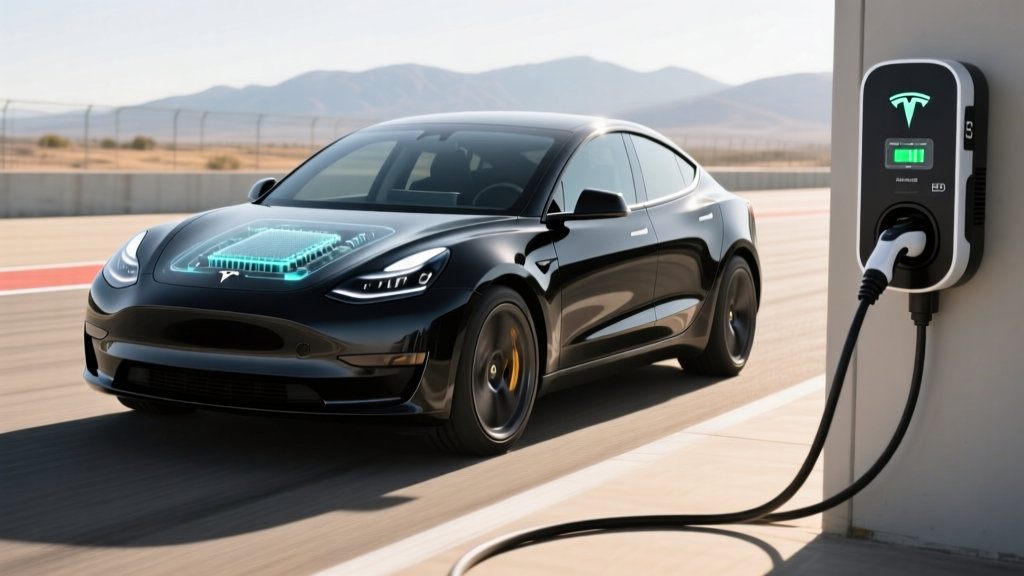
The Tesla Model 3 Performance has long been the benchmark for electric sports sedans, but the latest iteration—refreshed for 2025 and carried into the 2026 model year—represents more than a spec-sheet bump. Tesla has reworked the adaptive dampers, upgraded the front and rear motors, added a dedicated Track Mode interface, and refined the Highland cabin architecture into something that finally feels premium rather than merely minimalist. For buyers searching for Tesla Model 3 Performance upgrades over the standard Long Range AWD trim, the question isn't just whether the extra power justifies the price premium—it's whether this car has matured enough to be a daily driver and not just a drag-strip toy.
After spending time with the latest Model 3 Performance across highway commutes, mountain roads, and DC fast-charging corridors, here's what the numbers actually look like in practice.
2026 Model 3 Performance: Full Specification Breakdown
| Attribute | Specification |
|---|---|
| EPA Estimated Range | 315 miles |
| Battery Capacity | ~79 kWh usable (NMC chemistry) |
| Drivetrain | Dual-Motor AWD |
| Horsepower | 510 hp (combined) |
| Torque | 546 lb-ft |
| 0–60 mph | 2.9 seconds (with rollout subtracted) |
| Top Speed | 163 mph |
| Max DC Fast-Charge Rate | 250 kW (peak) |
| 10–80% DC Charge Time | ~25 minutes |
| Level 2 Home Charge Rate | 11.5 kW (~44 mi/hr) |
| EPA Efficiency | 121 MPGe combined / 28 kWh/100 mi |
| Cargo Volume | 23 cu ft (rear trunk + frunk) |
| Rear Legroom | 35.2 inches |
| Curb Weight | ~4,065 lbs |
| Battery & Drive Unit Warranty | 8 years / 120,000 miles |
| Base MSRP | $54,990 (before destination) |
What's New: The Upgrades That Define This Model Year
The "Performance" badge on the Model 3 used to mean little more than a software unlock and a slightly larger rear motor. The current generation is a fundamentally different animal. Here are the key Tesla Model 3 Performance upgrades that separate this trim from the Long Range AWD:
- Adaptive Dampers: Tesla's in-house-developed adaptive suspension replaces the passive setup on the Long Range. In Comfort mode, the ride is genuinely compliant over broken pavement; in Sport, body roll is nearly eliminated during aggressive cornering. This is the single most transformative upgrade for daily usability.
- New Rear Drive Unit: The permanent-magnet rear motor now produces more torque and sustains it longer before thermal derating kicks in. Tesla quotes the 4th-generation drive unit as delivering improved efficiency at part-throttle, which matters for real-world highway driving where you're rarely at full acceleration.
- Track Mode v3: Accessible via the 15.4-inch touchscreen, Track Mode now offers individual front/rear torque distribution sliders, adjustable regen strength, and a stability-control defeat that allows meaningful slip angles without fully disabling safety nets. Lap timer and G-meter overlays are integrated into the instrument display.
- Highland Interior Refresh: Acoustic glass (front and rear), ventilated front seats, ambient lighting, a rear-seat touchscreen for climate and media, and substantially improved material quality (soft-touch surfaces, real aluminum trim) bring the cabin closer to BMW 3 Series territory.
- Brake Upgrades: Larger front rotors and revised calipers improve fade resistance during repeated hard stops, though the brake pedal feel remains somewhat vague due to the blended regen system.
Real-World Range vs. the EPA Sticker
Real-World Highway (70–75 mph, moderate climate): ~265–280 miles
Real-World Cold Weather (below 32°F, highway): ~220–240 miles
Real-World City / Mixed Commute: ~290–310 miles
The EPA's 315-mile estimate for the Model 3 Performance is achievable in mild conditions with a mix of city and suburban driving where regenerative braking recovers energy. On a sustained 75-mph highway run at 70°F, expect roughly 270 miles before the battery hits 10% State of Charge (SoC)—a comfortable buffer for most road trips but meaningfully less than the sticker suggests.
Cold weather is the bigger variable. Lithium-ion cells lose efficiency in freezing temperatures, and cabin heating draws heavily from the pack even with the Model 3's heat pump. In sub-freezing highway driving, plan for 220–240 miles of usable range. Preconditioning the battery (automatically triggered when you navigate to a Supercharger) mitigates charging-speed loss in the cold, but it does not restore range lost to heating loads.
The NMC (nickel manganese cobalt) chemistry in the Performance's pack offers higher energy density than the LFP (lithium iron phosphate) cells used in the base RWD Model 3, which is why the Performance achieves 315 miles from a ~79 kWh pack while the LFP RWD model manages 272 miles from a smaller, heavier pack. The trade-off: Tesla recommends daily charging to 80% for NMC packs to preserve longevity, while LFP packs can be charged to 100% daily without degradation concerns. For the Performance, that means your practical daily range is closer to 250 miles unless you manually override the charge limit for a road trip.
Charging Speed: DC Fast, Level 2, and the Supercharger Advantage
| Charging Level | Power / Rate | Miles Added per Hour | Notes |
|---|---|---|---|
| Level 1 (120V household) | ~1.4 kW | ~5 mi/hr | Emergency/trickle only |
| Level 2 (240V home, 48A) | 11.5 kW | ~44 mi/hr | Full charge overnight (~7 hrs) |
| DC Fast Charge (peak) | 250 kW | ~750+ mi/hr (peak) | 10–80% in ~25 min |
| Tesla Supercharger V4 | Up to 250 kW | Varies by stall | Widely available, NACS native |
The Model 3 Performance peaks at 250 kW on a V3 or V4 Supercharger, but that peak is sustained only briefly—typically between 10% and 30% SoC. By 50% SoC, the charge rate tapers to roughly 150 kW, and above 80%, it drops below 60 kW as the battery management system protects cell health. This charge-curve taper is why Tesla (and every other manufacturer) quotes 10–80% times rather than 0–100%: the final 20% can take as long as the first 70%.
In practice, a 10–80% session at a V3 Supercharger takes approximately 25 minutes, adding roughly 210 miles of range. That's competitive with the Hyundai Ioniq 6 (which peaks higher at 350 kW on 800V architecture and charges 10–80% in ~18 minutes) but still adequate for most road-trip rest stops.
At home on a Level 2 wall connector (48-amp circuit, requiring a 60-amp breaker), the Model 3 Performance accepts 11.5 kW, replenishing roughly 44 miles of range per hour. A full 10–80% charge takes about 5 hours—plug in when you get home, and you'll wake up to a full daily allocation. According to fueleconomy.gov, the Model 3 Performance's combined efficiency of 28 kWh/100 mi translates to roughly $0.04–$0.06 per mile at average US electricity rates, versus $0.12–$0.15/mile for a comparable 25-MPG gas sports sedan.
Performance, Ride, and Daily Drivability
The headline number—2.9 seconds to 60 mph—is staggering for a sedan that starts under $55,000. But the Model 3 Performance's real performance story is how it delivers that speed with a composure the pre-refresh models lacked.
The adaptive dampers are the revelation. In Comfort mode, the car absorbs highway expansion joints and potholes with a firmness that's communicative without being punishing. Switch to Sport and the body stays flat through sweeping highway on-ramps at speeds that would have the old Model 3 Performance feeling nervous. The steering is quick and precise, though it remains light and somewhat numb—a Tesla hallmark that enthusiasts still debate.
Track Mode v3 is genuinely useful for anyone who attends track days. The ability to bias torque rearward (up to 100% rear) transforms the car's cornering character from neutral to tail-happy, and the integrated lap timer and thermal management keep the battery and motors from derating prematurely. That said, the Model 3 Performance is still a heavy car at over 4,000 lbs, and tire wear during track use will be significant.
For daily driving, the cabin upgrades matter as much as the powertrain. The acoustic glass makes this the quietest Model 3 ever produced—wind and road noise are dramatically reduced at highway speeds. Ventilated seats, a heated steering wheel, and the rear-seat touchscreen bring the experience closer to a BMW 3 Series or Genesis G70, though the absence of physical controls (climate, volume, glovebox release—all routed through the touchscreen or voice) continues to polarize.
Driver Assistance: Autopilot and FSD Supervised
The driver must remain fully engaged, hands on the wheel, eyes on the road. Autopilot and FSD Supervised are not self-driving systems. Tesla's naming conventions are marketing terms, not SAE classifications.
Every Model 3 Performance comes standard with Tesla's Basic Autopilot, which includes adaptive cruise control and lane-centering on highways. The optional Full Self-Driving (Supervised) package ($8,000 one-time or $99/month as of early 2026) adds automated lane changes, traffic-light and stop-sign recognition, and city-street navigation with steering assist. FSD has improved substantially in reliability, but it still requires constant driver supervision and occasionally makes erratic decisions in construction zones or complex intersections. According to NHTSA, all Level 2 systems carry the same driver-responsibility requirement regardless of marketing name.
For highway commuters, Basic Autopilot is excellent and sufficient. FSD is a personal preference—try the monthly subscription before committing to the full purchase.
Pricing, Trims, and Federal Tax Credit Eligibility
| Trim | Drivetrain | Base MSRP | Est. After §30D Credit* |
|---|---|---|---|
| Model 3 RWD | Rear-Wheel Drive | $38,990 | ~$31,490 |
| Model 3 Long Range AWD | Dual-Motor AWD | $45,990 | ~$38,490 |
| Model 3 Long Range RWD | Rear-Wheel Drive | $42,490 | ~$34,990 |
| Model 3 Performance | Dual-Motor AWD | $54,990 | ~$47,490 |
*Federal tax credit estimates assume buyer eligibility under current IRS §30D rules. Actual credit depends on income caps, battery sourcing, and MSRP limits.
The Model 3 Performance at $54,990 (plus $1,390 destination) falls under the IRS's $55,000 MSRP cap for sedans, making it eligible for the full $7,500 federal tax credit—provided the buyer meets income requirements (adjusted gross income ≤ $150,000 single / ≤ $300,000 joint filers) and the vehicle's battery components and critical minerals satisfy the phased-in sourcing thresholds for 2026. As of this model year, the Model 3 built at Giga Texas meets the critical-minerals and battery-component requirements for the full credit, but buyers should verify current eligibility at the point of sale, where the credit can now be transferred directly to the dealer as a price reduction.
Adding FSD ($8,000), a premium paint color ($1,000–$2,500), or 20-inch wheels (which reduce EPA range) can push the as-tested price above $65,000. The Model 3 Long Range AWD at $45,990 offers 341 miles of EPA range and a 4.2-second 0–60 time—plenty quick for most drivers—and leaves more budget headroom for options. The Performance's $9,000 premium over Long Range AWD buys you the adaptive suspension, Track Mode, upgraded brakes, the new rear motor, and cosmetic differentiators (carbon-fiber spoiler, Performance badges, lowered stance).
Pros and Cons: The Honest Assessment
Pros
- 2.9-second 0–60 mph at a sub-$55K price point is unmatched
- Adaptive dampers transform daily ride quality over previous generations
- Tesla Supercharger network remains the most reliable DC fast-charging ecosystem in the US
- 315-mile EPA range is sufficient for most road trips with one charge stop
- Highland cabin is materially quieter and better-finished
- Over-the-air updates continuously add features post-purchase
- Strong residual values relative to most EV competitors
Cons
- No physical controls—everything routes through the touchscreen
- Rear-seat space is tight for taller adults (35.2" legroom vs. 37"+ in rivals)
- NMC battery requires 80% daily charge limit, reducing practical daily range
- Charging speed (250 kW peak) trails Hyundai/Kia's 800V architecture (350 kW)
- FSD is expensive and still requires full driver attention
- Track use accelerates tire wear significantly on the heavy chassis
- Minimal dealer network for service—Tesla mobile and service-center dependent
Who Should Buy the Model 3 Performance?
The Model 3 Performance is ideal for the driving-enthusiast commuter who wants supercar-rivaling acceleration in a practical, efficient daily driver. If your routine includes a mix of highway commuting, back-road weekend drives, and occasional road trips under 500 miles, this car covers all of those use cases with minimal compromise.
It is less suited for families who need generous rear-seat space (the Model Y or a midsize SUV is more practical), or for buyers who prioritize physical controls and traditional luxury-brand dealership service networks. If you live in an apartment without home-charging access, the Model 3's reliance on public charging (even with Tesla's excellent Supercharger network) adds friction compared to a plug-in hybrid alternative.
For buyers weighing the Performance against the Long Range AWD, the decision framework is straightforward: if you value adaptive suspension, Track Mode, and sub-3-second acceleration enough to pay $9,000 more and sacrifice 26 miles of EPA range, the Performance delivers. If you simply want a fast, efficient, well-equipped electric sedan, the Long Range AWD at $45,990 is the smarter financial choice.
Frequently Asked Questions
What is the real-world range of the Tesla Model 3 Performance?
The EPA rates it at 315 miles, but real-world highway driving at 70–75 mph yields approximately 265–280 miles in moderate temperatures. In cold weather (below 32°F), expect 220–240 miles. City driving with regenerative braking can approach or match the EPA figure.
How fast does the Model 3 Performance charge at home and on the road?
On DC fast charging, it peaks at 250 kW and charges from 10–80% in about 25 minutes at a Tesla Supercharger. At home on a Level 2 wall connector (11.5 kW), it adds roughly 44 miles of range per hour, with a full overnight charge taking about 7 hours from 10% to 80%.
How much does the Model 3 Performance cost after tax credits?
The base MSRP is $54,990 plus $1,390 destination. With the full $7,500 federal §30D tax credit (subject to income caps, MSRP limits, and battery-sourcing rules), the effective price drops to approximately $47,490. State and local incentives may reduce the cost further—check IRS.gov and your state energy office for current eligibility.
Is the Model 3 Performance worth buying over the Long Range AWD or competitors?
If you want adaptive suspension, Track Mode, and 2.9-second 0–60 times, yes—the $9,000 premium is justified. For pure value, the Long Range AWD offers 341 miles of range and 4.2-second 0–60 for $9,000 less. Against the BMW i4 M50 (faster, more luxurious, but ~$70K and less efficient) or the Hyundai Ioniq 6 (faster charging, lower price, but less powerful and no comparable driver-assist ecosystem), the Model 3 Performance occupies a unique value-performance niche.
Does the Tesla Model 3 Performance qualify for the $7,500 federal EV tax credit?
Yes, as of the 2026 model year, the Model 3 Performance falls under the $55,000 MSRP sedan cap and the Giga Texas-built battery meets critical-minerals and component-sourcing thresholds. However, buyer eligibility is subject to income caps ($150K single / $300K joint AGI), and the credit can be transferred at point of sale. Always verify with your tax professional and the IRS before finalizing a purchase.
What is the battery warranty on the Model 3 Performance?
Tesla covers the battery and drive units for 8 years or 120,000 miles, whichever comes first, with a minimum 70% capacity retention guarantee over that period. Real-world degradation data from Tesla's fleet suggests most NMC packs retain 85–90% capacity after 100,000 miles when charged primarily to 80% and DC fast-charged moderately.