Quick Verdict: Two Platforms, Different Missions
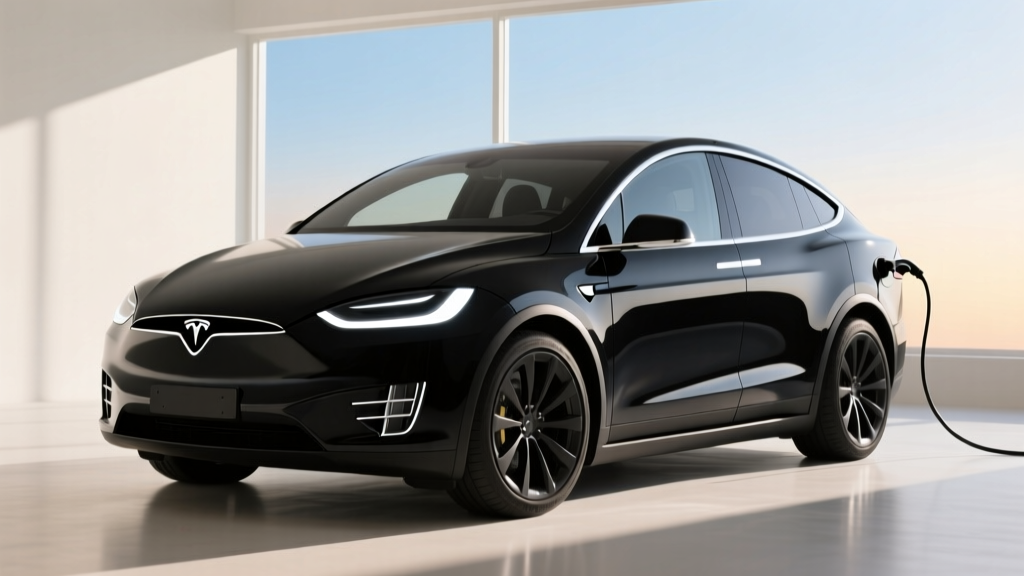
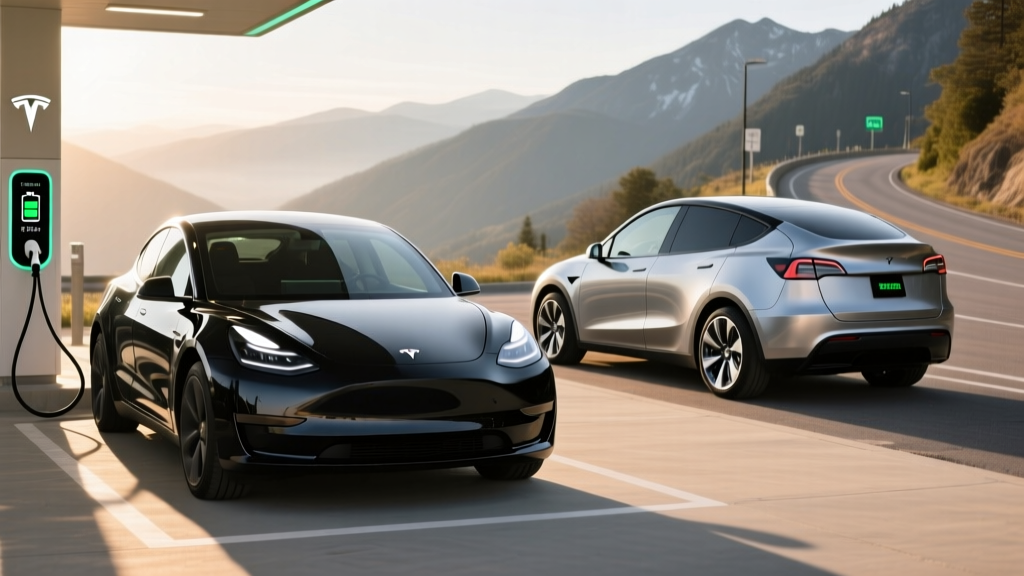
If you're cross-shopping the Tesla Model 3 and Model Y in 2026, you're really choosing between a sport sedan and a compact crossover built on the same architecture. The refreshed Model 3 (codenamed "Highland" and now fully integrated into the lineup) and the Juniper-refreshed Model Y share powertrains, battery chemistries, and software — but diverge sharply on cargo utility, ride height, and price. Neither is universally "better." The right choice depends on whether you prioritize driving dynamics and efficiency (Model 3) or passenger headroom, cargo volume, and family practicality (Model Y).
Spec Showdown: Model 3 vs. Model Y at a Glance
| Specification | 2026 Model 3 Long Range AWD | 2026 Model Y Long Range AWD |
|---|---|---|
| EPA Range | 363 mi | 320 mi |
| Battery (usable) | ~75 kWh (NMC) | ~75 kWh (NMC) |
| RWD Base Battery | ~60 kWh LFP (RWD trim) | ~60 kWh LFP (RWD trim) |
| Drivetrain | Dual-motor AWD | Dual-motor AWD |
| Horsepower | ~384 hp | ~384 hp |
| 0–60 mph | 4.2 sec | 4.8 sec |
| Efficiency (MPGe) | 132 MPGe combined | 122 MPGe combined |
| kWh/100 mi | 25 kWh | 28 kWh |
| Max DC Fast Charge | 250 kW peak | 250 kW peak |
| 10–80% DC Time | ~25 min | ~27 min |
| Level 2 Home Charge | 11.5 kW (~44 mi/hr) | 11.5 kW (~39 mi/hr) |
| Cargo (rear seats up) | 23 cu ft | 30 cu ft |
| Cargo (seats folded) | — | 72 cu ft |
| Rear Legroom | 35.2 in | 38.0 in |
| Battery Warranty | 8 yr / 120,000 mi | 8 yr / 120,000 mi |
| Base MSRP | $42,380 (RWD) | $44,380 (RWD) |
| Long Range AWD MSRP | $47,380 | $48,380 |
Source: fueleconomy.gov and Tesla specifications. Prices reflect 2026 MSRP before destination; actual pricing may vary by configuration.
Range and Efficiency: The Sedan Advantage
The Model 3's lower, sleeker profile gives it a measurable efficiency edge. At 25 kWh per 100 miles (combined), it sips electrons compared to the Model Y's 28 kWh/100 mi. Over 15,000 miles of annual driving, that translates to roughly 450 fewer kWh consumed — about $60–$90 in annual electricity savings at the national average residential rate of $0.17/kWh.
Both vehicles use a ~75 kWh usable NMC (nickel manganese cobalt) pack in Long Range AWD trims, while the base RWD models use a ~60 kWh LFP (lithium iron phosphate) battery. The LFP chemistry trades energy density for longevity and the ability to charge routinely to 100% without degradation concerns — a meaningful advantage for daily commuters who can charge at home every night. NMC packs are better suited to drivers who need maximum single-charge range for road trips and prefer to hold state of charge between 20–80% for daily use.
Charging Speed: Supercharger Network and Home Setup
| Charging Method | Power / Rate | Model 3 Miles Added | Model Y Miles Added | Notes |
|---|---|---|---|---|
| Level 1 (120V outlet) | ~1.4 kW | ~4 mi/hr | ~3 mi/hr | Emergency/trickle only |
| Level 2 (240V, 48A) | 11.5 kW | ~44 mi/hr | ~39 mi/hr | Full overnight charge in 7–9 hrs |
| DC Fast (V3 Supercharger) | 250 kW peak | ~175 mi in 15 min | ~160 mi in 15 min | Peak rate tapers above 50% SoC |
| DC Fast (V4 Supercharger) | ~350 kW capable | Vehicle-limited to ~250 kW | Vehicle-limited to ~250 kW | Future OTA may unlock higher rates |
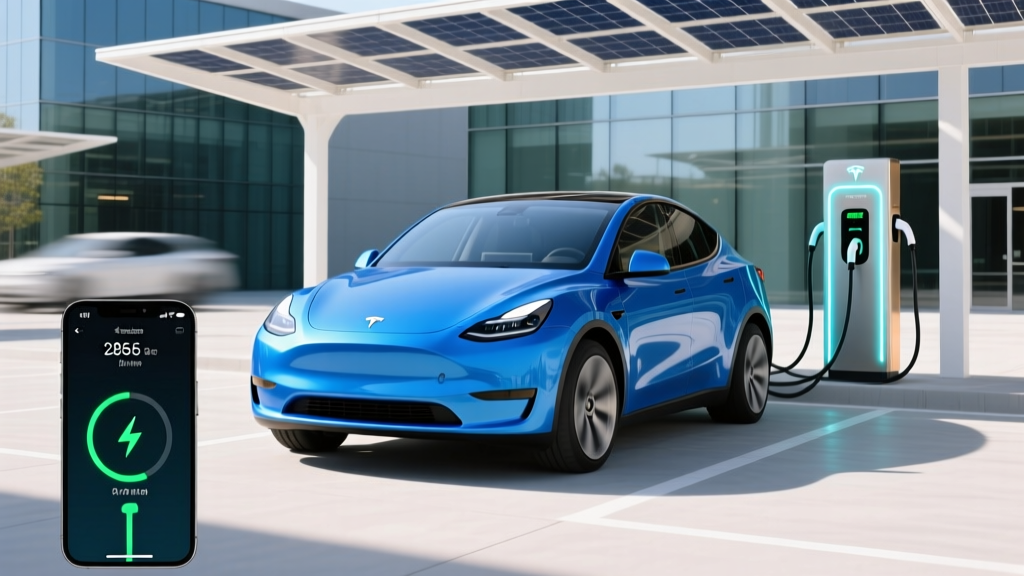
Both models peak at 250 kW on DC fast charging, adding roughly 175 miles in 15 minutes under ideal conditions (warm battery, low state of charge). The charge curve is the critical detail most spec sheets omit: peak 250 kW holds only between roughly 10–30% state of charge, then tapers to ~150 kW by 50%, and drops further to ~75 kW above 70%. This is why the 10–80% time is ~25 minutes rather than the ~18 minutes that sustained peak power would suggest.
For home charging, a 48-amp Level 2 wall connector on a 60-amp circuit delivers a full charge overnight. Installation typically costs $800–$2,000 depending on panel capacity and conduit run. Both vehicles use the NACS (North American Charging Standard) connector natively — no adapter needed at Tesla Superchargers, and increasingly compatible at third-party networks adopting NACS.
Performance and Driving Dynamics
The Model 3 Long Range AWD hits 0–60 mph in 4.2 seconds with roughly 384 horsepower from its dual-motor setup. The Model Y Long Range AWD posts a 4.8-second run with the same powertrain — the extra 400+ pounds of curb weight and taller profile account for the gap. In real-world driving, both deliver instant torque, seamless regenerative braking (adjustable via the touchscreen), and a low center of gravity from the floor-mounted battery pack.
The Highland-refreshed Model 3 introduced acoustic glass, revised suspension tuning, and ventilated front seats — narrowing the refinement gap with luxury sedans. The Juniper-refreshed Model Y mirrors these improvements with a quieter cabin and smoother ride over the pre-2025 model. Neither vehicle is a sports car, but the Model 3's lower seating position and tighter steering make it the more engaging choice on back roads.
Pricing, Trims, and Federal Tax Credit Eligibility
| Trim | Model 3 MSRP | Model Y MSRP | Est. Price After §30D Credit* |
|---|---|---|---|
| RWD (LFP) | $42,380 | $44,380 | $34,880 / $36,880 |
| Long Range AWD | $47,380 | $48,380 | $39,880 / $40,880 |
| Performance AWD | $52,380 | $53,380 | $44,880 / $45,880 |
*Assumes full $7,500 federal tax credit under IRS §30D. Eligibility is not universal — see checklist below.
- MSRP Cap: Sedans (Model 3) must be ≤$55,000; SUVs/crossovers (Model Y) ≤$80,000. All current trims qualify.
- Buyer Income Cap: AGI ≤$150,000 (single), ≤$225,000 (head of household), ≤$300,000 (joint).
- Battery Sourcing: Must meet critical-minerals and battery-component requirements per IRS sourcing rules — Tesla's shifting supply chain means eligibility can change by production batch. Verify at IRS qualified vehicles list before purchase.
- Point-of-Sale Transfer: Eligible buyers can apply the $7,500 credit as an instant rebate at the dealer, reducing out-of-pocket cost.
Interior, Cargo, and Tech
The Model 3's minimalist cabin centers on a 15.4-inch touchscreen handling navigation, climate, media, and vehicle settings. Rear passengers get 35.2 inches of legroom — adequate for adults on shorter trips but tighter than midsize sedans. Cargo space behind the rear seats is 23 cubic feet, with a small front trunk (frunk) adding about 3.1 cubic feet.
The Model Y's crossover body delivers meaningfully more utility: 38.0 inches of rear legroom, 30 cubic feet behind the second row, and 72 cubic feet with seats folded — enough for furniture or camping gear. An optional third row (best suited for small children) is available. The higher roof and liftgate make loading bulky items far easier than the Model 3's sedan trunk.
Both vehicles include Tesla's 12-camera vision suite and basic Autopilot (lane centering + adaptive cruise) at no extra cost. Full Self-Driving (Supervised) — an SAE Level 2 driver-assist system requiring continuous driver engagement — is available as an $8,000 add-on or $99/month subscription. It does not make the vehicle autonomous; the driver remains legally and practically responsible at all times.
Pros and Cons
- Class-leading efficiency (25 kWh/100 mi)
- Longest EPA range in the lineup (363 mi LR AWD)
- Lower price of entry
- Sharper handling and quieter cabin post-Highland refresh
- Access to Supercharger network with native NACS
- Tight rear seat for tall passengers
- Sedan trunk limits bulky cargo
- No third-row option
- Minimalist interior not for everyone (no instrument cluster)
- 72 cu ft cargo with seats folded
- More rear headroom and legroom
- Optional third row for families
- Higher driving position and easier ingress/egress
- Same Supercharger access and tech suite
- 43 fewer miles of EPA range vs. Model 3 LR AWD
- Lower efficiency (28 kWh/100 mi) means higher charging cost
- Higher base price across all trims
- Competitors like the Hyundai Ioniq 5 offer faster peak charging
Who Should Buy Which?
Choose the Model 3 if: You commute solo or as a couple, prioritize maximum range and efficiency, enjoy a sportier driving feel, and rarely haul bulky cargo. It's the better value for single professionals, couples without children, and high-mileage commuters who want to minimize charging costs.
Choose the Model Y if: You regularly carry rear-seat passengers, need versatile cargo space for gear or groceries, want an optional third row for small children, or prefer the elevated seating position of a crossover. It's the pragmatic pick for growing families and active-lifestyle buyers who value utility over marginal efficiency gains.
Frequently Asked Questions
What is the real-world range of the Model 3 and Model Y?
The Model 3 Long Range AWD delivers roughly 290–310 highway miles in mild weather and 220–250 miles in freezing conditions. The Model Y Long Range AWD yields about 260–280 highway miles in mild weather and 190–220 in winter. City driving with regenerative braking often matches or exceeds EPA estimates.
How fast do they charge on DC fast chargers and at home?
Both peak at 250 kW on V3 Superchargers, adding ~175 miles in 15 minutes (Model 3) or ~160 miles (Model Y). A full 10–80% session takes 25–27 minutes due to charge-curve taper. At home on a 48-amp Level 2 charger, expect a full overnight charge in 7–9 hours.
Does the Model 3 or Model Y qualify for the $7,500 federal tax credit?
Both models appear on the IRS qualified vehicles list as of early 2026, but eligibility depends on your AGI, the specific vehicle's battery sourcing compliance, and MSRP caps. Always verify your specific VIN's eligibility before purchase and consult a tax professional for your situation.
Is it worth buying over competitors like the Hyundai Ioniq 5 or Ford Mustang Mach-E?
Tesla's advantages remain Supercharger network access (though competitors now use NACS adapters), industry-leading software integration, and strong resale value. The Ioniq 5 charges faster on compatible 350 kW chargers and offers a more conventional interior. The Mach-E provides a more traditional driving experience. If Supercharger reliability and Tesla's tech ecosystem matter most, the Model 3/Y hold an edge; if you prefer physical controls and faster peak charging, test-drive the competition.
How long will the battery last?
Tesla warrants the battery for 8 years or 120,000 miles (whichever comes first) with a minimum 70% capacity retention threshold. Real-world degradation data from fleet operators suggests NMC packs lose roughly 10–12% capacity over 150,000 miles, while LFP packs in RWD trims degrade more slowly (5–8%) and can be charged to 100% daily without harm. Out-of-warranty replacement costs range from $12,000–$16,000 depending on pack size.