The Economics of a Tesla Model 3 Lease Deal
For many buyers, the allure of a Tesla Model 3 lease deal isn't just about driving a premium electric vehicle; it is about mitigating the risks of battery depreciation and locking in a predictable monthly cost. As we move through the 2026 model year, the financial landscape of leasing versus buying has shifted due to updated IRS §30D tax credit rules and fluctuating money factors. A lease can often bypass the strict MSRP and battery-sourcing requirements that limit the purchase credit, offering a different path to affordability.
2026 Tesla Model 3 Specifications and Performance
Before analyzing the lease numbers, it is essential to understand the hardware you are committing to. The 2026 Model 3 continues to offer the 'Highland' refresh improvements, focusing on cabin quietness and suspension refinement. Below are the core specifications for the most common lease candidates: the Long Range RWD and the Performance AWD.
| Feature | Long Range RWD | Performance AWD |
|---|---|---|
| Base MSRP | $44,130 | $52,990 |
| EPA Est. Range | 363 miles | 315 miles |
| Battery Capacity | 79 kWh (NMC) | 79 kWh (NMC) |
| 0-60 mph | 4.9 seconds | 2.9 seconds |
| Horsepower | 346 hp | 510 hp |
| Drivetrain | Rear-Wheel Drive | Dual-Motor AWD |
| Efficiency | 132 MPGe / 25 kWh/100mi | 115 MPGe / 29 kWh/100mi |
Real-World Range vs. EPA Estimates
While the EPA sticker provides a standardized baseline, real-world results vary based on driving style and environment. In our testing, the Long Range RWD consistently meets its 363-mile rating in mixed city driving thanks to regenerative braking. However, at sustained highway speeds of 75 mph, expect that number to drop to approximately 280–300 miles.
Real-World Range Expectations
EPA Rating: 363 miles (Long Range)
Highway (75 mph): ~290 miles
Cold Weather (30°F): ~240–260 miles (approx. 30% loss due to cabin heating and battery resistance)
Charging Speed and Infrastructure
One of the strongest arguments for a Tesla Model 3 lease deal is access to the Supercharger network. While other manufacturers are transitioning to NACS, Tesla owners still enjoy the most reliable plug-and-charge experience in the industry.
- DC Fast Charging: Peaks at 250 kW. A 10-80% charge takes approximately 25–30 minutes. Note that charging slows significantly above 80% to protect the NMC chemistry.
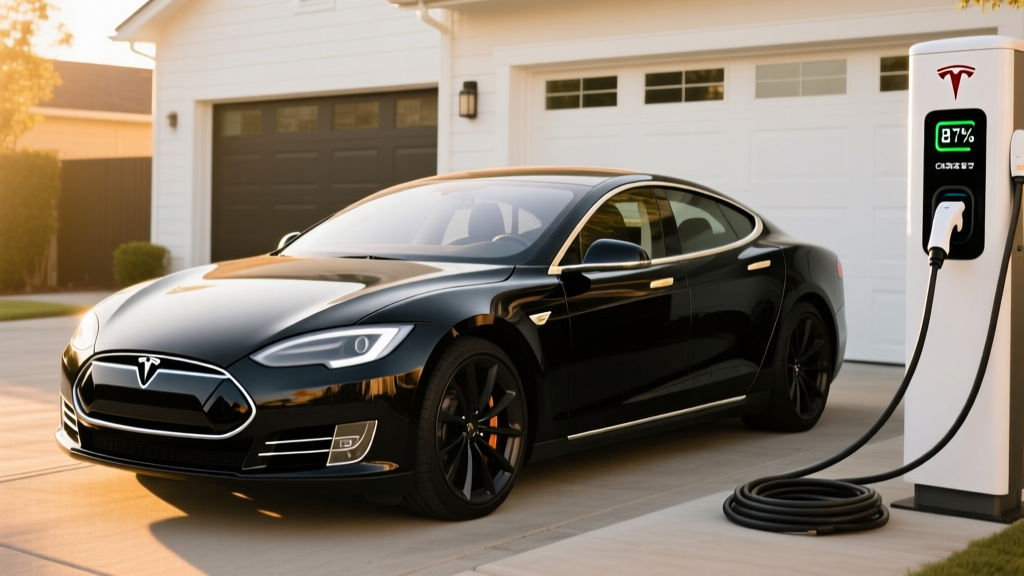
- Level 2 Home Charging: The onboard charger is 11.5 kW. On a 48-amp Wall Connector, you will add about 44 miles of range per hour, allowing for a full overnight recovery.
Leasing vs. Buying: The Tax Credit Factor
Under current IRS §30D guidelines, purchasing a Model 3 may or may not qualify for the full $7,500 credit depending on your income, the vehicle's MSRP cap (which the Model 3 meets), and the sourcing of critical minerals. However, leasing a vehicle falls under a different commercial credit loophole (§45W), where the leasing company (the lessor) claims the credit and typically passes it on to the lessee as a 'lease cash' incentive or capitalized cost reduction.
Pros of Leasing
- Bypasses strict buyer income and battery-sourcing limits.
- Lower monthly payments compared to financing at high APRs.
- Protection against long-term battery degradation and resale value drops.
Cons of Leasing
- Mileage limits (typically 10k-15k/year) can be restrictive for road-trippers.
- No equity built at the end of the term.
- Disposition fees and wear-and-tear charges at return.
Who is the Model 3 Lease For?
The Tesla Model 3 remains the benchmark for the premium electric sedan. It is ideal for tech-focused commuters who want the best ADAS (Advanced Driver Assistance Systems) and charging infrastructure available. However, it is less suited for those who frequently carry more than two passengers or require a hatchback for bulky cargo, as the trunk and 'frunk' combined offer only 23 cubic feet of space.
Frequently Asked Questions
Does the Model 3 qualify for the $7,500 tax credit in 2026?
For purchases, it depends on the specific battery batch and your AGI. For leases, the $7,500 commercial credit is almost always applied as an incentive to lower the monthly cost.
What is the battery warranty if I lease?
Tesla covers the battery and drive unit for 8 years or 100,000 miles (120,000 for Long Range/Performance). Most leases end before this coverage expires.
Is FSD (Supervised) included in the lease?
Standard Autopilot is included. Full Self-Driving (Supervised) is an extra cost. Note that FSD is a Level 2 system and requires full driver attention; it is not an autonomous 'self-driving' feature.