Quick Verdict: Minimalism With Real Substance
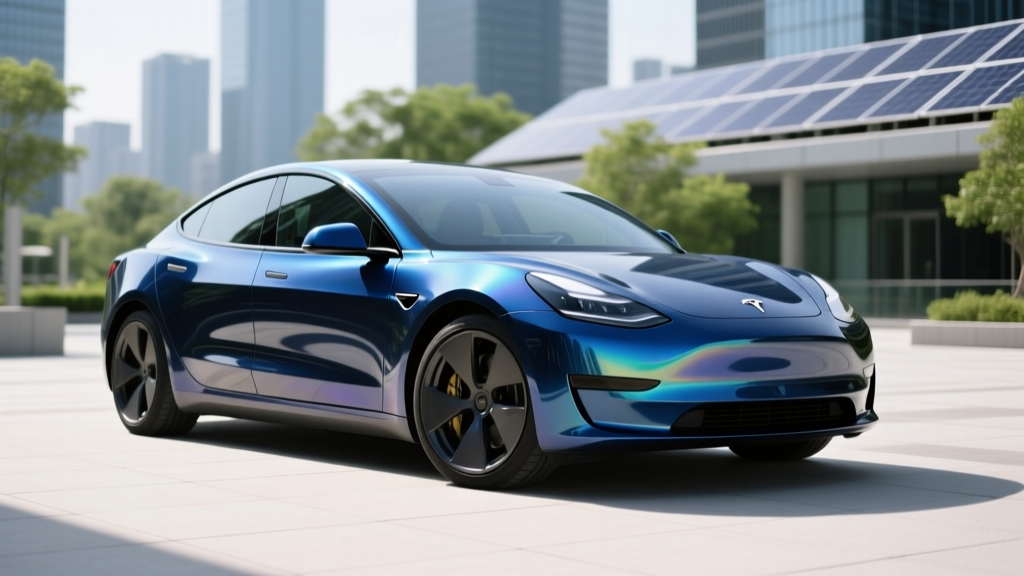
The interior of a Tesla Model 3 has always been polarizing — a near-empty dashboard anchored by a single touchscreen. With the Highland refresh (introduced late 2023 and carried into the 2026 model year), Tesla addressed the loudest criticisms: cabin noise, material quality, and rear-seat comfort. The result is a sedan that finally feels premium enough to justify its price, while retaining the software-first philosophy that defines the brand. But minimalism still means compromise — no physical buttons, no instrument cluster, and a reliance on the center screen that isn't for everyone.
| Spec | Long Range AWD | Performance AWD | RWD (Base) |
|---|---|---|---|
| EPA Range | 363 mi | 315 mi | 272 mi |
| Battery (usable) | ~75 kWh (NMC) | ~75 kWh (NMC) | ~57.5 kWh (LFP) |
| Drivetrain | Dual-Motor AWD | Dual-Motor AWD | Single-Motor RWD |
| Horsepower | 346 hp | 510 hp | 271 hp |
| 0–60 mph | 4.2 sec | 2.9 sec | 5.8 sec |
| Peak DC Charge | 250 kW | 250 kW | 170 kW |
| 10–80% DC Time | ~25 min | ~25 min | ~30 min |
| Level 2 Home Rate | 11.5 kW (~44 mi/hr) | 11.5 kW (~44 mi/hr) | 11.5 kW (~44 mi/hr) |
| MPGe (combined) | 132 MPGe | 116 MPGe | 132 MPGe |
| Base MSRP | $47,740 | $54,990 | $38,990 |
Source: fueleconomy.gov and Tesla's official specifications. Prices exclude destination fees and are subject to change.
The Cabin: Materials, Layout, and the Screen-Centric Experience
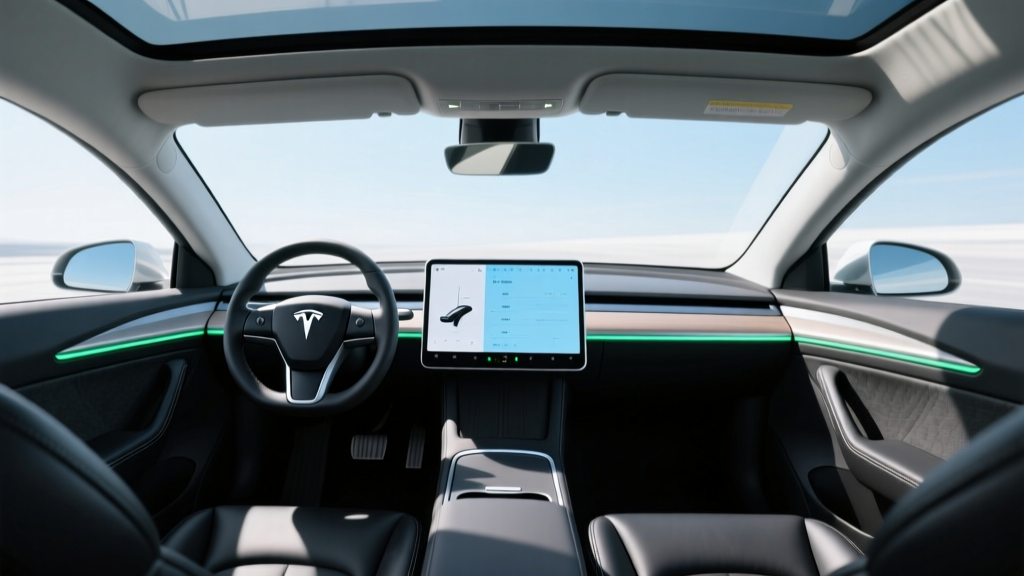
Slide into the driver's seat and the first thing you notice is what isn't there. No instrument cluster. No stalks for turn signals or wipers (those live on the steering wheel and screen, respectively). No physical climate or volume knobs. Every interaction routes through the 15.4-inch center touchscreen, which runs Tesla's latest infotainment build with noticeably improved responsiveness over pre-Highland models.
Tesla upgraded the cabin materials substantially with the Highland refresh. The dashboard and door panels now feature soft-touch textiles and ventilated leatherette (or a textile/vegan option in select markets), replacing the hard plastics that drew criticism in earlier Model 3 builds. Ambient lighting strips run along the dash and doors — a welcome touch at night, though the color customization is more limited than what you'll find in a Mercedes EQB or BMW i4.
Front and Rear Seat Comfort
The front seats gained ventilation in Long Range and Performance trims (a first for Model 3), and the cushioning is firmer and more supportive than the pre-2024 generation. Legroom up front is generous at 42.7 inches. Rear legroom measures 35.2 inches — adequate for adults on shorter trips but tight for anyone over six feet on a long drive. The rear bench also gained a slight recline adjustment and improved cushioning, and an 8-inch rear touchscreen lets passengers control climate and media independently.
Cargo and Storage
Trunk volume sits at 23 cubic feet (including the rear frunk, which provides roughly 3 cubic feet of secure storage). The trunk opening is a conventional sedan lid rather than a hatchback or liftback, which limits practicality for bulky items compared to the Model Y or Hyundai Ioniq 6. A 60/40 split-folding rear seat helps, but if you regularly haul cargo, a crossover or hatchback EV will serve you better.
Real-World Range: What the EPA Number Doesn't Tell You
The Long Range AWD Model 3 carries an EPA rating of 363 miles. In real-world highway driving at 70–75 mph in moderate temperatures (65–75°F), expect approximately 290–320 miles before needing to stop. In cold weather (below 30°F), that figure drops to roughly 240–270 miles due to cabin heating demand and reduced battery efficiency. City driving with regenerative braking can push range closer to — or even slightly above — the EPA sticker.
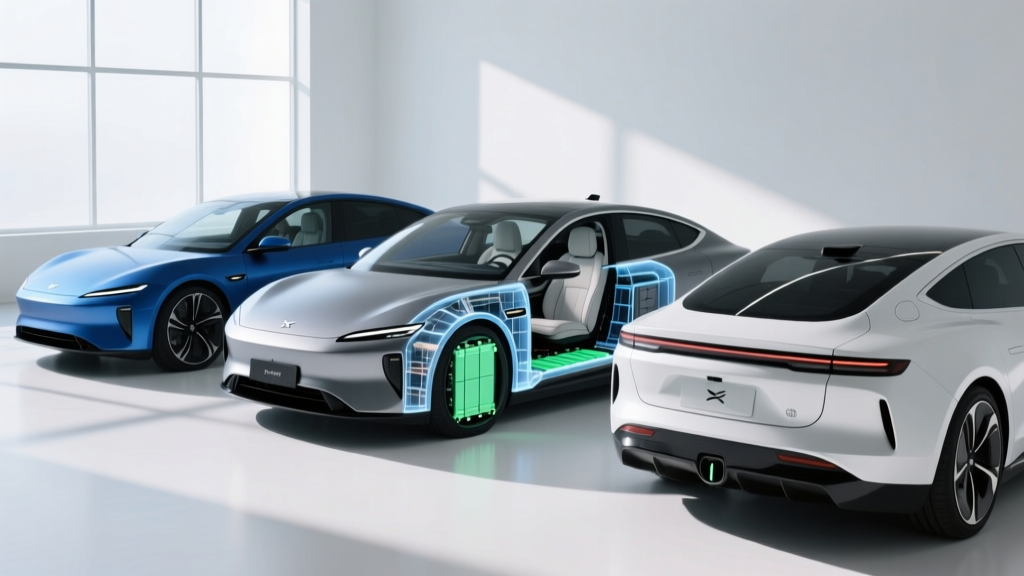
The base RWD trim uses an LFP (lithium iron phosphate) battery, which trades energy density for longevity and the ability to charge regularly to 100% without degradation concerns. Its 272-mile EPA rating translates to roughly 220–245 highway miles in practice. The LFP pack is heavier and less energy-dense than the NMC chemistry in the Long Range and Performance trims, but its cycle life is superior — Tesla and third-party data suggest LFP packs degrade more slowly over 150,000+ miles.
Charging Speed: DC Fast and Home Level 2
| Charging Level | Power | Speed | Notes |
|---|---|---|---|
| Level 1 (120V) | ~1.4 kW | ~3–5 mi/hr | Emergency/trickle only |
| Level 2 (240V, 48A) | 11.5 kW | ~44 mi/hr | Full charge in ~6–8 hrs (Long Range) |
| DC Fast (Long Range/Perf) | Peak 250 kW | 10–80% in ~25 min | Tapers above 60%; ~100 kW sustained avg |
| DC Fast (RWD/LFP) | Peak 170 kW | 10–80% in ~30 min | LFP chemistry limits peak rate |
A critical nuance buyers miss: peak kW is not sustained kW. The Long Range Model 3 hits 250 kW only at a low state of charge (roughly 10–25%) on a V3 Supercharger with proper battery preconditioning. From 25–60%, the rate holds around 150–170 kW, then tapers further to roughly 70–90 kW from 60–80%. The result is a 10–80% session averaging about 100 kW sustained — still fast enough to add ~200 miles in 20 minutes, but don't expect the full 250 kW for the entire session.
At home on a 48-amp Level 2 circuit (the Tesla Wall Connector or equivalent), the onboard 11.5 kW charger adds roughly 44 miles of range per hour. A full charge from 10% takes about 6–8 hours for the Long Range pack — plug in overnight and wake up full every morning.
Tesla's NACS connector is now the industry standard, and the Supercharger network remains the most reliable DC fast-charging ecosystem in the U.S., with over 25,000 stalls nationwide. Non-Tesla EVs now access Superchargers via adapters, but Model 3 owners enjoy seamless plug-and-charge integration with no app or RFID card needed.
Performance and Driving Dynamics
The Performance trim's 2.9-second 0–60 mph time puts it in sports-car territory, and the instant torque delivery makes it feel even quicker in real-world passing situations. The Long Range AWD's 4.2 seconds is more than enough for confident highway merging, while the RWD's 5.8 seconds is perfectly adequate for commuting, if not thrilling.
The Highland refresh brought meaningful suspension tuning improvements. The ride is noticeably more compliant over rough pavement, and body control through corners is tighter. Road noise — a persistent complaint in earlier Model 3 generations — has been reduced significantly through acoustic glass and additional sound deadening. It's not Lexus-quiet, but it's a substantial improvement.
Regenerative braking remains strong and enables one-pedal driving in most conditions, though Tesla removed the user-adjustable regen setting several years ago. If you prefer a coasting feel, you'll need to modulate the pedal carefully.
Pricing, Tax Credits, and Ownership Cost
| Trim | Base MSRP | Est. After §30D Credit* | §30D Eligible? |
|---|---|---|---|
| RWD | $38,990 | ~$31,490 | Yes (if sourcing & income rules met) |
| Long Range AWD | $47,740 | ~$40,240 | Yes (if sourcing & income rules met) |
| Performance AWD | $54,990 | ~$47,490 | Yes (if sourcing & income rules met) |
*Assumes full $7,500 credit via IRS §30D. Eligibility depends on buyer income caps, battery critical-mineral and component sourcing, and MSRP limits ($55,000 for sedans). Point-of-sale transfer available. Always verify current rules at irs.gov and consult a tax professional.
All three Model 3 trims fall under the $55,000 MSRP cap for sedans under §30D (Performance trim base MSRP is $54,990 — adding options or paint can push it over, so check your build carefully). Buyer income caps apply: $150,000 single / $225,000 head of household / $300,000 joint filers (modified AGI). Battery sourcing requirements for critical minerals and components remain the trickiest hurdle, and Tesla periodically updates its supply chain. Confirm eligibility for your specific delivery window before finalizing a purchase.
On the ownership side, Tesla's battery warranty covers 8 years / 120,000 miles (Long Range/Performance) or 8 years / 100,000 miles (RWD) with a minimum 70% capacity retention guarantee. The limited vehicle warranty is 4 years / 50,000 miles. Insurance premiums for the Model 3 tend to run 15–25% higher than comparable non-EV sedans, so get a quote before committing.
Tech, Driver Assistance, and Standout Features
Tesla's software remains the benchmark for EV infotainment. The interface is fast, the navigation integrates Supercharger routing and battery preconditioning automatically, and over-the-air updates continue to add features years after purchase. Entertainment options include Netflix, YouTube, and a full web browser — useful during charging stops.
Autopilot comes standard and provides competent adaptive cruise control and lane centering on highways. Full Self-Driving (Supervised) is a $8,000 add-on (or $99/month subscription) that adds automatic lane changes, traffic light and stop sign recognition, and city-street navigation. However, FSD remains an SAE Level 2 system — you must keep your hands on the wheel and eyes on the road at all times. It is not self-driving, and the driver is legally responsible for the vehicle's operation.
Tesla Autopilot and FSD (Supervised) are SAE Level 2 driver-assistance systems. The driver must remain fully engaged, monitor the road, and be prepared to take over instantly. Level 4 autonomy (no driver needed) is currently available only in limited robotaxi services like Waymo in select cities.
Other notable tech: the 8-inch rear screen for passengers, ventilated front seats (Long Range/Performance), power-folding heated side mirrors, and Tesla's Sentry Mode dashcam system that records surroundings when the car is parked.
Pros and Cons: Honest Ownership Assessment
Pros
- Class-leading efficiency: 132 MPGe combined (Long Range) means lower charging costs per mile than nearly any EV
- Supercharger network access with seamless plug-and-charge — no adapters, apps, or payment fumbling
- Significantly improved cabin quietness and material quality post-Highland refresh
- Strong real-world range: 363 mi EPA (Long Range) covers most road trips with a single stop
- Excellent software and OTA updates that add features over time
- LFP battery option (RWD) offers superior long-term cycle life and 100% daily charging
Cons
- No physical buttons or instrument cluster — all controls via center screen (steering wheel controls are minimal)
- Turn signals on the steering wheel rim are awkward for roundabouts and parking maneuvers
- Conventional trunk lid (not a liftback) limits cargo versatility vs. hatchback competitors
- Rear seat legroom is tight for tall adults on long drives
- FSD (Supervised) is expensive and still requires full driver attention
- Insurance premiums run higher than comparable sedans
Who the Tesla Model 3 Suits Best
Ideal for: Tech-savvy commuters and couples who prioritize efficiency, software polish, and road-trip charging convenience. The Long Range AWD is the sweet spot — 363 miles of range, dual-motor traction in inclement weather, and a sub-$48k price before credits.
Less ideal for: Families needing easy car-seat access and cargo space (the Model Y is the better Tesla for that). Also not the best fit for drivers who prefer physical knobs and buttons, or those who regularly carry tall rear-seat passengers.
Key competitors to cross-shop: Hyundai Ioniq 6 (similar range, more conventional interior controls, hatchback-style trunk), BMW i4 (more traditional luxury feel, higher price), and Polestar 2 (liftback practicality, Android Automotive OS).
What is the real-world range of the Tesla Model 3?
The Long Range AWD achieves an EPA-estimated 363 miles. In real-world highway driving at 70–75 mph in moderate temperatures, expect 290–320 miles. Cold weather (below 30°F) reduces this to approximately 240–270 miles. The RWD (LFP) trim's 272-mile EPA rating translates to roughly 220–245 highway miles.
How fast does the Tesla Model 3 charge?
Long Range and Performance trims peak at 250 kW on DC fast chargers, reaching 10–80% in about 25 minutes (though sustained average is closer to ~100 kW due to tapering). The RWD (LFP) peaks at 170 kW with a 10–80% time of roughly 30 minutes. On a 48-amp Level 2 home charger, all trims accept 11.5 kW, adding ~44 miles per hour.
How much does the Tesla Model 3 cost after tax credits?
The base RWD starts at $38,990 and could drop to ~$31,490 with the full $7,500 federal credit. The Long Range AWD ($47,740) could fall to ~$40,240. The Performance ($54,990) is right at the §30D sedan MSRP cap — adding options can push it over the $55,000 limit and disqualify it. Always verify eligibility at irs.gov before purchasing.
Does the Tesla Model 3 qualify for the federal EV tax credit?
All three trims can qualify for the full $7,500 under IRS §30D, provided the buyer meets income caps ($150k single / $300k joint), the vehicle's MSRP stays under $55,000 (sedan cap), and the battery meets critical-mineral and component sourcing requirements. Tesla's supply chain eligibility can shift — confirm for your delivery date. The credit can be transferred at point of sale as an immediate price reduction.
Is the Tesla Model 3 worth buying vs. competitors?
If charging-network reliability, software integration, and efficiency are your top priorities, the Model 3 Long Range is hard to beat. The Supercharger network remains a genuine advantage for road-trippers. If you prefer physical controls, a hatchback trunk, or a more traditional luxury interior, the Hyundai Ioniq 6 or BMW i4 may suit you better. Test-drive both before deciding — the screen-only interface is the single biggest love-it-or-hate-it factor.
Is Tesla's Autopilot self-driving?
No. Autopilot and FSD (Supervised) are SAE Level 2 driver-assistance systems. You must keep your hands on the steering wheel, monitor traffic, and remain prepared to take full control at any moment. The driver is legally responsible for the vehicle. True self-driving (Level 4) is currently limited to geofenced robotaxi services.