Quick Verdict: The 2026 Tesla Model 3 at a Glance
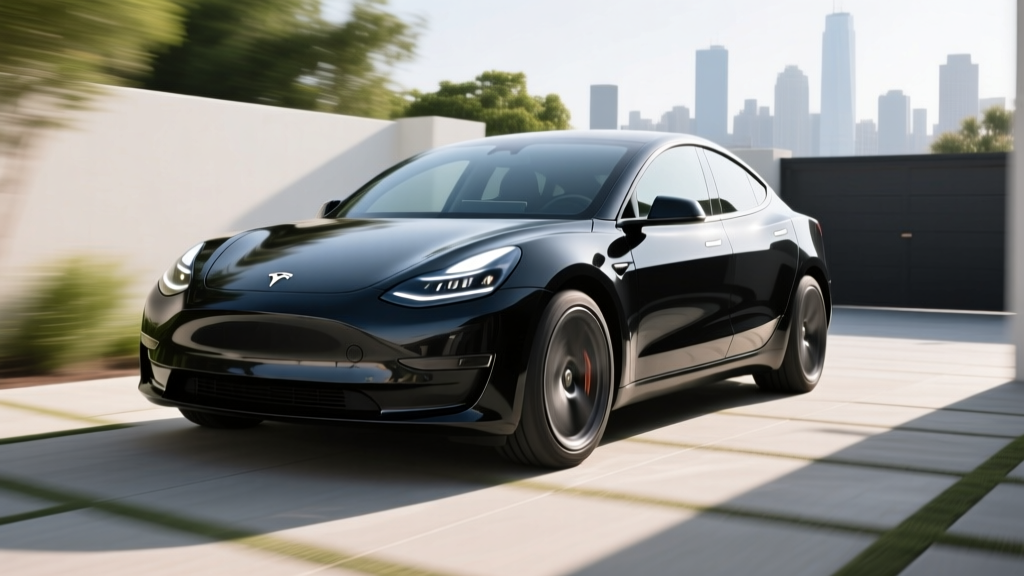
The 2026 Tesla Model 3 remains the benchmark midsize electric sedan, balancing range, charging speed, and software polish in a package that starts under $39,000. Whether you're exploring Tesla employee verification for a discounted purchase or shopping at retail, the Model 3 Long Range AWD delivers 363 miles of EPA range, peaks at 250 kW on DC fast chargers, and qualifies for the full $7,500 federal tax credit under current IRS §30D rules — bringing effective pricing below $32,000 for eligible buyers.
This review covers every spec that matters for real ownership: real-world range expectations, charging curve behavior, battery chemistry trade-offs, and what Tesla's employee pricing program actually includes.
| Spec | Model 3 Long Range AWD | Model 3 RWD |
|---|---|---|
| EPA Range | 363 mi | 272 mi |
| Battery (usable) | ~75 kWh (NMC) | ~57.5 kWh (LFP) |
| Max DC Fast Charge | 250 kW | 170 kW |
| 10–80% DC Time | ~26 min | ~30 min |
| Level 2 Home Rate | 11.5 kW (~44 mi/hr) | 11.5 kW (~44 mi/hr) |
| 0–60 mph | 4.2 sec | 5.8 sec |
| Horsepower | 346 hp (dual motor) | 271 hp (single motor) |
| MPGe (combined) | 132 MPGe | 142 MPGe |
| Efficiency | 25 kWh/100 mi | 24 kWh/100 mi |
| Base MSRP | $47,740 | $38,990 |
| Battery Warranty | 8 yr / 120,000 mi | 8 yr / 100,000 mi |
Real-World Range: What the EPA Sticker Doesn't Tell You
EPA Estimate: 363 miles (Long Range AWD) / 272 miles (RWD)
Real-World Expectation: In mixed driving at 70°F, expect ~320–340 miles from the Long Range. On sustained highway trips at 75 mph, range drops to ~280–300 miles due to aerodynamic drag. In cold weather (below 32°F), anticipate 20–30% range reduction, yielding ~250–275 miles for the Long Range variant.
Tesla's thermal management system is among the best in the industry. The heat pump (standard on all 2026 Model 3 trims) recovers waste heat from the drivetrain to warm the cabin, reducing cold-weather range loss compared to resistive heating. Preconditioning the battery while plugged in — a feature accessible via the Tesla app — warms the pack before departure, preserving range and enabling faster DC charging in cold conditions.
The RWD trim's smaller LFP (lithium iron phosphate) battery sacrifices range but gains longevity. LFP chemistry tolerates 100% daily charging without accelerated degradation, unlike NMC packs which Tesla recommends charging to 80% for daily use. For commuters with home charging and sub-200-mile daily routes, the RWD's 272-mile EPA range is more than adequate.
Charging Speed: DC Fast, Level 2, and the Charge Curve Reality
The 2026 Model 3 Long Range AWD peaks at 250 kW on V3 Superchargers, adding up to 175 miles in 15 minutes under ideal conditions. The RWD trim peaks at 170 kW. However, peak kW is not sustained kW — understanding the charge curve is essential for trip planning.
| Charging Method | Power (kW) | Speed (miles/hr) | Notes |
|---|---|---|---|
| Level 1 (120V outlet) | ~1.4 kW | ~5 mi/hr | Emergency/trickle only |
| Level 2 (240V, 48A) | 11.5 kW | ~44 mi/hr | Home Wall Connector |
| DC Fast (V3 Supercharger) | 250 kW peak | ~175 mi in 15 min | Long Range AWD; tapers above 80% |
| DC Fast (V3 Supercharger) | 170 kW peak | ~130 mi in 15 min | RWD variant |
Charge curve behavior: The Long Range AWD sustains 200+ kW from 10–30% SoC, then gradually tapers. From 50–80%, expect 100–130 kW. Above 80%, charging slows dramatically to protect the battery — plan to charge to 80% on road trips and move on rather than waiting for 100%.
For home charging, Tesla's Gen 3 Wall Connector delivers 11.5 kW on a 60A circuit (48A continuous). A full charge from 10% takes ~6.5 hours for the Long Range. Installation costs vary: expect $500–$1,500 for a straightforward panel-adjacent install, or $2,000–$4,000 if a panel upgrade or long conduit run is required.
Battery Chemistry: LFP vs NMC Trade-Offs
The 2026 Model 3 lineup uses two distinct battery chemistries, each with ownership implications:
| Factor | LFP (RWD trim) | NMC (Long Range / Performance) |
|---|---|---|
| Energy Density | Lower (heavier pack for same kWh) | Higher (more range in lighter pack) |
| Daily Charging | 100% recommended | 80% recommended for daily |
| Cycle Life | 3,000+ cycles | 1,500–2,000 cycles |
| Cold Performance | Reduced range in freezing temps | Better cold-weather output |
| Cost | Lower (enables $38,990 MSRP) | Higher |
LFP's ability to charge to 100% daily means the RWD's 272-mile EPA range is fully usable every day. NMC owners should set charge limits to 80% for daily driving (~290 miles usable on Long Range) and reserve 100% charges for road trips.
Pricing, Trims, and Federal Tax Credit Eligibility
| Trim | Base MSRP | Federal Credit (§30D) | Effective Price |
|---|---|---|---|
| Model 3 RWD | $38,990 | $7,500 | $31,490 |
| Model 3 Long Range AWD | $47,740 | $7,500 | $40,240 |
| Model 3 Performance | $52,990 | $7,500 | $45,490 |
Tax credit eligibility (2026 IRS §30D rules): The Model 3 qualifies for the full $7,500 credit, but buyer eligibility depends on:
- Income caps: Modified AGI ≤ $150,000 (single), $225,000 (head of household), $300,000 (joint)
- MSRP caps: Sedan ≤ $55,000 (all Model 3 trims qualify)
- Battery sourcing: Critical minerals and battery components must meet phased-in percentages from US/FTA partners (Tesla's US-built packs currently comply)
- Point-of-sale transfer: Buyers can transfer the credit to the dealer at purchase, reducing the upfront cost rather than waiting for tax filing
Always verify current eligibility at IRS.gov — rules update annually, and supply chain changes can affect sourcing compliance.
Tesla Employee Verification and Discount Programs
Tesla's employee pricing programs (sometimes accessed via Tesla employee verification portals) typically offer modest discounts — often $1,000–$2,000 off MSRP or complimentary upgrades (e.g., FSD Supervised trial, premium interior). These programs are not publicly advertised and require employment verification through Tesla's HR or a partner portal.
Employee discounts stack with the federal tax credit but may not combine with Tesla's occasional referral credits or inventory markdowns. If you're eligible for employee pricing, request a written quote showing the discount applied before the §30D credit — the tax credit is calculated on the net purchase price after discounts.
Performance, Efficiency, and Daily Drivability
The Model 3 Long Range AWD's dual-motor setup delivers 346 hp and a 4.2-second 0–60 mph time, with all-wheel traction that excels in rain and snow. The RWD's single rear motor (271 hp, 5.8 sec) is peppy for city driving but lacks the Long Range's all-weather confidence.
Efficiency is a Tesla strength. The Long Range achieves 132 MPGe combined (25 kWh/100 mi), translating to ~$0.045 per mile at the US average electricity rate of $0.16/kWh. Compare this to a 30 MPG gas sedan at $3.50/gallon: $0.117 per mile. Over 15,000 annual miles, the Model 3 saves ~$1,080 in fuel costs.
Regenerative braking is aggressive but predictable. Tesla's "one-pedal driving" mode (adjustable in settings) recovers energy on deceleration, reducing brake wear. Expect 100,000+ miles on original brake pads with regular regen use.
Interior, Tech, and Driver Assistance
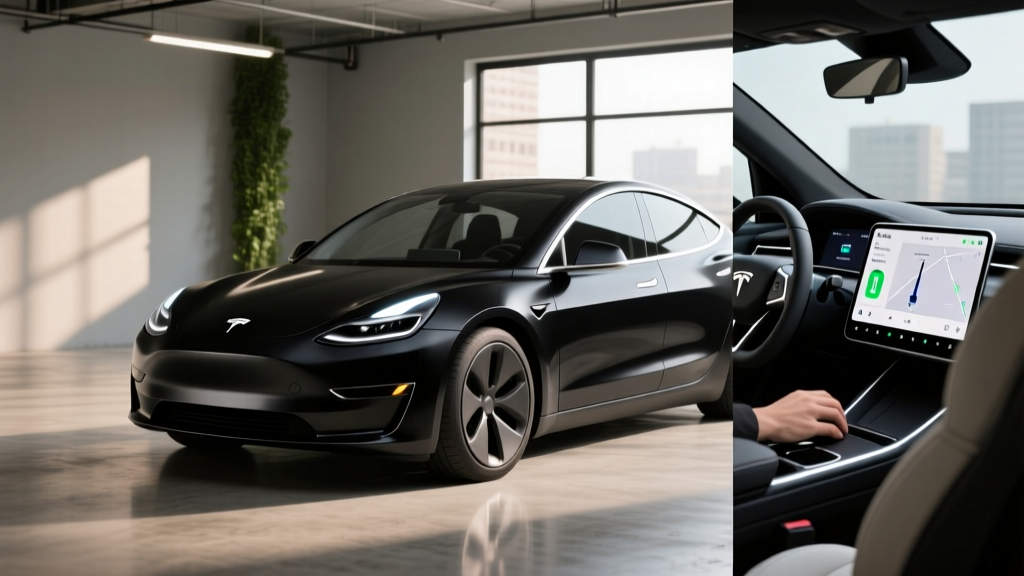
The 2026 Model 3 interior is minimalist but functional. A 15.4-inch touchscreen handles all infotainment, climate, and vehicle controls. Wireless Apple CarPlay and Android Auto are now standard (added in late 2024), addressing a longtime complaint. Premium trims add ventilated front seats, ambient lighting, and a rear-seat touchscreen.
Cargo space: 23 cu ft trunk + 3.1 cu ft frunk (front trunk), totaling 26.1 cu ft. Rear legroom is 35.2 inches — adequate for adults on short trips, tight for long journeys. The glass roof creates an airy cabin but increases solar heat gain; Tesla's tinted glass mitigates this, though a sunshade is recommended in hot climates.
Autopilot and FSD (Supervised): Standard Autopilot includes adaptive cruise control and lane centering (SAE Level 2). Full Self-Driving (Supervised) adds automatic lane changes, traffic light recognition, and navigate-on-autopilot for $8,000 or $99/month. Important: FSD is Level 2 driver-assist — you must remain engaged, hands on the wheel, eyes on the road. It is not autonomous driving.
Warranty and Long-Term Ownership
Tesla's warranty coverage:
- Basic vehicle: 4 years / 50,000 miles
- Battery & drive unit (RWD): 8 years / 100,000 miles, ≥70% capacity retention
- Battery & drive unit (Long Range/Performance): 8 years / 120,000 miles, ≥70% capacity retention
Real-world degradation data (aggregated from Tesla fleet telemetry) shows ~10% capacity loss at 100,000 miles for NMC packs, ~8% for LFP. Most owners will never need a battery replacement, but out-of-warranty costs are $12,000–$16,000 for a refurbished pack.
Pros and Cons
Pros
- Class-leading range and efficiency
- 250 kW DC fast charging (Long Range)
- Over-the-air updates add features post-purchase
- Extensive Supercharger network (17,000+ US stalls)
- Qualifies for full $7,500 federal tax credit
- Strong resale value relative to EV peers
Cons
- Minimalist interior lacks physical controls
- Firm ride quality on rough pavement
- Rear-seat space is tighter than Hyundai Ioniq 6, BMW i4
- FSD (Supervised) is expensive and still requires driver attention
- Insurance premiums are 20–30% higher than gas sedan averages
Who Should Buy the 2026 Tesla Model 3?
Choose the Model 3 RWD if: You're a commuter with home charging, drive under 200 miles daily, and want the lowest entry price with LFP longevity.
Choose the Model 3 Long Range AWD if: You take regular road trips, live in a cold-weather climate, or need all-wheel-drive traction. The 363-mile range and 250 kW charging make it the most versatile trim.
Consider competitors if: You prioritize rear-seat space (Hyundai Ioniq 6, BMW i4), want a more traditional interior with physical controls (BMW i4), or need faster DC charging (Hyundai Ioniq 6 peaks at 350 kW).
Frequently Asked Questions
What is the real-world range of the 2026 Tesla Model 3?
Expect ~320–340 miles from the Long Range AWD in mixed driving at moderate temperatures. Highway-only driving at 75 mph reduces this to ~280–300 miles. Cold weather (below 32°F) can drop range by 20–30%, yielding ~250–275 miles. The RWD's real-world range is ~240–260 miles mixed, ~200–220 miles highway.
How fast does the Model 3 charge at home and on DC fast chargers?
On a Level 2 home charger (11.5 kW), the Long Range adds ~44 miles per hour, fully charging from 10% in ~6.5 hours. On DC fast chargers, the Long Range peaks at 250 kW, achieving 10–80% in ~26 minutes. The RWD peaks at 170 kW, with 10–80% in ~30 minutes.
Does the 2026 Tesla Model 3 qualify for the federal EV tax credit?
Yes, all Model 3 trims qualify for the full $7,500 credit under 2026 IRS §30D rules, provided the buyer meets income caps (≤$150K single, $300K joint) and the vehicle's MSRP is under the $55,000 sedan cap. The credit can be transferred at point of sale to reduce upfront cost. Verify current sourcing compliance at IRS.gov.
What is Tesla employee verification, and how does it affect pricing?
Tesla employee verification is a process for Tesla employees (and sometimes partner company employees) to access discounted pricing, typically $1,000–$2,000 off MSRP or complimentary upgrades. Verification is handled through Tesla's HR portal or a partner system. Employee discounts stack with the federal tax credit but may not combine with other promotions.
Is the Model 3 worth buying vs. the Hyundai Ioniq 6 or BMW i4?
The Model 3 wins on range (363 mi vs. Ioniq 6's 361 mi, BMW i4's 307 mi), Supercharger network access, and software polish. The Ioniq 6 charges faster (350 kW peak) and has more rear-seat space. The BMW i4 offers a more traditional luxury interior with physical controls. If Supercharger reliability and OTA updates matter most, the Model 3 is the pick. If you prioritize charging speed or interior luxury, test-drive the Ioniq 6 and i4.
How long will the Model 3 battery last, and what does replacement cost?
Tesla's battery warranty guarantees ≥70% capacity retention for 8 years / 100,000–120,000 miles (depending on trim). Real-world data shows ~10% degradation at 100,000 miles for NMC packs, ~8% for LFP. Most owners will not need a replacement, but out-of-warranty costs are $12,000–$16,000 for a refurbished pack.
Is Tesla's Full Self-Driving (FSD) actually self-driving?
No. FSD (Supervised) is an SAE Level 2 driver-assist system. It can handle highway lane changes, stoplights, and navigation, but you must remain engaged with hands on the wheel and eyes on the road. True autonomous driving (Level 4) is currently limited to Waymo and Zoox robotaxi services in geofenced areas.