Quick Verdict: The Benchmark Sedan Still Holds Up
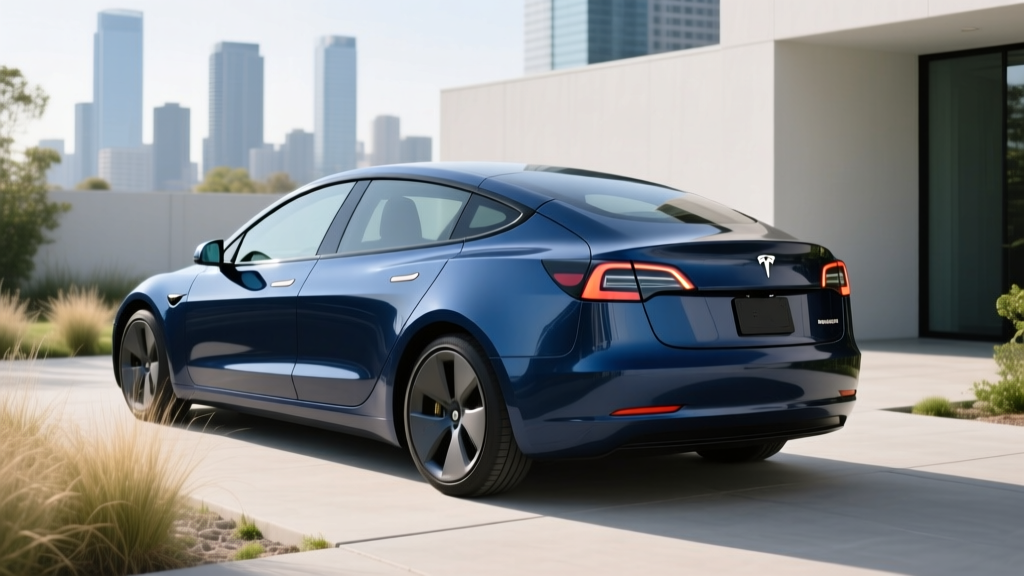
The 2026 Tesla Model 3 remains the most recognizable electric sedan on American roads, and its cultural footprint extends well beyond the driveway. A quick scroll through any EV forum or parking lot reveals the now-ubiquitous Tesla Elon stickers — decals ranging from minimalist Tesla logos to cheeky Elon Musk quotes — that owners slap on bumpers, windows, and laptop lids alike. Love them or roll your eyes at them, these stickers have become an unofficial badge of EV tribalism.
But strip away the decals and the brand cachet, and the 2026 Model 3 has to earn its keep on specs alone. With a refreshed Highland platform now fully matured into its second production year, improved interior materials, and access to the largest DC fast-charging network in North America, the Model 3 Long Range AWD delivers a compelling package — provided you understand exactly what you're getting, what the real-world range looks like, and whether you qualify for the federal tax credit.
| Spec | Long Range AWD | Performance | Rear-Wheel Drive |
|---|---|---|---|
| EPA Range | 341 mi | 315 mi | 272 mi |
| Battery (usable) | ~75 kWh (NMC) | ~75 kWh (NMC) | ~57.5 kWh (LFP) |
| Peak DC Fast Charge | 250 kW | 250 kW | 170 kW |
| 10–80% DC Time | ~25 min | ~25 min | ~30 min |
| Level 2 Home Charge | 11.5 kW (~44 mi/hr) | 11.5 kW (~44 mi/hr) | 7.7 kW (~30 mi/hr) |
| 0–60 mph | 4.2 sec | 2.9 sec | 5.8 sec |
| Horsepower | ~346 hp | ~510 hp | ~271 hp |
| Drivetrain | Dual-Motor AWD | Dual-Motor AWD | Single-Motor RWD |
| MPGe (combined) | 134 MPGe | 121 MPGe | 142 MPGe |
| Efficiency | 25 kWh/100 mi | 28 kWh/100 mi | 24 kWh/100 mi |
| Base MSRP | $47,740 | $54,990 | $38,990 |
Range & Efficiency: EPA Numbers vs. Real-World Miles
The 2026 Model 3 Long Range AWD carries an EPA-estimated 341 miles of range — one of the highest figures in the premium electric sedan segment. The base RWD model with its lighter LFP battery checks in at 272 miles, while the Performance trim drops to 315 miles due to stickier tires and more aggressive powertrain calibration.
Real-World Range Reality Check: On a 70-mph highway loop in moderate temperatures (65–75°F), expect the Long Range AWD to deliver roughly 285–310 miles before needing a charge. In cold weather (below 30°F), that figure can drop to 230–260 miles due to battery resistance and cabin heating demands. The LFP-equipped RWD model holds up slightly better in cold conditions percentage-wise but starts from a lower baseline — plan for 195–215 miles of real-world winter highway range. Source: fueleconomy.gov
Efficiency is where Tesla's engineering still shines. The RWD model achieves 142 MPGe combined (24 kWh/100 mi), making it one of the most energy-efficient EVs sold in the U.S. The Long Range AWD's 134 MPGe combined is still excellent for a dual-motor sedan. For context, the Hyundai IONIQ 6 Long Range AWD achieves 117 MPGe — the Model 3 extracts more miles per kilowatt-hour thanks to its lower curb weight and aerodynamic drag coefficient of 0.219 Cd.
Charging: Supercharger Access and Home Setup
Tesla's charging ecosystem remains the brand's strongest practical advantage. Every 2026 Model 3 ships with the North American Charging Standard (NACS) port natively — no adapter needed for Tesla Superchargers, and increasingly compatible with third-party networks like Electrify America and EVgo as they deploy NACS cables.
| Charging Level | Power (kW) | Miles Added per Hour | Notes |
|---|---|---|---|
| Level 1 (120V household) | ~1.4 kW | ~4–5 mi/hr | Emergency/trickle only |
| Level 2 (240V, 48A Wall Connector) | 11.5 kW (LR/AWD) | ~44 mi/hr | Full overnight charge in ~7 hr |
| Level 2 (240V, 32A Mobile Connector) | 7.7 kW | ~30 mi/hr | Included Mobile Connector |
| DC Fast (V3 Supercharger) | 250 kW peak | ~175 mi in 15 min | 10–80% in ~25 min (LR) |
| DC Fast (V4 Supercharger) | 250 kW peak | Similar to V3 | CCS vehicles via adapter; native NACS for Tesla |
Charging curve reality: The Model 3 Long Range peaks at 250 kW only between roughly 10–30% State of Charge. From 30–60%, it sustains around 150–175 kW, then tapers to under 100 kW past 70%. The advertised 25-minute 10–80% time assumes a V3/V4 Supercharger with the battery properly preconditioned — always navigate to a Supercharger using the car's built-in navigation to trigger thermal preconditioning, especially in cold weather. Skip this step and your first 10 minutes at the charger may be limited to under 100 kW.
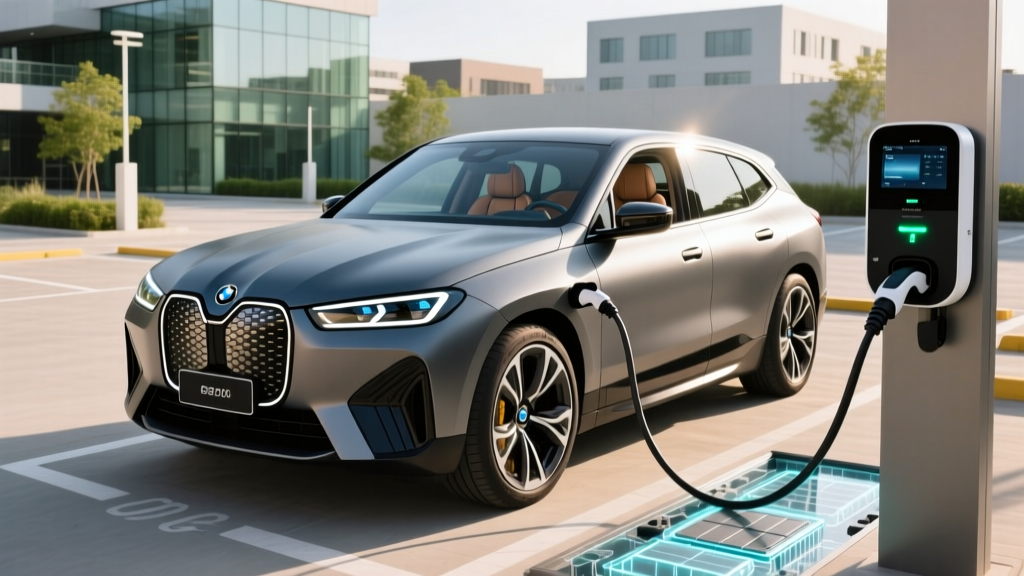
For home charging, the Tesla Wall Connector ($420, hardwired, up to 48A) is the best match. On a 60A dedicated circuit, it delivers the full 11.5 kW to Long Range and Performance trims. Budget $500–$1,800 for professional installation depending on panel proximity and whether your electrical panel needs an upgrade to 200A service. Always consult a licensed electrician for final specs.
Performance & Driving Dynamics
The 2026 Model 3 Long Range AWD puts down approximately 346 horsepower from its dual-motor setup, hitting 60 mph in a quick 4.2 seconds. The Performance trim drops that to a blistering 2.9 seconds with roughly 510 hp. Even the base RWD model, at 5.8 seconds and 271 hp, outpaces most gas-powered compact sedans off the line.
The Highland refresh brought meaningful chassis improvements: revised suspension tuning, frequency-selective dampers, and improved sound insulation. The result is a Model 3 that rides noticeably better over broken pavement than pre-2024 models, though it still leans sporty-firm rather than plush. Steering is precise and well-weighted, and the low center of gravity from the under-floor battery pack keeps body roll minimal through corners.
Regenerative braking remains strong and consistent, enabling genuine one-pedal driving in most conditions. Tesla removed the user-adjustable regen setting years ago, so the default strong-regen behavior is what you get — most owners adapt within a week.
Interior, Cargo, and Technology
The 2026 Model 3 interior carries over the minimalist design language introduced with the Highland update. A 15.4-inch central touchscreen handles all infotainment, climate, and vehicle controls. The rear passengers now get their own 8-inch screen for climate and entertainment — a welcome addition that addresses a common complaint from earlier models.
Cargo and passenger space:
- Front trunk (frunk): 3.1 cu ft
- Rear trunk: 21.0 cu ft (64.9 cu ft with rear seats folded)
- Front legroom: 42.4 inches
- Rear legroom: 35.3 inches
- Seating for 5 (comfortably 4 adults on longer trips)
The rear seat is adequate for adults under 6 feet but not generous — competitors like the Hyundai IONIQ 6 offer similar rear legroom, while the BMW i4 provides slightly more shoulder room. The trunk is practical and deep, and the 60/40 split-folding rear seat expands utility for longer cargo.
Tech highlights: Tesla's infotainment remains the most responsive and intuitive in the EV space, with native navigation, Spotify/Apple Music integration, a built-in web browser, and over-the-air updates that regularly add features. The optional Full Self-Driving (Supervised) package ($8,000 one-time or $99/month) adds advanced lane changes, autosteer on city streets, and traffic light recognition — but it remains a SAE Level 2 driver-assistance system requiring constant supervision.
Important — FSD Is Not Self-Driving: Tesla's Full Self-Driving (Supervised) is classified as SAE Level 2 automation. The driver must remain fully engaged, hands on or near the wheel, and eyes on the road at all times. This is fundamentally different from Level 4 robotaxi services like Waymo, which operate without a human driver in geofenced areas. Never treat FSD as a substitute for attentive driving.
Pricing, Tax Credits, and Total Cost
The 2026 Tesla Model 3 lineup starts at $38,990 for the RWD base model and climbs to $54,990 for the Performance trim (all prices include destination, before incentives). Adding FSD, premium paint colors ($1,500–$2,500), and 19-inch wheels ($1,500) can push a Long Range AWD to the mid-$50,000s as-tested.
| Trim | Base MSRP | §30D Credit Eligibility | Effective Price (if eligible) |
|---|---|---|---|
| RWD (LFP) | $38,990 | Up to $7,500 (subject to sourcing rules) | From ~$31,490 |
| Long Range AWD (NMC) | $47,740 | Up to $3,750 or $7,500 (varies by sourcing) | From ~$40,240 |
| Performance AWD (NMC) | $54,990 | Up to $3,750 or $7,500 (varies by sourcing) | From ~$47,490 |
Federal tax credit details (IRS §30D, 2026 rules): The Model 3 qualifies for the federal EV tax credit, but the exact amount depends on battery component and critical mineral sourcing requirements that shift annually. The RWD model with its LFP battery (often sourced from CATL in China) has faced tighter restrictions, sometimes qualifying for only $3,750 or, in some model-year batches, the full $7,500 when Tesla secures compliant supply chains. The Long Range and Performance NMC models have more consistently qualified for $7,500, but this is subject to change.
- MSRP cap: Sedans must be under $55,000 MSRP — the RWD and Long Range qualify; the Performance trim at $54,990 squeaks under the cap.
- Income cap: Modified AGI must not exceed $150,000 (single), $225,000 (head of household), or $300,000 (joint filers).
- Point-of-sale transfer: As of 2024, buyers can transfer the credit to the dealer for an immediate price reduction at purchase rather than waiting for a tax refund.
- Always verify current eligibility at irs.gov or fueleconomy.gov before purchasing.
Warranty & Long-Term Ownership
Tesla provides a competitive warranty package for the 2026 Model 3:
- Basic vehicle warranty: 4 years / 50,000 miles
- Battery & drive unit warranty: 8 years / 120,000 miles (Long Range & Performance); 8 years / 100,000 miles (RWD)
- Battery capacity retention threshold: Tesla warrants that the battery will retain at least 70% of its original capacity during the warranty period.
Real-world battery degradation data from Tesla's fleet shows that Model 3 NMC batteries typically lose approximately 10–12% capacity over the first 100,000 miles, with the degradation curve flattening significantly after the initial 20,000–30,000 miles. LFP batteries in the RWD model tend to degrade even more slowly and can be routinely charged to 100% without the longevity concerns associated with NMC chemistry — a practical advantage for daily drivers who need every available mile.
Insurance costs for the Model 3 tend to run 15–30% higher than comparable gas sedans, reflecting repair cost data and Tesla's aluminum-intensive construction. Budget $1,800–$2,800 annually depending on your state, age, and driving record. Tesla Insurance is available in many states and can be competitive, though experiences vary.
The Elon Sticker Phenomenon: Culture Meets the Car
No review of a Tesla in 2026 can entirely ignore the cultural layer that owners add to their vehicles. Tesla Elon stickers have become a micro-genre of automotive personalization — from the simple "T" logo decal ($5–$15 on Etsy or Amazon) to elaborate designs featuring Musk quotes, SpaceX references, and satirical memes. Some owners embrace the stickers as a signal of EV adoption pride; others apply them ironically; and a growing number opt for the opposite approach, removing all Tesla badging for a stealth look.
Practically speaking, vinyl decals applied to glass or painted surfaces won't affect range, charging, or warranty. However, if you apply stickers to sensor areas (the front bumper camera housing, side repeater cameras, or the rearview camera zone), you risk obstructing Autopilot functionality. Keep decals away from any camera lens or ultrasonic sensor location. And if you're leasing, check your lease terms — some lessors require removal and paint restoration at lease-end.
Pros, Cons, and Who Should Buy
Pros
- Class-leading efficiency (24–28 kWh/100 mi)
- Access to the Supercharger network — 6,000+ U.S. stations
- Strong real-world range (285–310 mi highway, LR AWD)
- Best-in-class infotainment and OTA updates
- Competitive pricing after federal tax credit
- LFP option allows daily 100% charging without degradation worry
Cons
- Rear seat space is tight for taller adults
- No physical controls — everything through the touchscreen
- FSD costs $8,000 extra and remains Level 2 only
- Insurance premiums run above segment average
- Build quality improved but still inconsistent panel gaps reported
- Non-Tesla DC chargers still less reliable in some regions
Who the 2026 Model 3 suits best:
- Commuters: Excellent. The RWD model's 272-mile EPA range covers virtually any round-trip commute, and home Level 2 charging means a full battery every morning for pennies per mile.
- Road trippers: Very good. The Supercharger network makes long-distance travel straightforward, and 25-minute 10–80% charges keep stops short. Plan around 250–280 miles between stops on the highway for comfort.
- Small families: Adequate. Two car seats fit in the rear, but the 35.3 inches of rear legroom means older kids will be cramped on long drives. The Model Y is the better family pick.
- Towing: Not recommended. The Model 3 is not rated for towing in the U.S. market.
Choose the Model 3 if: You prioritize efficiency, charging network access, and tech-forward infotainment in a sporty sedan, and you have reliable home charging.
Look elsewhere if: You regularly carry rear-seat adults (consider the Model Y or IONIQ 5), need towing capability, or prefer physical buttons and a traditional instrument cluster.
Frequently Asked Questions
What is the real-world range of the 2026 Tesla Model 3?
The Long Range AWD delivers approximately 285–310 miles on the highway in moderate weather and 230–260 miles in cold conditions (below 30°F). The base RWD model achieves roughly 220–240 miles highway in mild weather, dropping to 195–215 miles in winter.
How fast does the Model 3 charge at home and on the road?
On a home Level 2 Tesla Wall Connector (48A, 240V), the Long Range adds about 44 miles of range per hour, reaching a full charge overnight in roughly 7 hours. On a V3/V4 Supercharger, it peaks at 250 kW and charges from 10–80% in approximately 25 minutes, provided the battery is preconditioned.
How much does the Model 3 cost after federal tax credits?
If you meet all IRS §30D requirements (income caps, MSRP caps, and battery sourcing rules), the RWD model can drop to approximately $31,490 and the Long Range AWD to approximately $40,240. Eligibility varies by model year production batch and your personal tax situation — consult a tax professional and verify at irs.gov.
Does the 2026 Tesla Model 3 qualify for the $7,500 federal EV tax credit?
It can, but eligibility is not guaranteed for every buyer or every trim. The credit depends on battery critical-mineral and component sourcing (which Tesla adjusts throughout the year), your modified adjusted gross income, and the vehicle's MSRP falling under the $55,000 sedan cap. The point-of-sale transfer option lets you apply the credit as an immediate discount at purchase.
Is the Model 3 worth buying vs. the Hyundai IONIQ 6 or BMW i4?
The Model 3 wins on charging network access, software experience, and overall efficiency. The IONIQ 6 offers a smoother ride and slightly more rear-seat comfort with competitive range but relies on third-party charging networks. The BMW i4 provides a more traditional luxury interior and physical controls but costs significantly more and offers less range. For most buyers with home charging access, the Model 3 Long Range AWD remains the default recommendation in this segment.
Will Tesla Elon stickers damage my car's paint?
Quality vinyl decals from reputable sellers will not damage factory paint when applied and removed properly. Use a heat gun or hair dryer to warm the adhesive before peeling, and clean the residue with isopropyl alcohol. Avoid applying stickers over camera housings or sensor areas. If your Model 3 has a ceramic coating, test a small area first — some adhesives can interact with hydrophobic coatings.