Quick Verdict: The Model 3 Dual Motor in 2026
The Tesla Model 3 Dual Motor AWD Long Range remains one of the most complete electric sedans on the market. With a Tesla-claimed 0-60 mph time of 4.2 seconds, all-wheel-drive traction, and an EPA-estimated 341 miles of range, it threads the needle between everyday practicality and genuine sports-sedan acceleration. For 2026, the refreshed "Highland" body style introduced in late 2023 continues with minor software and packaging updates, and the Long Range AWD trim starts at $47,740 before incentives. If you want the quickest Model 3 without stepping up to the Performance trim, this is the configuration to get.
| Spec | Value |
|---|---|
| EPA Range | 341 miles |
| Battery (usable) | ~75 kWh, NMC chemistry |
| Drivetrain | Dual Motor AWD |
| Horsepower | ~384 hp (combined) |
| 0-60 mph | 4.2 seconds (manufacturer) |
| Top Speed | 125 mph |
| Efficiency | 134 MPGe / 25 kWh/100 mi |
| Max DC Fast Charge | 250 kW peak (CCS via adapter or native NACS) |
| 10-80% DC Fast Charge | ~25 minutes |
| Level 2 Home Charging | 11.5 kW / ~44 mi/hr |
| Cargo Volume | 23 cu ft (trunk + frunk) |
| Base MSRP | $47,740 |
| Battery Warranty | 8 years / 120,000 miles |
Model 3 Dual Motor 0-60 and Performance Breakdown
The headline figure — model 3 dual motor 0-60 in 4.2 seconds — is achievable thanks to Tesla's permanent-magnet rear motor paired with an induction front motor. The dual-motor layout provides torque vectoring across both axles, which means you get clean, drama-free launches even on damp pavement. Unlike single-motor RWD configurations that can struggle for traction under hard acceleration, the AWD system digests all 384 combined horsepower without wheelspin.
In real-world driving, the Model 3 Long Range AWD feels quicker than its 4.2-second time suggests, largely because electric torque delivery is instantaneous — there's no turbo lag, no transmission downshift, no rev climb. The throttle mapping is aggressive in Sport mode and more relaxed in Chill mode, which dials back acceleration for efficiency or comfort.
Compared to competitors in the same price bracket:
- BMW i4 xDrive40 (AWD): 0-60 in 4.6 seconds, EPA 282 miles, starting ~$56,000
- Hyundai Ioniq 6 AWD Long Range: 0-60 in 5.1 seconds, EPA 316 miles, starting ~$49,500
- Polestar 2 Long Range Dual Motor: 0-60 in 4.3 seconds, EPA 276 miles, starting ~$53,000
The Model 3 Dual Motor outpaces or matches all three on acceleration while offering more EPA range than any of them. That combination is difficult to beat at this price point.
Real-World Range: What to Expect Beyond the EPA Sticker
EPA Estimated: 341 miles
Real-World Highway (70-75 mph, moderate weather): ~270-295 miles
Real-World City/Mixed Driving: ~300-330 miles
Cold Weather (below 32°F, highway): ~220-260 miles
The EPA's 341-mile estimate for the Long Range AWD is based on a mix of city and highway cycles with climate control active. In practice, your mileage will vary significantly based on speed, temperature, and terrain.
On a 70-mph highway cruise in 65°F weather with light HVAC use, expect roughly 280-295 miles before the battery hits zero. Tesla's trip planner and in-car energy graph tend to be conservative — they'll often show you arriving with 5-8% remaining when you actually have a bit more buffer. Push speeds to 80 mph and that range drops to around 250 miles.
Cold weather is the real range killer for any EV. In sustained sub-freezing temperatures, the battery must be heated, cabin heating draws significant energy (Tesla uses a heat pump, which helps, but resistive elements still draw power), and the battery's internal resistance rises. On a 20°F winter highway drive, plan for 220-260 miles of usable range. Preconditioning the battery while plugged in — either manually or by setting a departure time in the Tesla app — recovers a meaningful portion of that loss.
According to fueleconomy.gov, the Model 3 Long Range AWD achieves 134 MPGe combined, translating to roughly 25 kWh per 100 miles. That efficiency figure is among the best in its class and a direct result of Tesla's low drag coefficient (0.219 Cd) and highly optimized thermal management system.
Charging Speed: DC Fast Charging and Home Level 2
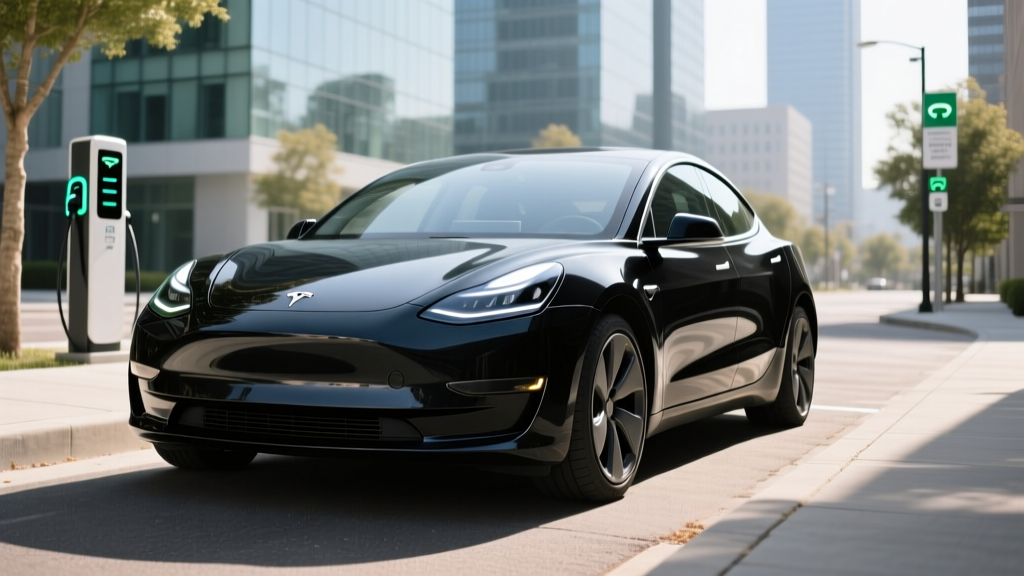
The Model 3 Long Range AWD supports a peak DC fast-charge rate of 250 kW on V3 Superchargers and compatible third-party CCS stations (using the Tesla NACS-to-CCS adapter, which ships with new vehicles or can be purchased separately). Tesla's native NACS connector gives you direct access to the Supercharger network — currently the most reliable DC fast-charging infrastructure in the US.
| Charging Method | Power (kW) | Miles Added per Hour | Notes |
|---|---|---|---|
| Level 1 (120V household) | ~1.4 kW | ~3-5 mi/hr | Emergency/top-up only |
| Level 2 (240V, 48A Wall Connector) | 11.5 kW | ~44 mi/hr | Full charge in ~7 hours |
| DC Fast (V3 Supercharger, peak) | 250 kW | ~200+ mi in 15 min | 10-80% in ~25 min |
| DC Fast (V4 Supercharger / CCS) | 250 kW (vehicle-limited) | Similar to V3 | Adapter may be required for CCS |
A critical detail about DC fast charging: the 250 kW figure is a peak, not a sustained rate. The Model 3's NMC battery charges fastest between roughly 10-50% state of charge (SoC), where it can sustain 200-250 kW. Above 60%, the charge curve tapers progressively — by 80% you're typically seeing 80-100 kW, and above 90% it drops to under 30 kW. This is normal lithium-ion behavior, not a defect. Tesla's navigation system automatically preconditions the battery when you route to a Supercharger, warming it to the optimal temperature for maximum charge acceptance on arrival.
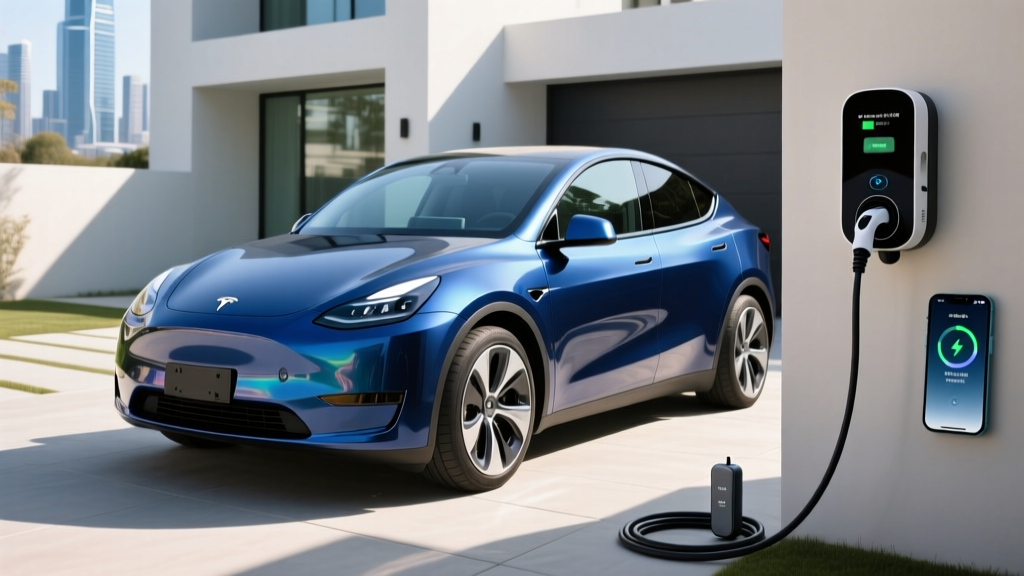
For home charging, the Tesla Wall Connector at 48 amps (requiring a 60-amp circuit) delivers 11.5 kW and adds roughly 44 miles of range per hour. A full 0-100% charge takes approximately 7 hours, which means overnight charging is effortless. If your electrical panel supports only a 40-amp circuit, you'll see roughly 9.6 kW / ~37 mi/hr — still more than adequate for daily use.
Battery, Chemistry, and Long-Term Degradation
The Long Range AWD uses a ~75 kWh usable NMC (nickel manganese cobalt) battery pack. Unlike the base RWD Model 3, which uses LFP (lithium iron phosphate) chemistry, the Long Range's NMC pack offers higher energy density — necessary to hit that 341-mile EPA target in a compact sedan form factor.
The trade-off: NMC batteries are generally recommended to be charged to 80% for daily use to maximize longevity, with 100% charges reserved for road trips. LFP batteries, by contrast, tolerate daily 100% charges better. Tesla's Battery Management System (BMS) handles most of this optimization automatically, but you'll see an 80% daily charge limit recommendation in the vehicle settings.
Tesla's battery warranty covers 8 years or 120,000 miles (whichever comes first) with a minimum 70% capacity retention threshold. Real-world degradation data from Tesla's 2024 Impact Report suggests that Model 3/Y packs retain approximately 85% of original capacity after 200,000 miles — well above the warranty threshold. Battery replacement out of warranty is expensive — estimated at $12,000-$16,000 depending on the pack and labor — but the data suggests most packs will outlast the vehicle's useful life.
Pricing, Trims, and Federal Tax Credit Eligibility
The 2026 Model 3 lineup includes three main trims:
- Model 3 RWD: $39,740 — single motor, LFP battery, EPA 272 miles
- Model 3 Long Range AWD: $47,740 — dual motor, NMC battery, EPA 341 miles
- Model 3 Performance: $54,740 — dual motor, EPA 315 miles, 0-60 in 2.9s
The Long Range AWD at $47,740 sits comfortably under the IRS §30D MSRP cap of $55,000 for sedans. However, qualifying for the full $7,500 federal tax credit depends on several factors that change periodically and are subject to battery-sourcing and critical-mineral requirements under current law.
| Item | Amount |
|---|---|
| Base MSRP | $47,740 |
| Destination Fee | $1,390 |
| Common Add-Ons (FSD, paint, wheels) | +$0 – $8,000 |
| As-Tested Price (typical) | $49,130 – $57,130 |
| Max Federal §30D Credit (if eligible) | Up to $7,500 |
| Effective Price After Max Credit | ~$41,630 (base, no add-ons) |
Key §30D eligibility requirements (2026 rules per IRS.gov):
- MSRP cap: Sedans must have an MSRP at or below $55,000 (the base Long Range qualifies; heavily optioned builds may not)
- Buyer income cap: Modified AGI ≤ $150,000 (single), ≤ $225,000 (head of household), ≤ $300,000 (joint)
- Battery sourcing: A percentage of critical minerals and battery components must be sourced from the US or FTA partners — this requirement tightens annually, and Tesla's supply chain compliance varies by production batch
- Point-of-sale transfer: As of 2024, you can transfer the credit to the dealer at purchase, reducing your out-of-pocket cost immediately rather than waiting for tax filing
Because battery-sourcing rules are complex and Tesla does not publicly disclose per-VIN compliance, always verify eligibility with your tax professional and check the IRS's clean vehicle credit lookup tool before finalizing a purchase.
Interior, Cargo, and Daily Usability
The Highland-refreshed Model 3 interior is a significant step up from the pre-2024 cabin. Materials are softer, ambient lighting is standard, and the rear passengers finally get a dedicated 8-inch touchscreen for climate and entertainment control. The minimalist ethos remains — no physical instrument cluster, no traditional stalks (turn signals are now steering-wheel-mounted buttons), and virtually all vehicle controls live on the 15.4-inch center touchscreen.
Passenger and cargo dimensions:
- Front legroom: 42.4 inches
- Rear legroom: 35.3 inches
- Trunk volume: 21 cu ft
- Frunk (front trunk): 2.0 cu ft (fits a charging cable bag or small backpack)
- Total cargo: ~23 cu ft
The cargo volume is competitive for the compact luxury sedan segment, though the trunk opening is narrower than a hatchback like the Ioniq 6 or a liftback like the BMW i4. Rear-seat comfort is adequate for adults on shorter trips, but taller passengers (6'2"+) will find the sloping roofline limits headroom. There's no towing capacity — the Model 3 is not rated for towing.
Technology, Driver Assistance, and Standout Features
Every Model 3 comes with Tesla's Basic Autopilot, which includes adaptive cruise control and lane-keeping assist. This is a SAE Level 2 driver-assistance system — you must keep your hands on the wheel and remain fully engaged at all times. Tesla does not currently sell a self-driving vehicle to consumers.
SAE Automation Level: Level 2 (Partial Driving Automation). Tesla Autopilot and Full Self-Driving (Supervised) require continuous driver supervision. The vehicle handles steering, acceleration, and braking under specific conditions, but the driver is legally and operationally responsible at all times.
The optional Full Self-Driving (Supervised) package ($8,000 one-time purchase or $99/month as of early 2026) adds automatic lane changes, traffic light and stop sign recognition, and Navigate on Autopilot. Despite the name, FSD Supervised remains Level 2 — it's an advanced driver-assist, not a robotaxi system. Tesla's FSD has improved substantially in 2025-2026 with the v13+ neural network architecture, but it still requires active monitoring and occasional intervention, particularly in construction zones, unmapped areas, and complex intersections.
Notable tech features:
- 15.4-inch center touchscreen with fast, responsive UI
- Over-the-air (OTA) software updates that add features regularly
- Sentry Mode (360° dashcam recording when parked)
- Dog Mode and Camp Mode for climate control while stationary
- Tesla Supercharger network access (17,000+ stalls in North America)
- Ventilated front seats (new for Highland refresh)
- Ambient cabin lighting
What FSD (Supervised) does NOT do: It does not make the Model 3 autonomous. It will not navigate unmapped roads reliably, handle all construction zones, or operate safely without an attentive driver. Treat it as a fatigue-reducing assist on highways, not a replacement for driving.
Pros and Cons
Pros
- Class-leading 341-mile EPA range in the AWD sedan segment
- 4.2-second 0-60 with drama-free AWD launches
- Supercharger network — most reliable DC charging in the US
- 250 kW peak fast charging, 10-80% in ~25 min
- Excellent efficiency at 134 MPGe combined
- Continuous OTA updates add real features over time
- Strong resale value relative to EV segment average
Cons
- Turn-signal buttons on the steering wheel are polarizing and less intuitive than stalks
- No physical instrument cluster — all info on the center screen
- Rear headroom limited for tall passengers
- FSD (Supervised) is expensive and still requires full driver attention
- No towing capability
- Insurance costs tend to be higher than comparable ICE sedans
- NMC battery recommends 80% daily charge limit (vs. LFP's 100% tolerance)
Who Should Buy the Model 3 Dual Motor Long Range?
The Model 3 Long Range AWD is best suited for:
- Commuters with long round trips (60-120 miles/day) who benefit from the 341-mile range buffer and fast home charging
- Performance-oriented buyers who want sub-5-second 0-60 times without paying luxury-badge premiums
- Road trippers who value Supercharger network reliability for cross-country travel
- Tech-forward drivers who prefer a screen-centric interface and OTA feature updates
It's less ideal for families needing generous rear-seat space (consider the Model Y instead), buyers who prefer physical controls, or those in extreme-cold climates where range loss will be most pronounced.
Choose the Model 3 Long Range AWD if: You want the best combination of range, acceleration, and charging speed in a compact sedan under $50K, and you're comfortable with a touchscreen-centric interface.
Consider the BMW i4 or Ioniq 6 instead if: You prefer a traditional instrument cluster, physical buttons, or a hatchback/liftback cargo layout — and you're willing to accept less range or a higher price.
Frequently Asked Questions
What is the real-world range of the Tesla Model 3 Dual Motor Long Range?
The EPA estimates 341 miles. In real-world highway driving at 70-75 mph in moderate temperatures, expect 270-295 miles. City and mixed driving yields 300-330 miles. In cold weather (below 32°F), plan for 220-260 miles of usable range on the highway. Preconditioning while plugged in mitigates some cold-weather loss.
How fast does the Model 3 Dual Motor charge at home and on the road?
At home on a Level 2 Tesla Wall Connector (48A/240V), the Model 3 charges at 11.5 kW, adding about 44 miles of range per hour — a full charge takes roughly 7 hours. On a V3 Supercharger, it peaks at 250 kW DC and charges from 10-80% in approximately 25 minutes, though the rate tapers significantly above 80% SoC.
How much does the Model 3 Long Range AWD cost after tax credits?
The base MSRP is $47,740 plus a $1,390 destination fee. If you qualify for the full $7,500 federal §30D credit (subject to income caps, MSRP limits, and battery-sourcing requirements), the effective price drops to approximately $41,630. State and local incentives may reduce the cost further, but vary widely — check IRS.gov and your state energy office for current eligibility.
Does the Model 3 Dual Motor qualify for the $7,500 federal EV tax credit?
It can, but eligibility is not guaranteed for every buyer or every vehicle. The base MSRP is under the $55,000 sedan cap, and the Long Range AWD uses an NMC battery whose sourcing compliance with §30D critical-mineral and component requirements must be verified per production batch. Buyer income must also fall under IRS thresholds ($150K single, $300K joint). Confirm eligibility with a tax professional before purchasing.
Is the Model 3 Dual Motor worth buying over the competition?
For buyers prioritizing range, acceleration, and charging infrastructure, the Model 3 Long Range AWD is the strongest value proposition in the segment. It delivers 341 EPA miles and a 4.2-second 0-60 for under $50K — figures the BMW i4, Ioniq 6, and Polestar 2 can't simultaneously match. If you prefer a more traditional interior with physical controls or a hatchback cargo area, the i4 or Ioniq 6 are worthy alternatives, though they cost more or offer less range.
What are the biggest drawbacks of the Model 3 Long Range AWD?
The steering-wheel-mounted turn-signal buttons remain controversial and take time to build muscle memory for. The lack of a physical instrument cluster and stalks won't appeal to all drivers. Rear headroom is tight for tall passengers, there's no towing capability, and insurance premiums tend to run 15-30% higher than comparable gas sedans. The optional FSD package, at $8,000, remains a Level 2 system despite its name.
How long will the Model 3 battery last?
Tesla warranties the Long Range NMC battery for 8 years or 120,000 miles with a 70% capacity retention guarantee. Real-world fleet data suggests Model 3/Y packs retain approximately 85% capacity after 200,000 miles. To maximize longevity, charge to 80% for daily use, minimize frequent DC fast charging when Level 2 is available, and precondition the battery in cold weather. Full battery replacement out of warranty is estimated at $12,000-$16,000.