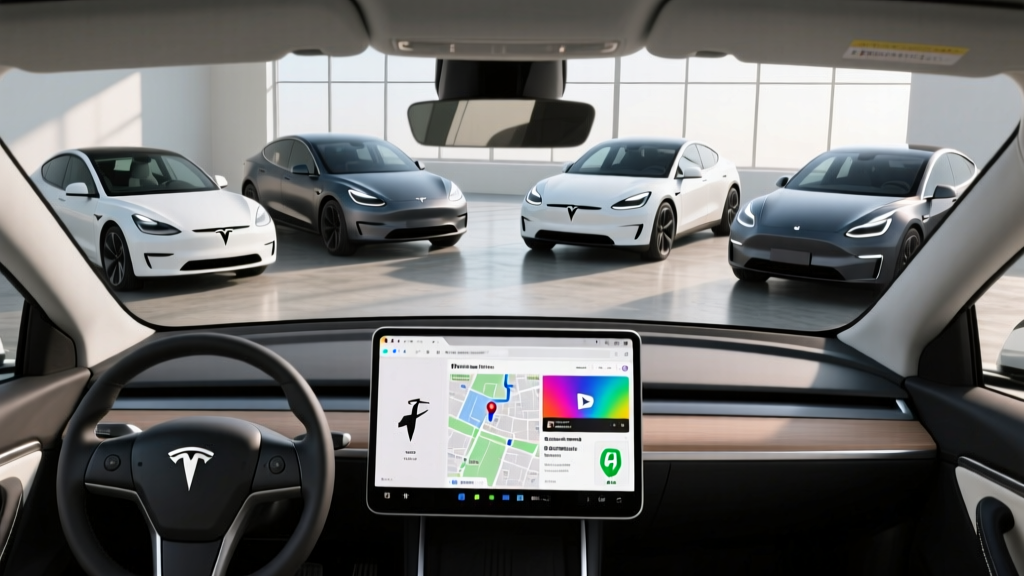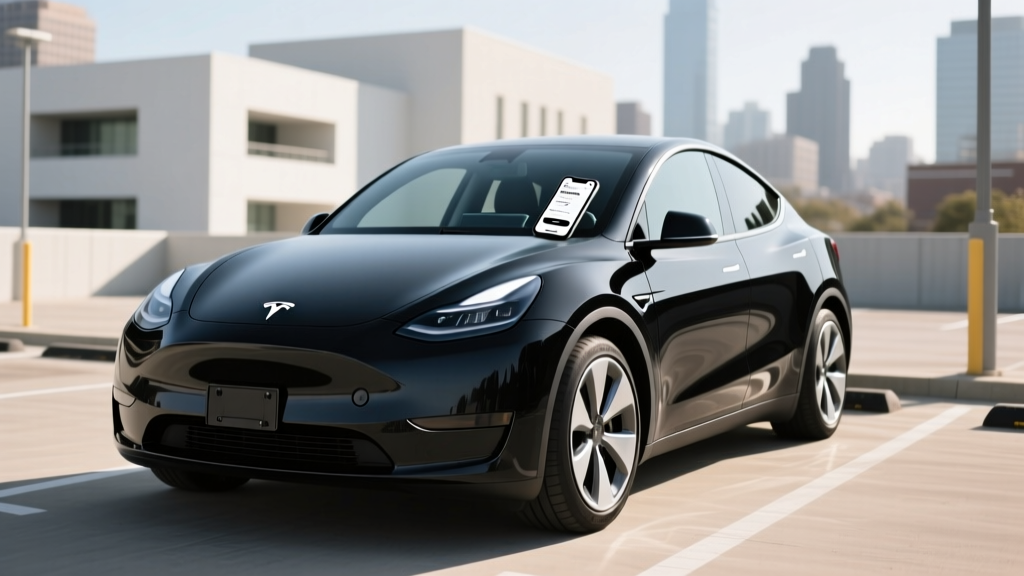
The refreshed Tesla Model 3 (internally dubbed "Highland" and now carrying into the 2026 model year) remains one of the best-selling electric sedans in the U.S. — but a growing number of owners and prospective buyers are searching for answers about a specific complaint: the Tesla Model 3 door release issue. Before we break down the door-handle and electronic-release quirks that have surfaced in forums and NHTSA complaints, this review covers the full vehicle — range, charging, pricing, tax-credit eligibility, and whether the 2026 Model 3 still earns its spot against rivals like the Hyundai Ioniq 6 and BMW i4.
The Tesla Model 3 Door Release Issue Explained
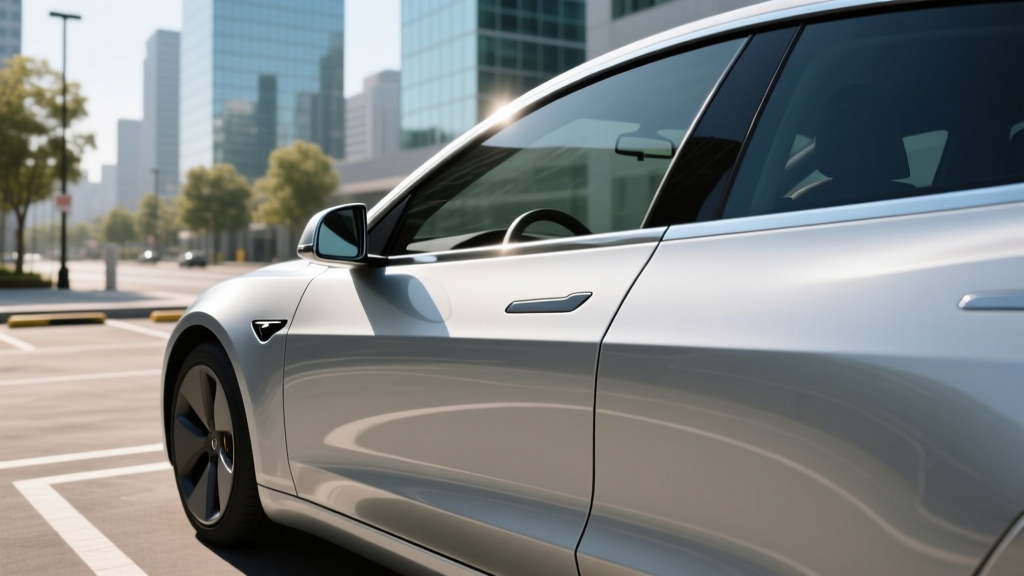
Unlike most vehicles with mechanical pull handles, the Model 3 uses an electronic push-button release on the interior door panel. Press the thumb button, push the door outward. It's minimalist, but it's also the source of the recurring complaint known as the Tesla Model 3 door release issue.
Owners across Reddit, Tesla Motors Club, and NHTSA complaint filings have reported three main variations:
- Unresponsive interior button: The electronic thumb button occasionally fails to register, requiring a second or third press. This is most common in extreme cold (below 20°F) or when the 16V lithium auxiliary battery is aging.
- Exterior handle flush-fit freezing: The exterior flush door handles can ice over in winter climates, making entry difficult without preconditioning the cabin.
- Emergency release confusion: In the post-2024 Highland refresh, Tesla moved the manual emergency release to a less intuitive location (a pull-tab behind the window switch panel on front doors, and a recessed lever on rear doors). First-time passengers — especially children and ride-share riders — have struggled to locate it.
Our take: The electronic release works reliably for the vast majority of daily use. The issue is real but statistically uncommon — and it's often conflated with the separate (and more frustrating) problem of frozen exterior handles in northern climates. If you live in a region with harsh winters or frequently carry passengers unfamiliar with EVs, the door release quirk is worth a hands-on test drive before purchase.
2026 Tesla Model 3: Range, Battery & Efficiency
| Trim | Long Range RWD | Long Range AWD | Performance |
| EPA Range | 363 mi | 346 mi | 315 mi |
| Battery (usable) | ~75 kWh (NMC) | ~75 kWh (NMC) | ~75 kWh (NMC) |
| EPA Efficiency | 132 MPGe / 25 kWh/100mi | 125 MPGe / 27 kWh/100mi | 113 MPGe / 30 kWh/100mi |
| 0-60 mph | 4.9 sec | 4.2 sec | 2.9 sec |
| Horsepower | 271 hp | 346 hp | 510 hp |
| Drivetrain | RWD | Dual-Motor AWD | Dual-Motor AWD |
| Max DC Fast Charge | 170 kW | 250 kW | 250 kW |
| 10-80% DCFC Time | ~28 min | ~25 min | ~25 min |
| Level 2 Home Rate | 11.5 kW (~44 mi/hr) | 11.5 kW (~44 mi/hr) | 11.5 kW (~44 mi/hr) |
| Base MSRP | $44,130 | $49,130 | $54,630 |
Sources: fueleconomy.gov, Tesla.com. Prices exclude $1,390 destination fee. Specs reflect 2026 model year as listed.
The Long Range RWD's EPA rating of 363 miles is among the highest of any production EV sedan. In real-world highway testing at 70 mph in moderate temperatures (65-75°F), expect approximately 310–330 miles before reaching 10% SoC. In cold weather (25-35°F) with cabin heating, that drops to roughly 250–280 miles. The Model 3's heat pump (standard on all Highland and post-Highland trims) helps mitigate winter losses compared to older resistance-heater EVs, but physics still wins in sub-freezing conditions. City driving with heavy regenerative braking can actually exceed the EPA combined figure, with some owners reporting 370+ miles in stop-and-go traffic at moderate speeds.
Charging Speed & Infrastructure
The Model 3 uses the NACS (North American Charging Standard) connector natively — no adapter needed for Tesla Superchargers. With the broader industry adopting NACS through 2025-2026, the Model 3 now also accesses Electrify America, EVgo, and ChargePoint stalls equipped with NACS cables or built-in Magic Dock adapters.
| Level | Power | Miles Added/Hour | Notes |
|---|---|---|---|
| Level 1 (120V) | ~1.4 kW | ~5 mi/hr | Emergency/trickle only |
| Level 2 (240V, 48A) | 11.5 kW | ~44 mi/hr | Full overnight charge in ~7 hr |
| DC Fast (V3 Supercharger) | 250 kW peak | ~1,000 mi/hr (peak) | 10-80% in ~25 min; tapers above 80% |
Charging-curve reality check: The 250 kW peak on Long Range AWD and Performance trims is sustained only between roughly 10-30% SoC. From 50-80%, the rate tapers to approximately 80-120 kW. This means the advertised 25-minute 10-80% time assumes you arrive at a low state of charge and the battery is preconditioned (navigate to a Supercharger in the Tesla app or in-car nav to trigger automatic preconditioning). Without preconditioning in cold weather, peak rates can be cut in half.
Home charging: Tesla's Wall Connector ($420) delivers up to 11.5 kW on a 60-amp circuit (48A continuous). Most owners install a NEMA 14-50 outlet ($300-$800 electrician cost) for portable Mobile Connector use at 7.7 kW, or hardwire the Wall Connector for the full 11.5 kW. Budget $500-$1,500 for a standard home installation; older homes may need a panel upgrade ($1,500-$3,000 additional).
Interior, Cargo & Technology
The 2026 Model 3 interior carries over the minimalist cabin introduced with the Highland refresh: ventilated front seats, acoustic glass (significantly quieter than pre-2024 models), ambient lighting, and an 8-inch rear touchscreen for climate and entertainment. The 15.4-inch front touchscreen runs Tesla's proprietary infotainment — no Apple CarPlay or Android Auto, which remains a dealbreaker for some buyers.
| Dimension | Measurement |
|---|---|
| Cargo (trunk) | 23.1 cu ft |
| Cargo (rear seats folded) | ~56 cu ft (est.) |
| Front legroom | 42.7 in |
| Rear legroom | 35.2 in |
| Frunk (front trunk) | 3.1 cu ft |
Driver assistance: Basic Autopilot (adaptive cruise + lane centering) is standard. Full Self-Driving (Supervised) remains a $8,000 add-on or $99/month subscription. This is SAE Level 2 — the driver must remain fully engaged with hands on the wheel and eyes on the road at all times. It is not autonomous driving. Tesla's camera-only vision stack has improved considerably in 2025-2026, but NHTSA continues to monitor crash data involving driver-assist systems.
Pricing, Trims & Federal Tax Credit Eligibility
| Trim | Base MSRP | + Destination | Est. After §30D Credit |
|---|---|---|---|
| Long Range RWD | $44,130 | $45,520 | ~$38,020* |
| Long Range AWD | $49,130 | $50,520 | ~$43,020* |
| Performance | $54,630 | $56,020 | ~$48,520* |
*Estimated price assumes full $7,500 federal tax credit. Actual eligibility depends on multiple factors — see checklist below.
- MSRP cap: Sedans must have an MSRP at or below $55,000 (the Performance trim at $54,630 qualifies; add-ons that push MSRP above $55,000 may disqualify).
- Buyer income cap: Modified AGI must not exceed $150,000 (single), $225,000 (head of household), or $300,000 (joint). Per IRS §30D rules.
- Battery sourcing: Critical minerals and battery component requirements phase in annually. Tesla's supply chain has adapted, but confirm VIN eligibility at fueleconomy.gov before purchase.
- Point-of-sale transfer: As of 2024, buyers can transfer the credit to the dealer at purchase, reducing the upfront price rather than waiting for a tax refund. Tesla supports this at delivery.
- Consult a tax professional — individual circumstances vary and IRS rules are subject to legislative change.
Warranty & Long-Term Ownership
Tesla's warranty coverage is competitive but not class-leading:
- Basic vehicle: 4 years / 50,000 miles
- Battery & drive unit (Long Range/Performance): 8 years / 120,000 miles, with a minimum 70% capacity retention guarantee
- Roadside assistance: 4 years / 50,000 miles
The 8-year/120,000-mile battery warranty on NMC-equipped Long Range trims is generous. Real-world degradation data from Tesla's own fleet reports suggest approximately 12-15% capacity loss at 150,000 miles — meaning most owners will retain well above the 70% threshold. The door-release electronics are covered under the basic 4-year warranty; if the issue manifests after that window, replacement of the door-switch module runs roughly $150-$300 at a service center.
Pros, Cons & Verdict
- Class-leading EPA range (363 mi on LR RWD)
- Best-in-class Supercharger network access (native NACS)
- Strong efficiency (25 kWh/100mi LR RWD)
- Quick DCFC with preconditioning (10-80% in ~25 min)
- OTA updates continuously add features
- Improved cabin quietness post-Highland refresh
- Electronic door release can confuse passengers & freeze in winter
- No Apple CarPlay / Android Auto
- Turn-signal stalks removed (steering-wheel buttons)
- Rear seat legroom (35.2 in) trails Hyundai Ioniq 6
- FSD remains Level 2 despite the name — $8K for supervised assist
- Panel gaps and build-quality variability still reported
Should You Buy the 2026 Tesla Model 3?
- You want maximum range per dollar in a sedan (363 mi EPA is hard to beat at ~$38K after credit)
- You road-trip frequently and value the Supercharger network
- You have home Level 2 charging and can precondition to avoid door-freeze and charging-taper issues
- You're comfortable with Tesla's touchscreen-centric interface
- You live in a harsh-winter climate and the electronic door release + flush handles concern you (consider the Ioniq 6 with conventional handles)
- You need Apple CarPlay or physical buttons for climate/audio
- Maximum rear-seat space is a priority (BMW i4 and Ioniq 6 offer more rear legroom)
The Tesla Model 3 door release issue is a real but manageable quirk in an otherwise outstanding electric sedan. For most buyers — especially those with garage parking and moderate climates — it's a minor footnote. For cold-climate owners who regularly carry unfamiliar passengers, it's worth a deliberate test before signing. The 2026 Model 3's combination of range, charging speed, and post-credit pricing keeps it at the top of the EV sedan segment, even as competition intensifies.
Frequently Asked Questions
Has Tesla issued a recall for the Model 3 door release?
As of early 2026, no NHTSA recall has been issued specifically for the electronic interior door-release button on the Model 3. Tesla has issued service bulletins addressing software-related latch responsiveness in certain build batches. The manual emergency release remains functional on all doors. Check NHTSA's recall database with your VIN for the latest status.
Can I open a Model 3 door if the 12V/16V battery is dead?
Yes. Every Model 3 door has a mechanical emergency release that operates independently of the vehicle's electrical system. On 2024–2026 Highland and post-Highland models, the front-door release is a pull-tab behind the window-switch trim; the rear-door release is a recessed lever in the door pocket. Practice locating these before you need them.
What is the real-world highway range of the Model 3 Long Range?
Expect approximately 310–330 miles at 70 mph in moderate temperatures. In cold weather (below 35°F) with heating, plan for 250–280 miles. City driving with regenerative braking can exceed the 363-mile EPA combined estimate.
Does the 2026 Model 3 qualify for the $7,500 federal tax credit?
All three trims fall under the $55,000 MSRP cap for sedans. Eligibility also depends on buyer income limits ($150K single / $300K joint), battery-critical-mineral sourcing compliance, and the vehicle being assembled in North America (the Model 3 is built in Fremont, CA and Austin, TX). Verify your specific VIN at fueleconomy.gov and consult a tax professional.
How does the Model 3 compare to the Hyundai Ioniq 6?
The Ioniq 6 SE Long Range offers 361 miles EPA (nearly identical) with faster 800V charging capability (10-80% in ~18 min vs. Tesla's ~25 min), conventional door handles, and Apple CarPlay. The Model 3 wins on Supercharger network reliability, over-the-air updates, and typically lower insurance costs. Both are excellent — test-drive both.