Tesla Model 3 Depreciation: The 2026 Reality Check
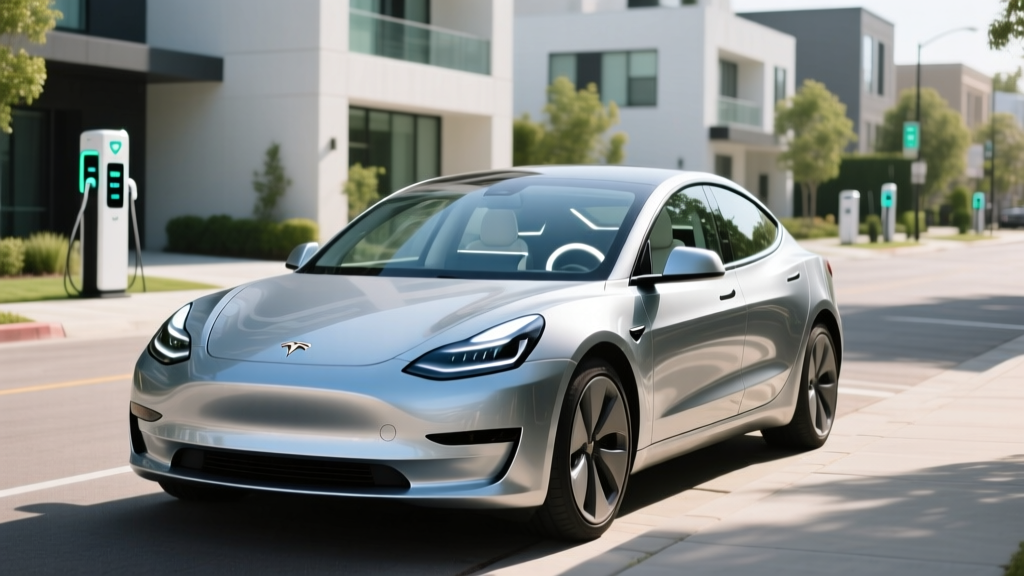
The Tesla Model 3 remains one of the most popular electric vehicles on the road, but prospective buyers in 2026 are asking a critical question: how much value will this car lose over time? Tesla Model 3 depreciation has become a hot topic as the EV market matures, used inventory grows, and newer competitors enter the segment. This review examines the 2026 Model 3's specs, ownership costs, and resale trajectory to help you make an informed decision.
Real-World Range vs EPA Estimate
EPA Estimated Range: 341 miles (Long Range AWD) / 272 miles (RWD)
Real-World Expectation: Highway driving at 70+ mph typically yields 280-300 miles in the Long Range model. Cold weather (below 40°F) can reduce range by 20-30%, bringing the Long Range down to 240-270 miles. City driving with regenerative braking often exceeds EPA estimates.
2026 Tesla Model 3 Specifications
| Specification | RWD | Long Range AWD | Performance |
|---|---|---|---|
| EPA Range | 272 miles | 341 miles | 315 miles |
| Battery Capacity | 60 kWh (LFP) | 82 kWh (NMC) | 82 kWh (NMC) |
| 0-60 mph | 5.8 seconds | 4.2 seconds | 2.9 seconds |
| Horsepower | 283 hp | 346 hp | 510 hp |
| Drivetrain | Rear-Wheel Drive | Dual-Motor AWD | Dual-Motor AWD |
| MPGe (Combined) | 132 MPGe | 131 MPGe | 125 MPGe |
| Efficiency | 26 kWh/100mi | 25 kWh/100mi | 27 kWh/100mi |
| Base MSRP (2026) | $38,990 | $45,990 | $52,990 |
| Warranty (Battery) | 8 years / 100,000 miles | 8 years / 120,000 miles | 8 years / 120,000 miles |
Charging Speed: DC Fast and Home Level 2
Charging infrastructure access is crucial for EV ownership satisfaction, and the Model 3's charging capabilities remain competitive in 2026.
| Charging Level | Power | Charge Time | Miles Added Per Hour |
|---|---|---|---|
| Level 1 (120V household) | 1.4 kW | N/A (overnight trickle) | 3-5 miles/hour |
| Level 2 (240V home/public) | 11.5 kW (48A) | 8-10 hours (0-100%) | 30-44 miles/hour |
| DC Fast Charge (Tesla Supercharger V3) | 250 kW peak | ~15 minutes (10-80%) | ~175 miles in 15 min |
| DC Fast Charge (CCS adapter) | Up to 250 kW | ~18 minutes (10-80%) | Similar to Supercharger |
Charging Curve Reality: The Model 3 peaks at 250 kW only when the battery is warm and below 30% state of charge. Above 80%, charging slows dramatically to protect battery health—expect 40-60 kW from 80-100%. Preconditioning (automatic when navigating to a Supercharger) is essential for achieving peak rates.
Federal Tax Credit Eligibility (§30D)
Not every Tesla Model 3 buyer qualifies for the full $7,500 federal tax credit. Current IRS §30D rules impose multiple restrictions:
- MSRP Cap: Vehicle base price must not exceed $55,000 (sedans). All 2026 Model 3 trims qualify.
- Income Limits: Modified adjusted gross income (MAGI) cannot exceed $150,000 (single) / $300,000 (joint).
- Battery Sourcing: Critical minerals and battery components must meet North American sourcing requirements (phased percentages increase yearly).
- Point-of-Sale Transfer: You can transfer the credit to the dealer for an immediate price reduction at purchase.
| Trim | Base MSRP | After $7,500 Credit | Destination + Options | Estimated Out-the-Door |
|---|---|---|---|---|
| RWD | $38,990 | $31,490 | +$1,390 dest. | ~$32,880 |
| Long Range AWD | $45,990 | $38,490 | +$1,390 dest. | ~$39,880 |
| Performance | $52,990 | $45,490 | +$1,390 dest. | ~$46,880 |
Important: Tax credit eligibility depends on battery sourcing compliance, which can change mid-year. Always verify current eligibility on fueleconomy.gov before purchasing.
Tesla Model 3 Depreciation Trends
Historically, the Model 3 has experienced steeper depreciation than some luxury competitors, driven by several factors:
- Price Volatility: Tesla's frequent MSRP adjustments (both up and down) create uncertainty in used-car valuations.
- High Volume: Over 2 million Model 3s sold globally means substantial used inventory, pressuring resale prices.
- Rapid Tech Obsolescence: The 2024 "Highland" refresh made pre-2024 models feel dated, accelerating depreciation on older stock.
- Competition: The Hyundai Ioniq 6, BMW i4, and Polestar 2 offer compelling alternatives, reducing Model 3 exclusivity.
Typical Depreciation Curve (2026 Data):
- Year 1: 15-20% loss
- Year 3: 35-45% loss
- Year 5: 50-60% loss
Compare this to the Toyota Camry Hybrid (35-40% loss at year 5) or BMW 3 Series (55-65% loss at year 5). The Model 3 sits in the middle—worse than hybrids, better than many luxury sedans.
Interior Space and Cargo Capacity
The Model 3's minimalist interior prioritizes efficiency over luxury, but space is adequate for most buyers:
- Cargo Volume: 23 cu ft (trunk + frunk combined)
- Front Legroom: 42.7 inches
- Rear Legroom: 35.2 inches
- Seating: 5 passengers (tight for three adults in back)
The glass roof creates an airy feel, but rear visibility is limited by the sloping roofline. The frunk (front trunk) adds 3 cu ft of secure storage—useful for charging cables or groceries.
Tech Features and Driver Assistance
Tesla's software ecosystem remains a key differentiator:
- Infotainment: 15.4-inch center touchscreen (no physical gauges—speed and info displayed on screen)
- Autopilot (Standard): SAE Level 2 adaptive cruise + lane centering. Requires hands on wheel.
- Full Self-Driving (Supervised): Optional $8,000 add-on. Still SAE Level 2—driver must remain engaged. Not autonomous.
- Over-the-Air Updates: Regular feature additions and improvements.
- Supercharger Network: Access to 50,000+ global fast chargers (reliability advantage over third-party networks).
Driver Assistance Limitations
Neither Autopilot nor FSD is "self-driving." Both are SAE Level 2 systems requiring constant driver supervision. You must keep hands on the wheel and eyes on the road. The system can handle highway driving well, but struggles with construction zones, complex intersections, and adverse weather. Never treat it as autonomous.
Pros and Cons: Is the Model 3 Right for You?
Pros
- Best-in-class Supercharger network access
- Excellent efficiency (25-27 kWh/100mi)
- Strong performance across all trims
- Over-the-air updates add features post-purchase
- Eligible for full $7,500 federal tax credit (if income/sourcing qualify)
- Low maintenance costs (no oil changes, minimal brake wear)
Cons
- Steeper depreciation than hybrid competitors
- Minimalist interior lacks physical controls (love it or hate it)
- Rear seat is tight for tall adults
- FSD is expensive and still not truly autonomous
- Service center wait times can be long in some markets
- Cold-weather range loss is significant (20-30%)
Who Should Buy the Tesla Model 3?
Choose the Model 3 If:
- You have home charging access (Level 2 installation)
- You prioritize charging infrastructure reliability (Supercharger advantage)
- You want strong performance and tech integration
- Your commute is under 200 miles round-trip
- You qualify for the federal tax credit
Consider Alternatives If:
- You frequently drive 300+ miles in cold weather (range anxiety risk)
- You need maximum rear-seat space (look at Model Y or Ioniq 5)
- You prefer traditional luxury interiors (BMW i4, Mercedes EQB)
- You want to minimize depreciation (Toyota Camry Hybrid, Honda Accord Hybrid)
- You lack reliable home charging access
Competitor Comparison: Model 3 vs the Field
| Spec | Tesla Model 3 LR | Hyundai Ioniq 6 LR | BMW i4 eDrive40 |
|---|---|---|---|
| EPA Range | 341 miles | 361 miles | 301 miles |
| Base MSRP | $45,990 | $42,500 | $52,200 |
| DC Fast Charge (peak) | 250 kW | 240 kW | 200 kW |
| 10-80% Charge Time | ~15 min | ~18 min | ~31 min |
| 5-Year Depreciation (est.) | 50-60% | 45-55% | 55-65% |
| Tax Credit Eligible? | Yes | Yes | Partial/No |
The Ioniq 6 offers slightly better range and lower starting price, but lacks Tesla's Supercharger network. The BMW i4 provides a more premium interior but charges slower and costs significantly more.
Frequently Asked Questions
What is the real-world range of the Tesla Model 3?
The Long Range AWD achieves 280-300 miles in highway driving, 320+ miles in city driving with regen. Cold weather (below 40°F) reduces range to 240-270 miles. The RWD model delivers 220-250 miles real-world.
How fast does the Model 3 charge?
On a Tesla Supercharger V3, the Model 3 peaks at 250 kW and charges 10-80% in approximately 15 minutes. Home Level 2 charging (11.5 kW) adds 30-44 miles per hour, fully charging overnight.
How much does the Model 3 cost after tax credits?
If you qualify for the full $7,500 federal credit, the RWD drops to ~$32,880 out-the-door, Long Range to ~$39,880, and Performance to ~$46,880. Eligibility depends on income limits ($150K single / $300K joint) and battery sourcing compliance.
Is the Model 3 worth buying vs competitors?
The Model 3 excels in charging infrastructure (Supercharger network), software updates, and performance. Competitors like the Ioniq 6 offer better range and value, while luxury alternatives (BMW i4) provide premium interiors. Your priority (tech vs luxury vs value) determines the best choice.
What are the biggest pros and cons?
Pros: Supercharger access, efficiency, performance, OTA updates, low maintenance. Cons: Steeper depreciation than hybrids, minimalist interior, tight rear seat, expensive FSD option, cold-weather range loss.
Does the Model 3 qualify for the federal EV tax credit?
Yes, all 2026 Model 3 trims qualify for up to $7,500 if you meet income limits (MAGI under $150K single / $300K joint) and the vehicle meets battery sourcing requirements. Verify current eligibility on IRS.gov before purchase.
Final Verdict: Ownership Economics
The 2026 Tesla Model 3 remains a compelling EV with best-in-class charging infrastructure and strong efficiency. However, Tesla Model 3 depreciation is steeper than hybrid alternatives—expect to lose 50-60% of value over five years. If you prioritize tech, performance, and Supercharger access, the Model 3 delivers. If minimizing depreciation is paramount, consider a Toyota or Honda hybrid. For a full cost-of-ownership analysis, factor in your local electricity rates, insurance costs (typically 15-25% higher than gas cars), and state incentives. The Model 3 works best for buyers with home charging, moderate daily mileage, and a willingness to accept above-average depreciation in exchange for EV benefits.