Tesla Model 3 Colors and the Complete 2026 Ownership Picture
The Tesla Model 3 Highland refresh brought more than a sleeker face and ventilated seats — it reshaped how buyers configure the sedan, right down to the paint palette. If you've been searching for Tesla Model 3 colors, trims, and real-world specs, you've landed on the deep-dive review that pairs aesthetic choices with the hard numbers that actually determine whether this EV fits your life.
For 2026, the Model 3 lineup continues with three core variants: the Rear-Wheel Drive (RWD), Long Range AWD, and the Performance AWD. Each carries distinct battery chemistry, range figures, and pricing — and the color you pick affects not just curb appeal but resale value and paint durability. Let's break it all down with exact figures, real-world caveats, and no marketing gloss.
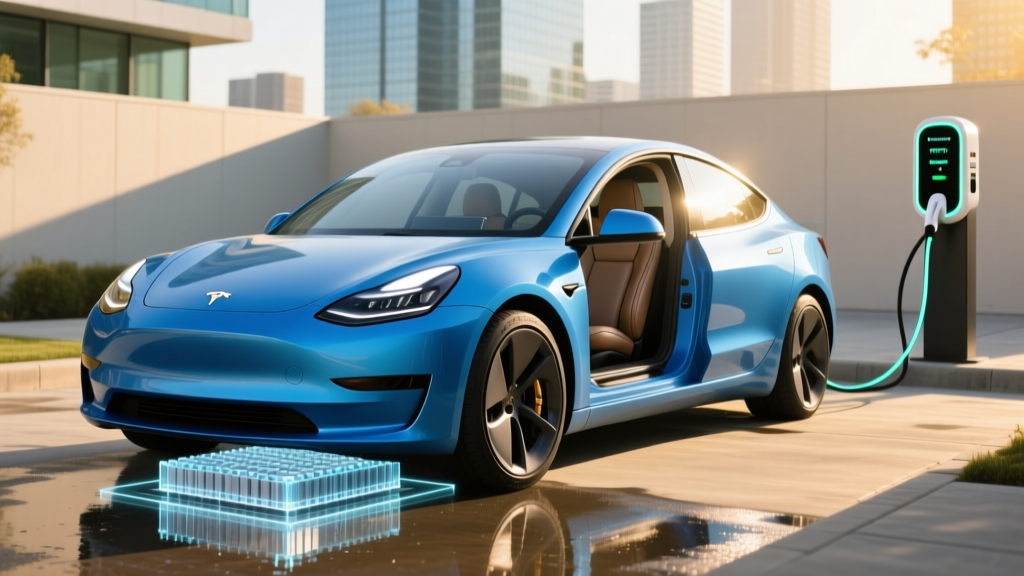
Every Tesla Model 3 Color Available in 2026
Tesla streamlined the Model 3 palette with the Highland update and has carried most options into the 2026 model year. Here's the current lineup with pricing and practical notes from ownership experience:
| Color | Finish Type | Price Add-On | Owner Notes |
|---|---|---|---|
| Pearl White Multi-Coat | Multi-coat pearl | $0 (standard) | Hides light dust well; most common on roads, impacting resale uniqueness |
| Solid Black | Solid | $1,500 | Shows swirl marks and dust quickly; requires regular hand-washing or PPF |
| Deep Blue Metallic | Metallic | $1,500 | Rich hue in direct sun; moderate scratch visibility |
| Ultra Red | Multi-coat metallic | $2,000 | Replaced Red Multi-Coat; deeper, more saturated — strong resale appeal |
| Quicksilver | Multi-coat | $2,000 | Exclusive to Performance/LR; warm silver with subtle champagne undertones |
| Stealth Grey | Flat/matte-like metallic | $2,000 | Highland-exclusive; hides imperfections well, enthusiast favorite |
Pro tip from the driveway: If you plan to apply paint protection film (PPF) — and you should, given Tesla's water-based paint is softer than legacy OEMs — Pearl White and Stealth Grey hide rock chips best between washes. Ultra Red and Solid Black demand the most maintenance to keep showroom-fresh.
Range, Battery, and Real-World Efficiency
The Model 3's range story depends heavily on which trim you choose, because Tesla uses two different battery chemistries across the lineup. The base RWD uses a lithium iron phosphate (LFP) pack, while the Long Range and Performance trims use nickel manganese cobalt (NMC) chemistry. This matters for daily charging habits, longevity, and cold-weather behavior.
| Spec | RWD | Long Range AWD | Performance AWD |
|---|---|---|---|
| EPA Range | 272 mi | 363 mi | 315 mi |
| Battery (usable) | ~60 kWh (LFP) | ~79 kWh (NMC) | ~79 kWh (NMC) |
| Drivetrain | Rear-Wheel Drive | Dual-Motor AWD | Dual-Motor AWD |
| Horsepower | 271 hp | 346 hp | ~510 hp |
| 0–60 mph | 5.8 sec | 4.2 sec | 2.9 sec |
| EPA Efficiency | 25 kWh/100 mi | 25 kWh/100 mi | 28 kWh/100 mi |
| MPGe (combined) | 132 MPGe | 132 MPGe | 118 MPGe |
The EPA sticker says 363 miles for the Long Range, but expect ~290–310 miles on sustained 75 mph highway runs in moderate weather. In freezing temperatures (below 32°F), range drops 20–30% — plan for roughly 230–260 miles in deep winter. The LFP-equipped RWD is more resilient to cold degradation percentage-wise but starts from a lower baseline. City driving with regenerative braking recovers significant energy; owners regularly exceed EPA in stop-and-go commutes.
LFP batteries (RWD) can and should be charged to 100% regularly — Tesla recommends it for accurate BMS calibration. NMC packs (Long Range, Performance) last longer when daily-charged to 80–90%, saving 100% for road trips. Source: Tesla Owner's Manual.
Charging Speeds: DC Fast Charging and Home Level 2
Charging speed is where the Highland Model 3 made meaningful gains, though it still doesn't match the peak rates of 800V rivals like the Hyundai Ioniq 5 or Porsche Taycan. The Model 3 runs on a 400V architecture, and here's what that translates to in practice:
| Charging Level | Power | Speed / Time | Best Use Case |
|---|---|---|---|
| Level 1 (120V) | ~1.4 kW | ~3–5 mi/hr | Emergency trickle; overnight top-ups only |
| Level 2 (240V, 48A) | 11.5 kW | ~44 mi/hr | Daily home charging; full RWD in ~6 hr, LR in ~8 hr |
| DC Fast (peak) | Up to 170 kW (RWD) / 250 kW (LR & Perf) | 10–80% in ~25 min (RWD) / ~18 min (LR) | Road trips on Supercharger or NACS-equipped networks |
Charging curve reality: The Long Range peaks near 250 kW only between roughly 10–30% State of Charge (SoC). By 60% SoC, the rate tapers to ~100 kW, and above 80% it drops sharply to protect the cells. On a typical Supercharger stop, you'll add 150–180 miles in 15 minutes — enough for most highway stretches. Plan charging stops to arrive at 10–15% and leave at 70–80% for optimal time efficiency.
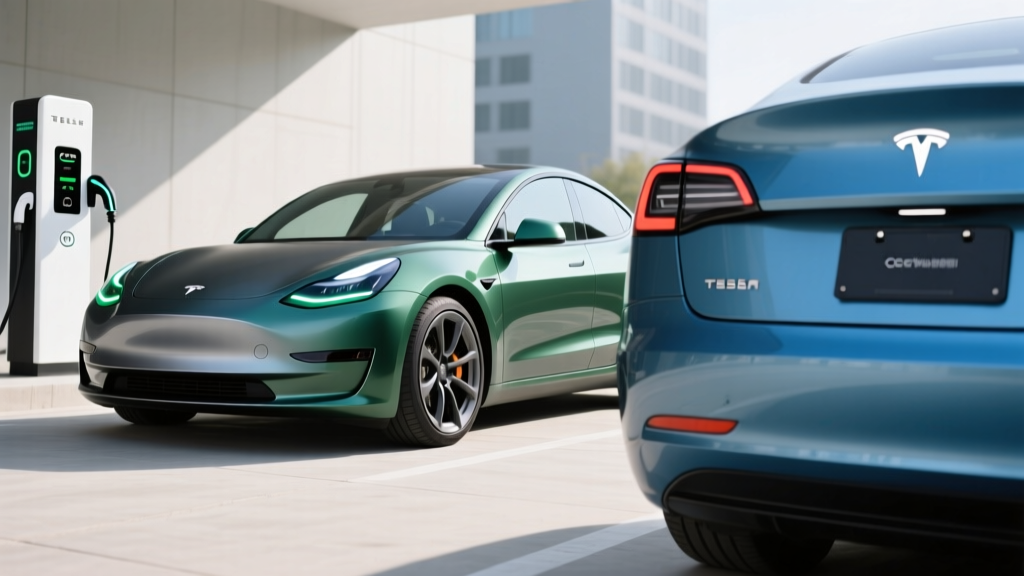
The Model 3 uses the NACS (North American Charging Standard) connector natively — the same port now adopted by Ford, GM, Rivian, and most major OEMs. This gives you access to Tesla's Supercharger network (over 25,000 stalls in North America) without adapters, plus Electrify America, EVgo, and other networks via NACS-to-CCS adapters where needed. Per fueleconomy.gov, the Model 3 Long Range's efficiency ranks among the best in its class.
Pricing, Trims, and Federal Tax Credit Eligibility
Tesla's pricing fluctuates more frequently than legacy automakers, so the figures below reflect 2026 MSRP at the time of writing. Always confirm on Tesla's configurator before ordering.
| Trim | Base MSRP | As-Tested (Popular Config) | Federal §30D Credit | Effective Price |
|---|---|---|---|---|
| RWD | $38,990 | $40,490 (Pearl White, no FSD) | Up to $3,750 | ~$36,740 |
| Long Range AWD | $47,740 | $49,740 (Ultra Red) | Up to $7,500 | ~$42,240 |
| Performance AWD | $52,990 | $55,990 (Quicksilver) | Up to $7,500 | ~$48,490 |
Federal tax credit caveats (IRS §30D): The credit is not automatic. Eligibility depends on:
- Buyer income caps: AGI ≤ $150,000 (single), $225,000 (head of household), $300,000 (joint) — per IRS.gov
- MSRP caps: Sedans must be under $55,000 MSRP. The RWD and Long Range qualify; the Performance may exceed the cap depending on options
- Battery sourcing: Critical mineral and battery component requirements phase in annually. The RWD's LFP cells (CATL-sourced) may face partial credit reduction — the Long Range's NMC pack assembled in the US typically qualifies for the full $7,500
- Point-of-sale transfer: As of 2024+, you can transfer the credit to the dealer at purchase, reducing your out-of-pocket cost immediately rather than waiting for tax filing
Always verify your specific eligibility with a tax professional and the IRS Clean Vehicle report before committing. Rules shift annually and Tesla's supply chain evolves.
Interior, Cargo, and Technology
The Highland refresh overhauled the Model 3 cabin substantially: ventilated front seats, ambient lighting, acoustic glass all around, rear-seat ventilation controls on a small touchscreen, and materially improved sound insulation. The minimalist ethos remains — no instrument cluster, no physical stalks (turn signals are on the steering wheel), and virtually everything routes through the 15.4-inch center touchscreen.
Dimensions and space:
- Front legroom: 42.7 in
- Rear legroom: 35.2 in
- Cargo (trunk): 21 cu ft
- Frunk (front trunk): 3.1 cu ft
- Overall length: 184.8 in / Width: 72.8 in
The rear seat fits adults comfortably on shorter trips, though the sloping roofline cuts headroom for passengers over 6 feet. Cargo volume beats the BMW i4 and rivals the Hyundai Ioniq 6, making the Model 3 practical for weekly groceries and two suitcases for airport runs. There's no hatchback opening, however — the trunk opening is narrower than a Model Y's liftgate, limiting bulky-item utility.
Standout tech:
- Tesla Autopilot (SAE Level 2): adaptive cruise + lane centering, standard
- Full Self-Driving (Supervised): optional at $8,000 or $99/mo — still Level 2, requires constant driver engagement
- 17-speaker premium audio (Long Range/Performance)
- Over-the-air updates that add features post-purchase
- Sentry Mode dashcam system, Dog Mode climate control
- Native NACS charging with 30,000+ Supercharger access
Warranty Coverage
| Component | Coverage |
|---|---|
| Basic Vehicle | 4 years / 50,000 miles |
| Battery & Drive Unit (RWD) | 8 years / 100,000 miles (70% minimum retention) |
| Battery & Drive Unit (LR & Perf) | 8 years / 120,000 miles (70% minimum retention) |
The 70% capacity retention threshold is standard for the industry but worth noting: if your battery degrades to 69% State of Health within the warranty period, Tesla will repair or replace it. Real-world data from high-mileage owners shows NMC Model 3 packs losing roughly 5–8% capacity in the first 50,000 miles, then plateauing — most should comfortably stay above the threshold within the warranty window.
Pros, Cons, and Who the Model 3 Suits Best
- Class-leading efficiency (25 kWh/100 mi LR)
- Native NACS/Supercharger access — best charging network
- OTA updates continuously improve the car
- Strong resale value relative to EV segment
- Highland cabin is genuinely quiet and refined
- LFP option allows 100% daily charging without degradation worry
- No physical turn-signal stalks — adjustment period required
- Rear visibility limited; relies on camera and sensors
- Service center availability still spotty in rural areas
- FSD subscription is expensive and remains Level 2
- Paint quality inconsistent — PPF strongly recommended
- Trunk opening narrower than hatchback competitors
Who should buy the Model 3?
- Daily commuters (20–60 mi round trip): The RWD with home Level 2 charging is arguably the best value sedan in the EV market. Charge overnight, never visit a gas station.
- Road-trip enthusiasts: Long Range AWD with Supercharger access makes 500-mile days straightforward with one 20-minute stop.
- Tech-forward buyers: Tesla's software ecosystem, app integration, and OTA cadence remain unmatched.
- Small families: Fits two car seats with room to spare, though the Model Y offers easier loading and more cargo flexibility.
Who should look elsewhere? Buyers needing hatchback utility (see Model Y or Ioniq 5), those who prefer physical controls and traditional dealership service (BMW i4, Hyundai Ioniq 6), or anyone whose daily commute exceeds 200 miles one-way without charging access.
Model 3 vs. Key Competitors: Is It Worth Buying?
| Spec | Tesla Model 3 LR | BMW i4 eDrive40 | Hyundai Ioniq 6 SEL |
|---|---|---|---|
| EPA Range | 363 mi | 301 mi | 361 mi |
| Peak DC Charge | 250 kW | 205 kW | 240 kW (800V) |
| 10–80% DCFC | ~18 min | ~31 min | ~18 min |
| Base MSRP | $47,740 | $52,200 | $42,600 |
| NACS Native? | Yes | CCS (adapter needed) | CCS (adapter needed) |
The Model 3 Long Range wins on Supercharger network access, efficiency, and software. The Ioniq 6 matches range and charges equally fast on 350 kW stations but relies on CCS adapters for Tesla stalls. The BMW i4 offers superior build quality and physical controls but sacrifices range and charging speed at a higher price. For most buyers prioritizing total cost of ownership and road-trip convenience, the Model 3 Long Range remains the default recommendation — unless paint quality, stalkless controls, or Tesla's service model are dealbreakers.
Frequently Asked Questions
What is the real-world range of the 2026 Tesla Model 3?
On the highway at 75 mph in mild weather, expect ~290–310 miles from the Long Range (EPA 363). In winter below freezing, that drops to ~230–260 miles. The RWD delivers roughly 220–240 highway miles in moderate temps. City driving with regen often exceeds EPA estimates.
How fast does the Model 3 charge at home and on the road?
At home on a 48-amp Level 2 charger (11.5 kW), the Long Range adds ~44 miles per hour — a full charge in about 8 hours. On DC fast chargers, the LR peaks at 250 kW, reaching 10–80% in roughly 18 minutes. The RWD peaks at 170 kW and takes ~25 minutes for the same window.
How much does the Model 3 cost after the federal tax credit?
The Long Range AWD starts at $47,740 MSRP. With the full $7,500 §30D credit (subject to income, MSRP, and sourcing eligibility), the effective price drops to ~$40,240. The RWD may qualify for a partial credit of $3,750 due to LFP battery sourcing, bringing it to ~$35,240. Confirm your personal eligibility on IRS.gov.
Which Tesla Model 3 color is best for resale value?
Ultra Red and Quicksilver tend to hold value best due to their premium perception and limited availability. Pearl White is the most common and therefore least differentiated. Stealth Grey has strong enthusiast demand. Solid Black shows wear fastest and may hurt resale if not meticulously maintained.
Does the Model 3 qualify for the full $7,500 federal EV tax credit?
The Long Range AWD typically qualifies for the full $7,500, assuming the buyer meets income caps ($150K single / $300K joint) and the battery meets critical-mineral and component sourcing requirements for that tax year. The RWD's LFP battery (CATL) may only qualify for the $3,750 half-credit. The Performance may push past the $55,000 sedan MSRP cap with options. Always verify before ordering.
Is the Tesla Model 3 worth buying over the Hyundai Ioniq 6 or BMW i4?
For charging infrastructure, software, and efficiency — yes, the Model 3 Long Range is the strongest overall package. Choose the Ioniq 6 if you prefer 800V charging on non-Tesla networks and a more traditional interior. Choose the BMW i4 for build quality, driving dynamics, and physical controls, accepting less range and slower charging.
How long will the Model 3 battery last?
Tesla warranties the battery for 8 years / 100,000–120,000 miles (depending on trim) with a 70% capacity retention floor. Real-world data suggests NMC packs lose ~5–8% in the first 50K miles then plateau. LFP packs degrade more slowly but start with less total capacity. Most owners report 90%+ State of Health at 80,000 miles.
Can I charge a Model 3 at non-Tesla charging stations?
Yes. The Model 3's native NACS port works at all Superchargers and an expanding number of third-party stations adding NACS cables. For CCS-only stations (some Electrify America and EVgo locations), you'll need a NACS-to-CCS adapter, which Tesla and third parties sell for ~$200–$250.