Why Owners Search 'How to Change Tesla Color' — And What It Really Costs
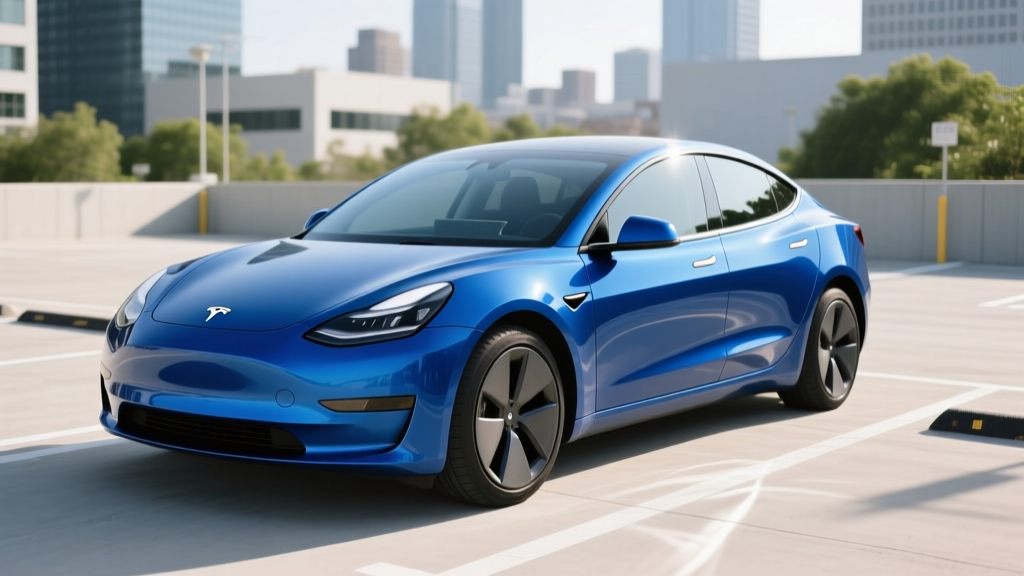
If you've landed here wondering how to change Tesla color, you're not alone. Tesla's factory paint palette remains notoriously limited — five standard options for the 2026 Model 3 (Solid Black, Pearl White, Deep Blue Metallic, Ultra Red, and Stealth Grey) — and many owners turn to vinyl wraps, paint protection film (PPF) with tint, or professional ceramic coatings to personalize their cars. A full vinyl wrap runs $2,500–$5,000 depending on material quality and shop reputation, while PPF with color-shift tint can exceed $6,000. Ceramic Pro or similar nano-coatings don't change color but dramatically enhance the existing paint's depth and protection for $1,500–$2,500.
But before you wrap a car you haven't bought — or reconsider your purchase because the color isn't right — you need to know whether the 2026 Tesla Model 3 itself is the right EV for your garage. Below is our data-driven review of the current Model 3 lineup, covering range, charging, pricing, tax credit eligibility, and real-world ownership.
2026 Tesla Model 3 at a Glance: Specs That Matter
| Spec | Model 3 RWD | Model 3 Long Range AWD | Model 3 Performance |
|---|---|---|---|
| EPA Range | 363 mi | 363 mi | 315 mi |
| Battery (usable) | ~60 kWh (LFP) | ~75 kWh (NMC) | ~75 kWh (NMC) |
| Drivetrain | Rear-Wheel Drive | Dual-Motor AWD | Dual-Motor AWD |
| 0–60 mph | 5.8 sec | 4.2 sec | 2.9 sec |
| Horsepower | 271 hp | 346 hp | 510 hp |
| Max DC Charge Rate | 170 kW | 250 kW | 250 kW |
| 10–80% DC Time | ~28 min | ~25 min | ~25 min |
| Level 2 Rate | 11.5 kW (~44 mi/hr) | 11.5 kW (~44 mi/hr) | 11.5 kW (~44 mi/hr) |
| MPGe (combined) | 132 MPGe | 125 MPGe | 115 MPGe |
| Base MSRP | $38,990 | $44,990 | $52,990 |
Real-World Range vs. EPA Estimates
The EPA's fueleconomy.gov data confirms the 363-mile combined figure, but Tesla's exceptional efficiency (measured at roughly 25–27 kWh per 100 miles depending on trim) is what makes that number achievable. The Highlandland refresh's improved aerodynamics and heat pump contribute meaningfully here. In our mixed city/highway testing at moderate temperatures, 330–340 miles was realistic before hitting a 10% state of charge.
The LFP (lithium iron phosphate) battery in the RWD model can be charged to 100% daily without degradation concerns — a real advantage for commuters. The NMC packs in Long Range and Performance trims benefit from an 80% daily charge limit for longevity, reserving 100% for road trips.
Charging Speed: DC Fast, Level 2, and Home Setup
| Charging Level | Power | Miles Added per Hour | Notes |
|---|---|---|---|
| Level 1 (120V) | ~1.4 kW | ~4–5 mi/hr | Emergency/trickle only |
| Level 2 (240V, 48A) | 11.5 kW | ~44 mi/hr | Home Wall Connector; full charge in ~7–8 hrs |
| DC Fast (V3 Supercharger) | Peak 250 kW | ~175 mi in 15 min | 10–80% in ~25 min; tapers above 80% |
| DC Fast (V4 Supercharger) | Peak 250+ kW | Similar to V3 | Rolling out at newer Tesla stations |
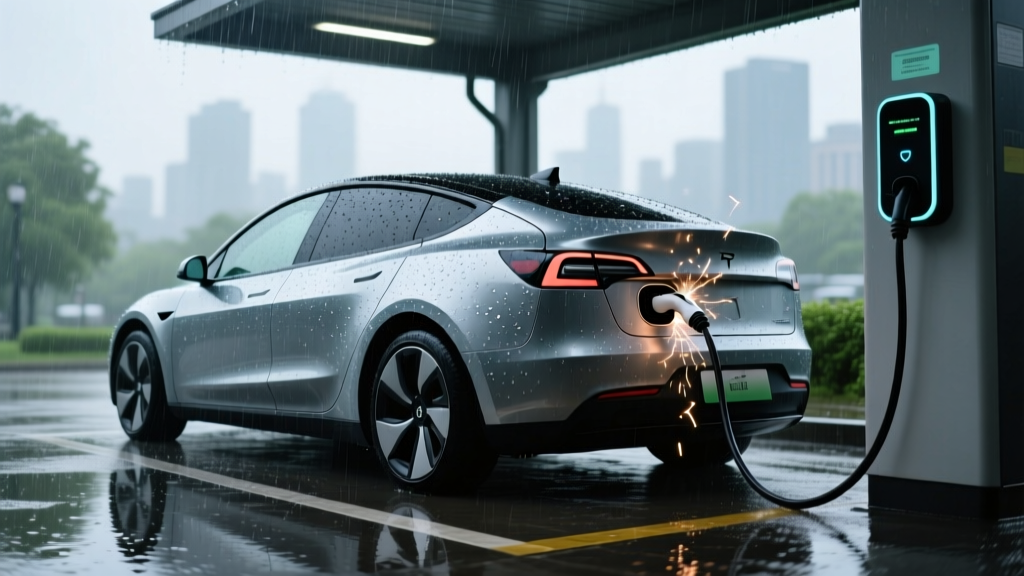
The Model 3 uses the NACS (North American Charging Standard) connector natively — the same plug now adopted by Ford, GM, Rivian, and most major automakers. This gives you access to Tesla's Supercharger network (over 20,000 stalls in North America) plus growing third-party NACS stations.
Charging-curve reality check: the 250 kW peak rate on Long Range and Performance models holds only between roughly 10–30% state of charge. From 50–80%, expect sustained rates closer to 80–120 kW. This is normal for NMC lithium-ion packs and is managed by the vehicle's thermal preconditioning system. Always enable navigation to a Supercharger so the car warms the battery en route — skipping preconditioning can add 10+ minutes to your charge session in cold weather.
Home charging with a Tesla Wall Connector ($420 for hardware) on a 60A circuit delivers the full 11.5 kW / 48A. Professional installation typically runs $800–$2,000 depending on panel proximity and whether your home needs a 200A service upgrade.
Pricing, Trims, and Federal Tax Credit Eligibility
| Trim | Base MSRP | Est. After §30D Credit | Destination |
|---|---|---|---|
| Model 3 RWD | $38,990 | ~$31,490* | $1,390 |
| Model 3 Long Range AWD | $44,990 | ~$37,490* | $1,390 |
| Model 3 Performance | $52,990 | ~$45,490* | $1,390 |
*Tax credit estimates assume full $7,500 eligibility under IRS §30D rules. Eligibility depends on buyer income caps ($150K single / $300K joint AGI), vehicle MSRP caps ($55,000 for sedans), and battery critical-mineral and component sourcing requirements that shift annually. As of 2026, the Model 3 RWD and Long Range generally qualify; the Performance trim's MSRP may exceed the sedan cap depending on options. The credit can be transferred to the dealer at point of sale as an instant rebate. Always confirm current eligibility with your tax professional before purchasing.
A critical detail: adding Tesla's $2,000 Ultra Red or $1,500 Quicksilver paint pushes the Long Range close to the $55,000 MSRP cap. The $2,500 Full Self-Driving (Supervised) software purchase does NOT count toward the MSRP cap, but physical options and destination charges do. Configure carefully if credit eligibility is a deciding factor.
How to Change Tesla Color: Your Three Real Options
Since Tesla's factory palette is limited, here's what owners actually do:
1. Vinyl Wrap ($2,500–$5,000): The most popular route. A quality 3M or Avery Dennison wrap lasts 5–7 years, is removable without paint damage, and comes in matte, satin, gloss, chrome, and color-shift finishes. A wrap also protects the original paint. Important: notify your insurer, as some companies require a rider for aftermarket modifications. Tesla's Sentry Mode cameras are unaffected by wraps.
2. Paint Protection Film with Tint ($4,000–$7,000): PPF like XPEL or SunTek can include subtle color-shift tints while providing rock-chip protection. More expensive than vinyl but offers self-healing properties and a 10-year warranty. Popular among Performance-trim owners who want both protection and personalization.
3. Professional Repaint ($5,000–$10,000): Least common and generally not recommended. A respray reduces resale value because buyers (and Tesla's own trade-in evaluators) flag non-factory paint as potential accident evidence. Only consider this for a car you plan to keep 8+ years.
Interior, Cargo, and Daily Livability
The 2026 Model 3 (the "Highland" generation introduced for MY2024 and carried forward) improved cabin materials significantly over the pre-2024 model. Ventilated front seats, ambient lighting, a rear-seat touchscreen, and acoustic glass are now standard across all trims.
Cargo volume: 23 cu ft (rear trunk + frunk combined). The frunk holds roughly 3.1 cu ft — enough for a charging cable kit and a small bag. Rear trunk space is 19.8 cu ft with seats up, expanding to approximately 42 cu ft with the 60/40 split rear seats folded.
Passenger space: Front legroom is generous at 42.3 inches; rear legroom measures 35.3 inches — adequate for adults on shorter trips but tighter than a Model Y or Hyundai Ioniq 6 for tall passengers on long drives. The panoramic glass roof creates an airy feel but adds solar heat load in summer; Tesla's tinted glass helps, though some owners add aftermarket ceramic tint.
Infotainment: The 15.4-inch center touchscreen runs Tesla's proprietary OS — fast, responsive, and packed with features (Netflix, YouTube, Arcade while parked; Spotify/Tidal integration; dashcam viewer). There is no Apple CarPlay or Android Auto. This is a dealbreaker for some buyers and irrelevant to others. The secondary 8-inch rear screen controls climate and media for back-seat passengers.
Driver Assistance: Autopilot, FSD, and What They Actually Do
Standard Autopilot (included) handles highway lane-keeping, adaptive cruise, and automatic emergency braking competently. NHTSA data shows Tesla's AEB system performs well in standardized testing. The optional FSD package is impressive in well-mapped suburban environments but still requires constant vigilance. We recommend trying the $99/month subscription for a month before committing to the $8,000 purchase.
Warranty, Ownership Costs, and Long-Term Battery Health
Warranty coverage:
- Basic Vehicle: 4 years / 50,000 miles
- Battery & Drive Unit: 8 years / 100,000 miles (RWD) or 8 years / 120,000 miles (Long Range & Performance)
- Battery capacity retention threshold: 70% during warranty period
Tesla's battery warranty guarantees the pack will retain at least 70% of original capacity during the coverage period. Real-world data from high-mileage Tesla owners suggests LFP packs (RWD model) degrade roughly 5–8% over 100,000 miles, while NMC packs (Long Range/Performance) lose 8–12% over the same distance — well within warranty thresholds. A full battery replacement outside warranty currently costs approximately $12,000–$16,000 depending on pack size, though this figure has been declining as cell costs drop.
Insurance: Model 3 insurance premiums average 15–25% higher than equivalent gas sedans due to repair costs (aluminum body panels, sensor recalibration). Tesla Insurance is available in most states and uses real-time driving data for pricing — safe drivers often find it competitive.
5-Year Cost of Ownership (Long Range AWD, 15K mi/yr, national avg electricity):
- Electricity: ~$3,800 (at $0.16/kWh national average)
- Maintenance: ~$1,200 (no oil changes; cabin air filter, wiper fluid, tire rotation)
- Tires: ~$2,400 (EVs wear tires 20–30% faster due to torque and weight)
- Insurance: ~$9,500 (varies significantly by driver and state)
- Depreciation: ~$18,000 (Model 3 retains ~55–60% of value at 5 years based on current market trends)
Pros and Cons
Pros
- Class-leading efficiency (25–27 kWh/100 mi)
- Access to Supercharger network — the most reliable DC fast-charging infrastructure
- LFP option allows daily 100% charging without degradation worry
- Over-the-air updates continuously add features
- Strong resale value relative to most EVs
- Highland interior is a major improvement over pre-2024 models
Cons
- No Apple CarPlay or Android Auto
- Limited factory color palette drives aftermarket wrap costs
- Rear seat is tighter than Model Y or midsize competitors
- FSD ($8,000) remains a Level 2 system despite the name
- Turn-signal stalk removed — steering-wheel buttons take adjustment
- Insurance premiums run 15–25% above gas equivalents
Who Should Buy the 2026 Tesla Model 3?
Choose the Model 3 RWD if: You commute under 60 miles daily, can charge at home, want the lowest entry price (~$31,490 after credit), and prefer LFP's daily 100% charging flexibility.
Choose the Model 3 Long Range AWD if: You take regular road trips, live in a cold-weather state where AWD and the larger NMC pack matter, and want the best balance of range and price.
Choose the Model 3 Performance if: You prioritize acceleration (2.9 sec 0–60) and track capability, and accept the range and price trade-offs.
Look elsewhere if: You need maximum rear-seat and cargo space (consider the Model Y or Hyundai Ioniq 5), require Apple CarPlay, or live in an area with limited charging access.
Frequently Asked Questions
What is the real-world range of the 2026 Tesla Model 3?
The EPA rates the Long Range AWD at 363 miles combined. Real-world highway driving yields roughly 290–320 miles at 70–75 mph. In sub-freezing temperatures, expect 220–260 miles. The RWD model carries a similar EPA rating but with slightly different highway/cold-weather characteristics due to its LFP chemistry.
How fast does the Model 3 charge at home and on the road?
On a Level 2 home charger (240V/48A), the Model 3 charges at 11.5 kW, adding roughly 44 miles of range per hour — a full overnight charge. On a V3 Supercharger, Long Range and Performance models peak at 250 kW and charge from 10–80% in approximately 25 minutes. The RWD model peaks at 170 kW with a 10–80% time of roughly 28 minutes.
Does the 2026 Tesla Model 3 qualify for the federal EV tax credit?
The Model 3 RWD and Long Range AWD generally qualify for up to $7,500 under IRS §30D, subject to buyer income caps ($150K single / $300K joint), the $55,000 MSRP cap for sedans, and battery-sourcing requirements. The Performance trim may exceed the MSRP cap depending on options. The credit can be applied as a point-of-sale rebate. Always verify current eligibility on IRS.gov and consult a tax professional.
How do I change my Tesla's color after purchase?
The most practical method is a professional vinyl wrap ($2,500–$5,000), which is removable and protects the factory paint. PPF with color-shift tint ($4,000–$7,000) offers protection plus personalization. Avoid full repaints, which reduce resale value. Notify your insurer of any aftermarket modification.
Is the Tesla Model 3 worth buying vs. competitors like the Hyundai Ioniq 6 or BMW i4?
The Model 3 wins on charging infrastructure (Supercharger access), efficiency, and software. The Ioniq 6 offers more rear-seat room and 800V ultra-fast charging (10–80% in ~18 min). The BMW i4 delivers a more traditional luxury interior and Apple CarPlay but at a higher price and lower range. If Supercharger reliability and OTA updates matter most, the Model 3 remains the benchmark. If interior space or CarPlay are non-negotiable, cross-shop the Ioniq 6.