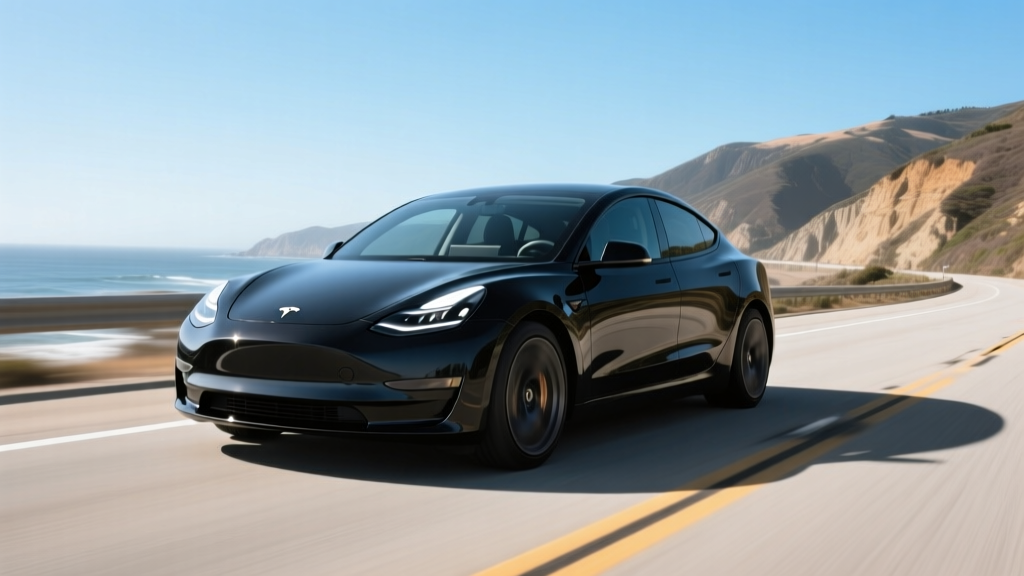
The Tesla Model 3 has been the benchmark affordable electric sedan since its launch, and the 2026 lineup continues to sharpen the formula. For buyers focused on straight-line performance — specifically Tesla Model 3 acceleration across the RWD, Long Range AWD, and Performance trims — the numbers tell a compelling story. But acceleration is only one axis of ownership. This review covers every spec that matters: real-world range, charging curves, efficiency, pricing after federal tax credits, and the practical trade-offs that separate a thrilling launch from a satisfying daily driver.
2026 Tesla Model 3 at a Glance: Key Specs by Trim
| Spec | RWD | Long Range AWD | Performance AWD |
|---|---|---|---|
| 0–60 mph | 5.8 sec | 4.2 sec | 2.9 sec |
| Horsepower | ~271 hp | ~346 hp | ~510 hp |
| Drivetrain | Rear-Wheel Drive | Dual-Motor AWD | Dual-Motor AWD |
| EPA Range | 272 mi | 341 mi | 315 mi |
| Battery (usable) | ~57.5 kWh (LFP) | ~75 kWh (NMC) | ~75 kWh (NMC) |
| MPGe (combined) | 132 MPGe | 130 MPGe | 121 MPGe |
| Efficiency | 25 kWh/100 mi | 26 kWh/100 mi | 28 kWh/100 mi |
| Top Speed | 125 mph | 125 mph | 163 mph |
| Base MSRP | $38,990 | $42,490 | $50,990 |
| DC Fast-Charge Peak | 170 kW | 250 kW | 250 kW |
| 10–80% DCFC Time | ~25 min | ~25 min | ~25 min |
| Battery Warranty | 8 yr / 100,000 mi | 8 yr / 120,000 mi | 8 yr / 120,000 mi |
Tesla Model 3 Acceleration: Trim-by-Trim Breakdown
The headline figure most buyers search for is the 2.9-second 0–60 mph time on the Performance AWD. That number places the Model 3 Performance in supercar territory — quicker off the line than a Porsche 911 Carrera or a BMW M3 Competition. The instant torque delivery from dual permanent-magnet synchronous motors means there's zero lag, no gear hunting, and a relentless push that doesn't taper until well past highway speeds.
The Long Range AWD splits the difference at 4.2 seconds. For most real-world driving — highway merges, passing on two-lane roads, stoplight-to-stoplight city driving — 4.2 seconds is more than adequate and genuinely quick. The dual-motor all-wheel-drive system provides confident traction in rain and light snow, a practical advantage over the RWD model.
The RWD trim's 5.8-second run is the slowest in the lineup but still competitive with turbocharged four-cylinder sport sedans. The single rear motor and lighter front end give the RWD a slightly more playful feel in corners, though it sacrifices the all-weather confidence of AWD.
Range and Efficiency: EPA Sticker vs. Reality
EPA Estimates: RWD 272 mi | Long Range AWD 341 mi | Performance AWD 315 mi
Real-World Expectations: In mixed driving at 70 mph highway speeds, expect roughly 85–90% of EPA range (Long Range: ~290–305 mi). In cold weather (below 30°F), range can drop 20–30% without preconditioning, bringing the Long Range down to ~240–270 mi. City driving with regenerative braking often matches or slightly exceeds EPA figures. The heat pump (standard on all 2026 trims) significantly reduces cold-weather HVAC energy draw compared to resistive heating.
The RWD trim uses an LFP (lithium iron phosphate) battery, which trades energy density for longevity and lower cost. LFP cells tolerate regular 100% charging without the degradation concerns of NMC chemistry — Tesla actually recommends charging the RWD to 100% at least weekly for battery calibration. The Long Range and Performance trims use NMC (nickel manganese cobalt) packs with higher energy density, and Tesla recommends daily charging to 80–90% with 100% reserved for trips.
Efficiency across the lineup is excellent. The RWD achieves 132 MPGe combined (25 kWh/100 mi), making it one of the most efficient EVs in its class. The Performance trim's wider tires, stickier compound, and more aggressive tuning drop efficiency to 121 MPGe — a meaningful cost difference over thousands of miles of charging.
Charging Speed: Home, Destination, and DC Fast Charging
| Charging Method | Power / Rate | Miles of Range Added per Hour |
|---|---|---|
| Level 1 (120V household) | ~1.4 kW | ~3–5 mi/hr |
| Level 2 (240V, 32A Mobile Connector) | ~7.6 kW | ~27 mi/hr |
| Level 2 (240V, 48A Wall Connector) | ~11.5 kW | ~40–44 mi/hr |
| DC Fast Charge (Long Range/Perf.) | Peak 250 kW | ~175 mi in 15 min (peak) |
| DC Fast Charge (RWD) | Peak 170 kW | ~130 mi in 15 min (peak) |
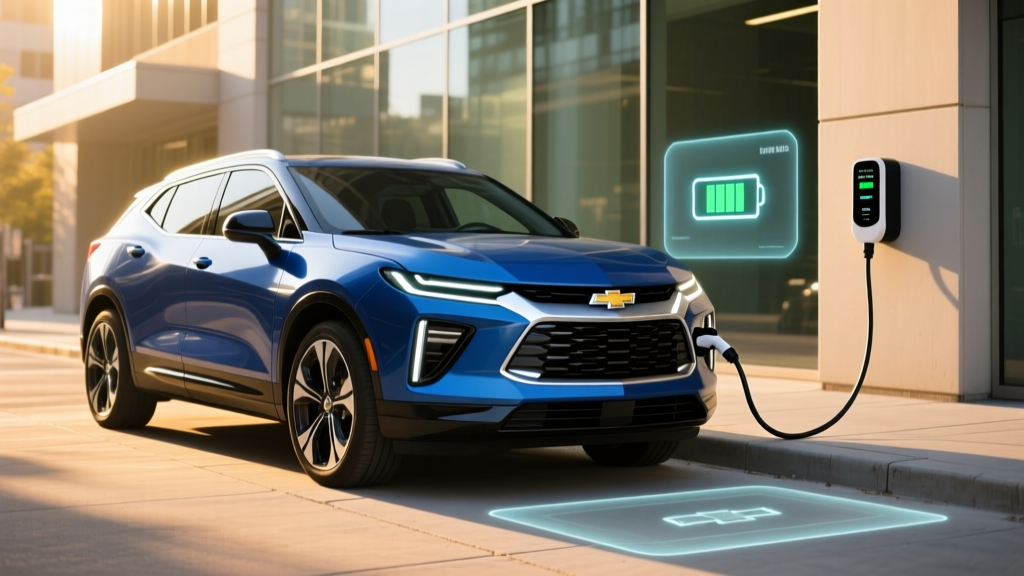
Tesla's 250 kW V3 Superchargers deliver a 10–80% charge in roughly 25 minutes for the Long Range and Performance trims. However, the charge curve matters: peak 250 kW is only sustained between approximately 10–30% state of charge. Above 50%, the rate tapers significantly, and the final 80–100% top-off can add another 20+ minutes. This is why Tesla's navigation system preconditions the battery when routing to a Supercharger — arriving with a warm pack maximizes the time spent at peak charge rate.
The RWD's LFP battery charges at a lower peak rate (170 kW) but the smaller pack means the total 10–80% time is similar at around 25 minutes. For home charging, the Tesla Wall Connector at 48 amps adds roughly 44 miles of range per hour on the Long Range — enough to fully replenish overnight for any daily commute under 200 miles.
A critical 2026 advantage: the Model 3 now ships with the NACS (North American Charging Standard) connector natively, granting direct access to the full Tesla Supercharger network without adapters. CCS adapters are available for non-Tesla public networks, though Tesla's network remains the most reliable and widespread DC fast-charging option in North America.
Pricing, Tax Credits, and Total Cost
| Trim | Base MSRP | Destination Fee | Est. Before Incentives | §30D Credit Eligibility |
|---|---|---|---|---|
| RWD | $38,990 | $1,390 | $40,380 | Up to $7,500 (income & sourcing dependent) |
| Long Range AWD | $42,490 | $1,390 | $43,880 | Up to $7,500 (income & sourcing dependent) |
| Performance AWD | $50,990 | $1,390 | $52,380 | Up to $7,500 (income & sourcing dependent) |
The IRS §30D Clean Vehicle Credit offers up to $7,500 for qualifying new EVs, but eligibility hinges on three moving targets for 2026:
- Buyer income caps: Modified AGI must not exceed $150,000 (single), $225,000 (head of household), or $300,000 (joint filers).
- MSRP cap: Sedans must be at or below $55,000. The RWD and Long Range qualify; the Performance at $50,990 base also qualifies, but adding premium paint, FSD, or wheels can push the transaction above the cap.
- Battery sourcing: A percentage of critical minerals and battery components must be sourced from the U.S. or FTA-partner nations. The credit splits into two halves ($3,750 for minerals, $3,750 for components). Tesla's supply chain has shifted significantly, but the exact credit amount varies by production batch. Always verify via the DOE's fueleconomy.gov credit lookup before purchasing.
As of 2026, the §30D credit can be transferred to the dealer at point of sale, reducing the purchase price directly rather than waiting for a tax refund. This is a significant cash-flow advantage for buyers who would otherwise wait until April to recoup the credit.
Interior, Cargo, and Daily Practicality
The refreshed Model 3 interior (codenamed "Highland") carries forward into 2026 with incremental material upgrades. The cabin seats five, though the rear middle seat is best reserved for short trips. Key dimensions:
- Front legroom: 42.7 inches
- Rear legroom: 35.2 inches
- Cargo (trunk + frunk): 23 cu ft combined (19.8 cu ft trunk, 3.1 cu ft frunk)
- Rear seats: 60/40 split folding, expanding cargo to ~43 cu ft
The 15.4-inch center touchscreen handles nearly all vehicle controls, including climate, mirrors, and glovebox — a minimalist approach that polarizes buyers. The 2026 model year adds a rear-seat 8-inch touchscreen for climate and media control, ventilated front seats across all trims, and ambient lighting integrated into the dashboard and door panels.
The Model 3's low roofline (56.8 inches) makes entry and exit less graceful than a crossover, and the trunk opening is a traditional sedan shape rather than a hatchback, limiting bulk cargo flexibility compared to the Model Y.
Technology, Driver Assistance, and Safety
Every 2026 Model 3 includes Tesla's Basic Autopilot — adaptive cruise control and lane-centering that qualifies as SAE Level 2 driver assistance. This is not self-driving. The driver must maintain hands-on-wheel awareness and visual attention at all times.
Tesla Autopilot and Full Self-Driving (Supervised) are SAE Level 2 systems — the driver is the responsible operator at all times. FSD (Supervised) adds automatic lane changes, traffic light/stop sign recognition, and city-street navigation, but it still requires active supervision. Only Level 4 services like Waymo operate without a human driver. Do not treat any Model 3 driver-assist system as autonomous.
FSD (Supervised) remains a $8,000 add-on (or $99/month subscription) in 2026. Its real-world performance varies enormously by geography and road type — well-marked suburban arterials are handled confidently, while construction zones, faded lane markings, and complex intersections still require frequent driver intervention.
Safety ratings remain strong: the Model 3 earned a 5-Star Overall NHTSA Rating and Top Safety Pick+ from IIHS. Standard active safety includes automatic emergency braking, blind-spot monitoring, and side-collision warning.
Who Should Buy the 2026 Tesla Model 3?
❌ Look Elsewhere If: You need hatchback cargo versatility (consider the Model Y or Hyundai Ioniq 5), you prefer physical buttons and a traditional instrument cluster, or you lack home charging access and live far from Superchargers. The rear seat is tight for taller passengers on long trips.
Pros and Cons
- Class-leading acceleration (2.9 sec 0–60 Performance)
- Best-in-class Supercharger network access (NACS native)
- Outstanding efficiency (up to 132 MPGe)
- Over-the-air updates continuously add features
- Strong resale value and low depreciation
- 5-Star NHTSA safety rating
- No physical buttons — all controls via touchscreen
- Sedan trunk limits cargo vs hatchback competitors
- Rear seat legroom tight for 6-foot+ passengers
- FSD (Supervised) is expensive and still requires full attention
- Ride quality firm on 19-inch sport wheels
- No Apple CarPlay or Android Auto
Frequently Asked Questions
What is the real-world range of the 2026 Tesla Model 3?
The Long Range AWD's EPA estimate is 341 miles, but expect 290–305 miles in real-world highway driving at 70 mph and 240–270 miles in sub-freezing winter conditions. The RWD's 272-mile EPA figure translates to roughly 230–245 miles highway. City driving with regenerative braking often meets or slightly exceeds EPA numbers.
How fast does the Model 3 charge at home and on the road?
At home on a 48A Tesla Wall Connector (Level 2, 11.5 kW), the Long Range adds about 44 miles of range per hour, fully charging overnight. On a 250 kW V3 Supercharger, the Long Range and Performance achieve a 10–80% charge in roughly 25 minutes, though peak rate only sustains between 10–30% SoC before tapering.
How much does the 2026 Model 3 cost after the federal tax credit?
The RWD starts at $40,380 including destination. With the full $7,500 §30D credit (assuming income, MSRP, and sourcing eligibility), the effective price drops to ~$32,880. The Long Range falls to ~$36,380, and the Performance to ~$44,880. Eligibility varies — verify on fueleconomy.gov before purchase.
Does the 2026 Tesla Model 3 qualify for the federal EV tax credit?
All three trims fall under the $55,000 sedan MSRP cap and are potentially eligible for up to $7,500 under §30D. However, buyer income limits ($150K single / $300K joint) and battery critical-mineral/component sourcing requirements determine the actual credit. The credit can be transferred at point of sale as of 2024+. Check the latest status at irs.gov.
Is the Model 3 Performance worth the premium over the Long Range?
If acceleration matters — the 2.9-second 0–60 is transformative — the $8,500 premium buys the Performance's dual-motor tune, Track Mode, upgraded brakes, and sport suspension. But you sacrifice 26 miles of EPA range, roughly 9 MPGe in efficiency, and ride comfort. For most buyers, the Long Range's 4.2-second sprint is thrilling enough, with better range and a lower price.
Is the Model 3 worth buying vs. the BMW i4, Hyundai Ioniq 6, or Polestar 2?
The Model 3's combination of acceleration, efficiency, Supercharger access, and pricing remains difficult to match. The BMW i4 offers a more traditional luxury interior and physical controls but at a higher price with less range. The Hyundai Ioniq 6 is more aerodynamic and charges faster (peak 350 kW on 800V architecture) but lacks the Supercharger network. The Polestar 2 is stylish but heavier and less efficient. If Supercharger reliability and over-the-air updates matter to you, the Model 3 retains a structural advantage in 2026.