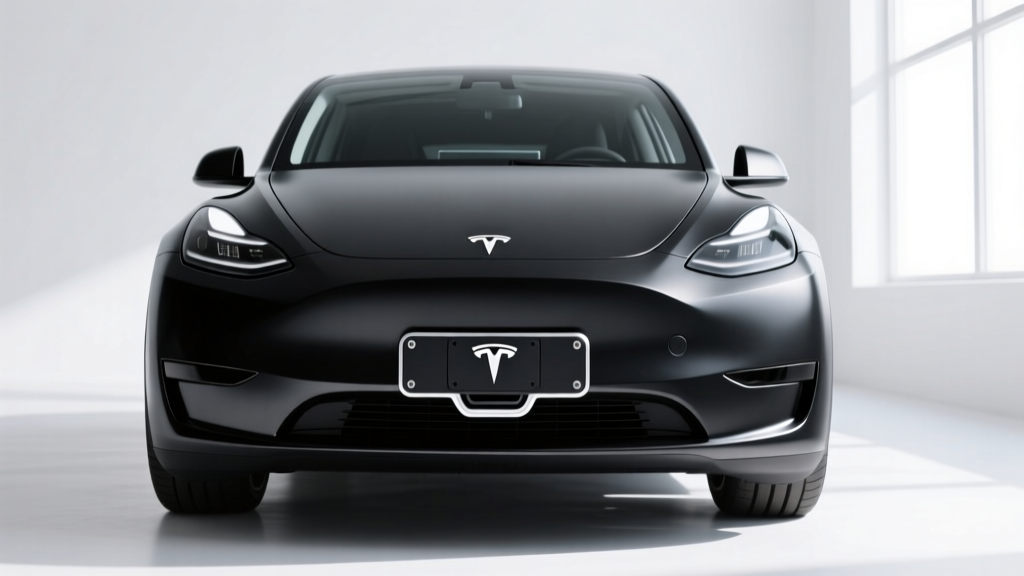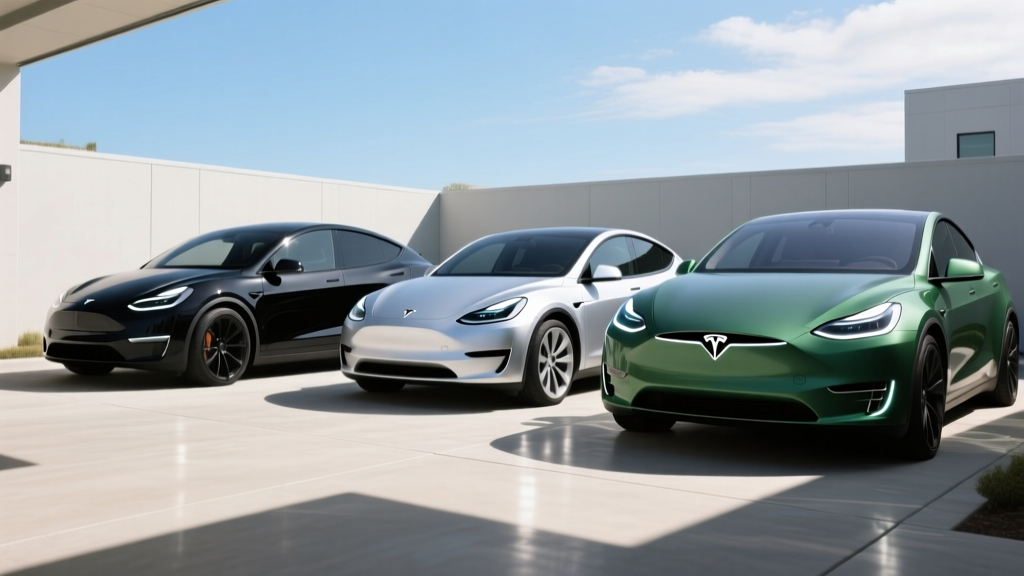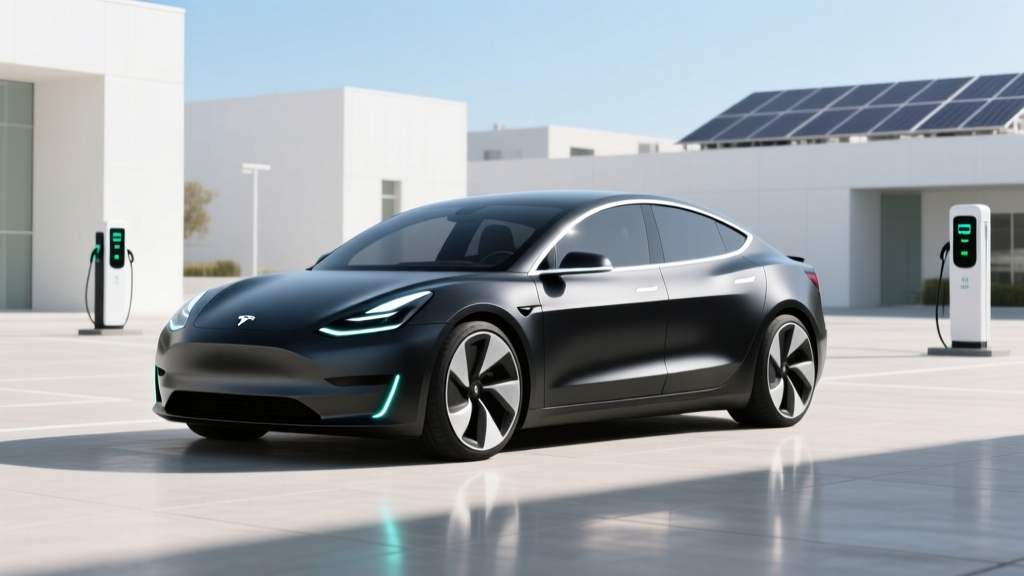
The compact, affordable Tesla has been the automotive industry's most anticipated vaporware since the original Roadster. Now, as 2026 unfolds, the so-called "Tesla Model 2" — or whatever Tesla ultimately brands its sub-$30,000 electric vehicle — is inching closer to reality. Production timelines from Tesla's recent earnings calls and supply-chain reports suggest a late-2026 or early-2027 market debut. For buyers researching a Tesla Model 2 preorder, the critical question isn't just when, but whether the preliminary specs justify putting down a deposit sight unseen.
This guide consolidates every confirmed detail, educated estimate, and known unknown about Tesla's upcoming compact EV. Because this vehicle is announced but not yet available for purchase or delivery, all specifications below are preliminary and subject to change before production begins.
What Is the Tesla Model 2 and Why Does It Matter?
Internally referred to by Tesla as the "next-generation vehicle" built on a dedicated compact platform, this model is widely expected to slot below the Model 3 in both size and price. Industry analysts and Tesla's own investor presentations point to a hatchback or compact crossover form factor — a segment where the Chevrolet Bolt EV (discontinued), Nissan Leaf, and upcoming offerings from legacy automakers have left a gap for a tech-forward, long-range contender.
Tesla CEO Elon Musk has repeatedly cited a target starting price around $25,000 before incentives, a figure that would undercut the base Model 3 by roughly $13,000–$15,000 and position the vehicle against mid-trim gasoline compacts on total cost of ownership. The platform reportedly uses a "unboxed" manufacturing process designed to cut production costs by up to 50% compared to the Model Y, according to Tesla's 2023 Investor Day presentation.
Estimated Range, Battery, and Efficiency
Range remains the number-one purchase driver for EV shoppers, and a sub-$30K Tesla will need to deliver credible miles to avoid being dismissed as a compliance car. Based on Tesla's battery roadmap and supplier contracts with CATL and Panasonic, here's what we can reasonably project:
| Specification | Estimated Value | Confidence Level |
|---|---|---|
| Battery Chemistry | LFP (Lithium Iron Phosphate) | High — Tesla already uses LFP in base Model 3/Y |
| Usable Battery Capacity | ~50–58 kWh | Medium — based on vehicle class & cost targets |
| EPA Estimated Range | 250–275 miles (projected) | Medium — pending EPA certification |
| Efficiency | ~26–28 kWh/100 mi (~120–128 MPGe) | Medium — based on Tesla drivetrain efficiency trends |
| Drivetrain | RWD (single motor) base; AWD possible later | High — cost-focused platform |
The LFP chemistry choice is nearly certain. Tesla has shifted its standard-range vehicles to LFP globally due to lower cost, longer cycle life, and the ability to charge routinely to 100% without accelerated degradation. The trade-off is lower energy density (meaning a heavier or physically larger pack for the same kWh) and reduced cold-weather performance compared to NMC/NCA cells. For a budget-focused urban commuter, this is an acceptable compromise.
Charging Speed: DC Fast Charge and Home Level 2
Charging infrastructure access is often the dealbreaker for apartment dwellers and road-trippers alike. Tesla's next-gen platform is expected to retain the NACS (North American Charging Standard) connector, which is now the dominant standard across North America, adopted by Ford, GM, Rivian, Hyundai, and most major automakers.
| Charging Level | Power (kW) | Rate / Time | Notes |
|---|---|---|---|
| Level 1 (120V household) | ~1.4 kW | ~4–5 mi/hr | Emergency/trickle only |
| Level 2 (240V home/public) | ~11.5 kW (48A) | ~35–40 mi/hr; full charge in ~5–6 hr | Requires NACS wall connector or J1772 adapter |
| DC Fast Charge (peak) | ~150–170 kW (estimated) | 10–80% in ~25–30 min (projected) | LFP charge curve is flatter but tapers above 80% |
A critical note for road-trippers: LFP batteries typically have a flatter charge curve than NMC, meaning they can sustain a higher charge rate for a larger portion of the session. However, the smaller battery capacity (~55 kWh) means the absolute peak kW will be lower than a Model 3 Long Range or Model Y, which can pull 250 kW. Expect the Model 2 to peak around 150–170 kW — adequate for highway rest stops but not class-leading. Tesla's Supercharger network, now open to non-Tesla EVs via Magic Dock adapters at select stations, remains the most reliable DC fast-charging ecosystem in North America.
Performance: 0-60, Power, and Driving Dynamics
Tesla has never made slow cars, and even a budget model will likely carry the brand's performance DNA. Based on the single-motor RWD configuration and estimated curb weight of 3,400–3,700 lbs:
- 0–60 mph: Estimated 5.8–6.5 seconds (RWD base)
- Horsepower: ~200–250 hp (single rear motor)
- Torque: ~250–280 lb-ft
- Top Speed: ~125 mph (electronically limited)
- Drivetrain: Rear-wheel drive standard; dual-motor AWD may follow in a later model year
These figures would make the Model 2 quicker than a base Toyota Corolla Hybrid or Honda Civic, and competitive with hot hatches like the Volkswagen GTI. The low center of gravity from the floor-mounted battery pack should deliver the planted, responsive handling Tesla owners expect, though the smaller wheelbase may result in a firmer ride over rough pavement.
Interior, Cargo Space, and Technology
Tesla's minimalist interior philosophy will almost certainly carry over. Expect a single central touchscreen (likely 15.4" landscape, similar to the refreshed Model 3 Highland), no traditional instrument cluster, and a flat-bottom steering wheel. The hatchback body style should provide meaningful cargo utility:
- Seating: 5 passengers (2-row)
- Rear legroom: ~34–36 inches (estimated — compact platform)
- Cargo volume (behind rear seats): ~18–22 cu ft
- Cargo volume (seats folded): ~45–50 cu ft
- Front trunk (frunk): ~2–3 cu ft (smaller than Model 3 due to compact packaging)
Tech highlights should include Tesla's latest infotainment software with native streaming apps, over-the-air updates, Tesla app integration, and the company's camera-based sensor suite. Whether Tesla includes Hardware 4.0 (or a newer revision) for Autopilot and FSD (Supervised) capability at this price point remains a key question — it may be optional or reserved for higher trims to protect margins.
Pricing, Trims, and Federal Tax Credit Eligibility
The headline number — $25,000 — has been Tesla's stated ambition, but real-world pricing will depend on trim, options, and the evolving federal incentive landscape. Here's what we project for the US market at launch:
| Trim | Est. Base MSRP | §30D Credit Eligibility | Effective Price (if eligible) |
|---|---|---|---|
| Base RWD | $25,000–$27,500 | Up to $7,500 (if sourcing rules met) | $17,500–$20,000 |
| Long Range RWD | $29,000–$32,000 | Up to $7,500 | $21,500–$24,500 |
| AWD (if offered) | $33,000–$36,000 | Up to $7,500 | $25,500–$28,500 |
Federal tax credit caveats (IRS §30D, current rules):
- MSRP cap: The vehicle must have an MSRP at or below $55,000 (sedans/hatchbacks) — the Model 2 clears this easily.
- Buyer income cap: Modified adjusted gross income must not exceed $150,000 (single), $225,000 (head of household), or $300,000 (joint filers).
- Battery sourcing: To receive the full $7,500, the battery's critical minerals and components must meet phased-in domestic/free-trade-agreement sourcing thresholds. Tesla's LFP cells have historically sourced from CATL (China), which could jeopardize part or all of the credit depending on 2026–2027 FEOC (Foreign Entity of Concern) rules. This is the single biggest variable in the Model 2's effective price.
- Point-of-sale transfer: Eligible buyers can apply the credit as an upfront discount at purchase rather than waiting for tax filing, per IRS guidelines.
For the most current credit eligibility, always verify against the EPA/DOE qualified vehicles list at the time of purchase.
Warranty, Ownership Costs, and Who Should Consider a Preorder
Tesla's current warranty structure provides a useful baseline for what the Model 2 will likely carry:
- Basic Vehicle Warranty: 4 years / 50,000 miles (expected)
- Battery & Drive Unit Warranty: 8 years / 100,000 miles (expected for LFP — potentially with a 70% capacity retention threshold)
- Maintenance: Minimal — no oil changes, no spark plugs, brake pad life extended by regenerative braking
- Insurance: Expect premiums in line with the Model 3 — roughly $1,800–$2,400/year nationally, though Tesla Insurance (where available) may offer competitive rates based on real-time driving data
✅ Pros
- Sub-$30K price (potentially sub-$20K after credit)
- Tesla Supercharger network access (NACS native)
- LFP battery: routine 100% charging, long cycle life
- OTA updates and Tesla software ecosystem
- Strong resale value (Tesla brand premium)
- Low running costs (~$0.04–$0.06/mi on home charging)
❌ Cons
- Unreleased — preorder means waiting months or longer
- LFP cold-weather range loss (15–30% in freezing temps)
- Compact rear seat and cargo vs. Model Y/crossovers
- Tax credit uncertain due to battery sourcing rules
- Minimalist interior not for everyone (no physical buttons)
- No AWD at launch (likely); limited towing capacity
Who Should Preorder (and Who Should Wait)
Preorder if: You're a single professional or couple seeking an affordable daily commuter with access to home Level 2 charging, you live in a mild-to-warm climate where LFP range loss is minimal, and you value Tesla's software and Supercharger network enough to accept a 6–12 month delivery wait.
Wait or look elsewhere if: You need a family vehicle with generous rear-seat and cargo space (consider the Model Y or a compact SUV EV), you live in a cold climate where winter range matters, you can't install a Level 2 home charger, or you need a vehicle within weeks rather than months.
How the Tesla Model 2 Stacks Up Against Competitors
Even before launch, the Model 2 has clear rivals in the affordable EV space. Here's how preliminary specs compare to current or announced competitors:
| Vehicle | Est. EPA Range | Base MSRP | DC Fast Charge | Status |
|---|---|---|---|---|
| Tesla Model 2 (est.) | 250–275 mi | ~$25,000 | ~150–170 kW | Announced |
| Chevrolet Bolt EV/EUV (2026 relaunch) | 259 mi | ~$26,500 | ~115 kW (CCS/NACS adapter) | Available |
| Hyundai Kona Electric | 261 mi | ~$32,975 | ~100 kW | Available |
| Nissan Leaf (next-gen) | TBD (est. 250+ mi) | ~$28,000 | TBD (NACS expected) | Announced |
The Model 2's main advantages over these rivals will likely be charging network access (native Supercharger), software integration, and brand cachet. Its main risks: production delays, battery sourcing complications that erode the tax credit, and a compact interior that may not suit all buyers.
Frequently Asked Questions
When can I actually preorder the Tesla Model 2?
As of early 2026, Tesla has not opened a public preorder or reservation page for the next-gen compact vehicle. Tesla typically opens reservations a few months before production begins. Monitor Tesla's official website and investor communications for announcements. Be cautious of third-party sites claiming to accept deposits — only order through tesla.com.
What will the Tesla Model 2 officially be called?
Tesla has not confirmed a production name. "Model 2" is the media and analyst shorthand. Other rumored names include "Model Q" or simply a designation within Tesla's existing naming convention. The final badge will be revealed at the vehicle's official unveiling event.
Will the Model 2 qualify for the full $7,500 federal EV tax credit?
It depends on battery sourcing at the time of delivery. The LFP cells Tesla currently uses are predominantly manufactured by CATL in China. Under current IRS §30D FEOC rules, vehicles with battery components or critical minerals from a Foreign Entity of Concern may be disqualified from part or all of the credit. Tesla may shift sourcing to qualify, but this is not guaranteed. Always check the IRS qualified vehicle list at time of purchase.
Is it worth preordering or should I buy a Model 3 instead?
If you need a vehicle now and can budget $38,000+, the Model 3 is a proven, EPA-certified, widely available EV with known specs and immediate delivery. A Model 2 preorder is a bet on future affordability — you'll likely wait 6–18 months after ordering, and final specs may differ from projections. Preorder only if the ~$25K price point is essential to your budget and you can wait.
How much will it cost to charge the Model 2 at home?
Assuming a ~55 kWh battery and a national average electricity rate of $0.16/kWh, a full Level 2 home charge would cost roughly $8.80, yielding a per-mile cost of about $0.03–$0.05 depending on your local rates. This is roughly one-quarter to one-third the per-mile fuel cost of a comparable gasoline compact at $3.50/gallon. Installing a home Level 2 charger (240V, 48A) typically costs $500–$2,000 including equipment and electrician labor, depending on your panel capacity.
Will the Model 2 have a frunk (front trunk)?
Likely yes, but expect it to be small — approximately 2–3 cubic feet — due to the compact platform packaging and the placement of power electronics. The main cargo area behind the rear seats will be the primary storage space.