Where Are Teslas Manufactured? Mapping the 2026 Global Production Footprint
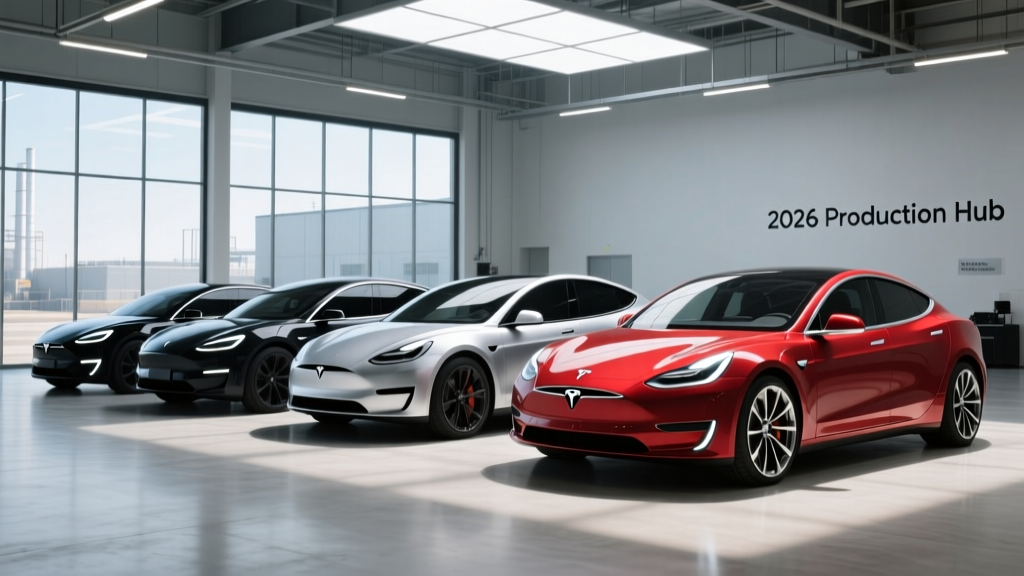
If you've ever searched "tesla manufactured where" while researching your next EV purchase, you're not alone. Tesla's production footprint has expanded dramatically since its early Roadster days, and where your Tesla is built directly affects everything from panel-gap consistency to delivery timelines and even federal tax credit eligibility. In 2026, Tesla operates five major vehicle assembly plants across three continents — and understanding which factory produces which model gives you a real edge as a buyer.
Tesla's manufacturing strategy is deeply tied to its vertical integration philosophy. Unlike legacy automakers that outsource much of their supply chain, Tesla builds batteries, seats, powertrains, and even its own casting machines in-house at many of its Gigafactories. Here's the complete breakdown of where every current Tesla model is manufactured as of the 2026 model year.
| Factory | Location | Models Produced | Status |
|---|---|---|---|
| Fremont Factory | Fremont, California, USA | Model S, Model X, Model 3, Model Y | Active |
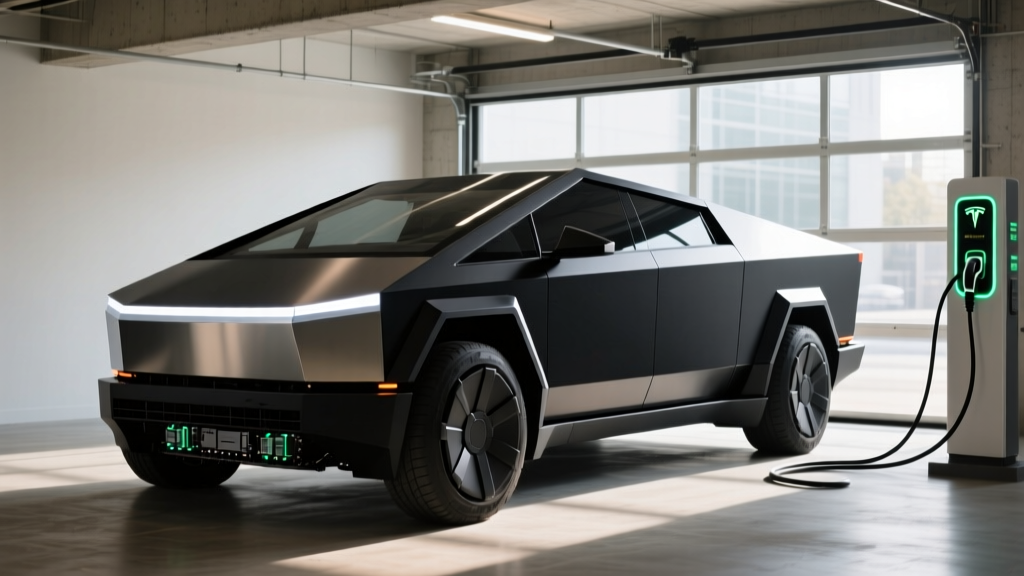
| Giga Texas | Austin, Texas, USA | Model Y, Cybertruck | Active |
| Giga Nevada | Sparks, Nevada, USA | Powertrain & battery components (supports all US models) | Active |
| Giga Shanghai | Shanghai, China | Model 3, Model Y (primarily for Asia-Pacific and export markets) | Active |
| Giga Berlin | Grünheide, Germany | Model Y (primarily for European market) | Active |
Key takeaway for US buyers: If you order a Model S or Model X in the United States, it will come from Fremont. A Model Y could originate from either Fremont or Giga Texas depending on your region and configuration. Cybertruck is exclusively a Giga Texas product. US-bound Model 3 vehicles are primarily Fremont-sourced, though Tesla occasionally shifts production allocations based on demand.
2026 Tesla Lineup at a Glance: Specs, Range, and Pricing
Now that you know where Teslas are manufactured, let's look at what each current model actually delivers. Below is a consolidated spec table covering the five vehicles Tesla sells new in the US for the 2026 model year. All range figures are EPA estimates; real-world notes follow in the next section.
| Spec | Model 3 (RWD) | Model 3 Long Range AWD | Model Y Long Range AWD | Model S LR | Model X LR | Cybertruck AWD |
|---|---|---|---|---|---|---|
| EPA Range | 272 mi | 341 mi | 320 mi | 402 mi | 335 mi | 340 mi |
| Battery (usable kWh) | ~57 kWh (LFP) | ~75 kWh (NMC) | ~75 kWh (NMC) | ~95 kWh (NMC) | ~95 kWh (NMC) | ~123 kWh (NMC) |
| Drivetrain | RWD | Dual-Motor AWD | Dual-Motor AWD | Dual-Motor AWD | Dual-Motor AWD | Dual-Motor AWD |
| Horsepower | 271 hp | 346 hp | 384 hp | 670 hp | 670 hp | 600 hp |
| 0–60 mph | 5.8 sec | 4.2 sec | 4.8 sec | 3.1 sec | 3.8 sec | 3.9 sec |
| Peak DC Charge | 170 kW | 250 kW | 250 kW | 250 kW | 250 kW | 250 kW |
| 10–80% DC Time | ~30 min | ~27 min | ~27 min | ~30 min | ~30 min | ~35 min |
| Level 2 Rate | 11.5 kW | 11.5 kW | 11.5 kW | 11.5 kW | 11.5 kW | 11.5 kW |
| MPGe (combined) | 132 MPGe | 125 MPGe | 122 MPGe | 120 MPGe | 109 MPGe | 68 MPGe |
| Base MSRP | $38,990 | $45,990 | $46,990 | $79,990 | $84,990 | $79,990 |
Sources: fueleconomy.gov, Tesla official specs. Pricing reflects base MSRP before destination fees. Specs subject to mid-year updates.
Real-World Range: What the EPA Sticker Doesn't Tell You
EPA range estimates are standardized laboratory tests — useful for comparison, but they don't capture how range shifts in real driving conditions. Here's what Tesla owners actually experience based on independent testing and aggregated owner data.
- Model 3 Long Range (EPA 341 mi): Expect ~290–310 mi on highway-only trips at 70 mph. In cold weather (below 32°F), range drops to roughly 240–270 mi due to cabin heating and battery resistance.
- Model Y Long Range (EPA 320 mi): Highway real-world sits around 270–290 mi. The taller, less aerodynamic SUV profile costs ~10–15% efficiency vs. the Model 3 at sustained highway speeds.
- Model S Long Range (EPA 402 mi): One of the longest-range EVs sold. Highway driving yields ~340–370 mi; cold weather drops this to ~300–330 mi.
- Cybertruck AWD (EPA 340 mi): The angular stainless-steel body and 6,800+ lb curb weight work against efficiency. Expect ~280–300 mi highway, and as low as 220–250 mi when towing or in severe cold.
Cold-weather range loss applies to all EVs. Tesla's heat pump (standard on all current models) mitigates some loss, but physics is physics — lithium-ion cells lose capacity and increase internal resistance below freezing.
Battery Chemistry Matters: LFP vs NMC in the Tesla Lineup
The base Model 3 RWD uses a lithium iron phosphate (LFP) battery, while all Long Range, Performance, Model S, Model X, and Cybertruck variants use nickel manganese cobalt (NMC) chemistry. Here's why this distinction is critical for buyers:
| Attribute | LFP (Base Model 3 RWD) | NMC (Long Range, S, X, Cybertruck) |
|---|---|---|
| Energy Density | Lower (shorter range per kg) | Higher (more range in same space) |
| Recommended Daily Charge | 100% OK (Tesla recommends periodic 100%) | 80% daily, 100% only for trips |
| Cold-Weather Performance | More range loss in cold | Better low-temp performance |
| Cycle Life | Longer (3,000+ cycles) | Shorter (~1,500–2,000 cycles) |
| Cost | Lower (enables cheaper base price) | Higher |
| Cobalt Content | None | Contains cobalt |
If you live in a cold climate and commute more than 40 miles round-trip, the NMC-equipped Long Range variants are the stronger choice. If you're in a mild climate with home charging and want the lowest entry price, the LFP Model 3 RWD is a rational pick — just charge it to 100% regularly as Tesla recommends.
Charging Speed: DC Fast Charging and Home Level 2
Charging speed is arguably the single most important EV ownership factor after range. Tesla's Supercharger network remains the most reliable public DC fast-charging ecosystem in North America, but charge rates vary significantly across the lineup.
| Model | Peak DC kW | 10–80% DC Time | Level 2 Home (kW) | Level 2 Miles/Hr (approx) |
|---|---|---|---|---|
| Model 3 RWD (LFP) | 170 kW | ~30 min | 11.5 kW (48A) | ~44 mi/hr |
| Model 3 LR AWD | 250 kW | ~27 min | 11.5 kW (48A) | ~44 mi/hr |
| Model Y LR AWD | 250 kW | ~27 min | 11.5 kW (48A) | ~40 mi/hr |
| Model S LR | 250 kW | ~30 min | 11.5 kW (48A) | ~41 mi/hr |
| Model X LR | 250 kW | ~30 min | 11.5 kW (48A) | ~36 mi/hr |
| Cybertruck AWD | 250 kW | ~35 min | 11.5 kW (48A) | ~30 mi/hr |
Understanding the Charge Curve
The "peak" kW number is not sustained throughout the session. Tesla's charge curve ramps quickly from 10% to roughly 40% SoC at or near peak rate, then progressively tapers. Above 80%, charging slows dramatically — often to under 50 kW — to protect battery health. This is why 10–80% time is the standard metric: the final 20% can add 20+ minutes. For road trips, plan your stops around the 10–80% window and skip topping off unless you're at your destination.
All current Teslas use the NACS (North American Charging Standard) connector natively. With the 2025–2026 industry-wide adoption of NACS by Ford, GM, Rivian, and others, Tesla Supercharger stalls are increasingly shared — which can mean longer wait times at popular corridors during peak travel periods.
Pricing, Trim Levels, and Federal Tax Credit Eligibility
Tesla's pricing has shifted multiple times over the past two years, but as of early 2026, here is where the lineup stands — and critically, which models qualify for the IRS §30D federal EV tax credit.
| Model / Trim | Base MSRP | §30D Credit Eligible? | Effective Price (with credit) |
|---|---|---|---|
| Model 3 RWD | $38,990 | Yes — up to $7,500 (subject to income & sourcing rules) | ~$31,490 |
| Model 3 Long Range AWD | $45,990 | Yes — up to $7,500 | ~$38,490 |
| Model Y Long Range AWD | $46,990 | Yes — up to $7,500 | ~$39,490 |
| Model S Long Range | $79,990 | No — exceeds $55,000 sedan MSRP cap | $79,990 |
| Model X Long Range | $84,990 | No — exceeds $80,000 SUV MSRP cap | $84,990 |
| Cybertruck AWD | $79,990 | Borderline — at $80,000 SUV cap; verify current IRS listing | Varies |
§30D Tax Credit Rules You Must Know
- Income caps: Modified AGI ≤ $150,000 (single), $225,000 (head of household), $300,000 (joint).
- MSRP caps: Sedans ≤ $55,000; SUVs/pickups/vans ≤ $80,000.
- Battery sourcing: A percentage of critical minerals and battery components must be sourced from the US or FTA-partner countries. These thresholds increase annually. Verify the specific VIN's compliance on fueleconomy.gov.
- Point-of-sale transfer: As of 2024+, you can transfer the credit to the dealer at purchase for an immediate price reduction — you don't need to wait until tax filing.
- Final assembly: Vehicle must undergo final assembly in North America. All US-market Teslas qualify (Fremont, CA or Austin, TX).
Always confirm eligibility with your tax professional and the IRS Clean Vehicle report before purchasing. Rules change, and battery-sourcing compliance can shift between model years.
Interior, Cargo, and Technology
Tesla's interior philosophy remains aggressively minimalist — a single central touchscreen handles nearly every function, from climate to mirrors to glovebox release. Whether you find this elegant or frustrating depends on your tolerance for screen-based controls.
Cargo and Passenger Space
| Model | Front Legroom | Rear Legroom | Cargo (rear seats up) | Cargo (seats folded) | Frunk |
|---|---|---|---|---|---|
| Model 3 | 42.7 in | 35.2 in | 23 cu ft | 60 cu ft | ~3.1 cu ft |
| Model Y | 41.8 in | 37.4 in | 30 cu ft | 72 cu ft | ~4.1 cu ft |
| Model S | 42.7 in | 35.4 in | 28 cu ft | ~65 cu ft | ~5.3 cu ft |
| Model X | 41.2 in | 36.6 in | ~37 cu ft (5-seat) | ~82 cu ft | ~6.6 cu ft |
| Cybertruck | 41.0 in (est) | 38.0 in (est) | ~34 cu ft (bed) | N/A (pickup bed) | ~7.1 cu ft (frunk) |
Standout Tech Features
- 15.4" central touchscreen (17" in Model S/X) with Netflix, YouTube, and gaming while parked
- Autopilot standard (SAE Level 2 adaptive cruise + lane centering); Full Self-Driving (Supervised) available as a paid add-on — still requires active driver supervision at all times
- Over-the-air updates that add features, improve efficiency, and update UI without dealer visits
- Sentry Mode dashcam surveillance when parked
- Tesla app with remote preconditioning, location tracking, and service scheduling
- HEPA air filtration (Model S/X) with Bioweapon Defense Mode
Notable Drawbacks
- No physical instrument cluster or heads-up display — all info is on the center screen
- No Apple CarPlay or Android Auto integration
- Turn signal stalk removed on refreshed Model 3/Y — signals are on the steering wheel buttons (divisive)
- Build quality has improved but still trails German and Korean competitors in panel consistency
- Cybertruck's stainless-steel exterior shows fingerprints and is difficult to repair
Warranty Coverage
Tesla's warranty structure is straightforward but slightly below the 10-year battery warranties offered by Hyundai/Kia. Here's the breakdown:
| Coverage Type | Model 3 / Model Y | Model S / Model X | Cybertruck |
|---|---|---|---|
| Basic Vehicle | 4 yr / 50,000 mi | 4 yr / 50,000 mi | 4 yr / 50,000 mi |
| Battery & Drive Unit | 8 yr / 120,000 mi (RWD: 100,000 mi) | 8 yr / 150,000 mi | 8 yr / 120,000 mi |
| Capacity Retention Threshold | 70% minimum SoH | 70% minimum SoH | 70% minimum SoH |
Tesla's battery warranty guarantees that the pack will retain at least 70% of its original capacity during the warranty period. If degradation exceeds 30%, Tesla will repair or replace the battery. In practice, Tesla's NMC packs have shown ~8–12% degradation over 100,000 miles based on aggregated fleet data — well within the threshold. LFP packs in the base Model 3 tend to degrade even less due to the chemistry's inherent longevity.
Who Should Buy a Tesla — and Who Should Look Elsewhere?
Choose a Tesla if:
- You want access to the Supercharger network — still the most reliable DC fast-charging system in North America
- You value OTA software updates and a tech-forward ownership experience
- You want strong resale value and brand recognition
- You prefer minimal dealership interaction (Tesla sells direct, services via mobile rangers and app)
Look elsewhere if:
- You need Apple CarPlay/Android Auto (Tesla doesn't support either)
- You want a traditional instrument cluster or physical buttons for climate/media
- You need a third-row SUV with adult-sized rear seats (Model X third row is tight; consider the Rivian R1S or Kia EV9)
- You want the longest possible battery warranty (Hyundai/Kia offer 10yr/100,000 mi)
Competitor Quick Comparison
The Model 3 competes against the Hyundai Ioniq 6 (EPA 361 mi, ~$37,500), BMW i4 (EPA 307 mi, ~$52,000), and Polestar 2 (EPA 276 mi, ~$49,900). The Model Y's rivals include the Ford Mustang Mach-E (EPA 320 mi, ~$42,995), Hyundai Ioniq 5 (EPA 303 mi, ~$42,000), and Kia EV6 (EPA 310 mi, ~$42,900). Tesla's advantages remain the Supercharger network, software ecosystem, and efficiency. Competitors often win on interior quality, physical controls, and warranty length.
Frequently Asked Questions
Where are US-market Teslas manufactured?
All Teslas sold in the United States are manufactured at either the Fremont Factory in California or Giga Texas in Austin. The specific factory depends on your model and configuration. Model S and Model X are Fremont-only. Cybertruck is Austin-only. Model 3 and Model Y can come from either facility.
Does where a Tesla is manufactured affect quality?
Early Giga Texas Model Y vehicles had more reported build-quality issues than Fremont counterparts, but as of 2025–2026, the gap has narrowed significantly. Giga Berlin Model Ys are widely regarded as having the best panel gaps and paint quality in the Tesla lineup, but those are primarily sold in Europe.
Which Tesla models qualify for the $7,500 federal tax credit?
As of 2026, the Model 3 (all trims) and Model Y (all trims) qualify for up to $7,500 under IRS §30D, provided the buyer meets income caps and the vehicle's battery sourcing meets current critical-mineral and component thresholds. The Model S, Model X, and most Cybertruck configurations exceed MSRP caps and do not qualify. Always verify on IRS.gov before purchasing.
What is the real-world range of the most popular Tesla, the Model Y?
The 2026 Model Y Long Range AWD has an EPA estimate of 320 miles. In real-world highway driving at 70 mph, expect approximately 270–290 miles. In cold weather (below freezing), that drops to roughly 230–260 miles. Using the heat pump and preconditioning the battery while plugged in helps recover some of this loss.
Is Tesla's Full Self-Driving actually self-driving?
No. Tesla FSD (Supervised) is an SAE Level 2 driver-assistance system. It can handle highway lane changes, navigate on-ramps, and manage some city streets, but the driver must remain fully attentive with hands on the wheel at all times. True self-driving (SAE Level 4) is currently offered only by commercial robotaxi services like Waymo in limited geographic zones.
How much does it cost to charge a Tesla at home vs. Superchargers?
Home charging at the US average electricity rate of ~$0.16/kWh costs roughly $12–15 for a full Model 3 Long Range charge (75 kWh), yielding about 3–4 cents per mile. Supercharger pricing varies by location and time of day but typically ranges from $0.25–$0.50/kWh, making a full charge $19–38, or roughly 6–11 cents per mile. Both are significantly cheaper than gasoline at $3.50/gallon in a comparable 30 MPG sedan (~12 cents per mile).
Are Teslas made in China sold in the US?
No. Giga Shanghai primarily serves the China domestic market, Asia-Pacific, and some European export markets. US-market Teslas are built exclusively at Fremont or Giga Texas. This matters for §30D eligibility, which requires North American final assembly.