The Truth About 'Tesla Lemonade Insurance' and What It Means for EV Owners
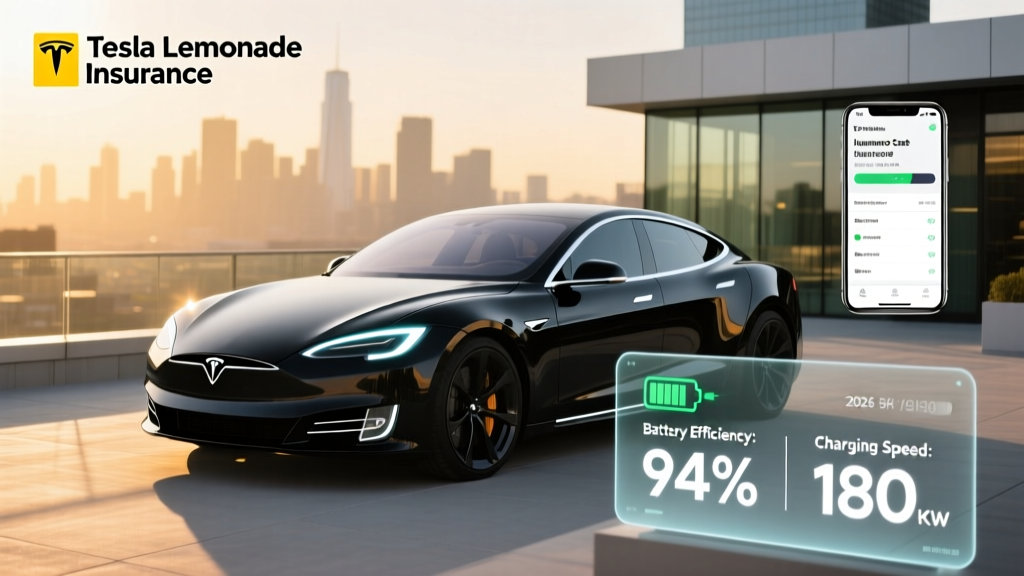
If you've been searching for "Tesla Lemonade insurance," you've likely hit a wall of confusion. Here's the reality: Lemonade does not currently offer a dedicated Tesla or EV-specific insurance product in most U.S. states, and Tesla's own insurance program has undergone significant changes heading into 2026. What you're actually looking for is a clear breakdown of how to insure a Tesla (or any EV) affordably, which carriers cover electric vehicles well, and what your real ownership costs look like once premiums, charging, and tax credits are factored in.
This guide untangles the Lemonade-Tesla confusion, compares real insurance options for Tesla owners in 2026, and gives you the exact numbers — from Model 3 and Model Y premiums to five-year total cost of ownership — so you can budget accurately before signing a purchase agreement.
Why Tesla Insurance Costs More (and How to Lower It)
EV insurance premiums run 15–30% higher than comparable gas vehicles, according to IIHS data and industry analyses. Teslas sit at the upper end of that range for several concrete reasons:
- Repair costs: Tesla's unibody construction, aluminum panels, and integrated battery pack mean collision repairs often require certified Tesla body shops, which charge premium labor rates.
- Parts availability: Tesla controls its parts supply chain tightly. A fender-bender that costs $2,000 to fix on a Toyota Camry can run $5,000–$8,000 on a Model Y due to sensor recalibration, panel availability, and specialized labor.
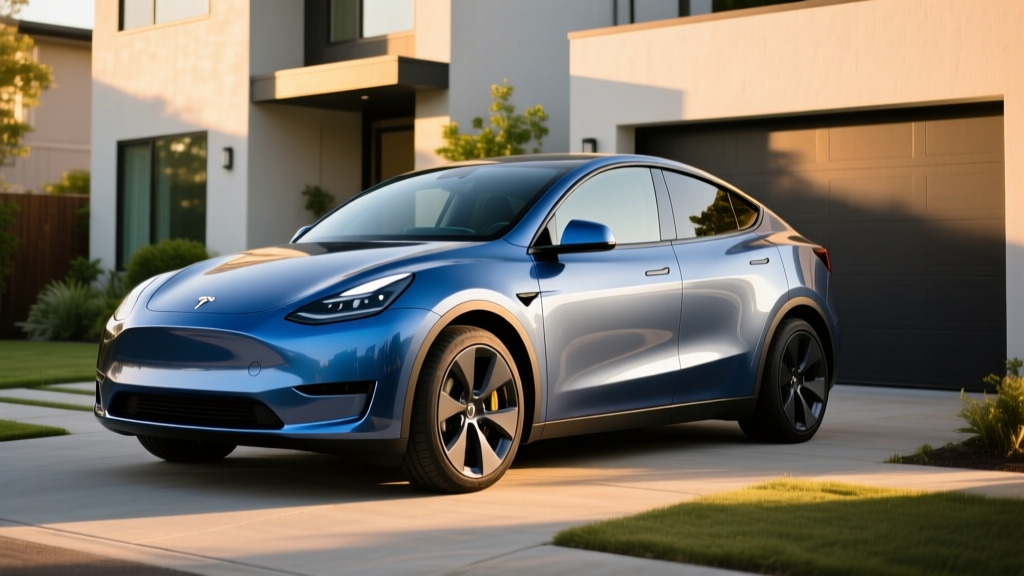
- Vehicle price: A 2026 Model Y Long Range starts around $44,990. Higher vehicle value means higher comprehensive and collision premiums.
- Performance profiles: Model 3 Performance and Model Y Performance trims with 0-60 times under 4 seconds trigger higher-liability rating tiers at many carriers.
- ADAS complexity: While Autopilot and FSD (Supervised) are SAE Level 2 driver-assist systems — not self-driving — the sensor suite (cameras, compute hardware) adds replacement cost.
Does Lemonade Insure Teslas in 2026?
Lemonade is primarily known for renters, homeowners, and pet insurance. As of 2026, Lemonade offers car insurance in a limited number of states, and its EV coverage availability varies by ZIP code. In states where Lemonade auto is available, Tesla models are generally eligible, but premiums may not be competitive with carriers that have dedicated EV programs.
If you're a current Lemonade customer hoping to bundle, here's what to verify:
- Check Lemonade's auto insurance availability in your state (currently available in select states including IL, OH, and others — availability expands periodically).
- Request a quote specifically for your Tesla model and trim — bundle discounts may offset a slightly higher base premium.
- Compare against at least three other carriers before committing (see our comparison below).
2026 Tesla Insurance Cost Comparison by Carrier
Premiums vary dramatically by state, driving record, age, and coverage levels. The table below reflects national average annual premiums for a 2026 Tesla Model Y Long Range (AWD, $44,990 MSRP) with a clean record, age 35, 100/300/100 liability, $1,000 deductible, and full comprehensive/collision coverage.
| Carrier | Avg. Annual Premium | EV-Specific Perks | Best For |
|---|---|---|---|
| Tesla Insurance (where available) | $2,400–$3,200 | Real-time safety score discount, integrated claims | Safe drivers in supported states |
| GEICO | $2,800–$3,600 | EV battery coverage endorsement | Budget-conscious owners |
| Progressive | $2,600–$3,400 | Snapshot usage-based discount | Low-mileage commuters |
| State Farm | $2,500–$3,300 | Drive Safe & Save program | Bundling with home insurance |
| Lemonade (select states) | $2,900–$3,800 | Bundle discount with renters/homeowners | Existing Lemonade customers |
Sources: Industry rate analyses, carrier quote tools. Your actual premium depends on ZIP code, age, driving history, credit score (where permitted), and coverage selections.
2026 Tesla Model Y: The Specs That Affect Your Insurance and Wallet
Insurance carriers rate vehicles on repair cost, theft frequency, performance, and safety data. Here are the 2026 Model Y Long Range numbers that underwriters actually look at:
| Spec | 2026 Model Y Long Range AWD |
|---|---|
| Base MSRP | $44,990 |
| EPA Range | 320 miles |
| Battery Capacity | ~75 kWh usable (NMC chemistry) |
| Drivetrain | Dual-motor AWD |
| Horsepower | 384 hp |
| 0-60 mph | 4.8 seconds |
| Max DC Fast Charge | 250 kW (NACS connector) |
| 10-80% DC Charge Time | ~25 minutes |
| Level 2 Home Charge Rate | 11.5 kW (~44 miles/hr) |
| Efficiency | 122 MPGe combined / 27 kWh/100 mi |
| Cargo Volume | 76.2 cu ft (rear seats folded) |
| Battery Warranty | 8 years / 120,000 miles (70% capacity retention) |
Tesla Insurance Program: How the Safety Score Actually Works
Tesla's in-house insurance product (available in ~12 states as of 2026, including TX, AZ, OH, and CA) uses a real-time Safety Score that tracks five factors:
- Forward collision warning sensitivity — how often hard braking events occur
- Hard turning — lateral G-force during cornering
- Unsafe following — tailgating frequency measured by cameras
- Forced Autopilot disengagement — how often the system alerts you to pay attention
- Speeding — time spent above posted limits
Drivers scoring 90+ on Tesla's Safety Score (out of 100) can see premiums 20-40% lower than the carrier's base rate. Drivers below 70 may pay more than traditional carriers. The score resets monthly, and Tesla shares this telematics data directly with its underwriting partner.
Key caveat: Tesla Insurance is not available in every state. Check your state's department of insurance for current availability. In states where it's unavailable, Tesla does not offer an alternative product.
Federal Tax Credit: Does the 2026 Model Y Qualify for §30D?
The IRS §30D Clean Vehicle Credit remains one of the most confusing aspects of EV purchasing. Here's what applies to a 2026 Tesla Model Y purchase:
- Maximum credit: Up to $7,500 if all requirements are met
- MSRP cap: Vehicle MSRP must not exceed $80,000 for SUVs/vans (Model Y qualifies at ~$44,990 base)
- Buyer income cap: Modified AGI must not exceed $150,000 (single), $225,000 (head of household), or $300,000 (married filing jointly)
- Battery sourcing: Critical minerals and battery components must meet escalating percentage thresholds from U.S. or FTA-partner countries — this requirement tightens annually
- Point-of-sale transfer: You can transfer the credit to the dealer at purchase to reduce your out-of-pocket cost, even if you owe less than $7,500 in taxes
- Assembly: Vehicle must undergo final assembly in North America (all U.S.-market Model Y vehicles are assembled in Austin, TX or Fremont, CA)
For the most current sourcing requirements and eligibility details, always check IRS.gov §30D guidance before purchasing. Battery-sourcing rules have disqualified several previously eligible trims in prior years — verify at point of sale.
| 2026 Model Y Trim | Base MSRP | Est. §30D Credit | Effective Price* |
|---|---|---|---|
| Long Range AWD | $44,990 | Up to $7,500 | ~$37,490 |
| Performance AWD | $48,990 | Up to $7,500 | ~$41,490 |
*Effective price assumes full §30D eligibility. Consult a tax professional for your specific situation. Credit availability depends on battery sourcing at time of delivery.
5-Year Total Cost of Ownership: Model Y vs. Gas SUV Baseline
Insurance is just one line item. Here's how a 2026 Model Y Long Range stacks up over five years and 75,000 miles against a comparably priced gas crossover (e.g., Toyota RAV4 AWD at ~$35,000):
| Cost Category | 2026 Model Y LR AWD | Gas Crossover Baseline |
|---|---|---|
| Purchase (after credit) | ~$37,490 | ~$35,000 |
| Insurance (5 years) | ~$14,000–$17,000 | ~$9,500–$12,000 |
| Energy (electricity vs gas) | ~$3,000–$4,500 | ~$8,500–$10,500 |
| Maintenance | ~$1,200–$1,800 | ~$3,500–$4,500 |
| Estimated Depreciation | ~$16,000–$19,000 | ~$14,000–$16,000 |
| 5-Year Total | ~$71,690–$79,790 | ~$70,500–$78,000 |
The takeaway: The Model Y's fuel and maintenance savings ($6,000–$8,000 over five years) largely offset its higher insurance premiums ($4,000–$5,000 more). The total cost of ownership is remarkably close, with the EV pulling ahead in years 6+ as maintenance costs on the gas vehicle rise and the EV's drivetrain simplicity pays dividends.
How to Get the Lowest Tesla Insurance Premium in 2026
Based on carrier underwriting patterns and EV owner data, here are the most effective premium-reduction strategies:
- Choose Long Range over Performance. The Performance trim's sub-4-second 0-60 time pushes you into a higher rating tier. The Long Range's 4.8-second time is still quick but less penalized.
- Opt for a higher deductible. Moving from $500 to $1,000 comprehensive/collision deductible typically saves 10-15% on premiums.
- Bundle home/renters insurance. Most carriers offer 5-15% multi-policy discounts. This is where Lemonade could theoretically help — if their auto product is in your state, bundling with renters/homeowners may narrow the gap.
- Use usage-based programs. Progressive's Snapshot, State Farm's Drive Safe & Save, and Tesla's Safety Score all reward low-mileage, cautious driving with 10-30% discounts.
- Garage your Tesla. Street-parked vehicles carry higher comprehensive premiums due to theft and weather damage risk.
- Maintain continuous coverage. A lapse in insurance — even 30 days — can increase your next premium by 10-20%.
Pros and Cons: Insuring and Owning a 2026 Tesla Model Y
Pros
- Access to Tesla Supercharger network (17,000+ stalls in North America)
- Over-the-air updates continuously improve vehicle software
- Low maintenance: no oil changes, fewer brake replacements (regen braking)
- Strong safety ratings — NHTSA 5-star overall
- Qualifies for up to $7,500 §30D credit (verify sourcing at purchase)
- Excellent efficiency: 122 MPGe combined, ~$0.04–$0.06/mile on home charging
Cons
- Insurance premiums 20-30% higher than gas equivalents
- Repair costs elevated; limited certified body shop network
- FSD (Supervised) is Level 2 — driver fully liable, no insurance discount
- Touchscreen-only controls frustrate some drivers
- No Apple CarPlay or Android Auto integration
- Panel gap quality inconsistencies persist on some vehicles
Who Should Buy (and Insure) a 2026 Tesla Model Y?
Choose the Model Y if:
- You have home Level 2 charging access and drive 20-60 miles daily
- You value Supercharger network access for road trips
- You qualify for the §30D tax credit (income + sourcing rules)
- You prioritize tech-forward infotainment and OTA improvements
- You're a safe driver who can benefit from Tesla's Safety Score insurance discount
Look elsewhere if:
- You cannot install home charging and rely solely on public infrastructure
- You need the absolute lowest insurance premium (consider a Hyundai Ioniq 5 or Chevy Equinox EV)
- You prefer physical buttons and Apple CarPlay
- You regularly tow more than 3,500 lbs (the Rivian R1S or Ford F-150 Lightning serve better)
Frequently Asked Questions
Does Lemonade offer Tesla-specific car insurance?
Lemonade offers auto insurance in select states, and Tesla models are generally eligible where available. However, Lemonade does not have a Tesla-branded or EV-specific product. Compare their quote against Tesla Insurance (where available), Progressive, GEICO, and State Farm before committing.
How much does it cost to insure a 2026 Tesla Model Y?
National averages range from $2,400 to $3,800 per year for full coverage on a 2026 Model Y Long Range, depending on carrier, state, age, and driving record. Tesla's own insurance with a high Safety Score can bring premiums to the lower end of that range.
Does the Tesla Model Y qualify for the $7,500 federal tax credit in 2026?
The Model Y qualifies for up to $7,500 under IRS §30D, provided the buyer meets income caps ($150K single / $300K married), the MSRP is under $80,000 (it is at ~$44,990), and battery sourcing requirements are met. Verify current sourcing eligibility at IRS.gov and at the point of sale, as rules tighten annually.
Is Tesla's Autopilot or FSD self-driving?
No. Autopilot and FSD (Supervised) are SAE Level 2 driver-assist systems. The driver must remain fully attentive, hands on or near the wheel, and is legally responsible for all driving decisions. No consumer Tesla is self-driving. Only Level 4 services like Waymo operate without a human driver in geofenced areas.
What's the real-world range of a 2026 Model Y Long Range?
The EPA rates it at 320 miles. Real-world highway driving at 70-75 mph typically yields 260-280 miles. In freezing weather, expect 210-240 miles without preconditioning. Always plan around ~250 miles of usable range for a safety margin.
How fast does the Model Y charge at home and on the road?
On a Level 2 home charger (11.5 kW / 48-amp circuit), the Model Y adds ~44 miles per hour, fully charging overnight in ~8 hours. At a Tesla Supercharger (250 kW DC), it charges from 10-80% in approximately 25 minutes. Charging slows significantly above 80% to protect battery health — plan DC sessions to 80% for optimal speed.
Sources: EPA range and efficiency data via fueleconomy.gov; IRS §30D credit rules via irs.gov; NHTSA safety ratings via nhtsa.gov. Insurance premiums are estimates based on industry data — obtain personalized quotes from licensed carriers in your state.