Tesla Lease Deals January 2026: Model Y & Model 3 Pricing Breakdown
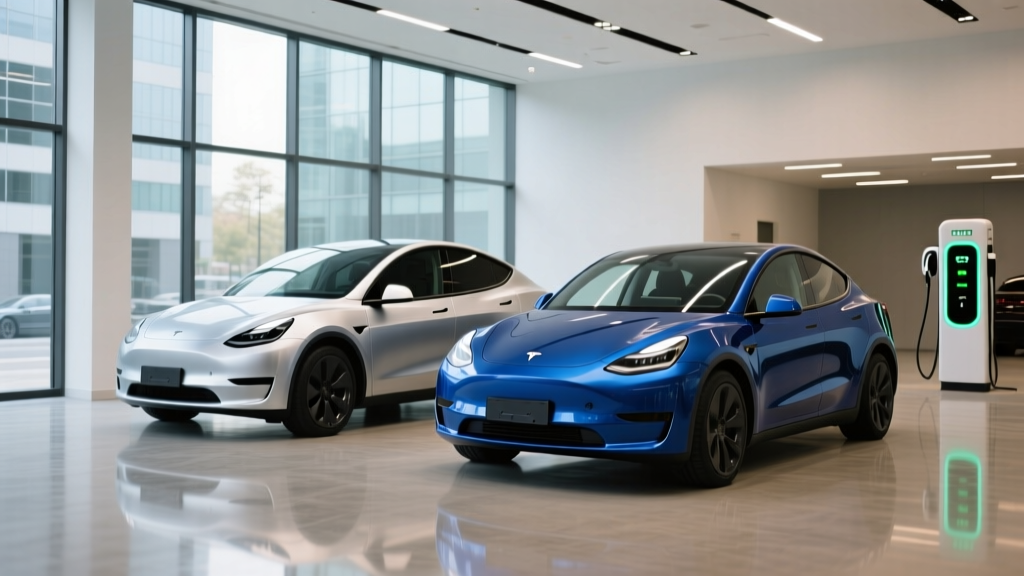
As we move into the new year, the landscape for Tesla leasing has shifted significantly. While Tesla historically focused on direct sales, the introduction of leasing options for the Model 3 and Model Y has provided a lower-barrier entry point for many drivers. However, the most critical factor for January 2026 shoppers is understanding the interaction between lease structures and the Federal EV Tax Credit (§30D).
The State of Tesla Leasing in 2026
Unlike traditional automakers that use captive finance arms to offer subsidized "lease cash," Tesla's lease offers are typically "pass-through" leases. This means the monthly payment is primarily a reflection of the vehicle's depreciation plus the rent charge (interest). In January 2026, the primary value proposition of a Tesla lease is the ability to access the $7,500 Federal Tax Credit as a capitalized cost reduction, even if you do not have the tax liability to claim it personally.
Under current IRS guidelines, when a EV is leased, the credit is claimed by the lessor (the finance company). Most lessors pass this value to the lessee as an immediate reduction in the "Cap Cost" (the effective price of the car). This can lower monthly payments significantly compared to financing, where you must meet personal income and MSRP caps to claim the credit on your tax return or via point-of-sale transfer.
January 2026 Lease Pricing: Model 3 vs. Model Y
Below is a breakdown of estimated lease terms for the most popular trims. These figures assume a 36-month term, 10,000 miles per year, and the application of the $7,500 lease credit as a cap cost reduction.
| Model / Trim | MSRP (Est.) | Effective Cap Cost | Est. Monthly Payment | Due at Signing |
|---|---|---|---|---|
| Model 3 RWD | $38,990 | $31,490 | $329 - $369 | ~$2,500 |
| Model 3 Long Range AWD | $47,740 | $40,240 | $449 - $499 | ~$3,000 |
| Model Y Long Range AWD | $48,990 | $41,490 | $479 - $529 | ~$3,500 |
| Model Y Performance | $52,490 | $44,990 | $549 - $599 | ~$4,000 |
Note: These are estimated figures based on current money factors and residual values. Actual offers vary by region and credit tier.
Real-World Range and Efficiency
When leasing, you are paying for the battery's utility. The 2026 lineup continues to use a mix of LFP (Lithium Iron Phosphate) and NMC (Nickel Manganese Cobalt) chemistries depending on the trim.
Range Reality Check
- Model 3 RWD (LFP): EPA 272 mi. Real-world highway (70mph): ~230 mi. Cold weather: ~200 mi. LFP batteries are heavier but can be charged to 100% daily without degradation concerns.
- Model 3 Long Range (NMC): EPA 341 mi. Real-world highway: ~290 mi. Cold weather: ~250 mi. Better energy density and cold-weather performance.
- Model Y Long Range (NMC): EPA 308 mi. Real-world highway: ~260 mi. Cold weather: ~225 mi.
Efficiency remains a Tesla stronghold. The Model 3 RWD achieves roughly 25 kWh/100mi (approx. 134 MPGe), making it one of the cheapest vehicles to "fuel" on the market. At a national average electricity rate of $0.16/kWh, driving 1,000 miles costs roughly $40.
Charging Speeds and Infrastructure
Lease agreements typically do not include free charging, so access to the Supercharger network (now open to other brands) is a major asset. Tesla's V4 Superchargers and the 400V architecture in current models provide reliable, if not class-leading, speeds.
| Charging Level | Power / Rate | Time (10-80%) | Notes |
|---|---|---|---|
| Level 1 (120V) | 1.2 kW | N/A | ~3-4 miles per hour. Emergency use only. |
| Level 2 (240V) | 11.5 kW | ~8-10 hours | ~44 miles per hour. Ideal for home/work. |
| DC Fast (Supercharger) | 170 kW (Peak) | ~25-30 mins | Curve tapers significantly after 60% SoC. |
Performance and Drivetrain Specs
The 2026 Model 3 "Highland" refresh has improved ride quality significantly, addressing the "harshness" complaints of earlier years. The Model Y "Juniper" refresh is expected to follow suit in late 2026, but current inventory remains the 2025.5 carryover.
- Model 3 RWD: 271 hp, 0-60 mph in 5.8s. Rear-Wheel Drive.
- Model 3 LR AWD: 346 hp, 0-60 mph in 4.2s. Dual-Motor All-Wheel Drive.
- Model Y LR AWD: 384 hp, 0-60 mph in 4.8s. Dual-Motor All-Wheel Drive.
The §30D Tax Credit: Lease vs. Buy
This is the most complex part of the 2026 EV market. According to the IRS, a lease is considered a commercial transaction for the lessor. This allows the leasing company to claim the Commercial Clean Vehicle Credit (§45W) and pass the savings to you.
Why Leasing Might Be Smarter in 2026
- Income Caps: Buying requires AGI under $150k (single) / $300k (joint). Leasing has no income caps.
- MSRP Caps: Buying is limited to cars under $55k and SUVs under $80k. Leasing bypasses these caps.
- Sourcing Rules: Buying requires strict battery mineral sourcing. Leasing (via §45W) is generally exempt from these restrictions, making more trims eligible for the full $7,500.
Pros and Cons of a Tesla Lease
Pros
- Guaranteed access to the $7,500 incentive regardless of personal tax liability.
- Lower monthly payments compared to financing at current APRs (6-8%).
- Protection against battery degradation or 12V battery issues (covered under warranty, but easier to walk away).
- Access to the latest tech every 36 months.
Cons
- No equity at the end of the term (unless you buy out).
- Mileage penalties (typically $0.20-$0.30 per mile over the limit).
- Cannot modify the vehicle (wraps, tint, aftermarket wheels) without risking turn-in fees.
- Tesla's lease buyout policy has historically been restrictive, though third-party buyouts are becoming more common.
Frequently Asked Questions
Can I buy the Tesla at the end of the lease?
Tesla's internal policy has fluctuated. Historically, they did not allow lease buyouts for Model 3/Y to keep used inventory for their own fleet. However, many leases are now serviced by third-party banks (like US Bank or Ally) that may allow a third-party buyout. Always check the specific lessor's contract before signing.
Is insurance more expensive for a leased Tesla?
Insurance rates are determined by the vehicle and your driving record, not the lease itself. However, leasing requires you to carry higher liability limits and comprehensive/collision coverage with a low deductible (usually $500 or $1,000), which can increase your premium compared to an older, owned vehicle.
Does the lease include Autopilot or FSD?
Basic Autopilot (lane keep, traffic-aware cruise) is standard. Full Self-Driving (Supervised) is an add-on. You can purchase it upfront (adding to the cap cost) or subscribe monthly. Note that FSD is a Level 2 driver-assist system and requires full driver attention; it is not an autonomous "self-driving" feature.