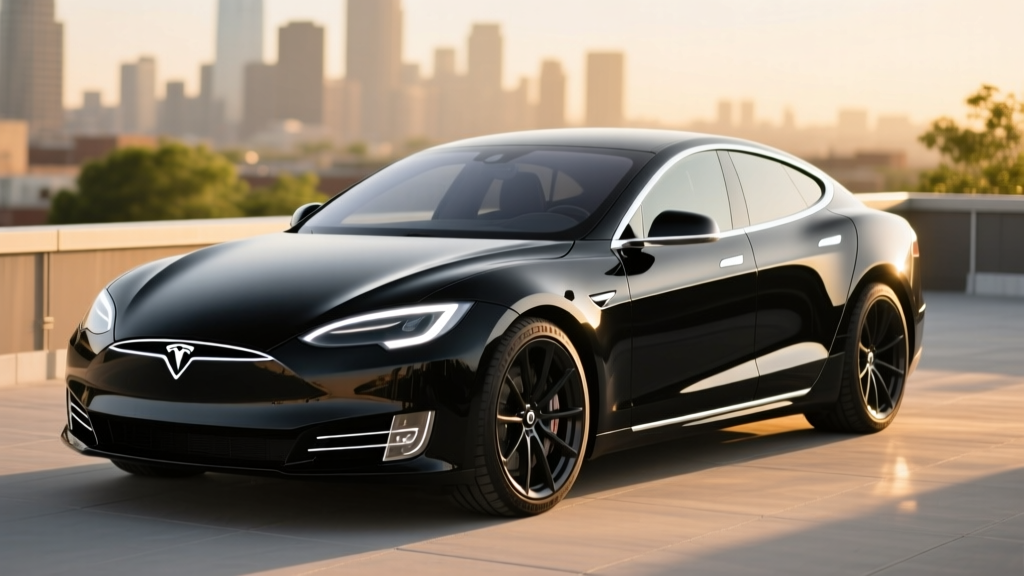
If you are approaching the end of a Tesla lease in 2026, you likely face a critical decision: return the vehicle, trade it in, or execute a Tesla buyout (technically a lease-end purchase option). Because Tesla leases through their captive financing arm typically do not allow third-party buyouts, understanding the exact specs, remaining battery health, and current market value of your specific Model 3 or Model Y is essential before signing the purchase paperwork.
This guide reviews the technical merits of the most commonly leased Tesla models—the 2024-2026 Model 3 Highland and Model Y Juniper—to help you determine if exercising your buyout option is a financially and technically sound decision.
Is a Tesla Buyout Worth It? The Quick Verdict
For most lessees, a Tesla buyout is worth it if the pre-set residual value (purchase option price) is below the current used-market value and the battery State of Health (SoH) remains above 92%. The 2024+ Model 3 Long Range AWD and 2025+ Model Y Long Range remain class-leading in charging efficiency and Supercharger network access, making them excellent long-term keeps.
Real-World Range and Battery Chemistry
The most common leased units hitting buyout windows in 2026 are the Model 3 Rear-Wheel Drive (RWD) and Long Range AWD. The chemistry of your battery dictates how well it has survived your lease term.
Model 3 RWD (LFP Battery)
EPA Estimate: 272 miles
Real-World Highway (75 mph): ~235-245 miles
Cold Weather (32°F): ~200-215 miles
Note: The RWD trim uses a Lithium Iron Phosphate (LFP) battery. LFP is heavier and has lower energy density than NMC, but it degrades significantly slower and can (and should) be charged to 100% regularly.
Model 3/Y Long Range AWD (NMC Battery)
EPA Estimate: 341 miles (Model 3) / 320 miles (Model Y)
Real-World Highway (75 mph): ~285-305 miles
Cold Weather (32°F): ~240-260 miles
Note: Long Range models use Nickel Manganese Cobalt (NMC) chemistry. These offer higher range and better cold-weather performance but should typically be charged to 80% daily to preserve longevity.
| Spec | Model 3 RWD | Model 3 Long Range AWD | Model Y Long Range AWD |
|---|---|---|---|
| Battery Capacity | ~60 kWh (Usable) | ~79 kWh (Usable) | ~79 kWh (Usable) |
| Chemistry | LFP | NMC | NMC |
| EPA Range | 272 mi | 341 mi | 320 mi |
| Efficiency | 25 kWh/100mi | 25 kWh/100mi | 27 kWh/100mi |
Charging Speed: Supercharger and Home
One of the strongest arguments for a Tesla buyout is the seamless integration with the Supercharger network, which remains the most reliable public charging infrastructure in the US.
| Charging Level | Model 3 RWD (LFP) | Model 3/Y LR (NMC) |
|---|---|---|
| DC Fast Charge (Peak) | 170 kW | 250 kW |
| 10-80% Time | ~30 mins | ~25-28 mins |
| Level 2 Home (11.5 kW) | ~30 mph | ~44 mph |
| Connector | NACS (Native) | NACS (Native) |
Expert Insight: If you buy out an LFP RWD model, you will notice the charging curve stays relatively flat compared to NMC. However, peak speeds are lower. If you road-trip frequently, the Long Range NMC model's 250 kW peak capability saves you 10-15 minutes per stop on long hauls.
Performance and Drivetrain
Even the base Model 3 RWD offers 266 horsepower and a 5.8-second 0-60 mph time, which is quicker than most gas-powered sedans. The Long Range AWD models jump to 384 hp and a 4.2-second 0-60 time. The dual-motor AWD system provides excellent traction in snow and rain, a key factor if you plan to keep the car in a four-season climate post-buyout.
Tax Credits and Buyout Pricing
This is the most complex part of a Tesla buyout. Under current IRS §30D rules, the federal tax credit is generally not available on lease-end buyouts because the vehicle is technically transferring from the leasing company (lessor) to you, which is often treated as a used vehicle purchase.
Financial Considerations
- Residual Value: Set in your original lease contract (e.g., $28,000 for a Model 3 RWD).
- Used EV Credit (§25E): You may qualify for up to $4,000 if the buyout price is under $25,000 and you meet income caps. (Note: Most Tesla buyout residuals are currently above this cap).
- Sales Tax: In many states, you pay sales tax on the residual value at the time of buyout.
Always consult a tax professional and check IRS.gov for the latest guidance on clean vehicle transfers.
Warranty and Battery Health
When you buy out the lease, the remainder of the factory warranty transfers to you.
- Basic Vehicle: 4 years / 50,000 miles
- Battery & Drive Unit: 8 years / 100,000 miles (RWD) or 120,000 miles (Long Range)
Critical Step: Before buying out, open the Tesla app and check the battery health or request a State of Health (SoH) report from a Service Center. Tesla batteries typically see 3-5% degradation in the first 30,000 miles before stabilizing. If your degradation exceeds 10% during the lease, you might be eligible for a battery replacement under warranty before you finalize the purchase.
Pros and Cons of Buying Out Your Tesla
Pros
- No Mileage Penalties: Avoid expensive lease-end charges if you exceeded your annual limit.
- Supercharger Access: Native NACS port and seamless network integration.
- OTA Updates: Continued software improvements and feature additions.
- Maintenance: Zero oil changes; low brake wear due to regenerative braking.
Cons
- No New Tax Credit: You likely won't get the $7,500 federal credit on a buyout.
- Insurance: Tesla insurance premiums remain higher than average for the segment.
- Repair Costs: Out-of-warranty body and suspension repairs can be expensive.
Frequently Asked Questions
Can I negotiate the Tesla buyout price?
No. The buyout price (residual value) is fixed in your original lease contract. Tesla Financial does not typically negotiate this figure, even if market values have dropped.
Does the Tesla buyout qualify for the $7,500 tax credit?
Generally, no. A lease buyout is considered a purchase of a vehicle that was already titled to the leasing company. It does not meet the "original use" requirement of the §30D new vehicle credit.
What should I check before signing the buyout?
Inspect the tires (EVs eat tires faster due to weight and torque), check the cabin air filters, and verify the battery State of Health (SoH) via the Tesla Service Center.
For official EPA range data, refer to fueleconomy.gov.