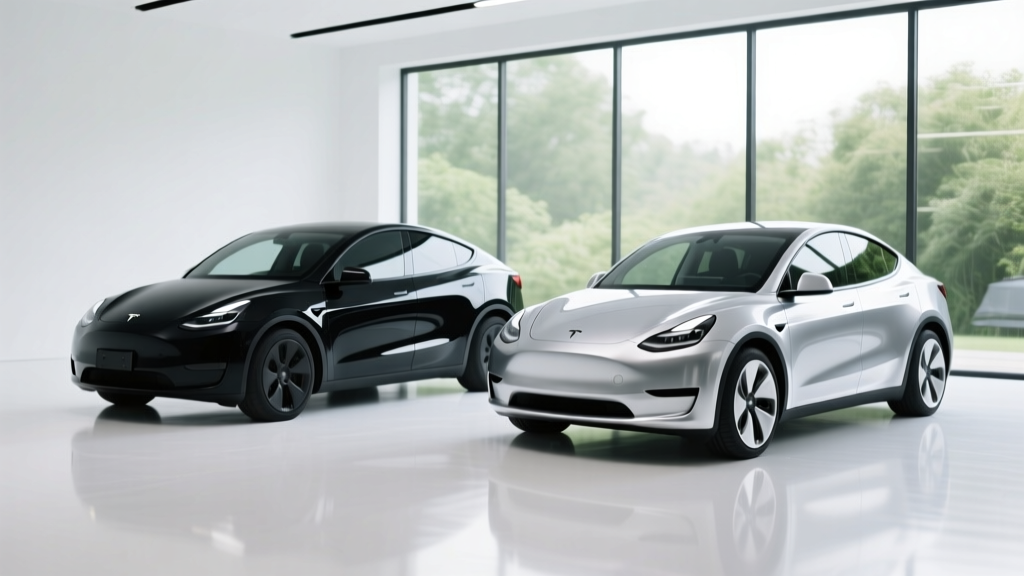
Tesla's website can feel like a moving target. Prices shift weekly, inventory lots update in real time, and trim availability varies by region. For buyers using a Tesla inventory tracker to hunt for the best deal, understanding what you're actually getting — beyond the listing price — is critical. This guide decodes the 2026 Tesla Model Y and Model 3 lineup with exact EPA range figures, charging speeds, battery chemistry, and federal tax credit eligibility so you can evaluate any inventory listing with confidence.
2026 Tesla Model Lineup at a Glance
Tesla's core volume sellers remain the Model 3 sedan and Model Y crossover. Both received significant refreshes in recent years — the Model 3 "Highland" update brought revised styling, improved suspension, and a quieter cabin, while the Model Y "Juniper" refresh followed with similar upgrades. Here's how the current lineup stacks up on paper.
| Spec | 2026 Model 3 RWD | 2026 Model 3 Long Range AWD | 2026 Model Y Long Range AWD | 2026 Model Y Performance |
|---|---|---|---|---|
| EPA Range | 341 mi | 363 mi | 320 mi | 295 mi |
| Battery (usable) | ~60 kWh (LFP) | ~75 kWh (NMC) | ~75 kWh (NMC) | ~75 kWh (NMC) |
| Drivetrain | RWD, single motor | AWD, dual motor | AWD, dual motor | AWD, dual motor |
| 0–60 mph | 5.8 sec | 4.2 sec | 4.8 sec | 3.5 sec |
| Horsepower | 271 hp | 384 hp | 384 hp | 456 hp |
| MPGe (combined) | 132 MPGe | 125 MPGe | 122 MPGe | 111 MPGe |
| Efficiency | 25 kWh/100mi | 27 kWh/100mi | 28 kWh/100mi | 30 kWh/100mi |
| Base MSRP | $38,990 | $45,990 | $47,990 | $52,990 |
Real-World Range: What the EPA Sticker Doesn't Tell You
EPA vs. Reality: The Model 3 Long Range AWD carries an EPA estimate of 363 miles. In real-world highway driving at 70–75 mph, expect approximately 300–320 miles before needing to charge. In freezing temperatures (below 32°F), range can drop an additional 15–25%, putting realistic cold-weather highway range closer to 250–275 miles. The LFP-equipped Model 3 RWD (EPA 341 mi) typically delivers 280–300 miles on the highway in moderate weather.
Tesla's efficiency remains among the best in the industry. The heat pump, standard on all 2026 models, significantly reduces cold-weather cabin-heating energy draw compared to older resistive systems. However, LFP batteries (found in the RWD Model 3) are more sensitive to cold-weather range loss than NMC packs. If you live in a northern climate and frequently drive long distances in winter, the Long Range AWD with its NMC chemistry is the more predictable choice.
For city and suburban commuting with frequent regenerative braking opportunities, you'll often meet or slightly exceed the EPA figure. It's sustained highway speeds and cold weather that pull the number down — a pattern consistent across all EVs, not unique to Tesla.
Charging Speed: DC Fast Charging and Home Setup
Charging speed is where inventory-listing shoppers often get tripped up. A listing might say "Supercharger compatible," but the actual charge rate depends on the trim and battery chemistry. Here's the full breakdown.
| Charging Level | Model 3 RWD (LFP) | Model 3 LR / Model Y (NMC) |
|---|---|---|
| Level 1 (120V household) | ~3 mi/hr (1.4 kW) | ~3 mi/hr (1.4 kW) |
| Level 2 (240V home, 48A) | ~33 mi/hr (11.5 kW) | ~44 mi/hr (11.5 kW) |
| DC Fast Charge (peak) | 170 kW peak | 250 kW peak |
| 10–80% DC fast charge time | ~28 min | ~18–22 min |
| Connector | NACS (native) | NACS (native) |
Tesla's NACS (North American Charging Standard) connector is now the industry standard being adopted by Ford, GM, Rivian, and others. As a Tesla owner in 2026, you get native access to the Supercharger network — still the most reliable DC fast-charging ecosystem in the U.S. — without adapters.
The critical nuance: peak kW is not sustained kW. A Model Y Long Range may peak at 250 kW, but that rate holds only between roughly 10–40% state of charge. Above 60%, the charge curve tapers significantly, dropping below 100 kW and slowing further above 80%. The 10–80% time of ~18–22 minutes is the number that matters for road-trip planning, not the headline peak figure.
For home charging, a Level 2 wall connector on a 60A circuit (48A continuous) adds enough range overnight for virtually any commute. Most owners install a Tesla Wall Connector or compatible NACS unit for $500–$800 (equipment) plus $800–$2,500 for electrician labor, depending on panel proximity and whether a service upgrade is needed. According to Tesla's home charging page, the Wall Connector delivers up to 44 miles of range per hour of charging on NMC models.
Interior Space, Cargo, and Daily Practicality
The Model 3 is a compact executive sedan; the Model Y is a compact crossover. The space difference is substantial and should drive your inventory search.
- Model 3: 23 cu ft trunk, 43.0" front legroom, 35.2" rear legroom. Adequate for two adults up front, tighter in back for taller passengers on long drives.
- Model Y: 30 cu ft cargo behind rear seats (76 cu ft with seats folded), 41.9" front legroom, 38.9" rear legroom. Genuinely family-capable with room for strollers, groceries, and luggage.
The Model Y's hatchback design and available flat-folding rear seats make it far more versatile for cargo. If your inventory tracker is pulling up Model 3 listings but you regularly haul kids or gear, the Model Y is the pragmatic call even at a $2,000–$5,000 premium.
Pricing, Trims, and Federal Tax Credit Eligibility
When browsing Tesla inventory, the listed price is rarely the final cost. The federal EV tax credit under IRS §30D can reduce your effective price by up to $7,500 — but eligibility depends on multiple factors that change periodically.
| Model / Trim | Base MSRP | Est. Price After $7,500 Credit* | Qualifies? |
|---|---|---|---|
| Model 3 RWD | $38,990 | ~$31,490 | Yes (subject to sourcing rules) |
| Model 3 Long Range AWD | $45,990 | ~$38,490 | Yes (subject to sourcing rules) |
| Model Y Long Range AWD | $47,990 | ~$40,490 | Yes (subject to sourcing rules) |
| Model Y Performance | $52,990 | ~$45,490 | Yes (under $80K SUV cap) |
*Credit eligibility is not guaranteed. Per IRS §30D guidelines, you must meet all of the following:
- Income caps: Modified AGI ≤ $150,000 (single), $225,000 (head of household), $300,000 (married filing jointly)
- MSRP caps: ≤ $55,000 for sedans (Model 3), ≤ $80,000 for SUVs/trucks (Model Y)
- Battery sourcing: A percentage of critical minerals and battery components must be sourced from the U.S. or free-trade-agreement partners — these thresholds tighten annually
- Point-of-sale transfer: As of 2024, you can transfer the credit to the dealer at purchase, reducing the purchase price directly rather than waiting to claim it on your tax return
Tesla's U.S.-built vehicles (Fremont and Austin factories) have historically met domestic assembly requirements. However, battery-sourcing rules have disqualified certain trims in past quarters. Always verify current eligibility on fueleconomy.gov before finalizing a purchase — the IRS updates the qualifying vehicle list regularly.
Tech, Autopilot, and the Driver-Assistance Reality
SAE Automation Level: Level 2. Tesla Autopilot and Full Self-Driving (Supervised) are driver-assistance systems, not autonomous driving. The driver must remain attentive, keep hands on the wheel, and be prepared to take over at any moment. Only Level 4 services like Waymo operate without a human driver.
Every 2026 Tesla ships with basic Autopilot (adaptive cruise control + lane centering). The optional Full Self-Driving (Supervised) package, typically priced at $8,000 or $99/month, adds features like automatic lane changes, traffic light/stop sign recognition, and assisted navigation on city streets. In practice, FSD works well on highways but remains inconsistent in complex urban environments — construction zones, faded lane markings, and unprotected left turns still require frequent driver intervention.
Other standout tech includes Tesla's 15.4" center touchscreen handling virtually all vehicle controls, over-the-air software updates that add features post-purchase, and the Tesla mobile app for remote preconditioning, location tracking, and Sentry Mode security footage. The omission of Apple CarPlay and Android Auto remains a dealbreaker for some buyers — Tesla's native navigation and media apps are capable but locked to Tesla's ecosystem.
Warranty and Long-Term Battery Outlook
Tesla's warranty coverage is competitive but not class-leading:
- Basic vehicle: 4 years / 50,000 miles
- Battery & drive unit (RWD): 8 years / 100,000 miles
- Battery & drive unit (Long Range / Performance): 8 years / 120,000 miles
- Capacity retention threshold: 70% minimum over the warranty period
Tesla does not publish a guaranteed degradation curve, but aggregated owner data from sources like Recurrent Auto suggests most Tesla NMC packs retain 90–95% capacity after 100,000 miles. LFP batteries in the RWD Model 3 generally show even slower degradation due to the chemistry's inherent stability, though they start with less total capacity. Out-of-warranty battery replacement remains expensive — $12,000–$16,000 depending on the pack — but is rarely needed within normal ownership timelines.
Pros and Cons: The Honest Assessment
Pros
- Best-in-class Supercharger network access (native NACS)
- Industry-leading efficiency (kWh/100mi)
- Strong real-world range, especially Model 3 LR
- Over-the-air updates continuously improve the vehicle
- Excellent resale value relative to most EVs
- Minimal maintenance — no oil changes, brake wear reduced by regen
Cons
- No Apple CarPlay / Android Auto
- Touchscreen-only controls frustrate some drivers (no physical buttons for climate, mirrors, glovebox)
- FSD (Supervised) is expensive and still requires full driver attention
- Insurance costs 15–30% higher than comparable gas vehicles in many states
- Build quality variability — panel gaps and paint issues still appear on some units
- LFP battery in RWD model loses more range in cold weather
Who Should Buy a 2026 Tesla — And Who Should Look Elsewhere
Choose the Model 3 RWD if: You commute under 60 miles daily, live in a mild climate, want the lowest entry price, and have reliable home charging access. At ~$31,490 after the tax credit, it's one of the most affordable long-range EVs available.
Choose the Model 3 Long Range AWD if: You take regular road trips, live in a cold-weather state, or want dual-motor traction for rain and snow. The NMC battery and 363-mile EPA range provide the most flexibility.
Choose the Model Y Long Range AWD if: You need family-capable cargo and passenger space. It's the default choice for households with children, dogs, or active lifestyles.
Look at competitors (Hyundai Ioniq 5, Ford Mustang Mach-E, Chevrolet Equinox EV) if: You want Apple CarPlay, physical buttons, a more traditional dealership experience, or a potentially faster DC charging curve on non-Tesla networks.
Frequently Asked Questions
What is the real-world range of a 2026 Tesla Model Y?
The EPA rates the Model Y Long Range AWD at 320 miles. Expect approximately 270–290 miles on the highway in moderate temperatures, and 230–260 miles in freezing conditions. City driving with regenerative braking can get you close to or slightly above the EPA number.
How fast does a Tesla charge at home and on the road?
On a Level 2 home charger (240V, 48A), the Model Y adds about 44 miles of range per hour — a full overnight charge covers any daily commute. On a Supercharger, NMC models peak at 250 kW and charge from 10–80% in roughly 18–22 minutes. LFP Model 3 variants peak at 170 kW and take about 28 minutes for the same 10–80% session.
How much does a Tesla cost after the federal tax credit?
If you qualify for the full $7,500 §30D credit, the Model 3 RWD drops to approximately $31,490, the Model 3 Long Range to ~$38,490, and the Model Y Long Range to ~$40,490. Eligibility depends on your income, the vehicle's MSRP relative to the cap, and current battery-sourcing requirements. Always verify on fueleconomy.gov before purchasing.
Does the Tesla Model 3 and Model Y qualify for the federal EV tax credit?
Both models have historically qualified, as they are assembled in U.S. factories and fall under the MSRP caps ($55,000 for sedans, $80,000 for SUVs). However, the critical-minerals and battery-component sourcing thresholds change annually and can temporarily disqualify certain configurations. Check the current IRS qualifying list before committing.
Is a Tesla worth buying vs. the Hyundai Ioniq 5 or Ford Mach-E?
Tesla wins on Supercharger network access, software ecosystem, and efficiency. The Ioniq 5 and Mach-E offer Apple CarPlay, more physical controls, and competitive DC charging speeds on CCS networks. If Supercharger access is your top priority and you're comfortable with Tesla's minimalist interior, the Tesla remains the default. If you want a more traditional driving experience with broader infotainment compatibility, test-drive the alternatives.
How do I use a Tesla inventory tracker effectively?
Tesla's own website updates inventory in real time — filter by model, trim, color, and zip code to find nearby vehicles. Third-party trackers aggregate listings and can alert you to price drops or new inventory matching your criteria. When evaluating a listing, cross-reference the VIN's trim and build date against current tax-credit eligibility, as battery-sourcing compliance can vary by production batch.