The Real Cost of Owning a 2026 Tesla Model Y Beyond the Sticker Price
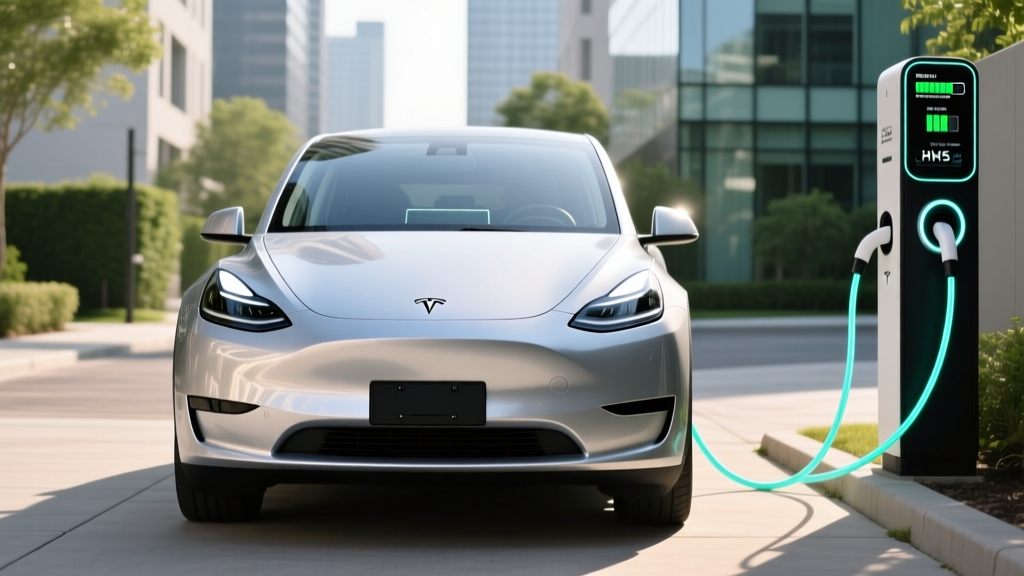
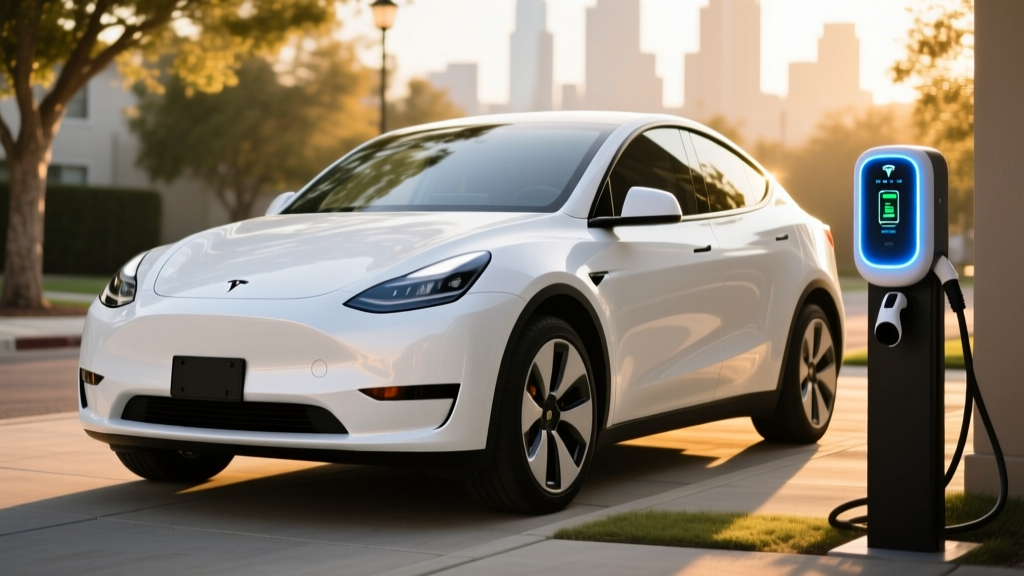
The 2026 Tesla Model Y remains one of the best-selling electric vehicles in the United States, but a growing number of owners are confronting an unwelcome surprise at renewal time: a Tesla insurance increase that can add $400–$900 per year compared to equivalent gas-powered crossovers. Understanding why premiums are climbing requires looking at the full ownership picture — repair economics, parts availability, and the vehicle's actual specs — not just the MSRP.
This review covers the 2026 Model Y Long Range AWD and Performance trims with exact EPA data, real-world range reconciliation, DC fast-charging curves, §30D tax credit eligibility, and a frank assessment of whether the insurance premium gap makes sense for your budget.
2026 Tesla Model Y: Full Specification Breakdown
| Spec | Long Range AWD | Performance |
|---|---|---|
| EPA Range | 320 miles | 295 miles |
| Battery (usable) | ~75 kWh, NMC | ~75 kWh, NMC |
| Drivetrain | Dual-motor AWD | Dual-motor AWD |
| Horsepower | 384 hp | 456 hp |
| 0–60 mph | 4.8 sec | 3.5 sec |
| Max DC Fast Charge | 250 kW (peak) | 250 kW (peak) |
| 10–80% DC Time | ~27 min | ~27 min |
| Level 2 Home Charge | 11.5 kW (~44 mi/hr) | 11.5 kW (~44 mi/hr) |
| MPGe (combined) | 122 MPGe | 111 MPGe |
| Efficiency | 28 kWh/100 mi | 30 kWh/100 mi |
| Cargo (rear seats up) | 30.2 cu ft | 30.2 cu ft |
| Cargo (rear seats folded) | 72.1 cu ft | 72.1 cu ft |
| Rear Legroom | 41.6 in | 41.6 in |
| Base MSRP | $44,990 | $49,990 |
| Battery Warranty | 8 yr / 120,000 mi | 8 yr / 120,000 mi |
| Basic Warranty | 4 yr / 50,000 mi | 4 yr / 50,000 mi |
The Model Y uses an NMC (nickel-manganese-cobalt) battery pack, which offers higher energy density than LFP chemistry but is more sensitive to sustained 100% state-of-charge storage. Tesla recommends daily charging to 80–90% for NMC packs, reserving 100% for road trips. Source: Tesla Model Y official specs.
Real-World Range: What the EPA Sticker Doesn't Tell You
EPA Estimate: 320 miles (Long Range AWD)
Real-World Highway (70–75 mph): ~265–285 miles
Real-World City/Mixed: ~295–310 miles
Cold Weather (below 32°F): ~220–255 miles (20–30% reduction)
Highway driving at sustained speed is the biggest range killer in any EV. Cold temperatures compound the effect due to cabin heating demands and increased battery internal resistance.
The Model Y's 320-mile EPA figure is achievable in moderate weather with mixed city/highway driving and moderate climate control use. On a flat interstate at 70 mph in 75°F weather, expect roughly 270 miles before hitting a 10% state-of-charge buffer. In winter conditions, particularly below freezing, range drops significantly because the heat pump — while more efficient than resistive heating — still draws meaningful energy, and the battery's ability to accept regenerative braking is temporarily reduced until the pack warms.
According to fueleconomy.gov, the Long Range AWD achieves 122 MPGe combined (28 kWh per 100 miles). This efficiency figure is among the best in the compact electric SUV segment and translates to roughly $0.045–$0.065 per mile depending on your local electricity rate.
Charging Speed: DC Fast Charging and Home Level 2
| Charging Level | Power | Miles Added per Hour | Typical Use Case |
|---|---|---|---|
| Level 1 (120V) | ~1.4 kW | ~5 mi/hr | Emergency / overnight trickle |
| Level 2 (240V, 48A) | 11.5 kW | ~44 mi/hr | Home daily charging |
| DC Fast (V3 Supercharger) | 250 kW peak | ~162 mi in 15 min | Road trips |
| DC Fast (above 80% SoC) | Tapers to ~40 kW | ~25 mi/hr | Top-off (avoid if possible) |
The Model Y peaks at 250 kW on Tesla V3 Superchargers, but this peak is only sustained between roughly 10–30% state of charge. By 50% SoC, the charge rate drops to approximately 150 kW, and above 80% it tapers sharply. A 10–80% session takes about 27 minutes under ideal conditions (preconditioned battery, warm ambient temperature, V3 or V4 Supercharger). This is the charge curve taper reality that peak kW numbers alone don't convey.
For home charging, a Tesla Wall Connector on a 60-amp circuit delivers 11.5 kW, adding roughly 44 miles of range per hour. Most owners who plug in overnight will wake up to a full charge regardless of how depleted the battery was the previous evening. A full 0–100% Level 2 charge takes approximately 7–8 hours.
Pricing, Trims, and Federal Tax Credit Eligibility
| Trim | Base MSRP | Destination | Est. §30D Credit | Effective Price |
|---|---|---|---|---|
| Long Range AWD | $44,990 | $1,390 | Up to $7,500* | ~$38,880 |
| Performance | $49,990 | $1,390 | Up to $7,500* | ~$43,880 |
*Federal §30D tax credit eligibility depends on multiple requirements. Credit can be transferred at point of sale as an instant discount starting in 2024.
- MSRP Cap: SUVs must be under $80,000 — Model Y qualifies ✓
- Buyer Income Cap: AGI ≤ $150K single / $225K head of household / $300K joint
- Battery Sourcing: Critical minerals and battery components must meet phased-in domestic/free-trade sourcing thresholds that tighten annually through 2029
- Assembly: Final assembly must occur in North America — Model Y (Fremont/Austin) qualifies ✓
- Point-of-Sale Transfer: You can transfer the credit to the dealer for an instant price reduction
Battery sourcing requirements are the variable most likely to affect eligibility year-over-year. Always verify current-year rules at IRS.gov clean vehicle credits or consult a tax professional before purchasing.
Why the Tesla Insurance Increase Is Happening
Industry data from the Insurance Information Institute and major carriers shows that Tesla insurance premiums have risen 15–25% year-over-year for many policyholders between 2024 and 2026. The Model Y is not immune. Average annual premiums for a 2026 Model Y Long Range range from $2,400 to $3,800 depending on state, driver profile, and coverage level — roughly 40–70% higher than a comparable Toyota RAV4 Hybrid.
Several structural factors drive this increase:
- Repair costs: Tesla's unibody construction with large aluminum castings ("gigacastings") means minor collision damage that would be panel-replaceable on a conventional vehicle often requires structural replacement or total-loss declaration.
- Parts scarcity: Tesla controls its parts supply chain tightly, and collision repair parts have longer lead times than legacy OEM parts, increasing rental-car and labor costs for insurers.
- High claim severity: EV battery packs represent $12,000–$20,000 of replacement value. Even moderate underbody impacts can trigger battery-pack replacement claims.
- ADAS repair complexity: Post-collision recalibration of cameras, radar (where equipped), and structural alignment adds $500–$1,500 to repair bills.
- Driver behavior data: Tesla's telematics data, shared with insurers through programs like Tesla Insurance, reveals acceleration and hard-braking patterns that some carriers use to adjust risk models upward for the broader Tesla-driving population.
Tesla's own insurance product, available in most states, uses real-time driving data from the vehicle to set monthly premiums. Safe drivers can see rates 10–20% below traditional carriers, while aggressive driving patterns push rates higher. This Safety Score-based model means your individual Tesla insurance increase may be less severe — or even nonexistent — if your driving data is clean.
Standout Tech and Notable Drawbacks
- Supercharger network access (17,000+ stalls in North America)
- Industry-leading software / OTA updates
- 122 MPGe efficiency (best-in-class for AWD SUV)
- 72.1 cu ft cargo with seats folded
- Standard Autopilot (SAE Level 2)
- Heat pump for cold-weather efficiency
- Insurance premiums 40–70% above segment average
- No Apple CarPlay or Android Auto
- FSD (Supervised) requires $8,000 add-on; still SAE Level 2
- Minimalist interior lacks physical controls
- Collision repair costs drive total-loss threshold lower
- Ride quality firm on Performance trim (21" wheels)
Tesla Autopilot and Full Self-Driving (Supervised) are SAE Level 2 driver-assistance systems. The driver must remain fully engaged, hands on or near the wheel, and eyes on the road at all times. These systems do not make the vehicle autonomous. Only Level 4 services like Waymo operate without a human driver in defined areas.
The Model Y's 15-inch center touchscreen controls nearly every vehicle function, including climate, mirrors, and glovebox. This design reduces manufacturing cost but frustrates some drivers who prefer tactile controls. The infotainment system is responsive and feature-rich (streaming, gaming, navigation with live Supercharger availability) but does not support Apple CarPlay or Android Auto — a dealbreaker for some buyers.
Who the 2026 Model Y Suits Best
Best for: Tech-forward commuters and small families who have reliable home Level 2 charging, take regular road trips (where the Supercharger network excels), and can absorb higher insurance premiums as part of a favorable total cost of ownership driven by low fuel and maintenance costs.
Consider alternatives if: You live in an area with limited charging access, your insurance quotes come back above $4,000/year, you need CarPlay/Android Auto, or you prefer physical controls and a traditional dealership service experience. The Hyundai Ioniq 5, Ford Mustang Mach-E, and Chevrolet Equinox EV offer competitive range at lower insurance cost baselines.
Frequently Asked Questions
What is the real-world range of the 2026 Tesla Model Y?
The EPA rates the Long Range AWD at 320 miles. In real-world highway driving at 70–75 mph, expect 265–285 miles. In cold weather below freezing, range can drop to 220–255 miles due to cabin heating and reduced battery efficiency.
How fast does the Model Y charge at home and on the road?
On a Level 2 home charger (11.5 kW), the Model Y adds about 44 miles per hour, reaching a full charge overnight in 7–8 hours. On a V3 Supercharger at 250 kW peak, a 10–80% session takes approximately 27 minutes, though charge speed tapers significantly above 80% SoC.
How much does the 2026 Model Y cost after tax credits?
The Long Range AWD starts at $44,990 plus $1,390 destination. If you qualify for the full $7,500 §30D federal credit (based on income, battery sourcing, and MSRP caps), the effective price drops to approximately $38,880. The credit can be transferred at point of sale for an instant discount.
Does the 2026 Tesla Model Y qualify for the federal EV tax credit?
The Model Y meets the MSRP cap (under $80,000 for SUVs) and North American assembly requirement. Buyer eligibility depends on adjusted gross income limits ($150K single / $300K joint) and battery component/critical mineral sourcing rules that tighten annually. Verify current-year eligibility at IRS.gov.
Is the Model Y worth buying vs. competitors despite insurance increases?
When insurance is factored in, the Model Y's total cost of ownership advantage over gas vehicles narrows but typically remains positive over a 5-year period due to fuel savings (~$5,000–$7,000 less in energy costs) and minimal maintenance. However, if your insurance quote exceeds $3,500/year, the Hyundai Ioniq 5 or Chevrolet Equinox EV may offer a lower total cost. Always get insurance quotes before committing to a purchase.
Why is Tesla insurance more expensive than other EVs?
Higher repair costs from aluminum gigacasting construction, expensive battery pack replacement claims, limited third-party parts availability, and higher claim severity all contribute. Tesla's own insurance product can offset this for safe drivers by using real-time vehicle telematics data.