Tesla Halloween Mode: A Spooky Software Surprise on the 2026 Model Y
If you've searched for "Tesla Halloween" and landed here, you're likely one of the thousands of owners curious about the annual software Easter eggs Tesla rolls out every October 31st. For 2026, Tesla's Halloween Mode transforms the vehicle's interface, lighting, and sound effects into a themed experience that delights owners and confuses trick-or-treaters alike. But beyond the spooky fun, this feature highlights Tesla's over-the-air (OTA) update advantage — a software-defined vehicle that evolves long after purchase.
This review focuses on the 2026 Tesla Model Y Long Range AWD, the brand's best-selling electric SUV, examining how these seasonal features integrate with its core specs: 330 miles of EPA range, 270 kW peak DC fast charging, and a starting MSRP that still qualifies for the federal EV tax credit.
2026 Model Y Specs: Range, Battery, and Performance
| Spec | Value |
|---|---|
| EPA Range | 330 miles |
| Battery Capacity | 78.1 kWh usable (NMC chemistry) |
| Drivetrain | Dual-Motor AWD |
| Horsepower | 384 hp combined |
| 0-60 mph | 4.8 seconds |
| Peak DC Fast Charge | 270 kW |
| 10-80% DC Fast Charge | ~22 minutes |
| Level 2 Home Charge | 11.5 kW (~44 mi/hr) |
| EPA Efficiency | 122 MPGe / 28 kWh/100mi |
| Cargo Volume | 30.2 cu ft (rear seats up) / 72.1 cu ft (folded) |
| Base MSRP | $47,990 |
| Battery Warranty | 8 years / 120,000 miles (70% capacity retention) |
Charging Speed: DC Fast and Home Level 2
The 2026 Model Y Long Range supports a peak DC fast-charge rate of 270 kW on V3 and V4 Tesla Superchargers. However, peak rate is not sustained rate. The charge curve tapers significantly above 50% state of charge (SoC). Expect:
- 10-80% in ~22 minutes at a 250+ kW Supercharger with battery preconditioned
- 80-100% adds another 25+ minutes due to taper — avoid charging past 80% on road trips
- Non-Tesla networks (Electrify America, EVgo) via NACS adapter: speeds limited by station output, typically 150-350 kW
At home, the Model Y accepts up to 11.5 kW on Level 2 (48-amp circuit requiring a 60-amp breaker). Using a Tesla Wall Connector or equivalent J1772/NACS unit, you'll add roughly 44 miles of range per hour — enough to fully recharge overnight from a 200-mile daily drive.
Tesla Halloween Mode: What It Actually Does
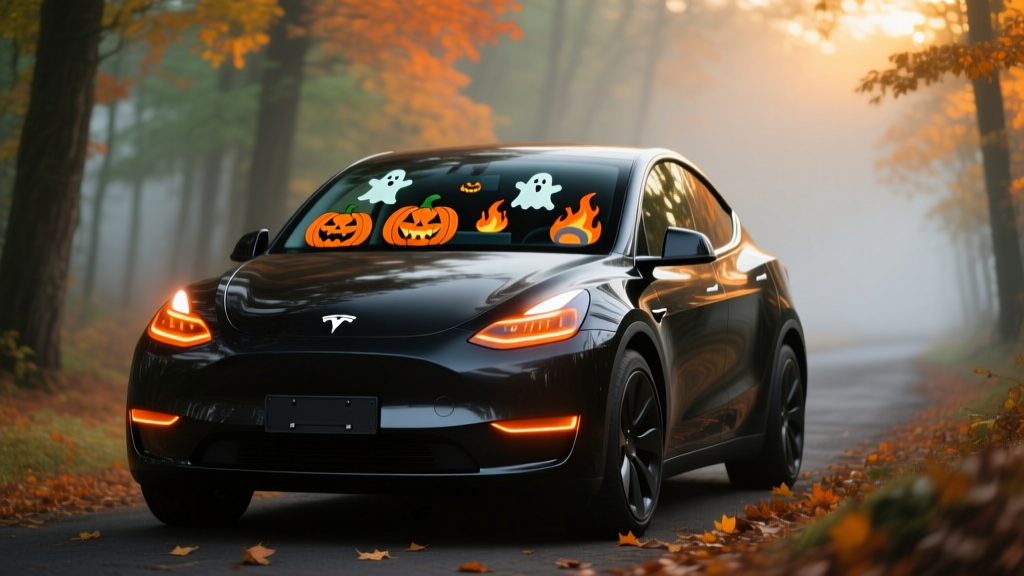
Tesla's Halloween Mode is a seasonal software feature that activates via OTA update, typically available from late October through early November. For 2026, the mode includes:
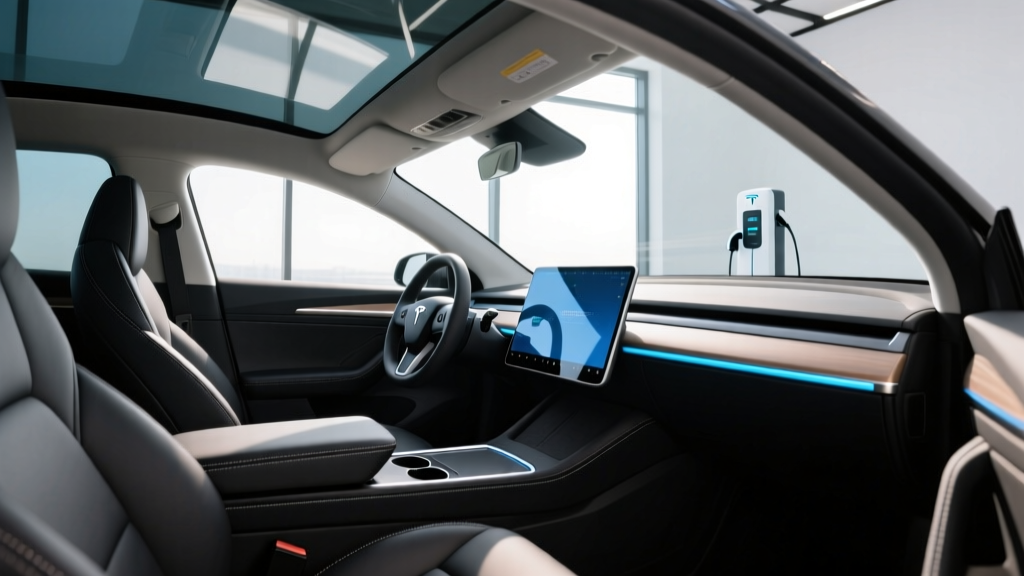
- Spooky visual themes on the central touchscreen: bats, ghosts, and jack-o'-lanterns animate across the UI
- Exterior light shows: headlights and taillights perform choreographed sequences synced to Halloween-themed audio
- Sound effects: turn signals emit creaky-door or wolf-howl tones; the horn can be remapped to a ghostly wail (parked only)
- Toybox integration: whoopee cushion, campfire mode with spooky ambiance, and light show sequences
These features are cosmetic and optional — they don't affect driving dynamics, range, or safety systems. Owners can toggle them on/off in the Toybox menu. The real value is Tesla's OTA update architecture: a car purchased in 2024 receives the same 2026 Halloween Mode as a brand-new delivery.
Pricing, Trims, and Federal Tax Credit Eligibility
| Trim | MSRP | Est. Price After §30D Credit |
|---|---|---|
| Long Range AWD | $47,990 | ~$40,490 (if eligible) |
| Performance AWD | $52,990 | ~$45,490 (if eligible) |
The federal EV tax credit (IRS §30D) offers up to $7,500 for qualifying buyers, but eligibility depends on multiple factors for 2026:
- MSRP cap: SUVs must be under $80,000 — Model Y qualifies
- Income cap: Modified AGI ≤ $150,000 (single) / $300,000 (joint) — verify via IRS.gov
- Battery sourcing: Critical minerals and components must meet phased-in domestic/FTA-country thresholds — Tesla's Austin-built Model Y with LFP or NMC packs has historically qualified, but verify at point of sale
- Point-of-sale transfer: As of 2024, buyers can transfer the credit to the dealer for an immediate price reduction rather than waiting for tax filing
Always confirm eligibility with Tesla at delivery and consult a tax professional — rules can change mid-year.
Who Should Buy the 2026 Model Y?
The Model Y Long Range AWD suits:
- Commuters with home charging: 330 miles means charging 1-2x per week for a 50-mile daily round trip
- Families: 72.1 cu ft cargo space, available third-row (small children only), and top IIHS safety ratings
- Road trippers: Tesla's Supercharger network remains the most reliable DC fast-charging ecosystem in the U.S., with 25,000+ stalls nationwide
- Tech enthusiasts: OTA updates, Halloween Mode, and FSD (Supervised) beta access appeal to software-forward buyers
It's less ideal for:
- Apartment dwellers without home/work charging: public charging costs 2-3x more than home Level 2
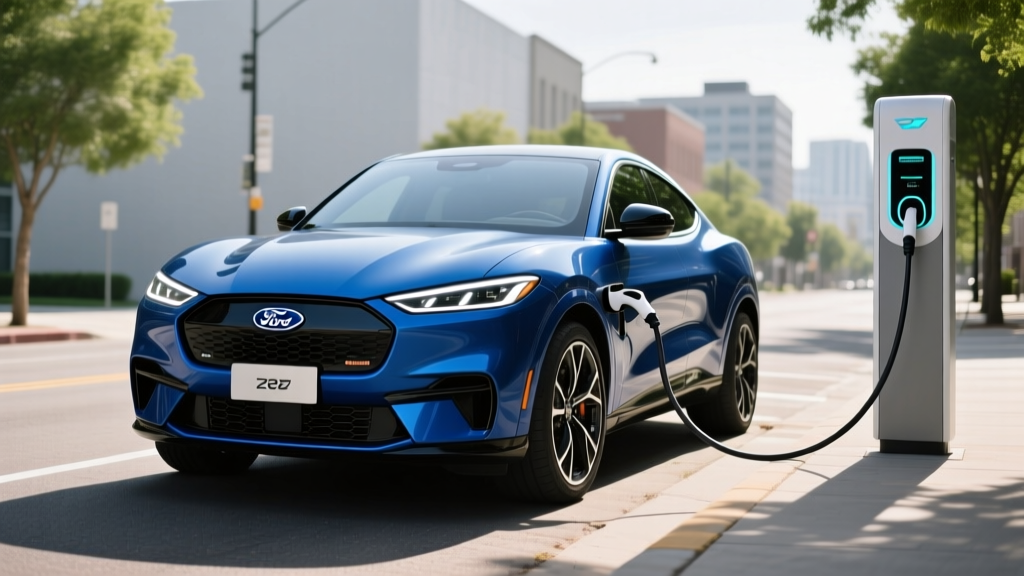
- Heavy towing: 3,500-lb capacity is adequate for small trailers but trails the Ford Mustang Mach-E (up to 4,500 lbs with handling package)
- Buyers prioritizing ride comfort: the Model Y's firm suspension and minimal sound insulation can feel harsh on rough roads compared to the Hyundai Ioniq 5 or Kia EV6
Pros and Cons
- 330-mile EPA range covers most daily needs
- 270 kW peak charging; 10-80% in ~22 min
- Supercharger network reliability
- OTA updates (Halloween Mode, feature adds)
- Spacious cargo area (72.1 cu ft)
- Federal tax credit eligible (verify sourcing)
- Firm ride quality on rough pavement
- No Apple CarPlay/Android Auto
- FSD (Supervised) is Level 2, not self-driving
- Cold-weather range loss (~20-30%)
- Insurance premiums 15-25% higher than ICE SUVs
- Minimal physical controls (everything on touchscreen)
Is the 2026 Model Y Worth It vs. Competitors?
Compared to the Hyundai Ioniq 5 (305-mile range, 800V architecture, ~$48,000 MSRP), the Model Y offers 25 more miles of range and Supercharger access but a firmer ride. The Ford Mustang Mach-E (312-mile Extended Range, ~$47,000) provides better handling and BlueCruise hands-free driving on mapped highways, but Ford's charging network partnerships (BlueOval) are less proven than Tesla's.
The Model Y's decisive advantages remain:
- Supercharger network: 25,000+ stalls with 99%+ uptime, now opening to NACS-equipped competitors but still most seamless for Tesla owners
- Software ecosystem: OTA updates, Easter eggs like Halloween Mode, and Tesla's app integration
- Resale value: Tesla EVs historically depreciate slower than legacy-brand EVs (though market fluctuations apply)
Frequently Asked Questions
What is Tesla Halloween Mode?
Tesla Halloween Mode is a seasonal software feature (activated via OTA update) that adds spooky visual themes, light shows, and sound effects to the vehicle's interface and exterior lighting. It's purely cosmetic and available on all Tesla models with current software.
Does the 2026 Model Y qualify for the $7,500 federal tax credit?
It can, but eligibility depends on buyer income (≤$150K single / ≤$300K joint), vehicle MSRP (under $80K for SUVs — Model Y qualifies), and battery sourcing rules. Verify at point of sale and consult IRS §30D guidelines.
How fast does the Model Y charge at home?
On a 240V Level 2 circuit (11.5 kW / 48 amps), the Model Y adds ~44 miles of range per hour. A full charge from 10% to 100% takes approximately 7-8 hours.
What's the real-world range in winter?
Expect 230-265 miles in sub-freezing temperatures (20-30% loss from the 330-mile EPA estimate). Preconditioning the battery while plugged in and using seat heaters instead of cabin heat can mitigate losses.
Is Tesla's FSD actually self-driving?
No. Full Self-Driving (Supervised) is a Level 2 driver-assist system per SAE standards. The driver must remain engaged, hands on or near the wheel, and eyes on the road at all times. Only Level 4 services like Waymo operate without a human driver.