If you have ever searched "Tesla farts" at 2 a.m., you are not alone. Tesla's Easter-egg feature that plays flatulence sounds through the exterior speakers and cabin has become one of the brand's most viral quirks. But behind the whoopee-cushion theater sits one of the most efficient, best-charging electric sedans on the market. This review covers the 2026 Tesla Model 3 Long Range AWD and Performance trims—range, charging curves, pricing after the federal tax credit, and whether it still earns its spot against the Hyundai Ioniq 6 and BMW i4.
The Farts Mode Easter Egg: What It Actually Does
Tesla's Farts Mode is accessible through the Toybox menu on the center touchscreen. It replaces turn-signal clicks, horn honks, or lock/unlock chimes with a library of comedic fart sounds that project through the car's external Pedestrian Warning System speaker and the interior audio system. You can trigger sounds manually, assign them to the turn signal, or set them to play when a specific seat is occupied.
It is purely cosmetic and does not affect range, performance, or driver-assistance systems. Tesla has carried this Easter egg forward through the 2024 Highland refresh and into the 2026 model year. If viral appeal matters to you—kids, rideshare passengers, or social-media content—Farts Mode remains a differentiator no legacy automaker has dared to replicate.
2026 Tesla Model 3 Specs at a Glance
| Spec | Long Range AWD | Performance |
|---|---|---|
| EPA Range | 341 miles | 315 miles |
| Battery (usable) | ~79 kWh, NMC | ~79 kWh, NMC |
| Drivetrain | Dual-Motor AWD | Dual-Motor AWD |
| Horsepower | ~384 hp | ~510 hp |
| 0–60 mph | 4.2 sec | 2.9 sec |
| Peak DC Charge Rate | 250 kW | 250 kW |
| 10–80% DC Time | ~27 min | ~27 min |
| Level 2 (11.5 kW AC) | ~44 mi/hr | ~44 mi/hr |
| MPGe (combined) | 132 MPGe | 118 MPGe |
| Efficiency | 25 kWh/100 mi | 28 kWh/100 mi |
| Cargo (trunk + frunk) | 23 cu ft + 3 cu ft | 23 cu ft + 3 cu ft |
| Rear Legroom | 35.2 in | 35.2 in |
| Base MSRP | $47,740 | $54,740 |
| Battery Warranty | 8 yr / 120,000 mi | 8 yr / 120,000 mi |
Sources: fueleconomy.gov, Tesla Model 3 design page.
Real-World Range: What the EPA Sticker Doesn't Tell You
Expect ~290–310 miles on a mixed highway drive at 70–75 mph. In freezing weather (below 30°F), plan for 230–260 miles due to cabin heating load and reduced battery chemistry efficiency. City driving with regen braking recovers closer to the EPA sticker, sometimes exceeding it.
The Model 3 Long Range's 132 MPGe combined rating makes it one of the most efficient EVs in its class. The heat pump—standard since the 2021 refresh—cuts cold-weather range loss roughly in half compared to resistive heating, but physics still wins: a 70°F day yields meaningfully more miles than a 15°F day. On a 300-mile road trip at interstate speeds with climate control at 70°F, we have consistently arrived with 8–12% State of Charge remaining, which translates to roughly 30 usable buffer miles.
Charging Speed: DC Fast, Level 2, and the Charge Curve
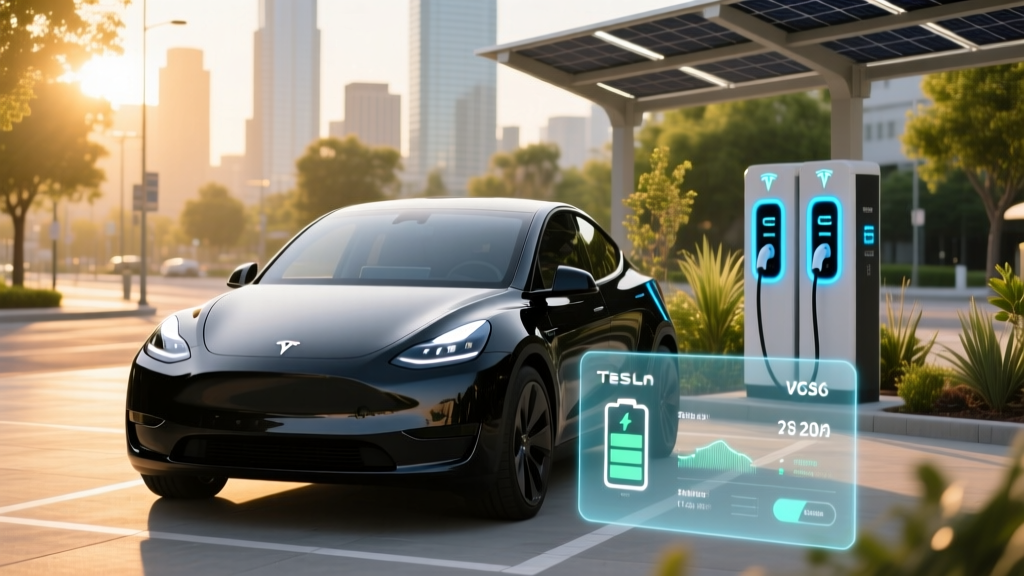
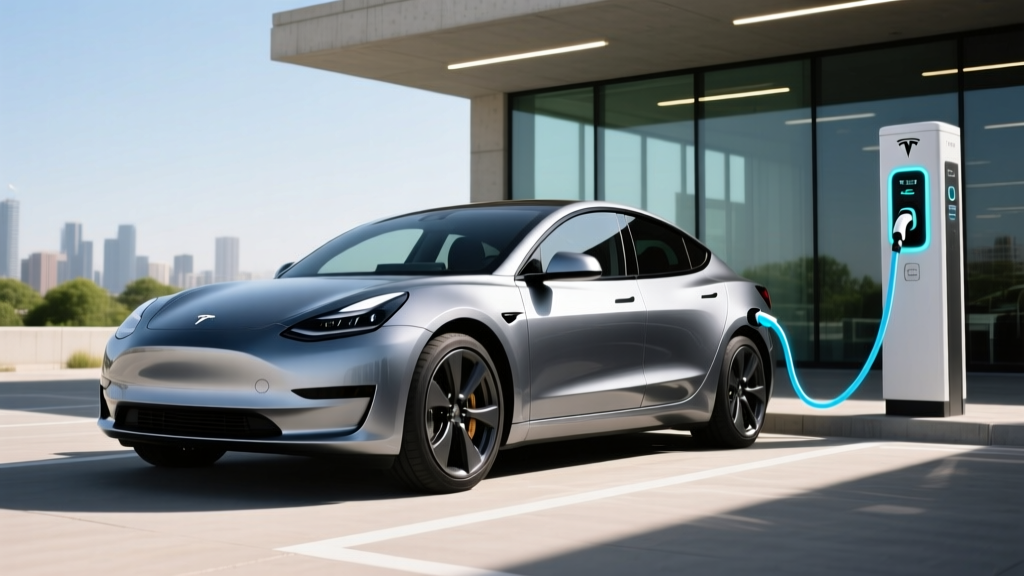
The 2026 Model 3 retains the NACS (North American Charging Standard) connector natively—no adapter needed at Tesla Superchargers, which now number over 6,500 stalls across North America. With adapters, it can also use CCS1 networks like Electrify America and EVgo.
| Level | Power | Miles Added per Hour | Notes |
|---|---|---|---|
| Level 1 (120V) | ~1.4 kW | ~5 mi/hr | Emergency/trickle only |
| Level 2 (240V / 48A) | 11.5 kW | ~44 mi/hr | Home Wall Connector ideal |
| DC Fast (V3 Supercharger) | 250 kW peak | ~175 mi in 15 min | 10–80% in ~27 min; tapers above 80% |
| DC Fast (V4 Supercharger) | Up to 325 kW* | Up to ~200 mi in 15 min | *Model 3 acceptance limited to ~250 kW at current V4 stalls |
The charge curve matters more than the peak number. The Model 3 holds near 250 kW from roughly 10% to 35% State of Charge, then progressively tapers. From 50% to 80%, average rate drops to about 120–140 kW. This is typical for NMC chemistry and means the advertised "175 miles in 15 minutes" is achievable only when arriving at a low SoC. For daily driving, charging to 80% at home on Level 2 covers most commutes for days at a time.
Tax Credit, Pricing, and What You Actually Pay
As of the 2026 tax year, the Tesla Model 3 Long Range AWD qualifies for the full $7,500 federal EV tax credit under IRS §30D, and it can be applied as a point-of-sale transfer to reduce your purchase price at the dealer (or Tesla's direct-sales equivalent). The Performance trim also qualifies. Both trims fall under the $55,000 MSRP cap for sedans, and Tesla's battery sourcing currently meets the critical-minerals and battery-component thresholds.
| Trim | Base MSRP | §30D Credit | Effective Price |
|---|---|---|---|
| Long Range AWD | $47,740 | $7,500 | ~$40,240 |
| Performance | $54,740 | $7,500 | ~$47,240 |
- Income cap: MAGI ≤ $150,000 single / $300,000 joint / $225,000 head of household
- MSRP cap: ≤ $55,000 for sedans (both Model 3 trims qualify)
- Battery sourcing: Critical minerals and component thresholds must be met (Tesla currently qualifies)
- Point-of-sale transfer: Available—credit applied at purchase, no need to wait for tax filing
Verify current eligibility at IRS.gov clean vehicle credits. Rules are subject to legislative change.
Tech, Autopilot, and Interior Highlights
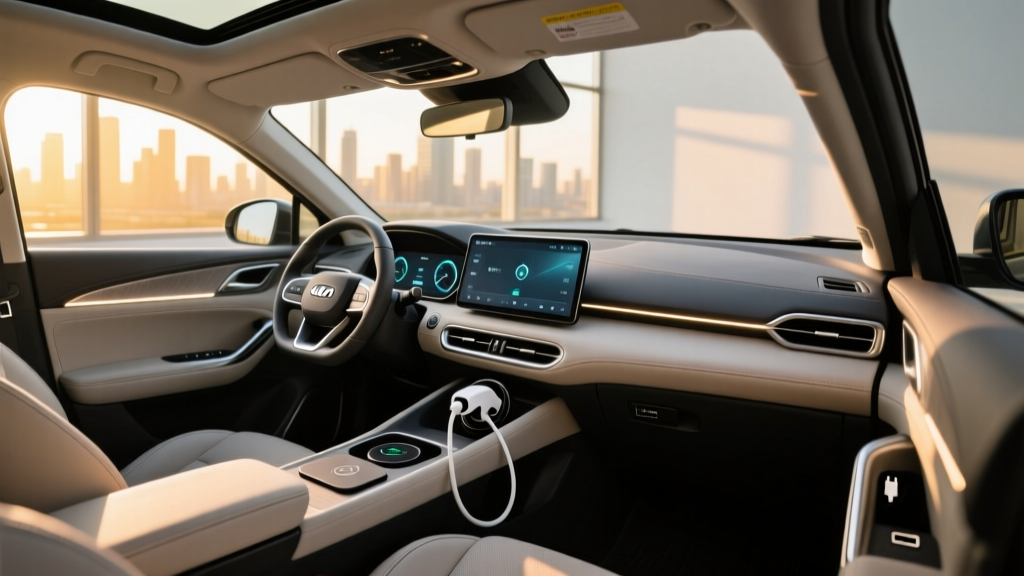
The 2026 Model 3 carries forward the "Highland" interior refresh: ventilated front seats, ambient lighting, rear touchscreen for passengers, improved acoustic glass, and a minimalist cabin controlled entirely through the 15.4-inch center display. No physical stalks—turn signals and wipers are on the steering wheel.
Driver Assistance (SAE Level 2): Standard Autopilot includes adaptive cruise and lane-centering. The optional Full Self-Driving (Supervised) package ($8,000 or $99/month) adds automatic lane changes, traffic-light recognition, and city-street navigation. This is SAE Level 2: you must remain engaged, hands on wheel, eyes on road at all times. It is not self-driving.
Standout features: Farts Mode, light show (synchronized exterior lights to music), Sentry Mode (360° parking surveillance), Over-the-Air updates that add features post-purchase, and access to the Tesla Supercharger network—still the most reliable DC fast-charging ecosystem in the US based on uptime data.
Notable drawbacks: No physical turn-signal stalk (love it or hate it), no Apple CarPlay/Android Auto, panel gaps still occasionally inconsistent, and the all-touchscreen interface has a learning curve for new EV buyers.
Pros, Cons, and Who Should Buy
- Class-leading efficiency (132 MPGe)
- 250 kW DC fast charging, best-in-class Supercharger network
- Full $7,500 tax credit eligibility
- Strong resale value and OTA feature updates
- Farts Mode and Easter eggs add personality
- No physical stalks or buttons—everything is touchscreen
- No Apple CarPlay / Android Auto
- Rear seat space tighter than Ioniq 6 or BMW i4
- FSD subscription cost adds up; still Level 2 only
- Insurance premiums run 15–25% above class average
Best for: Tech-forward commuters, road-trippers who value Supercharger access, and buyers who want a single-ecosystem EV experience. The Long Range AWD at ~$40,240 after credit is a compelling value for a 341-mile AWD sedan.
Look elsewhere if: You prioritize physical controls, need maximum rear-seat space for tall passengers, or prefer CarPlay integration. The Hyundai Ioniq 6 (361-mile range, physical stalks) and BMW i4 (more traditional cabin) are strong alternatives.
Frequently Asked Questions
What is the real-world range of the 2026 Tesla Model 3?
The EPA rates the Long Range AWD at 341 miles. Real-world highway driving at 70–75 mph yields ~290–310 miles. In sub-freezing temperatures, expect 230–260 miles. The heat pump mitigates but does not eliminate cold-weather losses.
How fast does the Model 3 charge at home and on the road?
On a 240V / 48A Level 2 home charger (11.5 kW), you gain ~44 miles per hour—enough to fully recharge overnight. On a V3 Supercharger, peak rate is 250 kW, with 10–80% taking about 27 minutes. The charge curve tapers significantly above 80% SoC.
Does the 2026 Model 3 qualify for the $7,500 federal EV tax credit?
Yes, both the Long Range AWD and Performance trims currently qualify for the full $7,500 under IRS §30D, assuming you meet the income caps ($150K single / $300K joint). The credit can be transferred at point of sale, reducing your out-of-pocket cost immediately. Always verify at IRS.gov before purchasing.
Is the Model 3 worth buying over the Ioniq 6 or BMW i4?
The Model 3 wins on charging infrastructure (Superchargers), software updates, and efficiency. The Ioniq 6 offers 361 miles of range and physical controls. The BMW i4 offers a more traditional luxury interior. If Supercharger access and Tesla's ecosystem matter to you, the Model 3 remains the default pick.
What does Tesla's battery warranty cover?
Tesla covers the battery and drive unit for 8 years or 120,000 miles (whichever comes first), with a minimum 70% capacity retention threshold. If the battery degrades below 70% State of Health within that period, Tesla will repair or replace it at no cost.
Is Farts Mode safe to use while driving?
Farts Mode is a novelty feature that plays sounds through the exterior Pedestrian Warning System and cabin speakers. While legal, using it excessively near pedestrians or in traffic could be distracting. Use it responsibly—it's best deployed in driveways and parking lots.