If you've ever been startled by a sudden, comical Tesla farting noise erupting from your vehicle's exterior speakers, you're not alone — and you're not experiencing a malfunction. This infamous sound is one of Tesla's most talked-about Easter eggs, a deliberate software feature that has delighted owners, confused bystanders, and gone viral on social media countless times. But beyond the giggles, what exactly is this feature, how does it work, and what does it tell us about Tesla's approach to in-car entertainment and software-defined vehicles?
In this guide, we'll break down everything you need to know about the Tesla fart noise feature — which models have it, how to activate it, and why it matters in the broader context of EV ownership. We'll also cover the full specs, range, charging, and pricing of the Tesla models that carry this feature, so you get a complete ownership picture alongside the fun.
What Is the Tesla Farting Noise Feature?
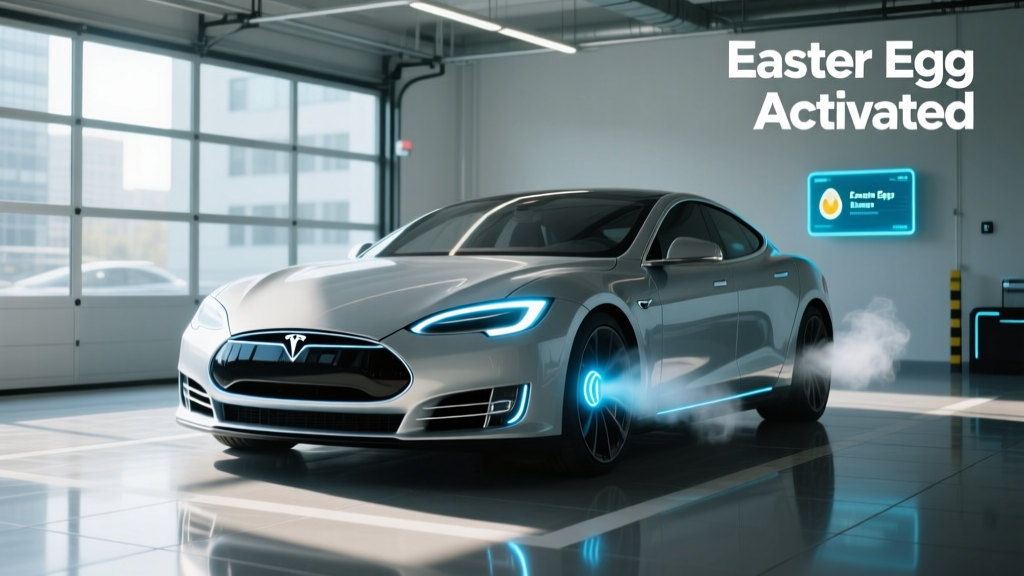
The Tesla farting noise is a built-in Easter egg accessible through the vehicle's touchscreen. Found in the Tesla Toybox menu (under the "Emissions Testing Mode" label), it allows the driver to trigger realistic flatulence sounds from the car's external pedestrian warning speaker (PWS) or the internal cabin speakers. The feature offers multiple "settings" — a nod to comedic timing — letting users select the target seat (driver, passenger, or random) and even the "type" of sound.
Tesla introduced this feature in a software update around 2019–2020, and it has remained a staple of the Toybox menu ever since. It's become a signature Tesla quirk — the kind of detail that reinforces the brand's identity as a software-first automaker that treats its vehicles as updatable, personality-rich platforms rather than static machines.
Tap Controls → Toybox → Emissions Testing Mode. From there, choose your preferred seat target and sound profile. You can trigger the sound manually or set it to activate when a specific seat is occupied and the turn signal is engaged.
Which Tesla Models Include the Fart Noise Easter Egg?
The Emissions Testing Mode is available across Tesla's current lineup, provided the vehicle is running a recent software version. This includes:
- Tesla Model 3 (2024+ Highland refresh and 2025–2026 model years)
- Tesla Model Y (2025–2026 Juniper refresh and prior generations with updated software)
- Tesla Model S (2024–2026 model years)
- Tesla Model X (2024–2026 model years)
- Tesla Cybertruck (2024–2026 model years)
The feature requires the external pedestrian warning speaker, which all Tesla vehicles sold in the U.S. since 2019 include to comply with NHTSA regulations for near-silent electric vehicles at low speeds. Without this speaker, the sound can only play through the cabin audio system.
Tesla Model Y: Full Specs, Range, and Charging (2026)
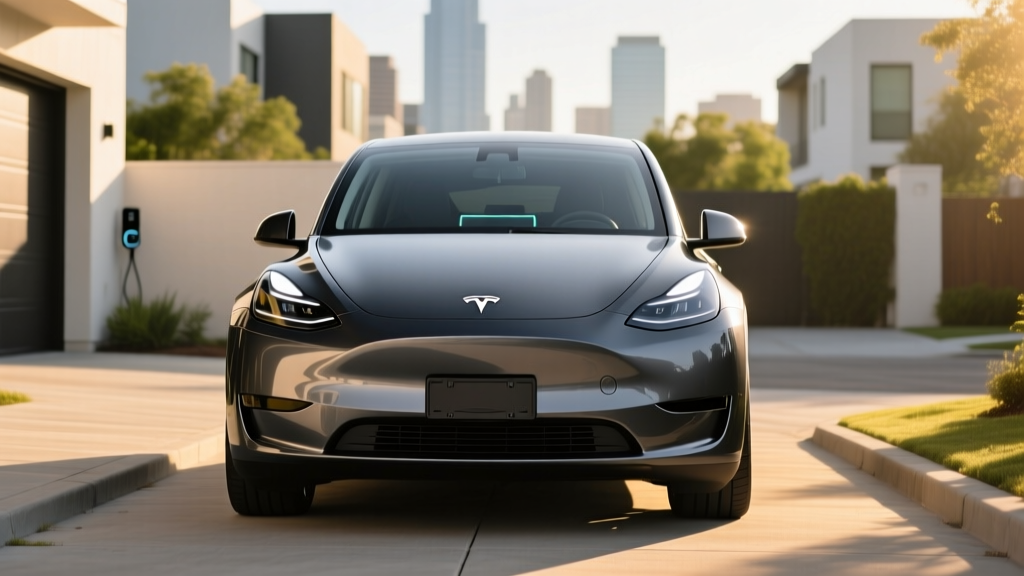
Since the Model Y is Tesla's best-selling vehicle and the most common platform where owners discover the farting noise Easter egg, let's use it as our spec benchmark. The 2026 Model Y (Juniper refresh) represents the current state of Tesla's mainstream crossover.
| Spec | Long Range AWD | Performance |
|---|---|---|
| EPA Range | 320 miles | 295 miles |
| Battery (usable) | ~75 kWh (NMC) | ~75 kWh (NMC) |
| Drivetrain | Dual-Motor AWD | Dual-Motor AWD |
| Horsepower | 384 hp | ~510 hp |
| 0–60 mph | 4.8 sec | 3.5 sec |
| MPGe (combined) | 111 MPGe | 102 MPGe |
| Efficiency | 28 kWh/100mi | 31 kWh/100mi |
| Max DC Fast Charge | 250 kW | 250 kW |
| 10–80% DC Charge | ~25 min | ~25 min |
| Level 2 Home Charging | 11.5 kW (~44 mi/hr) | 11.5 kW (~44 mi/hr) |
| Cargo Volume | 76 cu ft (rear seats folded) | 76 cu ft (rear seats folded) |
| Rear Legroom | 40.5 in | 40.5 in |
| Base MSRP | $46,630 | $52,130 |
Source: fueleconomy.gov and Tesla official specifications. Pricing reflects estimated 2026 MSRP before destination fees.
Real-World Range: What the EPA Sticker Doesn't Tell You
EPA Estimated: 320 miles
Real-World Highway (70 mph, moderate temps): ~265–285 miles
Real-World Cold Weather (below 32°F, mixed driving): ~220–250 miles
City/Commuter (regenerative braking active): ~290–310 miles
Tesla's EPA range estimates are among the more optimistic in the industry. In real-world highway testing at sustained speeds above 70 mph, expect to lose roughly 10–17% from the sticker number. Cold weather compounds this: lithium-ion batteries lose efficiency in freezing temperatures, and cabin heating draws significant energy even with Tesla's standard heat pump. The Model Y's heat pump (standard since 2021) mitigates cold-weather losses better than resistive heaters, but you'll still see a 20–30% range reduction in sub-freezing conditions.
For daily commuters driving under 60 miles round-trip, range is a non-issue — you'll charge at home overnight and never think about it. For road trips, plan charging stops around the 250-mile mark for comfort, especially in winter or mountainous terrain.
Charging Speed: DC Fast Charging and Home Setup
| Charging Level | Power | Speed (Miles/Hour) | Notes |
|---|---|---|---|
| Level 1 (120V household) | ~1.4 kW | ~4–5 mi/hr | Emergency/trickle only |
| Level 2 (240V, 48A) | 11.5 kW | ~44 mi/hr | Home Wall Connector; full charge in ~7 hrs |
| DC Fast Charge (Supercharger V3) | Peak 250 kW | ~1,000 mi/hr at peak | 10–80% in ~25 min; tapers sharply above 80% |
| DC Fast Charge (Supercharger V4) | Peak 250 kW* | ~1,000 mi/hr at peak | *Model Y architecture caps at 250 kW; V4 supports higher for future vehicles |
The 2026 Model Y uses NMC (nickel manganese cobalt) battery chemistry, which supports fast charging well but is sensitive to sustained high state-of-charge. Tesla recommends daily charging to 80% for NMC packs and 100% only before long trips. The charge curve peaks at 250 kW between roughly 10–30% SoC, then progressively tapers. From 80–100%, charging slows dramatically — expect the final 20% to take as long as the first 60%.
For home charging, the Tesla Wall Connector at 48 amps on a 60-amp circuit is the gold standard, adding about 44 miles of range per hour. Installation costs typically range from $500–$2,000 depending on your electrical panel's capacity and the run distance from panel to charger location. Always have a licensed electrician evaluate your panel before installation — a 200-amp panel upgrade can add $1,500–$3,000 if needed.
Pricing, Trims, and Federal Tax Credit Eligibility
| Trim | MSRP | §30D Credit Eligible? | Est. Net Price |
|---|---|---|---|
| Long Range AWD | $46,630 | Up to $7,500* | ~$39,130* |
| Performance | $52,130 | Up to $7,500* | ~$44,630* |
*Eligibility for the full $7,500 federal EV tax credit under IRS §30D depends on multiple factors:
- Buyer income caps: Modified AGI ≤ $150,000 (single), ≤ $300,000 (joint), ≤ $225,000 (head of household)
- MSRP cap: SUVs/vans/pickups ≤ $80,000; sedans ≤ $55,000 (Model Y qualifies as an SUV per IRS classification)
- Battery sourcing: Critical minerals and battery components must meet phased-in percentage thresholds from U.S. or FTA-partner countries. These thresholds tighten annually.
- Point-of-sale transfer: Since 2024, eligible buyers can transfer the credit to the dealer at purchase, reducing the upfront price rather than waiting for a tax refund.
Important: Battery-sourcing requirements change annually and can affect whether a specific vehicle qualifies for the full $7,500, a partial $3,750, or no credit at all. Always verify eligibility on the IRS website or with a tax professional before purchasing. Tesla's checkout page also displays the estimated credit for your specific configuration.
Standout Tech Features and Notable Drawbacks
Beyond the farting noise Easter egg, Tesla's software ecosystem is the vehicle's defining feature. The 15.4-inch center touchscreen (Model Y Juniper) handles everything from navigation and media to vehicle settings, climate controls, and the Toybox. Over-the-air updates continuously add features — sometimes including new Easter eggs.
Standout tech includes:
- Autopilot (standard): SAE Level 2 driver-assist with adaptive cruise control and lane centering. Requires active driver supervision at all times.
- Full Self-Driving (Supervised): Optional $8,000 upgrade (or $99/month subscription) adding automated lane changes, traffic light/stop sign recognition, and navigation on Autopilot. Still SAE Level 2 — not autonomous driving.
- Sentry Mode: 360-degree camera recording when parked, with alerts for impacts or suspicious activity.
- Dog Mode / Camp Mode: Climate control presets for leaving pets in the car or sleeping in the vehicle.
- Theater & Gaming: Stream Netflix/YouTube while parked; play games via the touchscreen or connected controller.
- Best-in-class Supercharger network access (17,000+ U.S. stalls)
- Over-the-air updates keep the car improving post-purchase
- Strong efficiency (28 kWh/100mi) maximizes range per kWh
- Spacious cargo area (76 cu ft) with flat load floor
- Heat pump standard for cold-climate efficiency
- Toybox Easter eggs add personality and social fun
- Minimalist interior lacks physical buttons (all climate/media via screen)
- No Apple CarPlay or Android Auto support
- Ride quality can feel firm on rough pavement (Juniper improved this)
- Panel gaps and build consistency still lag legacy automakers
- FSD (Supervised) remains Level 2 despite the "Full Self-Driving" name
- NMC battery recommends 80% daily charge limit, reducing usable daily range
Who Should Buy a Tesla Model Y?
The Model Y suits a wide range of EV buyers, but it's especially strong for:
- Daily commuters who can charge at home and want minimal running costs (~$0.04–$0.06 per mile on residential electricity vs. $0.12–$0.16 for gas).
- Small families needing 76 cu ft of cargo space and comfortable rear seating for two adults or child seats.
- Road trippers who value Tesla's Supercharger network — the most reliable and widespread DC fast-charging ecosystem in North America.
- Tech-forward buyers who enjoy OTA updates, Easter eggs (yes, including the fart noise), and a software-defined vehicle experience.
It's less ideal for buyers who prioritize physical controls, want Apple CarPlay, need three-row seating (the Model X covers that), or frequently tow heavy loads (3,500 lb max towing capacity).
Is the Tesla Model Y Worth It vs. Key Competitors?
Choose the Model Y if: You want the best charging network, lowest running costs, OTA updates, and a fun software experience (Easter eggs included). The Supercharger advantage alone makes road-trip planning dramatically easier than CCS-dependent competitors.
Choose the Hyundai Ioniq 5 if: You prefer 800V ultra-fast charging (10–80% in ~18 min), physical buttons, Apple CarPlay, and a more distinctive design. The Ioniq 5 also qualifies for the §30D credit when built at the Georgia plant.
Choose the Ford Mustang Mach-E if: You want a more traditional crossover feel, BlueCruise hands-free highway driving, and a dealer network for service. The Mach-E offers comparable range and a slightly softer ride.
Battery Warranty and Long-Term Ownership
Tesla covers the Model Y's battery and drive unit with an 8-year / 120,000-mile warranty (whichever comes first), with a guaranteed minimum 70% capacity retention over that period. Based on fleet data from Tesla's annual impact reports and third-party analyses, most Model Y batteries degrade approximately 10–12% over the first 100,000 miles, with degradation slowing significantly after the initial break-in period.
NMC chemistry, while energy-dense (enabling the 320-mile range), is more sensitive to high-temperature and high-SoC stress than LFP (lithium iron phosphate). To maximize longevity: charge to 80% daily, avoid leaving the car at 100% for extended periods, and use scheduled charging to minimize time spent at high SoC. Tesla's thermal management system actively cools and heats the battery to keep it in the optimal temperature window.
Battery replacement, should it be needed outside warranty, currently costs approximately $12,000–$16,000 depending on the pack configuration — though most Tesla batteries are lasting well beyond 200,000 miles based on current fleet data.
Frequently Asked Questions
Can I turn off the Tesla farting noise feature?
Yes. The Emissions Testing Mode in the Toybox is entirely optional. You simply don't activate it. There's no way for another person to remotely trigger it on your car — it requires touchscreen interaction from inside the vehicle.
Does the fart noise play outside the car or only inside?
Both. You can configure it to play through the external pedestrian warning speaker (which projects sound outside the vehicle) or through the internal cabin speakers. The external option is what makes it so entertaining for pranking people outside the car.
What is the real-world range of the 2026 Tesla Model Y?
The EPA rates the Long Range AWD at 320 miles. In real-world highway driving at 70 mph, expect approximately 265–285 miles. In cold weather below freezing, plan for 220–250 miles. City driving with regenerative braking can approach the EPA estimate.
How fast does the Model Y charge at home and on the road?
At home on a Level 2 Tesla Wall Connector (11.5 kW / 48A), you'll add roughly 44 miles of range per hour, fully recharging overnight in about 7 hours. On a Tesla V3 Supercharger (250 kW peak DC), you'll go from 10–80% in approximately 25 minutes, though charging tapers significantly above 80%.
Does the 2026 Tesla Model Y qualify for the federal EV tax credit?
It can qualify for up to $7,500 under IRS §30D, but eligibility depends on your income (≤$300,000 joint / ≤$150,000 single), the vehicle's MSRP (under the $80,000 SUV cap), and battery-sourcing requirements that change annually. The credit can be transferred at point of sale to reduce your purchase price. Always verify current eligibility at IRS.gov before buying.
Is Autopilot the same as self-driving?
No. Tesla Autopilot and Full Self-Driving (Supervised) are both SAE Level 2 driver-assistance systems. They require continuous driver attention, hands on or near the wheel, and the driver is legally responsible for the vehicle at all times. True self-driving (SAE Level 4) is currently only available in limited robotaxi services like Waymo — not in any consumer vehicle.
Will Tesla add more Easter eggs in future updates?
Almost certainly. Tesla has a history of adding new Toybox features and Easter eggs through over-the-air updates, often tied to holidays or cultural moments. The fart noise, light shows, and various sound effects have been staples for years and show no sign of being removed.