The Juniper Refresh: Did Tesla Fix What Broke?
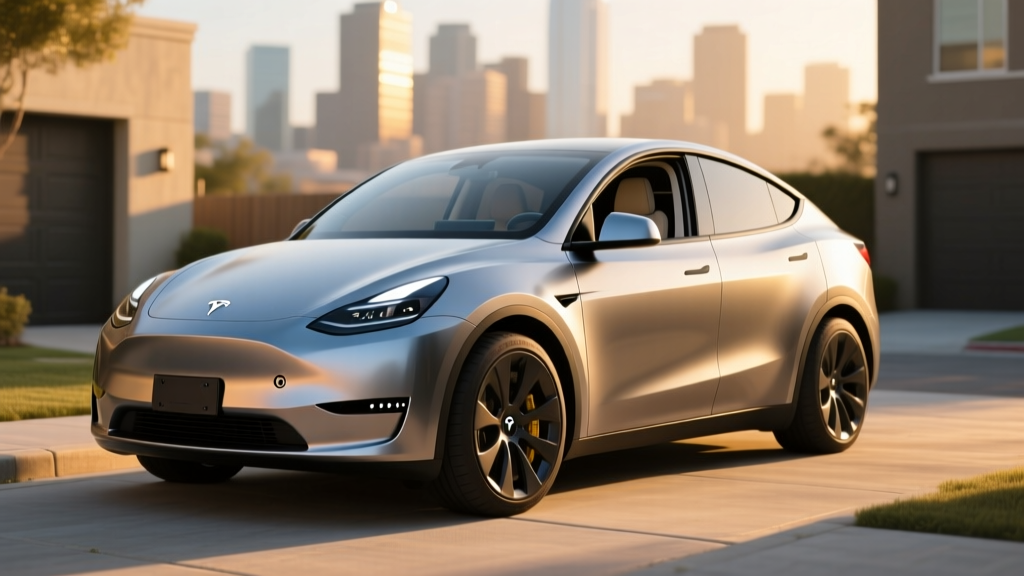
If you've searched "tesla failed" in the last year, you've probably seen a pile of forum threads about panel gaps, phantom braking, FSD promises, and service-center wait times. The 2026 Model Y (internally the Juniper refresh, rolled out globally through 2025-2026) is Tesla's answer to those complaints — tighter build, a ventilated-seat-and-ambient-light interior overhaul, acoustic glass, and a retuned suspension. But does it actually resolve the issues, or just paper over them? This review treats the 2026 Model Y Long Range AWD and Performance variants as they ship today, with the numbers that matter: real-world range, sustained DC fast-charge rates, §30D tax-credit eligibility under current IRS rules, and where the car still falls short versus the Hyundai Ioniq 5, Ford Mustang Mach-E, and Kia EV6.
Spec Table: 2026 Tesla Model Y At A Glance
| Spec | Long Range AWD | Performance |
|---|---|---|
| EPA Range | 320 mi | 293 mi |
| Battery (usable) | ~78 kWh, NMC | ~78 kWh, NMC |
| Drivetrain | Dual-motor AWD | Dual-motor AWD |
| Horsepower | ~384 hp | ~456 hp |
| 0-60 mph | 4.8 sec | 3.5 sec |
| Peak DC Fast Charge | 250 kW (Supercharger V3) | 250 kW |
| 10-80% DC Time | ~27 min | ~27 min |
| Level 2 Home Rate | 11.5 kW (~44 mi/hr) | 11.5 kW (~44 mi/hr) |
| MPGe (combined) | 111 MPGe | 102 MPGe |
| Efficiency | 28 kWh/100 mi | 31 kWh/100 mi |
| Cargo (rear seats up) | 30.2 cu ft | 30.2 cu ft |
| Cargo (seats folded) | 72.1 cu ft | 72.1 cu ft |
| Rear Legroom | 40.5 in | 40.5 in |
| Base MSRP | $44,990 | $48,990 |
| Warranty (basic) | 4 yr / 50,000 mi | 4 yr / 50,000 mi |
| Battery/Drive Unit | 8 yr / 120,000 mi | 8 yr / 120,000 mi |
Source: Tesla Model Y configurator, EPA fueleconomy.gov. Figures reflect 2026 model-year US trims.
Real-World Range vs. The EPA Sticker
EPA: 320 miles.
Real-world expectation: ~270-290 mi mixed highway, ~240-260 mi at sustained 75-80 mph, ~215-240 mi in sub-freezing winter with cabin heat. Performance trim subtracts roughly 25-35 mi across the board.
The 320-mile EPA figure is genuinely class-leading among compact electric SUVs, but EPA tests include generous low-speed city driving where regenerative braking pays dividends. On a flat 70-mph interstate loop at 72°F, expect 280-290 miles before the buffer gets uncomfortable. Push it to 80 mph with crosswinds and you're planning a stop around 250 miles. In 25°F weather with the heat pump running, the NMC pack loses roughly 20-28% of range — a structural reality of lithium-ion chemistry, not a Tesla-specific defect. Where Tesla historically failed here was in overpromising; the Juniper Model Y's range readout is now more conservative and accurate than the 2022-2024 cars, though still optimistic in cold.
Charging: 250 kW Peak, But Read The Curve
| Charging Level | Power / Rate | Typical Time / Miles Added |
|---|---|---|
| Level 1 (120V) | ~1.4 kW | ~5 mi/hr |
| Level 2 (240V, 48A) | 11.5 kW | ~44 mi/hr; 0-100% in ~9 hr |
| DC Fast (V3 Supercharger) | 250 kW peak | 10-80% in ~27 min |
| DC Fast (V4 Supercharger) | 250 kW peak (vehicle-limited) | Similar to V3 on this car |
| CCS Adapter at EA/Ionity | Up to 250 kW | Depends on station output |
The 2026 Model Y still uses a 400-volt-class architecture, so it cannot match the 800V Hyundai Ioniq 5's ~18-minute 10-80% time. Peak 250 kW is only sustained up to roughly 35-40% state of charge, after which the curve tapers: 40-60% averages ~180 kW, 60-80% drops to ~110 kW, and anything above 80% is a trickle. Tesla's NACS connector and native Supercharger network remain a real advantage in reliability — Tesla's Supercharger network has consistently outperformed Electrify America on uptime — but the Juniper Y does not close the charging-speed gap with 800V rivals. Home Level 2 at 11.5 kW is excellent, assuming your panel can support a 60A circuit (most modern 200A panels can; older 100A homes may need an upgrade).
Where Tesla Failed — And Where It Didn't
Search "tesla failed" and the top hits cluster around five issues. Here's how the 2026 Juniper Model Y addresses each:
- Panel gaps and paint: Fremont and Austin build quality has measurably improved since 2024, with tighter shut lines and fewer clear-coat complaints. Berlin-built Junipers (sold in Europe) are benchmark-quality. US cars are better than 2022, not yet Lexus-grade.
- Phantom braking on Autopilot: Still present occasionally. NHTSA investigations into Tesla's driver-assist behavior continue, and FSD (Supervised) remains a SAE Level 2 system requiring full driver attention — not self-driving.
- Service-center wait times: Improved in metro areas via mobile rangers, but body-shop turnaround after a collision can still stretch weeks in smaller markets.
- FSD value proposition: At $8,000 purchase or $99/mo, FSD Supervised still does not deliver point-to-point autonomy. Treat it as an advanced lane-centering-and-navigation-assist, not a chauffeur.
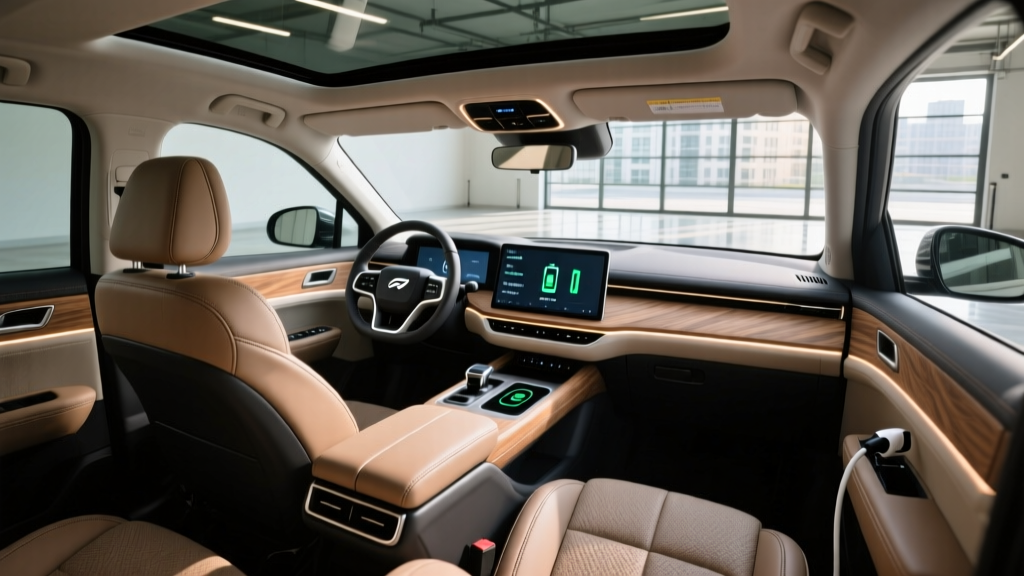
- Minimalist interior compromises: The Juniper refresh added ambient lighting, ventilated front seats, a rear touchscreen, and power-folding second row — addressing the "rental car" critique that dogged 2020-2024 Model Ys.
Pros
- Class-leading 320-mi EPA range (LR AWD)
- Supercharger network reliability
- Best-in-class cargo volume (72.1 cu ft)
- Excellent OTA update cadence
- Strong efficiency (28 kWh/100 mi)
Cons
- 250 kW peak charge rate trails 800V rivals
- FSD is Level 2, not autonomous — despite marketing
- Ride still firm on 20" wheels
- No Apple CarPlay / Android Auto
- Service turnaround uneven outside metros
Pricing And The §30D Federal Tax Credit
| Trim | Base MSRP | Destination | Est. §30D Credit | Effective Price |
|---|---|---|---|---|
| Long Range AWD | $44,990 | $1,390 | Up to $7,500 | ~$38,880 |
| Performance | $48,990 | $1,390 | Up to $7,500 | ~$42,880 |
The $7,500 figure is a ceiling, not a guarantee. Under current-year IRS §30D rules, eligibility depends on (1) buyer AGI caps ($150k single / $300k joint), (2) vehicle MSRP under the $80,000 SUV cap (both trims clear this easily), and (3) battery-critical-mineral and component sourcing thresholds that have tightened each year since 2024. Tesla publishes sourcing disclosures per model year; verify the current VIN-eligible list on the IRS site before signing. As of 2026, the credit can transfer at point of sale, reducing the dealer invoice rather than waiting on a tax return — a meaningful cash-flow benefit. State incentives (California, Colorado, etc.) stack on top but vary by jurisdiction; consult your state's energy office.
Model Y vs. Ioniq 5 vs. Mach-E: Who Wins Where?
| Category | 2026 Model Y LR | 2026 Ioniq 5 LR AWD | 2026 Mach-E ER AWD |
|---|---|---|---|
| EPA Range | 320 mi | 290 mi | 300 mi |
| 10-80% DC | ~27 min | ~18 min (800V) | ~32 min |
| Cargo (seats up) | 30.2 cu ft | 27.2 cu ft | 29.7 cu ft |
| Infotainment | Tesla OS (no CarPlay) | Hyundai + wireless CarPlay | Ford SYNC 4A + CarPlay |
| Charging Network | Native Supercharger | NACS adapter to SC | NACS adapter to SC |
| Tax Credit | Up to $7,500 | Up to $7,500 (US-built) | Up to $7,500 (Mexico-built sourcing varies) |
The Ioniq 5 wins on charging speed and interior materials; the Mach-E wins on steering feel and CarPlay integration; the Model Y wins on range, cargo, and Supercharger seamlessness. If you road-trip more than twice a year, the Supercharger advantage is still real, though Ford and Hyundai owners with NACS adapters now access the same stalls.
Who The 2026 Model Y Is Actually For
This is the default recommendation for a specific buyer: a two-adult-plus-kids household with home Level 2 charging, a commute under 80 miles round-trip, and at least one annual road trip over 400 miles. It is less ideal for buyers who prioritize plush ride quality (look at the Genesis GV70 Electrified), need Apple CarPlay, or want the fastest possible DC charging (Ioniq 5 / EV6 / Ioniq 6 on 800V). Towing is rated at 3,500 lbs — adequate for a small utility trailer or a pair of dirt bikes, not a 5,000-lb camper; range while towing drops roughly 40-50%.
Frequently Asked Questions
What is the real-world range of the 2026 Tesla Model Y?
EPA says 320 miles for Long Range AWD and 293 for Performance. Plan on 270-290 mi mixed driving, 240-260 mi at sustained highway speed, and 215-240 mi in freezing weather.
How fast does the 2026 Model Y charge?
Peak 250 kW on V3/V4 Superchargers, with 10-80% in about 27 minutes. Home Level 2 at 11.5 kW adds ~44 miles per hour of charging, fully replenishing overnight.
Does the 2026 Model Y qualify for the federal EV tax credit?
Yes, up to $7,500 under §30D, subject to buyer income caps, MSRP caps (it clears the $80k SUV threshold), and battery-sourcing requirements that shift each year. Verify on IRS.gov before purchase.
Is the 2026 Model Y worth buying over the Ioniq 5 or Mach-E?
Worth it if range, cargo space, and Supercharger access top your list. Pick the Ioniq 5 if you want faster DC charging and CarPlay; pick the Mach-E for steering feel and a more traditional cockpit.
Is Tesla's FSD actually self-driving?
No. FSD (Supervised) is a SAE Level 2 driver-assist system. You must keep your hands on or near the wheel and eyes on the road at all times. True Level 4 driverless service is offered by Waymo and Zoox in limited cities, not by Tesla.