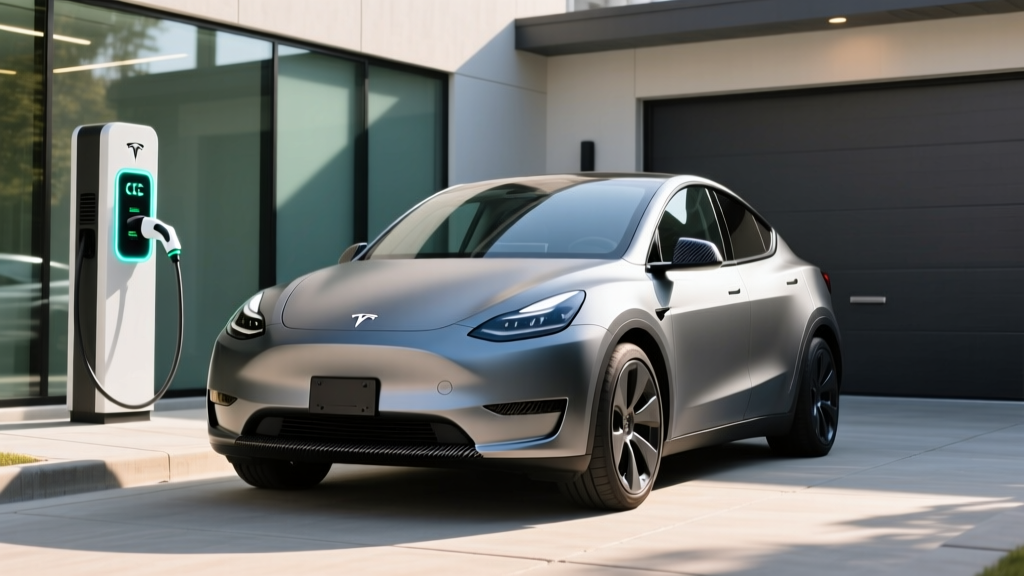
If you own a Tesla—or are about to buy one—the question of long-term protection eventually surfaces: is the Tesla extended warranty worth it? Tesla's Extended Service Agreement (ESA) promises coverage beyond the factory warranty, but at prices that can exceed $5,000. For a brand with relatively few moving parts but astronomically expensive battery and drive-unit replacements, the math isn't straightforward.
This guide dissects exactly what the Tesla ESA covers in 2026, what it excludes, what out-of-warranty repairs actually cost, and whether the numbers justify the premium. We'll also frame this against the baseline protection Tesla already provides—which is among the longest battery warranties in the industry.
Tesla's Factory Warranty Baseline: What You Already Have
Before evaluating any extended coverage, you need to know what Tesla includes at no extra cost. Every new Tesla sold in 2026 carries a tiered warranty structure that varies by model:
| Component | Model 3 / Model Y | Model S / Model X |
|---|---|---|
| Basic Vehicle Limited Warranty | 5 years / 60,000 miles | 4 years / 50,000 miles |
| Battery & Drive Unit Warranty | 8 years / 120,000 miles (Model 3 RWD) or 8 years / 100,000 miles (AWD) | 8 years / 150,000 miles |
| Battery Capacity Retention Guarantee | ≥70% capacity over warranty period | ≥70% capacity over warranty period |
The battery and drive unit coverage is the most critical component of any EV warranty, and Tesla's terms are competitive. According to Tesla's official warranty documentation, the company will replace or repair a battery that falls below 70% capacity within the warranty window—a threshold consistent with most competitors, though some like Hyundai offer 10-year/100,000-mile battery terms on the Ioniq 5.
What the Tesla Extended Service Agreement Actually Covers
The Tesla ESA extends the Basic Vehicle Limited Warranty—not the battery/drive unit warranty. It covers components like:
- Infotainment touchscreen and MCU (Media Control Unit)
- Power windows, mirrors, and door handles
- HVAC system (compressor, blower motor, heat pump)
- Steering rack and power steering components
- Suspension components (control arms, air suspension on Model S/X)
- 12V lithium auxiliary battery (replaced the legacy lead-acid in 2022+ models)
- Charge port and onboard charger
- Seat motors and seat heaters
- Glass and panoramic roof mechanisms
Notably excluded from the ESA:
- Battery pack and drive units (already covered under separate warranty)
- Tires, brake pads, wiper blades, and cabin air filters
- Cosmetic damage, paint, and interior wear
- Damage from accidents, misuse, or unauthorized modifications
- Software-related issues that don't involve hardware failure
ESA Pricing and Plan Options for 2026
Tesla offers the ESA in two tiers, purchasable only before the factory Basic Vehicle Warranty expires (within 4 years/50,000 miles for S/X, or 5 years/60,000 miles for 3/Y):
| Plan | Duration | Model 3 | Model Y | Model S | Model X |
|---|---|---|---|---|---|
| Basic ESA | +2 years / +25,000 mi | ~$2,500 | ~$2,500 | ~$3,500 | ~$3,500 |
| Premium ESA | +4 years / +50,000 mi | ~$4,000 | ~$4,000 | ~$5,500 | ~$5,500 |
Pricing has crept upward in recent years, and Tesla adjusts ESA costs periodically. Always confirm current pricing in your Tesla account under "Service > Extended Service Agreement." The ESA is non-transferable to subsequent private-party owners but does transfer if you trade in to Tesla.
Real Out-of-Warranty Repair Costs: The Data That Matters
To assess whether the ESA is worth it, you need real repair figures. Here's what Tesla owners report paying for common failures after the basic warranty expires, compiled from owner forums, RepairPal data, and service-center estimates:
| Component | Estimated Repair Cost | Failure Frequency |
|---|---|---|
| MCU / Touchscreen replacement | $1,800 – $2,500 | Moderate (especially 2018–2020 models) |
| Air suspension (per corner, Model S/X) | $1,500 – $2,200 | High (70,000+ miles) |
| Heat pump / HVAC compressor | $1,200 – $2,000 | Low-moderate |
| Steering rack replacement | $1,500 – $2,500 | Low |
| Onboard charger failure | $1,000 – $1,800 | Low |
| Power window regulator | $400 – $700 | Moderate |
| Drive unit (out of warranty) | $5,000 – $8,000 | Very low |
| Battery pack (out of warranty) | $12,000 – $20,000+ | Very low within 150k miles |
The pattern is clear: catastrophic components (battery, drive unit) rarely fail within the vehicle's first 150,000 miles based on Tesla's published fleet degradation data and third-party analyses. The components that do fail—screens, suspension, HVAC—are expensive but typically fall in the $1,000–$2,500 range per incident.
Is the Tesla Extended Warranty Worth It? The Math
Let's model two realistic scenarios for a Model Y Long Range owner considering the Premium ESA at approximately $4,000:
Scenario A: One Major Failure
Your MCU screen develops dead pixels at year 6. Repair cost: $2,200.
Net ESA value: You save $2,200, but paid $4,000. Net loss: -$1,800.
Scenario B: Multiple Failures (Model S/X with Air Suspension)
Two air strut failures at years 6 and 7 ($3,800 combined), plus an HVAC compressor at year 8 ($1,600). Total repairs: $5,400.
Net ESA value: You save $5,400, paid $5,500 for Premium ESA. Roughly break-even.
For Model 3 and Model Y owners, the expected value of the ESA is generally negative—you'll likely pay more than you recover unless you experience two or more significant component failures. Model S and Model X owners face higher repair exposure, particularly with air suspension, making the ESA a closer call.
Who Should Buy the Tesla ESA?
Buy the ESA if:
- You own a Model S or Model X with air suspension
- You plan to keep the vehicle past 80,000 miles
- You have low risk tolerance for surprise $2,000+ repair bills
- You lack a trusted independent EV repair option in your area
- You value the convenience of Tesla Service Center handling with no negotiation
Skip the ESA if:
- You own a Model 3 or Model Y (simpler suspension, fewer high-cost failure points)
- You plan to sell or trade before 80,000 miles
- You're comfortable self-insuring by setting aside $3,000–$5,000
- You have access to a qualified independent EV technician
- You're leasing (the lease company bears residual-value risk, not you)
Alternatives to the Tesla ESA
Tesla's ESA isn't your only option. Consider these approaches:
Self-insurance fund: Deposit $200/month into a dedicated savings account. Over 4 years, you'll accumulate $9,600—more than enough for most single-repair scenarios, with leftover funds if nothing breaks.
Third-party extended warranties: Companies like CARCHEX, Endurance, and Olive offer EV-compatible plans, but coverage varies wildly. Read exclusion lists carefully—many third-party plans specifically exclude "high-voltage components" or limit EV coverage to basic electrical. Verify that the plan covers Tesla-specific components like the MCU, onboard charger, and heat pump before purchasing.
Credit card extended warranty benefits: Some premium credit cards (e.g., Chase Sapphire Reserve, American Express Platinum) extend manufacturer warranties by up to one additional year at no cost. This won't replace an ESA but can bridge the gap between factory and ESA eligibility windows for specific component purchases.
Frequently Asked Questions
Can I buy the Tesla extended warranty after my basic warranty expires?
No. You must purchase the ESA before your Basic Vehicle Limited Warranty expires—within 4 years/50,000 miles for Model S/X, or 5 years/60,000 miles for Model 3/Y. Once that window closes, the ESA is no longer available from Tesla.
Does the Tesla extended warranty cover the battery?
No. The battery pack and drive unit are covered under a separate, longer warranty (8 years / 100,000–150,000 miles depending on model). The ESA only extends the Basic Vehicle Limited Warranty for non-drivetrain components.
Is the Tesla extended warranty transferable to a new owner?
The ESA transfers if you trade the vehicle back to Tesla but is generally not transferable in a private-party sale. This limits its value as a resale enhancement unless the buyer purchases through Tesla's used inventory.
What's the deductible on Tesla's extended warranty?
Tesla's ESA carries no deductible for covered repairs. This is an advantage over many third-party plans that impose $100–$250 per-visit deductibles.
Do Tesla vehicles break down often enough to justify an extended warranty?
Tesla's reliability has improved with the Model 3 and Model Y refresh cycles (2021+), but older Model S and Model X vehicles have documented higher failure rates for air suspension, MCU screens, and door handles. According to Consumer Reports reliability surveys, Tesla as a brand ranks mid-pack—better than some legacy automakers, behind Toyota and Lexus. The frequency of expensive failures is the key variable, not just the total number of issues.
Will third-party repair shops work on Teslas?
Increasingly yes, but with caveats. High-voltage system work requires specialized training and certification. Independent shops like Electrified Garage and some regional EV specialists can handle suspension, brakes, and 12V electrical work at lower labor rates than Tesla Service Centers. However, proprietary diagnostics and software-locked components often require Tesla's involvement, which limits your independent-repair options for MCU, Autopilot hardware, and firmware-related issues.