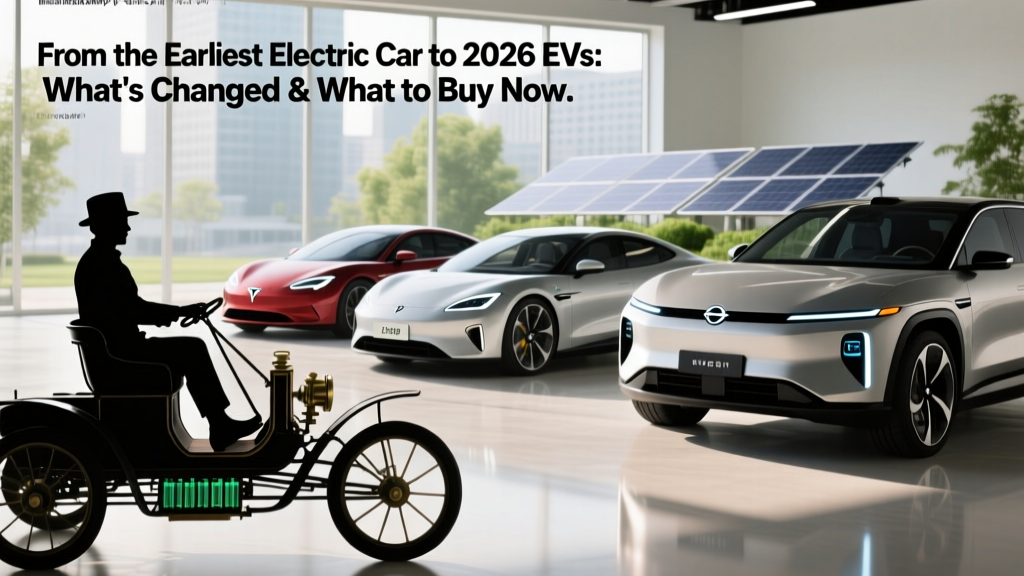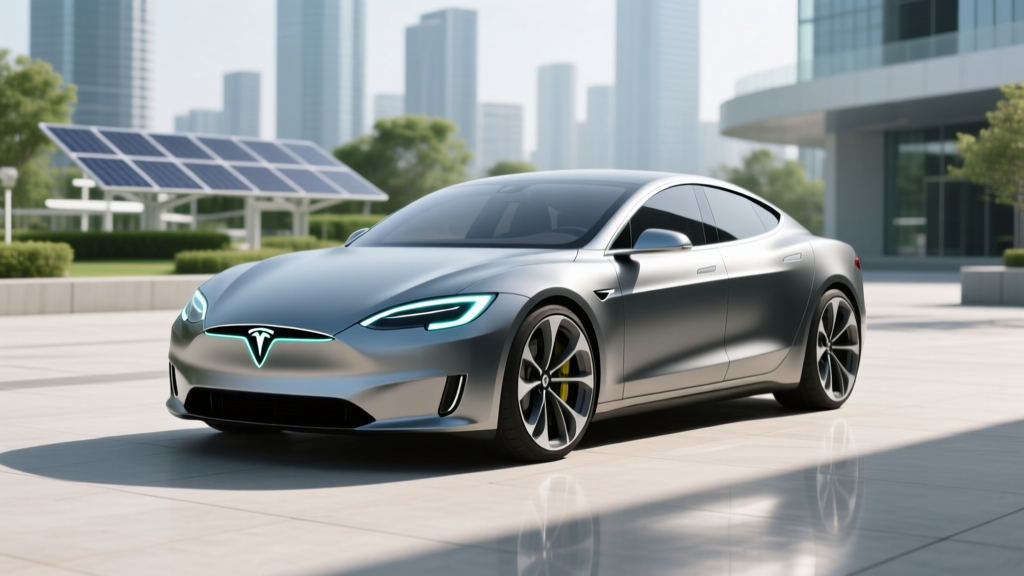
The search volume for a "Tesla expected new model 2 door" has surged as enthusiasts and industry analysts look for the next evolution in the EV market. While Tesla currently focuses on high-volume sedans and SUVs, the concept of a 2-door electric coupe—potentially a next-generation Roadster or a sporty Model 3 derivative—remains a topic of intense speculation. This profile explores the technical feasibility, projected specifications, and market reality of a 2-door Tesla in the 2026 landscape.
Is a Tesla 2-Door Coupe Actually Coming?
As of early 2026, Tesla has not officially released a production-spec 2-door coupe to the mass market. The Tesla Roadster (second generation) remains in the "announced" category, with CEO Elon Musk confirming its eventual production but facing repeated delays. Alternatively, rumors persist regarding a performance-oriented 2-door variant based on the next-generation platform (often referred to as "Redwood"). For buyers, this means any current specifications are preliminary estimates based on Tesla's existing powertrain technology and industry trends.
Projected Range Reality
EPA Estimate (Target): 350–500 miles (depending on battery pack).
Real-World Expectation: In high-speed highway driving (75+ mph), expect a 15–20% reduction. In freezing temperatures, a 30% loss is common for performance-oriented tire compounds and aerodynamic trade-offs.
Projected Specs: Battery and Performance
Based on Tesla's current 4680 cell architecture and the "Plaid" powertrain lineage, we can extrapolate the likely hardware for a high-end 2-door model.
| Feature | Estimated Spec (Performance Trim) |
|---|---|
| Battery Capacity | ~100 kWh (Usable) / NMC Chemistry |
| Drivetrain | Tri-Motor AWD (Plaid-style) |
| Horsepower | 1,000+ HP |
| 0-60 mph | < 2.0 seconds (with rollout) |
| Top Speed | 250+ mph |
Charging Speed and Infrastructure
A 2-door Tesla would almost certainly utilize the NACS (North American Charging Standard) connector and support the V4 Supercharger network. While peak speeds are impressive, the charge curve is critical for road trips.
- Max DC Rate: Expected 350 kW peak (requires V4 cabinet and preconditioning).
- 10-80% Time: Approximately 18–22 minutes.
- Level 2 Home Charging: 11.5 kW (44 miles of range per hour) using a Tesla Wall Connector on a 60-amp circuit.
Pricing and Tax Credit Eligibility
The most significant hurdle for a Tesla 2-door is the IRS §30D Federal Tax Credit. The credit is capped at $7,500 and has strict MSRP limits.
Market Position: Who is this for?
A 2-door EV is a niche product. It suits the "weekend warrior" or the enthusiast who prioritizes performance over the utility of a Model Y. However, the lack of rear-seat accessibility and reduced cargo volume (likely under 10 cu ft) makes it a secondary vehicle for most households.
Pros and Cons of a 2-Door EV
Pros
- Unmatched performance and handling dynamics.
- Lower aerodynamic drag (potential for high efficiency).
- Exclusive design and "halo car" status.
Cons
- Likely ineligible for the $7,500 federal tax credit.
- Impractical for daily family use or cargo.
- High insurance premiums for 1,000+ HP vehicles.
Frequently Asked Questions
Is the Tesla Roadster the only 2-door option?
Currently, the Roadster is the only confirmed 2-door project, but its $200,000+ price tag puts it in a different league. A more affordable 2-door would require a new platform or a significant modification of the Model 3 architecture.
How does a 2-door EV compare to gas coupes?
EVs offer instant torque and a lower center of gravity, providing superior acceleration and cornering stability compared to internal combustion rivals like the Porsche 911 or BMW M4, though they carry a weight penalty due to the battery.
What is the biggest risk in pre-ordering?
Tesla's production timelines are notoriously fluid. Buyers may wait several years for delivery, during which time battery technology and competitor offerings may evolve significantly.