The End of an Era: Tesla Dropped the Model S
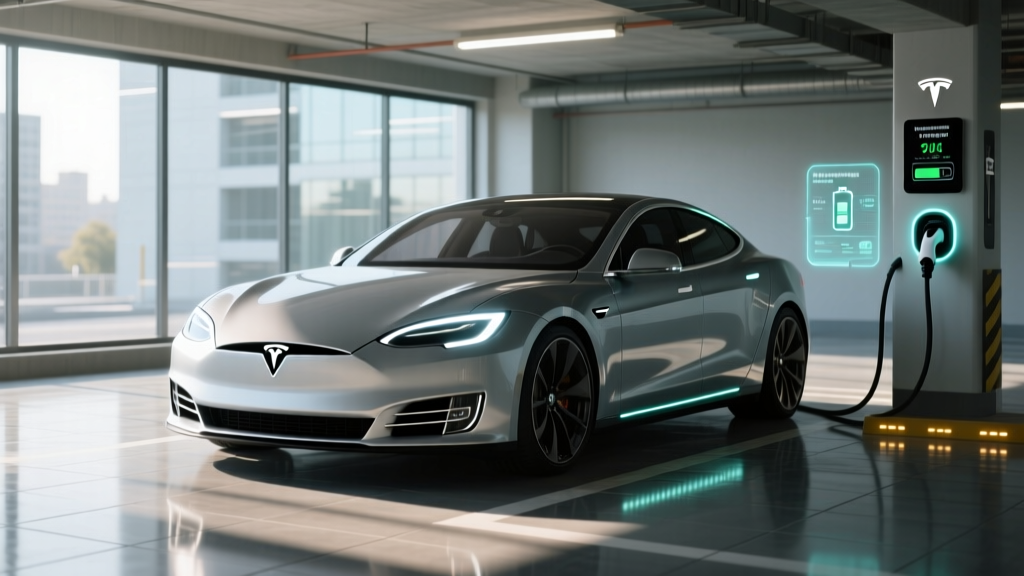
For over a decade, the Tesla Model S defined what a luxury electric sedan could be — from its groundbreaking 2012 debut to the 1,020-horsepower Plaid variant that embarrassed supercars at stoplights. But as of early 2026, Tesla dropped the Model S from its new-vehicle lineup in the United States, quietly removing it from the configurator and shifting showroom focus entirely to the Model 3, Model Y, Cybertruck, and the refreshed Model S successor platform still in development.
This isn't just a product discontinuation — it's a signal about where Tesla sees the market heading. The luxury sedan segment is contracting in favor of SUVs and crossovers, and the Model S, despite its engineering brilliance, was selling in dwindling volumes against increasingly competent rivals like the Lucid Air, BMW i7, Mercedes EQS, and Porsche Taycan. For buyers who were eyeing a Model S or considering the used market, here's everything you need to know about what Tesla dropped, what remains available, and where to direct your dollars in 2026.
What Tesla Dropped — and What's Still Available
The Model S was offered in two trims through its final model year: the Long Range (dual-motor AWD) and the Plaid (tri-motor AWD). Here's a snapshot of what the final production specs looked like before discontinuation:
| Spec | Long Range | Plaid |
|---|---|---|
| EPA Range | 402 miles | 396 miles |
| Battery (usable) | ~100 kWh, NMC | ~100 kWh, NMC |
| Drivetrain | Dual-Motor AWD | Tri-Motor AWD |
| Horsepower | 670 hp | 1,020 hp |
| 0–60 mph | 3.1 sec | 1.99 sec |
| Peak DC Charge Rate | 250 kW | 250 kW |
| 10–80% DCFC Time | ~28 min | ~28 min |
| Level 2 Home Rate | 11.5 kW (~44 mi/hr) | 11.5 kW (~44 mi/hr) |
| MPGe (combined) | 120 MPGe | 116 MPGe |
| Base MSRP (final) | $74,990 | $89,990 |
| Battery Warranty | 8 yr / 150,000 mi | 8 yr / 150,000 mi |
Source: fueleconomy.gov and Tesla's final published spec sheets.
Real-World Range: What the EPA Number Doesn't Tell You
Real-World Highway (70 mph, mild weather): ~330–355 miles
Real-World Highway (cold weather, 30°F): ~265–295 miles
City / Mixed Commute: ~370–400 miles (regen-heavy driving recovers energy)
The Model S Long Range's 402-mile EPA rating was among the highest of any production EV ever sold. But as with every EV, real-world results depend heavily on speed, temperature, and terrain. At sustained highway speeds above 70 mph, the large sedan's aerodynamic advantage erodes — expect roughly 330–355 miles on a full charge in temperate conditions.
Cold weather is the bigger penalty. In sub-freezing temperatures, battery chemistry (NMC in this case) becomes less efficient, and cabin heating draws significant energy even with the Model S's standard heat pump. On a 30°F winter highway run, plan for 265–295 miles before you need to stop. That's still exceptional range by any EV standard, but it's a far cry from the 402-mile sticker.
For city driving and stop-and-go commuting, regenerative braking recovers substantial energy, and you'll often approach or even match the EPA figure. The Model S's efficiency of roughly 28–30 kWh/100 mi (Long Range) was best-in-class for a vehicle of its size and performance.
Charging Speed: Still Fast, but No Longer Class-Leading
| Charging Level | Power / Rate | Miles Added per Hour | Notes |
|---|---|---|---|
| Level 1 (120V) | ~1.4 kW | ~4–5 mi/hr | Emergency/trickle only |
| Level 2 (240V, 48A) | 11.5 kW | ~44 mi/hr | Full overnight charge in ~9 hrs |
| DC Fast Charge | 250 kW peak | ~750 mi/hr (peak) | 10–80% in ~28 min |
The Model S peaked at 250 kW on V3 Superchargers. That's respectable, but by 2026 standards it's no longer the benchmark. The Hyundai Ioniq 5 and Kia EV6 hit 800V architectures capable of 350 kW peaks, and the Lucid Air charges at up to 300+ kW. The Model S's 10–80% time of roughly 28 minutes was adequate for road trips but trailed the 18-minute 10–80% times of the fastest-charging competitors.
One advantage the Model S retained: access to Tesla's Supercharger network, which remains the most reliable and widespread DC fast-charging ecosystem in North America, even as other networks like Electrify America and EVgo have expanded significantly.
Why Tesla Dropped the Model S — Market Context
Several factors converged to push Tesla toward discontinuation:
- Declining sedan demand: US buyers continue shifting to SUVs and trucks. The Model Y became the world's best-selling vehicle for a reason — utility and ride height win.
- Intense luxury competition: The Lucid Air (up to 516 miles EPA), BMW i7, Mercedes EQS, and Porsche Taycan all offered compelling alternatives with fresher interiors, more advanced driver-assist features, or superior build quality.
- Aging platform: Despite refreshes, the Model S's core architecture dated back to 2012. Interior materials, panel gaps, and NVH (noise/vibration/harshness) increasingly lagged behind German and Lucid competitors at the $80K+ price point.
- Margin pressure: Low-volume production of a complex platform (especially the tri-motor Plaid) became harder to justify when Tesla needed to invest in next-generation vehicles at scale.
Tesla has not announced a direct sedan successor timeline. The company's public roadmap emphasizes the next-generation compact platform, expanded Cybertruck variants, and autonomous robotaxi development.
Tax Credit and Pricing: What Buyers Paid — and What Used Models Cost Now
| Scenario | Price Range | Federal §30D Credit |
|---|---|---|
| New Long Range (final MSRP) | $74,990 | Not eligible — exceeded MSRP cap ($55K sedan cap) |
| New Plaid (final MSRP) | $89,990 | Not eligible — exceeded MSRP cap |
| Used Model S (2022–2025, dealer) | $42,000–$68,000 | Up to $4,000 used-EV credit (30% of sale price, max $4K) if income caps met |
An important point about IRS §30D rules: the Model S never qualified for the new-vehicle federal tax credit during its final years because its MSRP far exceeded the $55,000 sedan cap. Buyers with household incomes under $300,000 (joint filers) purchasing a qualifying used Model S from a dealer may be eligible for the used clean vehicle credit — 30% of the sale price up to $4,000 — subject to battery sourcing requirements and dealer reporting. Always consult a tax professional before assuming eligibility.
Competitors to Consider Instead
If you were shopping for a Model S or now find yourself without that option, here's where the luxury EV sedan market stands in 2026:
- Lucid Air Pure / Touring: 419–516 miles EPA range, up to 300+ kW DC charging, starting around $69,900. The closest spiritual successor to the Model S's range-and-efficiency mission, with a more premium interior.
- BMW i7 eDrive50: ~318 miles EPA, starting ~$105,700. Flagship luxury with exceptional ride quality and Level 2 Highway Assistant, but at a steep premium.
- Mercedes-Benz EQS 450+: ~352 miles EPA, starting ~$104,400. Tech-forward cabin with the Hyperscreen, but depreciation has been steep.
- Porsche Taycan (2025+ refresh): Up to ~318 miles EPA (with Performance Battery Plus), 320 kW peak DC charging. The driver's choice — engaging dynamics at the cost of some range.
- Tesla Model 3 Performance: ~315 miles EPA, starting ~$52,990. If you want to stay in the Tesla ecosystem at a fraction of the Model S price, the refreshed Model 3 Performance delivers 510 hp and a 2.9-second 0–60.
Pros and Cons of the Model S (Final Production)
Pros
- Class-leading 402-mile EPA range (Long Range)
- Access to Tesla Supercharger network
- Plaid's 1,020 hp / 1.99s 0–60 is supercar-destroying performance
- Spacious interior with 28 cu ft cargo (rear seats folded) + front trunk
- Over-the-air updates kept features fresh for years
- Strong battery warranty: 8 years / 150,000 miles
Cons
- 250 kW peak DC charging trails 800V competitors
- Interior quality didn't match the $75K–$90K price vs. German rivals
- Yoke steering option was polarizing and not universally preferred
- No new-vehicle federal tax credit eligibility (MSRP cap)
- Autopilot / FSD (Supervised) remains SAE Level 2 — driver must stay engaged
- Discontinuation means potential long-term parts and service uncertainty
Who Should Still Buy a (Used) Model S in 2026?
The Model S still makes sense for a specific buyer profile:
- Road-trip enthusiasts who value the combination of 350+ real-world miles and Supercharger access above all else.
- Performance seekers on a budget — a used Plaid delivers hypercar acceleration for the price of a mid-tier luxury SUV.
- Tesla ecosystem loyalists who rely on the app, Supercharger network, and software integration and aren't ready to switch brands.
- Large-sedan commuters who need rear-seat space (38.1 inches of rear legroom) and a usable frunk plus trunk for gear.
It's less ideal for buyers who prioritize cutting-edge interior luxury, the fastest available charging, or the reassurance of a current-production warranty backed by an actively marketed model.
Frequently Asked Questions
What is the real-world range of the Tesla Model S?
The EPA rated the Long Range at 402 miles and the Plaid at 396 miles. In real-world highway driving at 70 mph, expect 330–355 miles in mild weather and 265–295 miles in freezing conditions. City driving with regenerative braking can approach the EPA sticker.
How fast does the Model S charge?
On a V3 Supercharger or equivalent 250 kW DC fast charger, the Model S charges from 10–80% in approximately 28 minutes. At home on a 240V/48A Level 2 charger, it adds about 44 miles of range per hour, fully recharging overnight in roughly 9 hours.
Does the Model S qualify for the federal EV tax credit?
As a new vehicle, the Model S did not qualify for the §30D credit because its MSRP exceeded the $55,000 sedan cap. Used Model S vehicles (model years 2022–2025) purchased from a licensed dealer may qualify for the used clean vehicle credit of up to $4,000, subject to buyer income caps ($150K single / $300K joint) and battery component sourcing rules. Check IRS guidance and consult a tax professional.
Is a used Model S worth buying vs. competitors?
If you value range, Supercharger access, and straight-line performance, a used Model S Long Range in the $45,000–$55,000 range is compelling. However, a new Lucid Air Pure offers comparable range with a warranty and current-production support, and the refreshed Tesla Model 3 Performance delivers similar acceleration for less. Test-drive both before committing.
What are the biggest pros and cons?
Pros: exceptional range, Supercharger network, Plaid performance, spacious cabin, OTA updates. Cons: 250 kW charging is no longer best-in-class, interior quality trails luxury rivals, yoke steering is divisive, discontinuation raises long-term service questions, and new vehicles never qualified for the federal tax credit.
What does Tesla's driver-assist system actually do?
Tesla's Autopilot and FSD (Supervised) are SAE Level 2 driver-assistance systems. They provide lane centering, adaptive cruise control, and assisted navigation on highways, but the driver must remain fully attentive with hands on the wheel and eyes on the road at all times. This is not self-driving. Only Level 4 services like Waymo operate without a human driver, and those are limited to specific geofenced areas.