The Discontinuation Rumors: What's Actually Happening in 2026?
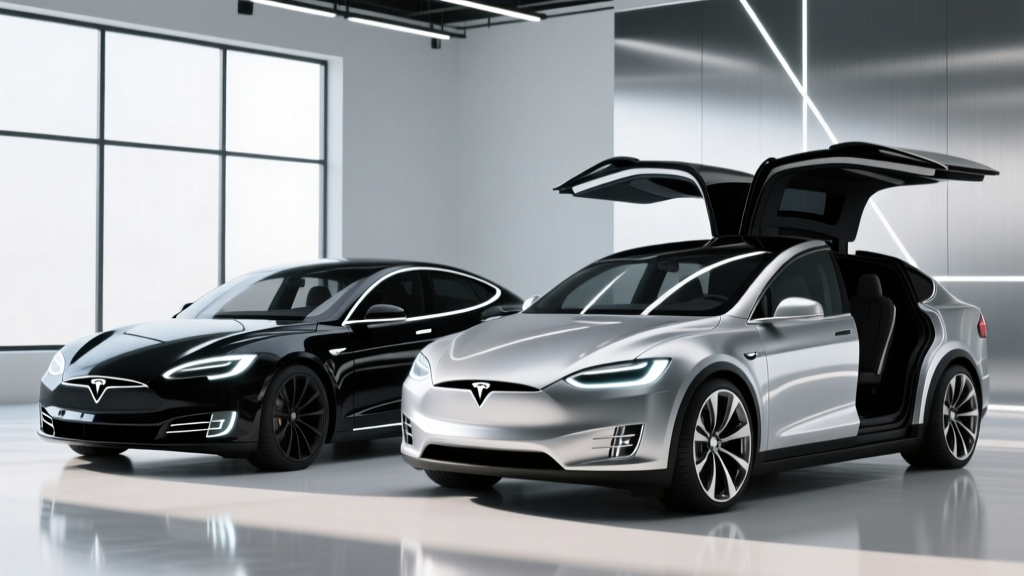
Search "tesla discontinuing" and you'll find years of speculation that the Model S sedan and Model X SUV are finally being retired. Elon Musk himself has periodically hinted that these legacy platforms — the oldest in Tesla's current lineup — may eventually give way to newer architectures. As of early 2026, however, both the Model S and Model X remain on sale at tesla.com, configurator open, deliveries ongoing. What has changed is their strategic position: Tesla's volume and engineering focus has shifted decisively to the Model 3, Model Y, Cybertruck, and the upcoming next-generation compact platform. The S and X are now low-volume, premium-niche products — still buyable, but increasingly vestigial in Tesla's broader roadmap.
This review covers the 2026 Tesla Model S (Long Range and Plaid) as the vehicle most likely to face discontinuation first, with notes on the Model X where relevant. If you're considering one, the question isn't just "is it good?" but "will parts, service, and resale value hold up if Tesla pulls the plug in the next 12–24 months?"
2026 Tesla Model S: Core Specifications at a Glance
| Spec | Long Range (Dual Motor AWD) | Plaid (Tri-Motor AWD) |
|---|---|---|
| EPA Range | 402 miles | 396 miles |
| Battery (usable) | ~100 kWh (NMC) | ~100 kWh (NMC) |
| Horsepower | 670 hp | 1,020 hp |
| 0–60 mph | 3.1 seconds | 1.99 seconds |
| Top Speed | 155 mph | 200 mph |
| Drivetrain | Dual Motor AWD | Tri-Motor AWD |
| Max DC Fast Charge | 250 kW (peak) | 250 kW (peak) |
| 10–80% DC Time | ~30 minutes | ~30 minutes |
| Level 2 Home Charge | 11.5 kW (~41 mi/hr) | 11.5 kW (~41 mi/hr) |
| MPGe (combined) | 120 MPGe | 116 MPGe |
| Efficiency | 28 kWh/100 mi | 29 kWh/100 mi |
| Cargo (rear + frunk) | 28 cu ft rear + ~3 cu ft frunk | 28 cu ft rear + ~3 cu ft frunk |
| Seating | 5 passengers | 5 passengers |
| Base MSRP | $74,990 | $89,990 |
| Battery Warranty | 8 yr / 150,000 mi (70% retention) | 8 yr / 150,000 mi (70% retention) |
Sources: fueleconomy.gov, Tesla.com configurator (2026 model year).
Real-World Range: What the EPA Number Doesn't Tell You
EPA Sticker: 402 miles (Long Range) / 396 miles (Plaid)
Real-World Expectation: 320–360 miles on highway road trips at 70–80 mph; 280–310 miles in sub-freezing winter conditions.
The Model S's 402-mile EPA figure remains one of the highest of any production EV sold in the US. But EPA tests include generous city-cycle weighting and moderate speeds. In sustained highway driving — the scenario that actually causes range anxiety — expect to use 300–340 Wh/mi, which translates to roughly 320–340 real miles on a full 100 kWh pack. Cold weather (below 32°F) can reduce usable range by 15–25% due to cabin heating and battery chemistry limitations, even with Tesla's heat pump standard on recent builds.
The Plaid's tri-motor setup is slightly less efficient (29 kWh/100 mi vs. 28 for Long Range), and aggressive driving will push consumption well above 350 Wh/mi. If you commute 40 miles round-trip in mild weather, you'll charge every 7–8 days. If you road-trip frequently in winter, plan stops every 260–280 miles.
Charging Speed: Still Competitive, No Longer Class-Leading
| Charging Level | Power / Rate | Time or Miles Added |
|---|---|---|
| Level 1 (120V outlet) | ~1.4 kW | ~5 miles per hour |
| Level 2 (240V, 48A Wall Connector) | 11.5 kW | ~41 miles per hour; full charge ~9 hours |
| DC Fast Charge (V3 Supercharger) | 250 kW peak | 10–80% in ~30 min; ~200 miles in 15 min |
| DC Fast Charge (V4 Supercharger) | Up to 250 kW (vehicle-limited) | Same as V3; S does not support higher rates |
The Model S's 250 kW peak DC rate was impressive in 2020. In 2026, it's mid-pack: the Hyundai Ioniq 5 and Porsche Taycan both accept higher peak rates (350 kW on the Taycan, sustained better due to 800V architecture), and Tesla's own Cybertruck uses an 800V+ architecture for faster charging. The Model S's 400V electrical system limits it to the 250 kW ceiling, and the charge curve tapers sharply above 60% State of Charge (SoC). A typical 10–80% session at a V3 Supercharger takes roughly 30 minutes — adequate for road trips, but noticeably slower than the 18–20 minute sessions possible in newer 800V EVs.
At home, the 11.5 kW Level 2 rate via Tesla's Wall Connector is solid. A full overnight charge from 20% to 100% takes about 7–8 hours. If your home electrical panel is limited to a 32A circuit (7.7 kW), expect closer to 28 miles per hour of charging and a 12-hour full charge.
Performance, Interior, and Tech: Premium, But Showing Its Age
The Plaid's 1,020 hp and 1.99-second 0–60 time remain absurdly quick — legitimately supercar-rivaling acceleration in a four-door sedan. The Long Range's 670 hp and 3.1-second sprint is also plenty fast for any real-world use. Both trims use adaptive air suspension, which provides a comfortable ride and adjustable ground clearance.
Inside, the 17-inch landscape touchscreen, yoke steering (now optional alongside a round wheel), and minimalist dashboard carry over. The 2026 Model S includes:
- 17-inch center touchscreen + 8-inch rear passenger screen
- 22-speaker audio system
- HEPA air filtration (Bioweapon Defense Mode)
- Wireless phone charging, ventilated front seats
- Autopilot standard; Full Self-Driving (Supervised) available as a $8,000 option or $99/month subscription
Autopilot / FSD Clarification: Tesla's Autopilot and FSD (Supervised) are SAE Level 2 driver-assistance systems. The driver must remain fully engaged, hands on or near the wheel, and eyes on the road at all times. These are not self-driving systems. Only Level 4 services like Waymo operate without a human driver.
Notable drawbacks: The Model S's interior materials, while improved, still don't match the build quality of a Mercedes EQS or BMW i7 at this price point. Panel gaps remain a known Tesla quirk. The yoke steering is polarizing and can be awkward at low speeds. Rear-seat headroom is tighter than competitors due to the sloping roofline. And critically, the platform architecture dates to 2012 — refreshed heavily in 2021, but fundamentally the same chassis.
Pricing, Tax Credits, and Total Cost of Ownership
| Trim | Base MSRP | Destination | As-Tested (typical) | §30D Federal Credit |
|---|---|---|---|---|
| Long Range AWD | $74,990 | $1,390 | $78,000–$82,000 | Not eligible (MSRP exceeds $55,000 sedan cap) |
| Plaid AWD | $89,990 | $1,390 | $95,000–$102,000 | Not eligible (MSRP exceeds $55,000 sedan cap) |
Federal tax credit reality: Under IRS §30D rules, new clean vehicle credits are capped at $55,000 MSRP for sedans. The Model S, as a sedan, far exceeds this threshold and does not qualify for the up-to-$7,500 federal tax credit. This is a significant cost disadvantage versus luxury SUVs (which have an $80,000 MSRP cap) and makes the Model S a full-price purchase for most buyers. Income caps ($150K single / $300K joint AGI) and battery critical-mineral sourcing rules further restrict credit availability even for eligible vehicles.
5-year ownership cost estimate (Long Range, 15K miles/year):
- Purchase: ~$78,000 (no credit)
- Electricity (home charging, $0.14/kWh national avg): ~$4,700
- Insurance (luxury EV avg): ~$14,000
- Maintenance (tires, cabin filter, wiper fluid): ~$1,800
- Estimated depreciation (5 yr): ~$38,000 (high — luxury EVs depreciate steeply)
- Estimated 5-year total cost: ~$98,500
Compared to a BMW i7 or Mercedes EQS, the Model S is cheaper to fuel and maintain but carries similar insurance costs and potentially steeper depreciation if discontinuation fears weigh on resale values.
Who Should Buy the Model S — and Who Should Wait?
Buy the Model S if:
- You want 400+ miles of EPA range in a sedan and refuse to compromise
- You need Supercharger network access for frequent long-distance travel
- You value the Plaid's performance and don't care about badge prestige vs. Porsche/Mercedes
- You can charge at home and have a use case for a large luxury sedan
Consider alternatives (or wait) if:
- Discontinuation risk worries you — parts availability and resale could suffer within 3–5 years
- You want the latest 800V charging architecture and sub-20-minute DC sessions
- Interior build quality and traditional luxury materials are priorities
- You need a federal tax credit — the sedan MSRP cap disqualifies the Model S
Pros and Cons: The Honest Summary
Pros
- Class-leading 402-mile EPA range (Long Range)
- Access to Tesla's Supercharger network (now with NACS adapter compatibility for other EVs, but native for Tesla)
- Plaid performance is legitimately supercar-rivaling
- Over-the-air updates keep software current
- Spacious cargo area with hatchback practicality (28 cu ft + frunk)
- Heat pump standard — better cold-weather efficiency
Cons
- No federal §30D tax credit (sedan MSRP cap: $55K)
- 250 kW DC peak is mid-pack in 2026; 400V architecture limits charging speed
- Platform dates to 2012; discontinuation risk is real within 1–3 years
- Interior quality doesn't match German luxury competitors at this price
- Yoke steering polarizing; round wheel should be standard
- High depreciation likely if production ends
Key Competitors: How the Model S Stacks Up
| Spec | Tesla Model S LR | BMW i7 eDrive50 | Mercedes EQS 450+ | Lucid Air Pure |
|---|---|---|---|---|
| EPA Range | 402 mi | 318 mi | 350 mi | 419 mi |
| Base MSRP | $74,990 | $105,700 | $104,400 | $69,900 |
| DC Fast Charge Peak | 250 kW | 195 kW | 200 kW | 220 kW |
| 0–60 mph | 3.1 sec | 4.5 sec | 5.9 sec | 3.8 sec |
| Federal Credit Eligible | No | No | No | No (sedan cap) |
The Lucid Air Pure is the most direct threat: more range, lower price, and a more modern 900V+ architecture. The BMW i7 and EQS offer far superior interior luxury but sacrifice range and cost significantly more. The Model S occupies an awkward middle ground — not the most luxurious, not the cheapest, not the fastest-charging, but still the range king among sedans with the Supercharger network advantage.
Frequently Asked Questions
Is Tesla actually discontinuing the Model S in 2026?
As of early 2026, no official discontinuation has been announced. Both the Model S and Model X remain available for order. However, Tesla's production volume for these models has been declining, and industry analysts widely expect production to end within the next 1–3 years as Tesla focuses on higher-volume, newer-platform vehicles.
What is the real-world range of the 2026 Model S?
EPA rates the Long Range at 402 miles. In real-world highway driving at 70–80 mph, expect 320–360 miles. In cold weather (below 32°F), plan for 280–310 miles on a full charge.
How fast does the Model S charge at home and on the road?
At home on a 240V Level 2 Wall Connector (48A), the Model S charges at 11.5 kW, adding about 41 miles per hour. On a V3 Supercharger, it peaks at 250 kW DC and charges from 10–80% in approximately 30 minutes.
Does the Tesla Model S qualify for the federal EV tax credit?
No. Under IRS §30D rules, sedans must have an MSRP at or below $55,000 to qualify for the up-to-$7,500 new clean vehicle credit. The Model S starts at $74,990, well above the cap. Always verify current rules at irs.gov and consult a tax professional.
Is the Model S worth buying if it might be discontinued?
If you love the car and plan to keep it 7+ years, discontinuation matters less — Tesla is legally required to support safety recalls, and third-party parts suppliers will fill gaps. But if you plan to sell in 3–4 years, resale value could take a hit. The Supercharger network will remain functional regardless.
What's the battery warranty on the Model S?
Tesla covers the Model S battery and drive unit for 8 years or 150,000 miles, whichever comes first, with a minimum 70% capacity retention guarantee. This is competitive with other luxury EVs.