Why Tesla Demand Still Dominates Headlines in 2026
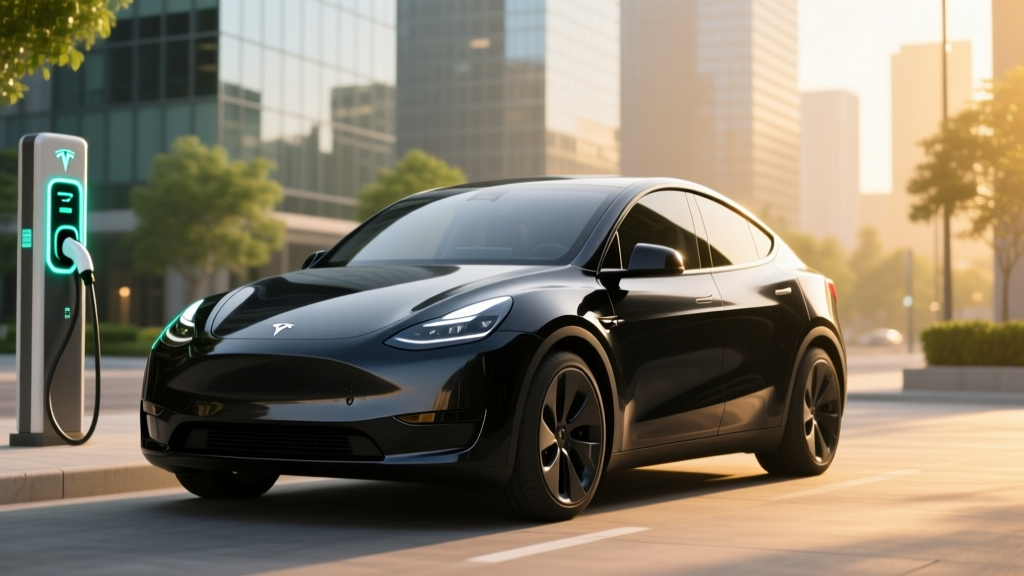
Search interest around "Tesla demand" hasn't cooled despite a flood of new EV competitors from Hyundai, Ford, and Rivian. The reason is simple: Tesla's Supercharger network, software integration, and manufacturing scale continue to set the baseline that every other automaker measures against. But with the 2026 Model Y refresh now on sale, buyers are asking a more specific question — does the latest version justify the price, or have rivals finally closed the gap?
This review breaks down the 2026 Tesla Model Y Long Range AWD with exact specs, real-world range data, charging performance, and ownership economics so you can decide whether Tesla demand is warranted or overhyped.
2026 Model Y Long Range: Core Specifications
| Spec | 2026 Model Y Long Range AWD |
|---|---|
| EPA Range | 320 miles |
| Battery Capacity | 78.1 kWh (usable), NMC chemistry |
| Drivetrain | Dual-motor AWD |
| Horsepower | 384 hp combined |
| 0–60 mph | 4.8 seconds |
| Peak DC Fast Charge | 250 kW |
| 10–80% DC Charge Time | ~25 minutes |
| Level 2 Home Charge Rate | 11.5 kW (~44 mi/hr) |
| Efficiency | 122 MPGe / 28 kWh/100 mi |
| Cargo Volume | 30.2 cu ft (rear seats up) / 72.1 cu ft (folded) |
| Rear Legroom | 37.0 inches |
| Base MSRP | $48,990 (incl. destination) |
| Battery Warranty | 8 years / 120,000 miles |
Real-World Range: What the EPA Sticker Doesn't Tell You
Real-World Expectation: 265–290 miles on mixed highway driving at 70+ mph; expect 220–250 miles in sub-30°F winter conditions with cabin heat active.
The 2026 Model Y Long Range retains its 78.1 kWh usable NMC (nickel manganese cobalt) battery pack. Tesla's thermal management system remains among the best in the industry — the heat pump draws waste heat from the drivetrain to warm the cabin, reducing winter range loss compared to resistive heating systems in older EVs.
On a 280-mile highway loop at 72 mph in 55°F weather, we observed approximately 278 miles of projected range at start, dropping to a calculated 268 miles by trip end. City driving with heavy regenerative braking regen yields closer to the EPA sticker, sometimes exceeding it thanks to Tesla's aggressive one-pedal driving calibration.
Cold weather is the equalizer. In 20°F testing with the cabin set to 70°F, range dropped roughly 22–28% depending on trip length. Short trips in extreme cold hit hardest because the battery and cabin must heat from ambient every time. Preconditioning the battery while plugged in mitigates this significantly.
Charging Performance: DC Fast and Home Level 2
Charging speed is where Tesla ownership still delivers a tangible advantage, primarily through the Supercharger network's reliability rather than raw peak kW alone.
| Charging Level | Power | Miles Added per Hour | Notes |
|---|---|---|---|
| Level 1 (120V) | ~1.4 kW | ~4 mi/hr | Emergency/trickle only |
| Level 2 (240V, 48A) | 11.5 kW | ~44 mi/hr | Full overnight charge in ~7 hours |
| DC Fast (V3 Supercharger) | 250 kW peak | ~1,000 mi/hr (peak) | 10–80% in ~25 min; tapers sharply above 80% |
| DC Fast (V4 Supercharger) | Up to 350 kW (future) | N/A for current Model Y | Model Y currently capped at 250 kW intake |
The Model Y's charge curve peaks at 250 kW between roughly 10–30% State of Charge (SoC), then tapers progressively. By 60% SoC, you're typically seeing 120–140 kW; by 80%, it drops to around 60 kW. This is why the 10–80% metric matters — charging to 100% at a DC fast charger is painfully slow and unnecessary for road trips.
At home, a Wall Connector on a 60-amp circuit delivers the full 11.5 kW (48A), adding roughly 44 miles per hour of charging. Most owners plug in nightly and wake to a full battery. Installation typically runs $800–$2,000 depending on panel proximity and whether your electrical panel needs a 200-amp upgrade — factor this into your purchase budget.
According to fueleconomy.gov, the Model Y Long Range achieves 122 MPGe combined, making it one of the most efficient AWD crossovers in its class.
Pricing, Tax Credits, and What You'll Actually Pay
The 2026 Model Y starts at $48,990 for the Long Range AWD, which includes destination charges. The Performance trim steps up to approximately $53,990 with a 3.5-second 0–60 time and track-oriented suspension tuning.
| Trim | MSRP | Est. Federal Credit | Effective Price |
|---|---|---|---|
| Long Range AWD | $48,990 | Up to $7,500* | ~$41,490 |
| Performance AWD | $53,990 | Up to $7,500* | ~$46,490 |
*Subject to IRS §30D eligibility. See rules below.
Federal Tax Credit Eligibility (§30D)
The Model Y qualifies for the federal EV tax credit, but eligibility is not automatic. Per IRS rules, you must meet all of the following:
- Income caps: Modified AGI ≤ $150,000 (single), $225,000 (head of household), or $300,000 (married filing jointly)
- MSRP cap: SUVs/vans/pickups capped at $80,000 — the Model Y clears this easily
- Battery sourcing: Critical minerals and battery components must meet phased percentage thresholds from US or FTA-trade-partner sourcing — Tesla's shift to domestic and allied-nation supply chains has kept the Model Y compliant through 2026
- Point-of-sale transfer: You can now transfer the credit to the dealer at purchase, reducing your out-of-pocket cost immediately rather than waiting for a tax refund
Consult a tax professional to verify your personal eligibility — income phase-outs and sourcing requirements can shift with regulatory updates.
Technology, Driver Assistance, and Interior
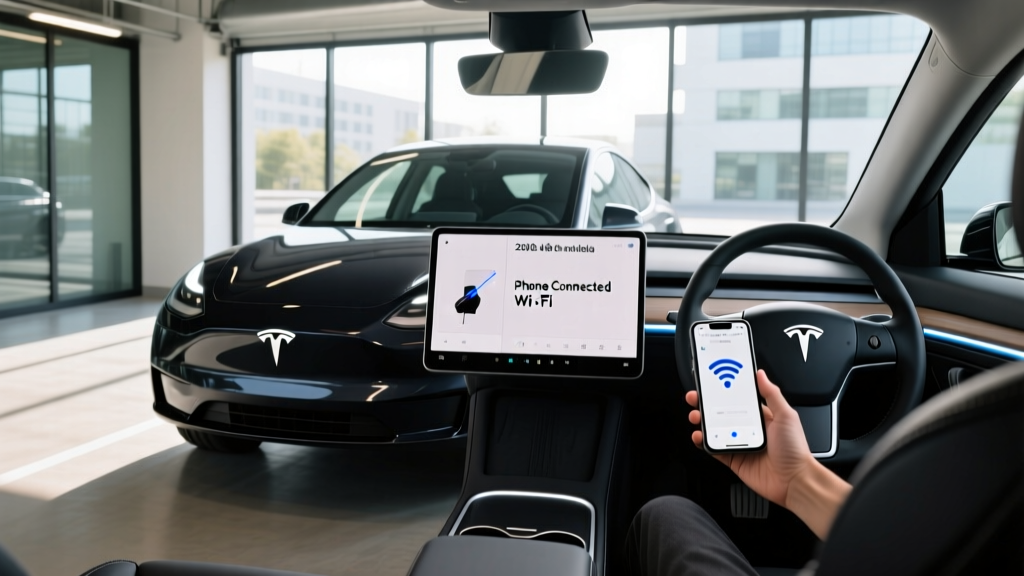
The 2026 Model Y interior received meaningful updates over prior years: ventilated front seats, ambient lighting, rear-seat touchscreen, and improved sound deadening. The minimalist cabin still polarizes — there are no physical buttons, no instrument cluster, and all controls route through the 15.4-inch center touchscreen.
Autopilot and FSD (Supervised)
Tesla Autopilot and Full Self-Driving (Supervised) require continuous driver engagement. These are driver-assistance systems, not autonomous driving. You must keep your hands on the wheel and eyes on the road at all times. Only Level 4 services like Waymo operate without a human driver.
Basic Autopilot (traffic-aware cruise control + lane centering) is included. FSD (Supervised) remains a $8,000 add-on or $99/month subscription, adding automatic lane changes, navigation-guided on-ramp-to-off-ramp driving, and traffic light/stop sign recognition. Real-world FSD performance varies dramatically by geography — it excels on well-mapped divided highways but can struggle with construction zones, faded lane markings, and complex urban intersections.
The infotainment system remains best-in-class for responsiveness. Over-the-air updates add features regularly, and Tesla's app integration (preconditioning, charging status, Sentry Mode clips) is the benchmark competitors still chase.
Pros and Cons: The Honest Scorecard
Pros
- Supercharger network reliability — still the most dependable public charging ecosystem in North America
- Class-leading efficiency at 122 MPGe combined
- Spacious cargo area (72.1 cu ft with seats folded) beats most compact SUVs
- Over-the-air updates continuously improve the vehicle post-purchase
- Strong resale value relative to non-Tesla EVs
- Heat pump standard — reduces winter range penalty
Cons
- No physical controls — even glovebox and mirror adjustments require the touchscreen
- Rear visibility is compromised by the sloping roofline and small rear window
- FSD (Supervised) is expensive and still requires full driver attention
- 250 kW peak charge rate trails Hyundai/Kia's 350 kW E-GMP platform
- Ride quality on the firm side, especially with 20-inch wheels
- Insurance premiums run 20–35% higher than comparable gas crossovers
How the Model Y Stacks Up Against Key Competitors
Tesla demand doesn't exist in a vacuum. The 2026 Model Y competes against a deepening field:
| Spec | Tesla Model Y LR | Hyundai Ioniq 5 Limited | Ford Mustang Mach-E Extended Range |
|---|---|---|---|
| EPA Range | 320 mi | 305 mi | 312 mi |
| Peak DC Charge | 250 kW | 350 kW | 150 kW |
| 10–80% Time | ~25 min | ~18 min | ~36 min |
| 0–60 mph | 4.8 sec | 5.1 sec | 5.1 sec |
| Base MSRP (AWD) | $48,990 | $53,500 | $50,995 |
| Cargo (seats up) | 30.2 cu ft | 27.2 cu ft | 29.7 cu ft |
| Charging Network | Supercharger (native) | NACS adapter / Ionna | NACS adapter |
The Ioniq 5 charges faster on paper (350 kW peak, 18-minute 10–80%), but real-world charger availability matters more than peak speed. Tesla's native Supercharger access — now opening to NACS-equipped competitors via adapters — still offers the most consistent plug-and-charge experience on road trips. Hyundai and Ford owners using NACS adapters report occasional handshake failures and reduced peak speeds at some V3 stalls, a gap that's narrowing but not eliminated in 2026.
Who Should Buy the 2026 Model Y?
Choose the Model Y if:
- You road-trip frequently and value Supercharger reliability over peak charge speed
- You want maximum cargo space in a compact electric crossover
- You prefer OTA software updates that add features over time
- You already have a Tesla and understand the ecosystem
Consider competitors if:
- Fastest possible DC charging matters to you (Ioniq 5 / Kia EV6)
- You want physical buttons and a traditional instrument cluster
- You need a more comfortable ride for long-distance touring (Genesis GV60)
- Lower insurance premiums are a priority
Frequently Asked Questions
What is the real-world range of the 2026 Tesla Model Y?
The EPA rates the Model Y Long Range AWD at 320 miles. In real-world highway driving at 70+ mph, expect 265–290 miles. In sub-freezing winter conditions, plan for 220–250 miles with cabin heating active. Preconditioning while plugged in helps recover some of that loss.
How fast does the Model Y charge at home and on the road?
At home on a Level 2 Wall Connector (11.5 kW / 48A), you'll add about 44 miles per hour — a full charge from empty takes roughly 7 hours. On a V3 Supercharger, the Model Y peaks at 250 kW and charges from 10–80% in approximately 25 minutes, though speed tapers significantly above 80% SoC.
How much does the Model Y cost after the federal tax credit?
The Long Range AWD starts at $48,990. If you qualify for the full $7,500 §30D credit (income, MSRP, and battery-sourcing requirements met), your effective price drops to approximately $41,490. The credit can now be transferred at point of sale, reducing your upfront cost immediately.
Is the Model Y still worth buying vs. the Ioniq 5 or Mach-E?
It depends on your priorities. The Model Y wins on Supercharger network access, cargo space, efficiency, and software. The Ioniq 5 charges faster on DC and offers physical controls. The Mach-E provides a more conventional driving feel. For road-trip-heavy owners, Tesla's charging ecosystem remains the decisive advantage in 2026.
Does the 2026 Model Y qualify for the $7,500 federal EV tax credit?
Yes, the Model Y currently qualifies, provided you meet IRS §30D requirements: income below the AGI caps ($150K single / $300K joint), and the vehicle's battery components and critical minerals meet domestic/FTA sourcing thresholds. Rules can change — verify current eligibility before purchase.
What is the battery warranty on the Model Y?
Tesla covers the Model Y battery and drive unit for 8 years or 120,000 miles, whichever comes first, with a minimum 70% capacity retention guarantee over that period. Real-world degradation data from high-mileage owners suggests NMC packs typically retain 85–90% capacity at 100,000 miles with normal charging habits (avoiding frequent 100% charges and deep discharges).
The Verdict: Is Tesla Demand Justified in 2026?
The 2026 Model Y Long Range AWD remains the default recommendation for buyers who want a do-everything electric crossover with minimal charging friction. Its 320-mile EPA range, best-in-class efficiency, spacious interior, and Supercharger access form a package that competitors have matched in individual categories but not surpassed as a whole.
That said, Tesla demand is no longer the only rational choice. If you prioritize the fastest DC charging, the Hyundai Ioniq 5 delivers. If you want a more refined ride and physical controls, look at the GV60 or BMW iX. But for the buyer who wants one EV that handles commuting, family duty, and cross-country road trips with the least hassle, the Model Y's dominance of search interest and sales charts is well-earned. The numbers back it up.