Quick Verdict: Are Tesla Deals Worth It in 2026?
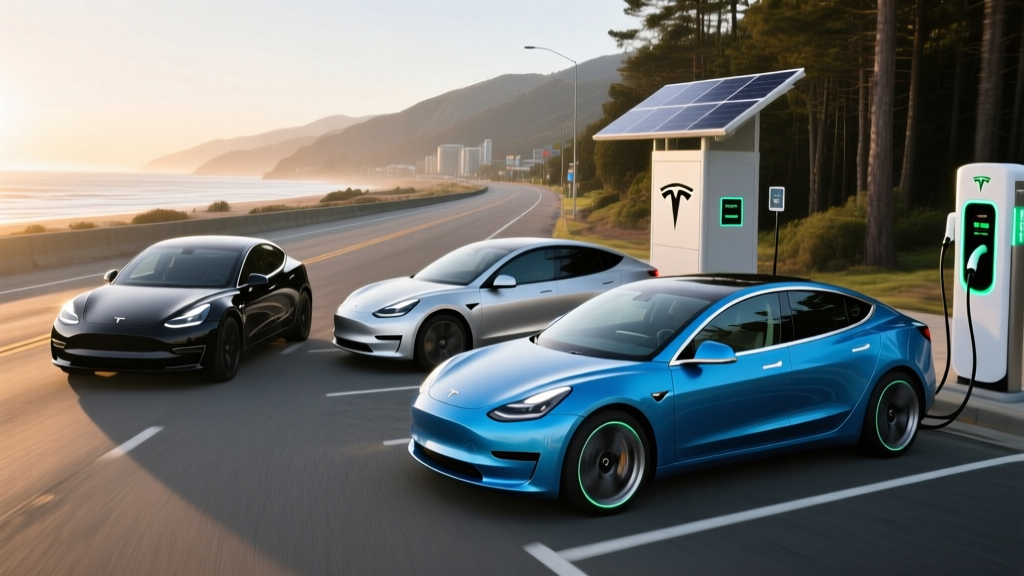
If you're hunting for Tesla deals right now, the short answer is yes — but the value proposition depends heavily on which model, trim, and financing option you choose. Tesla doesn't offer traditional dealer discounts (they sell direct), so "deals" come from three sources: price cuts from Tesla itself, federal/state tax incentives, and inventory or demo-vehicle markdowns. As of early 2026, the Model 3 and Model Y remain the volume sellers where incentives stack most favorably, while the Model S and Model X cater to buyers less concerned with maximizing credit eligibility.
This guide breaks down every current Tesla model with exact EPA range, charging speeds, pricing after the §30D federal tax credit, and real-world ownership considerations so you can decide which Tesla — if any — is the right deal for you.
Tesla Model Lineup: 2026 Specs at a Glance
Before we dig into pricing and incentives, here's the full 2026 Tesla lineup with the numbers that matter. All range figures are EPA-estimated; real-world notes follow in each model section.
| Model / Trim | EPA Range | Battery (kWh / Chemistry) | 0-60 mph | HP | Drivetrain | Base MSRP |
|---|---|---|---|---|---|---|
| Model 3 RWD | 341 mi | ~60 kWh / LFP | 5.8 sec | 271 | RWD | $38,990 |
| Model 3 Long Range AWD | 363 mi | ~79 kWh / NMC | 4.2 sec | 346 | Dual-Motor AWD | $45,740 |
| Model 3 Performance | 315 mi | ~79 kWh / NMC | 2.9 sec | 510 | Dual-Motor AWD | $52,990 |
| Model Y Long Range AWD | 320 mi | ~79 kWh / NMC | 4.8 sec | 384 | Dual-Motor AWD | $44,990 |
| Model Y Performance | 293 mi | ~79 kWh / NMC | 3.5 sec | 510 | Dual-Motor AWD | $51,490 |
| Model S Long Range | 402 mi | ~100 kWh / NMC | 3.1 sec | 670 | Dual-Motor AWD | $79,990 |
| Model S Plaid | 359 mi | ~100 kWh / NMC | 1.99 sec | 1,020 | Tri-Motor AWD | $94,990 |
| Model X Long Range | 348 mi | ~100 kWh / NMC | 3.8 sec | 670 | Dual-Motor AWD | $84,990 |
| Model X Plaid | 320 mi | ~100 kWh / NMC | 2.5 sec | 1,020 | Tri-Motor AWD | $99,990 |
Sources: fueleconomy.gov, Tesla.com. Specs reflect 2026 model year as published.
Real-World Range vs. EPA: What You'll Actually Get
EPA range estimates are calculated under mixed city/highway cycles at moderate temperatures. Here's what to expect in real-world driving across the Tesla lineup:
- Highway (70-80 mph, sustained): Expect 85-90% of EPA range. A Model 3 Long Range rated at 363 mi will deliver ~305-325 mi at highway speeds.
- Cold weather (below 32°F): Range drops 20-35% depending on severity and cabin heating use. The same Model 3 LR may yield ~240-260 mi in a 20°F winter commute.
- City / stop-and-go: Often matches or slightly exceeds EPA due to regenerative braking recapturing energy.
- Towing (Model Y/X): Range can drop 40-50% when towing near max capacity.
Among the lineup, the Model 3 Long Range AWD offers the best balance of range and efficiency for most buyers. Its 363-mile EPA rating translates to a comfortable 300+ mile highway road-trip range in mild weather, which covers the vast majority of US intercity drives with a single 20-minute charge stop. The Model S Long Range at 402 miles EPA is the range king but comes at nearly double the price.
For LFP-equipped Model 3 RWD owners, Tesla recommends charging to 100% regularly (unlike NMC batteries, which benefit from an 80-90% daily limit). This means the Model 3 RWD's 341-mile EPA range is more "usable" day-to-day, even though the absolute number is lower than the Long Range variant.
Charging Speed: DC Fast Charge and Home Level 2
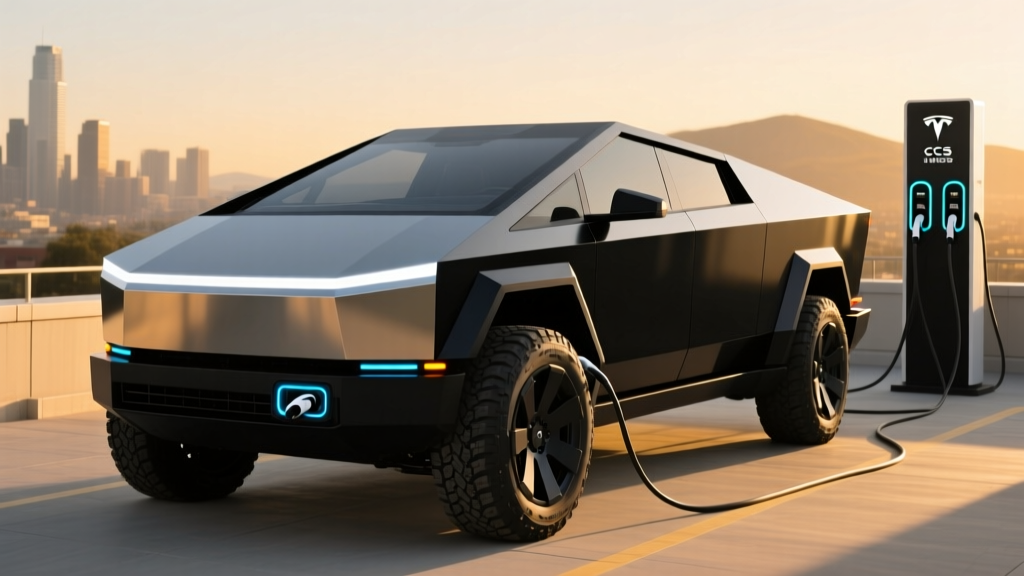
Charging speed is where Tesla still holds a real advantage — not just in peak kW numbers, but in the breadth and reliability of the Supercharger network, which now serves non-Tesla EVs via NACS but remains the gold standard for Tesla owners.
| Model / Trim | Max DC Fast Charge (kW) | 10-80% Time | Level 2 Home Rate (kW) | Miles per Hour (L2) |
|---|---|---|---|---|
| Model 3 RWD (LFP) | 170 kW | ~25 min | 11.5 kW | ~44 mi/hr |
| Model 3 Long Range / Perf | 250 kW | ~18 min | 11.5 kW | ~44 mi/hr |
| Model Y Long Range / Perf | 250 kW | ~20 min | 11.5 kW | ~40 mi/hr |
| Model S / X Long Range | 250 kW | ~22 min | 11.5 kW | ~38 mi/hr |
| Model S / X Plaid | 250 kW | ~22 min | 11.5 kW | ~35 mi/hr |
Charging curve reality check: The 250 kW peak on Long Range and Performance models is not sustained for the full session. Tesla's charge curve peaks around 20-40% state of charge (SoC), then tapers progressively. From 10-80%, the average sustained rate is closer to 130-160 kW. That's still excellent — and the 18-20 minute 10-80% time reflects the actual session, not a marketing peak. Above 80%, charging slows dramatically to protect battery health, so plan your road-trip stops around 10-80% windows.
Home charging: All 2026 Teslas accept 11.5 kW on Level 2 (48 amps on a 60-amp circuit). That means a full overnight charge from 20-80% takes roughly 5-6 hours depending on the model, which is more than adequate for daily use. You'll need a NEMA 14-50 outlet or a hardwired Tesla Wall Connector installed by a licensed electrician — budget $500-$1,500 for installation depending on your panel capacity and run length.
Preconditioning matters: Navigate to a Supercharger using the Tesla's built-in nav, and the car will automatically precondition the battery to optimal temperature for peak charge speed. Without preconditioning (e.g., arriving at a charger without nav routing), expect slower initial charge rates, especially in cold weather — potentially 30-50% slower for the first several minutes.
Pricing and Federal Tax Credit Eligibility
This is where the "deal" gets real. Tesla's direct-to-consumer model means no dealer markups or negotiation, but also no dealer discounts. Your savings come from the list price, the IRS §30D federal tax credit, and any state/local incentives.
| Model / Trim | Base MSRP | §30D Credit Eligible? | Effective Price (after credit) |
|---|---|---|---|
| Model 3 RWD | $38,990 | Yes — up to $7,500 | ~$31,490 |
| Model 3 Long Range AWD | $45,740 | Yes — up to $7,500 | ~$38,240 |
| Model 3 Performance | $52,990 | Yes — up to $7,500 | ~$45,490 |
| Model Y Long Range AWD | $44,990 | Yes — up to $7,500 | ~$37,490 |
| Model Y Performance | $51,490 | Yes — up to $7,500 | ~$43,990 |
| Model S Long Range | $79,990 | No (exceeds MSRP cap) | $79,990 |
| Model X Long Range | $84,990 | No (exceeds MSRP cap) | $84,990 |
The federal EV tax credit is not automatic for every buyer. Under current IRS rules, you must meet ALL of the following:
- Income cap: Modified AGI ≤ $150,000 (single), $225,000 (head of household), $300,000 (joint)
- MSRP cap: ≤ $55,000 for sedans (Model 3); ≤ $80,000 for SUVs/trucks (Model Y)
- Battery sourcing: Critical minerals and battery components must meet phased-in domestic/free-trade sourcing thresholds (increasing each year through 2029)
- Point-of-sale transfer: As of 2024+, you can transfer the credit to the dealer (Tesla) at purchase, reducing your out-of-pocket price immediately — or claim it on your tax return
- VIN verification: Tesla provides a credit eligibility letter at delivery confirming battery sourcing compliance
Key takeaway: Model 3 and Model Y buyers who meet income caps can access the full $7,500 credit (subject to sourcing rules). Model S and Model X are ineligible because they exceed the MSRP cap. Always verify current-year sourcing compliance with Tesla before purchase — rules tighten annually. Consult a tax professional for your specific situation.
Efficiency, Cargo, and Daily Practicality
Tesla's efficiency (measured in kWh per 100 miles or MPGe) is among the best in the industry, thanks to strong aerodynamics, heat-pump climate control, and powertrain optimization. Here's how the lineup compares:
| Model | Combined MPGe | kWh/100 mi | Cargo (rear seats up) | Cargo (rear seats folded) | Frunk |
|---|---|---|---|---|---|
| Model 3 RWD | 132 MPGe | 25 | 23 cu ft | — (sedan trunk) | 3.1 cu ft |
| Model 3 Long Range | 131 MPGe | 26 | 23 cu ft | — (sedan trunk) | 3.1 cu ft |
| Model Y LR AWD | 122 MPGe | 28 | 30 cu ft | 72 cu ft | 4.1 cu ft |
| Model S LR | 120 MPGe | 28 | 28 cu ft | — (liftback) | 5.3 cu ft |
| Model X LR | 111 MPGe | 30 | 42 cu ft (behind 2nd row) | 88 cu ft | 6.6 cu ft |
For families: The Model Y is the clear practical pick — 30 cu ft behind the rear seats handles strollers, groceries, and luggage without folding anything. Optional third-row seating (for small children) is available, though it severely limits cargo. The Model X offers genuine three-row adult-capable seating and falcon-wing rear doors that make car-seat loading dramatically easier in tight parking spots.
For commuters: The Model 3 RWD is the efficiency and value leader. At 25 kWh/100 mi and a real-world cost of roughly $0.04-$0.06 per mile (depending on your electricity rate), it's one of the cheapest vehicles to "fuel" in America — far below any gas car and competitive with other EVs.
Technology, Autopilot, and the FSD Question
Every 2026 Tesla ships with Basic Autopilot (lane centering + adaptive cruise control) and a 15.4-inch center touchscreen running Tesla's proprietary OS. The infotainment system is fast, responsive, and includes native streaming apps, a phone-as-key system, Sentry Mode dashcam recording, and over-the-air updates that add features regularly.
Tesla Autopilot and Full Self-Driving (Supervised) are both SAE Level 2 driver-assistance systems. This means:
- The driver must remain fully engaged, hands on the wheel (or providing steering-torque input), eyes on the road
- The system can handle highway lane-keeping, adaptive cruise, and (with FSD) city-street navigation — but the human is legally and practically responsible at all times
- True "self-driving" (Level 4) is only available via robotaxi services like Waymo in limited metro areas
FSD (Supervised) costs $8,000 as a one-time purchase or $99/month as of 2026. It adds automatic lane changes, traffic-light/stop-sign recognition, and city-street autosteer. It's impressive technology that reduces highway fatigue significantly, but it is not autonomous — expect occasional disengagements and always supervise.
Notable tech drawbacks: Tesla removed ultrasonic parking sensors and relies on camera-only "Tesla Vision" for parking proximity alerts, which some owners find less reliable than sensor-based systems. There is no Apple CarPlay or Android Auto — you use Tesla's native interface exclusively. The minimalist interior (no instrument cluster, nearly all controls on the center screen) is polarizing; some love it, others find it distracting.
Warranty Coverage
Tesla's warranty is competitive but not class-leading:
- Basic vehicle: 4 years / 50,000 miles
- Battery & drive unit (Model 3 RWD): 8 years / 100,000 miles, minimum 70% capacity retention
- Battery & drive unit (Model 3 LR, Model Y, S, X): 8 years / 120,000 miles (Long Range/Performance), minimum 70% retention
The 70% retention threshold is standard for the industry. In practice, Tesla's battery degradation data from fleet studies shows most vehicles retain 85-90% capacity at 100,000 miles, with the curve flattening significantly after the initial ~10,000-mile break-in period. LFP batteries (Model 3 RWD) tend to degrade more slowly than NMC but start with lower energy density.
Pros and Cons: The Honest Summary
✅ Pros
- Supercharger network access — still the most reliable DC fast-charging ecosystem in the US
- Class-leading efficiency (kWh/100 mi) across the lineup
- Strong over-the-air update cadence adding real features post-purchase
- Model 3/Y eligible for up to $7,500 federal credit (subject to income/sourcing rules)
- Excellent real-world fast-charging speeds with battery preconditioning
- LFP option on Model 3 RWD allows 100% daily charging without degradation concern
- Low maintenance costs — no oil changes, minimal brake wear from regen
❌ Cons
- No Apple CarPlay or Android Auto
- Camera-only parking (no ultrasonic sensors) can be unreliable
- Minimalist interior isn't for everyone — turn-signal stalk removal on refreshed models frustrates some drivers
- Model S/X priced out of federal tax credit eligibility
- FSD is expensive ($8,000) and remains Level 2 — not autonomous
- Insurance costs tend to run 15-30% higher than comparable gas vehicles
- Panel gaps and paint quality, while improved, still draw owner complaints
Who Should Buy a Tesla in 2026?
Choose the Model 3 RWD if: You're a commuter or single/couple household seeking the lowest-cost Tesla with 341 mi range, LFP battery longevity, and a post-credit price near $31,500.
Choose the Model 3 Long Range if: You regularly drive 250+ miles between stops, want AWD for snow/rain, and value the faster 250 kW charging speed for road trips.
Choose the Model Y Long Range if: You need SUV cargo space, optional third-row seating for small kids, and a family-friendly ride height — the best-selling Tesla for good reason.
Choose the Model S/X if: Budget is less of a concern, you want 400+ mile range (Model S) or three-row luxury (Model X), and you accept the lack of federal tax credit eligibility.
Look at competitors if: You want Apple CarPlay (Hyundai Ioniq 5, Kia EV6), a more traditional interior layout (BMW i4), or a lower starting price (Chevrolet Equinox EV).
Frequently Asked Questions
What is the real-world range of a Tesla?
Expect 85-90% of EPA range on highway trips (e.g., a 363-mi Model 3 LR delivers ~305-325 mi at 75 mph). In cold weather below freezing, plan for 20-35% reduction. City driving with regen braking often matches or slightly exceeds EPA estimates.
How fast does a Tesla charge at home and on the road?
On Level 2 home charging (11.5 kW), all 2026 Teslas add roughly 35-44 miles of range per hour — a full overnight charge covers daily needs easily. On DC fast chargers, Long Range and Performance models peak at 250 kW and charge 10-80% in 18-22 minutes. The Model 3 RWD (LFP) peaks at 170 kW with a ~25-minute 10-80% session.
How much does a Tesla cost after the federal tax credit?
The Model 3 RWD drops from $38,990 to approximately $31,490 after the $7,500 §30D credit (if you meet income, MSRP, and battery-sourcing requirements). The Model Y Long Range falls from $44,990 to ~$37,490. Model S and Model X do not qualify due to MSRP caps. Always verify current-year eligibility on irs.gov and with Tesla at purchase.
Is a Tesla worth buying vs. competitors?
Tesla's advantages are Supercharger network access, top-tier efficiency, and OTA updates. Competitors like the Hyundai Ioniq 5, Kia EV6, and Ford Mustang Mach-E now offer comparable range and charging speed, plus Apple CarPlay and more conventional interiors. If Supercharger reliability and Tesla's software ecosystem matter to you, the premium is justified. If you prioritize interior ergonomics or CarPlay, test-drive the competition.
Does every Tesla qualify for the $7,500 federal EV tax credit?
No. Only the Model 3 and Model Y are under the MSRP cap ($55,000 sedans / $80,000 SUVs). Additionally, the buyer must meet income limits ($150K single / $300K joint MAGI), and the vehicle's battery must comply with critical-mineral and component sourcing rules that tighten annually. The credit can be transferred at point of sale to reduce your purchase price directly. Consult a tax professional and verify with Tesla before ordering.
What's the biggest mistake Tesla buyers make?
Skipping home charger installation budgeting. A Level 2 home charger is essential for convenient daily ownership — budget $500-$1,500 for a Tesla Wall Connector and electrician installation. Also, don't buy FSD expecting self-driving; it's a $8,000 Level 2 assist system, not autonomy.