If you've been searching for a clear picture of Tesla's current offer across its 2026 lineup, you've likely hit a wall of shifting prices, trim reshuffles, and evolving federal tax credit rules. Tesla adjusts pricing and incentives more frequently than legacy automakers, and the IRS §30D credit eligibility depends on battery sourcing, MSRP caps, and buyer income limits that change year to year.
This guide cuts through the noise. Below you'll find every Tesla model currently available for order or delivery in the U.S., with exact EPA range figures, battery chemistry, charging speeds, real-world range expectations, and a transparent look at which models actually qualify for the up-to-$7,500 federal tax credit under current rules.
Tesla's 2026 Lineup at a Glance
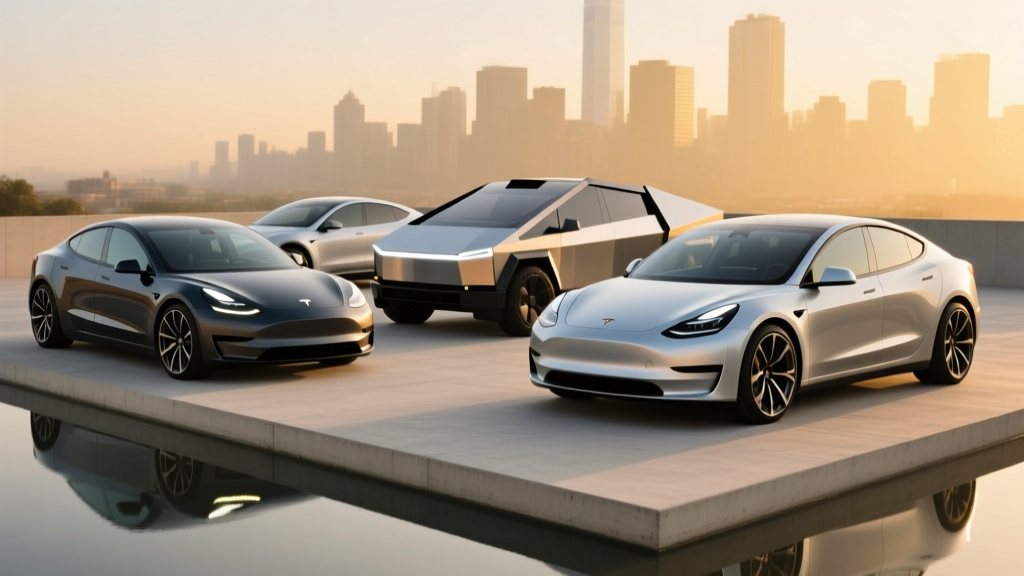
Tesla currently sells five vehicle lines in the United States: the Model 3 sedan, Model Y crossover SUV, Model S luxury sedan, Model X luxury SUV, and the Cybertruck pickup. Each sits on a different platform, uses different battery chemistries, and carries distinct tax credit implications.
| Model | Trim | EPA Range (mi) | Battery (kWh, usable) | Chemistry | Drivetrain | 0-60 mph | HP | Base MSRP |
|---|---|---|---|---|---|---|---|---|
| Model 3 | RWD | 272 | ~60 | LFP | RWD | 5.8s | 283 | $38,990 |
| Model 3 | Long Range AWD | 363 | ~79 | NMC | Dual-Motor AWD | 4.2s | 366 | $45,490 |
| Model 3 | Performance | 341 | ~79 | NMC | Dual-Motor AWD | 2.9s | 510 | $52,990 |
| Model Y | Long Range AWD | 320 | ~78 | NMC | Dual-Motor AWD | 4.8s | 384 | $44,990 |
| Model Y | Performance | 298 | ~78 | NMC | Dual-Motor AWD | 3.5s | 456 | $49,990 |
| Model S | Long Range | 402 | ~100 | NMC | Dual-Motor AWD | 3.1s | 670 | $79,990 |
| Model S | Plaid | 359 | ~100 | NMC | Tri-Motor AWD | 1.99s | 1,020 | $89,990 |
| Model X | Long Range | 335 | ~100 | NMC | Dual-Motor AWD | 3.8s | 670 | $79,990 |
| Model X | Plaid | 311 | ~100 | NMC | Tri-Motor AWD | 2.5s | 1,020 | $94,990 |
| Cybertruck | AWD | 340 | ~123 | NMC | Dual-Motor AWD | 3.9s | 600 | $79,990 |
| Cybertruck | Cyberbeast | 320 | ~123 | NMC | Tri-Motor AWD | 2.6s | 845 | $99,990 |
Source: fueleconomy.gov and Tesla.com specifications. Prices exclude destination fees. Specs reflect 2025–2026 model-year data as of publication.
Real-World Range: What the EPA Sticker Doesn't Tell You
EPA range estimates assume a mix of city and highway driving at moderate temperatures. In practice:
- Highway-only at 75 mph: Expect 10–15% less than EPA (e.g., Model 3 Long Range: ~310–325 mi real-world highway)
- Cold weather (below 32°F): Range drops 20–30% due to cabin heating and battery resistance — a Model Y Long Range may deliver ~225–255 mi
- City/regenerative driving: Often meets or slightly exceeds EPA thanks to regen braking recapturing energy
Tesla's heat pump (standard on all 2026 models) mitigates cold-weather loss better than resistive heaters, but physics still applies.
The Model 3 RWD's LFP battery deserves special mention. LFP (lithium iron phosphate) cells tolerate regular 100% charging without the degradation concerns of NMC chemistry. Tesla recommends charging the RWD to 100% at least weekly, meaning you actually get the full 272 miles of usable range daily. With NMC trims (Long Range, Performance, Model S/X, Cybertruck), Tesla recommends a daily charge limit of 80%, reserving 100% for road trips — so your everyday usable range is effectively 80% of the EPA figure.
Efficiency by the Numbers
Tesla remains the efficiency leader among mainstream EVs, measured in kWh per 100 miles (lower is better):
- Model 3 RWD: 25 kWh/100mi (135 MPGe combined)
- Model 3 Long Range AWD: 26 kWh/100mi (132 MPGe combined)
- Model Y Long Range AWD: 28 kWh/100mi (122 MPGe combined)
- Model S Long Range: 30 kWh/100mi (115 MPGe combined)
- Cybertruck AWD: 42 kWh/100mi (80 MPGe combined)
For context, the average U.S. electricity cost of $0.17/kWh means a Model 3 Long Range owner pays roughly $4.42 per 100 miles of driving — about one-third the cost of a 28 MPG gas car at $3.50/gallon.
Charging Speed: DC Fast Charging and Home Level 2
Charging speed is where Tesla's Supercharger network advantage becomes concrete. All current Tesla models use the NACS (North American Charging Standard) connector natively — the same connector now being adopted by Ford, GM, Rivian, and most major automakers through 2025–2026.
| Model | Peak DC kW | 10–80% Time | Level 2 Rate (kW) | Level 2 Miles/Hour |
|---|---|---|---|---|
| Model 3 RWD (LFP) | 170 kW | ~30 min | 11.5 kW (48A) | ~37 mi/hr |
| Model 3 Long Range / Performance | 250 kW | ~25 min | 11.5 kW (48A) | ~44 mi/hr |
| Model Y Long Range / Performance | 250 kW | ~27 min | 11.5 kW (48A) | ~40 mi/hr |
| Model S Long Range / Plaid | 250 kW | ~30 min | 11.5 kW (48A) | ~41 mi/hr |
| Model X Long Range / Plaid | 250 kW | ~31 min | 11.5 kW (48A) | ~36 mi/hr |
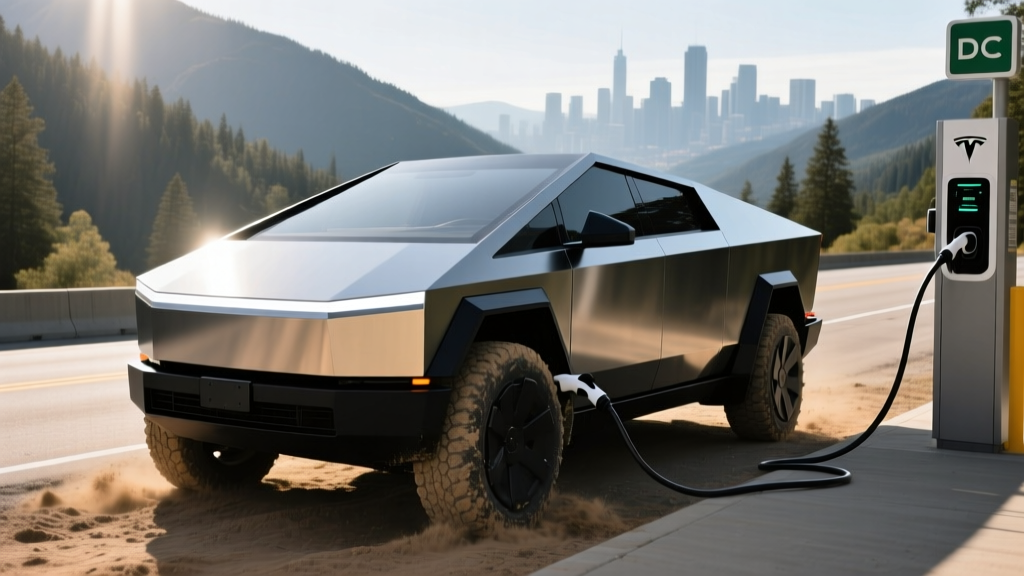
| Cybertruck AWD / Cyberbeast | 250 kW (350 kW at V4 stalls) | ~28 min | 11.5 kW (48A) | ~33 mi/hr |
Charging curve reality: Peak kW is not sustained kW. A Model 3 Long Range hits 250 kW only between roughly 10–25% state of charge, then tapers progressively. The 10–80% time of ~25 minutes reflects this taper. Above 80%, charging slows dramatically to protect battery health — plan to unplug at 80% on road trips unless you need the final miles.
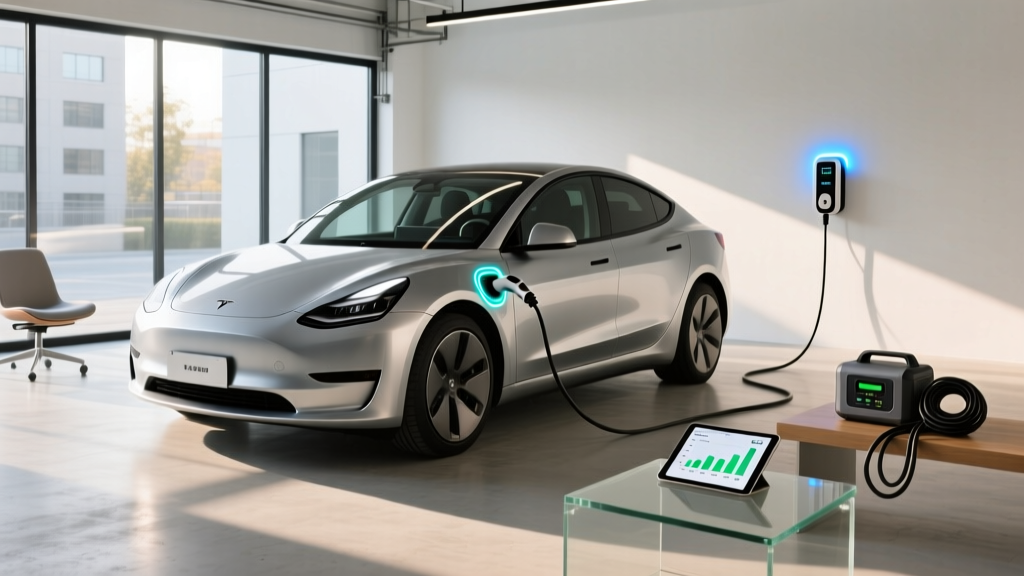
At home on a Level 2 Tesla Wall Connector (hardwired, 60A circuit), expect to add 30–44 miles of range per hour depending on the model. A full overnight charge (8–10 hours) easily replenishes any daily driving for all trims. Installation costs typically run $500–$2,000 depending on panel proximity and local permitting — consult a licensed electrician for your specific setup.
Federal Tax Credit Eligibility: Which Teslas Qualify in 2026?
The IRS §30D Clean Vehicle Credit offers up to $7,500 for qualifying new EVs, but eligibility hinges on three interlocking requirements that eliminate several Tesla trims:
- MSRP cap: Sedans must be under $55,000; SUVs, vans, and pickups under $80,000
- Buyer income cap: Modified AGI ≤ $150,000 (single), $225,000 (head of household), $300,000 (joint)
- Battery sourcing: Increasing percentages of critical minerals and battery components must be sourced from the U.S. or free-trade-agreement partners — thresholds tighten annually
Additionally, beginning in 2024, buyers can elect to transfer the credit to the dealer at point of sale, reducing the purchase price directly rather than waiting for a tax refund. See IRS.gov clean vehicle credits for full current-year rules.
| Model / Trim | MSRP | Vehicle Class | MSRP Cap Met? | Estimated Credit |
|---|---|---|---|---|
| Model 3 RWD | $38,990 | Sedan ($55K cap) | ✅ Yes | Up to $7,500* |
| Model 3 Long Range AWD | $45,490 | Sedan ($55K cap) | ✅ Yes | Up to $7,500* |
| Model 3 Performance | $52,990 | Sedan ($55K cap) | ✅ Yes | Up to $7,500* |
| Model Y Long Range AWD | $44,990 | SUV ($80K cap) | ✅ Yes | Up to $7,500* |
| Model Y Performance | $49,990 | SUV ($80K cap) | ✅ Yes | Up to $7,500* |
| Model S Long Range | $79,990 | Sedan ($55K cap) | ❌ No | $0 |
| Model S Plaid | $89,990 | Sedan ($55K cap) | ❌ No | $0 |
| Model X Long Range | $79,990 | SUV ($80K cap) | ✅ Yes | Up to $7,500* |
| Model X Plaid | $94,990 | SUV ($80K cap) | ❌ No | $0 |
| Cybertruck AWD | $79,990 | Pickup ($80K cap) | ✅ Yes | Up to $7,500* |
| Cybertruck Cyberbeast | $99,990 | Pickup ($80K cap) | ❌ No | $0 |
*Credit amount depends on battery-sourcing compliance percentages for the specific model year and buyer income eligibility. Confirm on fueleconomy.gov before purchasing. Rules subject to change.
Tech, Interior, and Driver Assistance
Infotainment and Connectivity
All 2026 Teslas run Tesla's proprietary infotainment OS on a 15.4-inch center touchscreen (Model 3/Y) or 17-inch tilting display (Model S/X/Cybertruck). There is no Apple CarPlay or Android Auto — Tesla's native system handles navigation, media (Spotify, Apple Music, Tidal), phone integration via Bluetooth, and over-the-air updates that regularly add features.
The refreshed Model 3 "Highland" interior (carried into 2026) added ventilated front seats, ambient lighting, a rear 8-inch passenger screen, and significantly improved cabin noise isolation. The Model Y "Juniper" refresh brought similar updates including a front light bar, ventilated seats, and power-folding second row.
Autopilot and Full Self-Driving (Supervised)
Tesla Autopilot and FSD (Supervised) are SAE Level 2 driver-assistance systems. They do not make the vehicle self-driving. The driver must keep hands on the wheel (or demonstrate attention via the cabin camera), monitor the road, and be prepared to take over instantly. Only Level 4 services like Waymo operate without a human driver in defined areas.
Autopilot (included standard): Adaptive cruise control, lane centering, automatic emergency braking, blind-spot monitoring.
FSD (Supervised) ($8,000 one-time or $99/month): Adds automatic lane changes on highways, navigation-guided on/off-ramp handling, traffic light and stop sign recognition, and low-speed urban steering. As of 2026, FSD remains a supervised assist system — impressive on highways but still requiring active driver engagement, particularly in construction zones, unmapped areas, and complex intersections.
Cargo and Passenger Space
- Model 3: 23 cu ft trunk + frunk; 42.3" front / 35.3" rear legroom
- Model Y: 30 cu ft behind 2nd row (72 cu ft folded) + frunk; 41.8" front / 37.0" rear legroom
- Model S: 28 cu ft trunk + frunk; 42.4" front / 35.4" rear legroom
- Model X: Up to 88 cu ft (5-seat, rows folded) + frunk; optional 6- or 7-seat config
- Cybertruck: 6.5-ft bed (vault) with 67 cu ft; 5-seat cabin; 41.7" front / 38.2" rear legroom
Warranty and Battery Longevity
Tesla's warranty structure is straightforward but less generous than some competitors (Hyundai offers 10-year/100,000-mile battery coverage):
- Basic vehicle: 4 years / 50,000 miles (all models)
- Battery & drive unit:
- Model 3 RWD (LFP): 8 years / 100,000 miles
- Model 3 Long Range, Model Y: 8 years / 120,000 miles
- Model S, Model X, Cybertruck: 8 years / 150,000 miles
- Capacity retention threshold: Tesla warrants that the battery will retain at least 70% of original capacity during the warranty period
Real-world degradation data from fleet analytics (Recurrent, Teslanomics) shows most Tesla NMC batteries retain 88–92% capacity at 100,000 miles, with LFP packs showing comparable or slightly better retention thanks to their more robust cycle life. Full battery replacement outside warranty currently runs $12,000–$20,000 depending on the model.
Who Should Buy Which Tesla?
- Choose Model 3 RWD if: You want the lowest entry price, daily commute under 200 miles, and can charge at home. The LFP battery's 100% daily charging makes it the most hassle-free ownership experience.
- Choose Model 3 Long Range if: You take regular road trips, live in a cold climate, or need AWD. The 363-mile EPA range provides a comfortable buffer.
- Choose Model Y Long Range if: You need crossover cargo space, car seats, or family hauling. It remains Tesla's best-selling model for good reason.
- Choose Model S/X if: You want premium luxury, adaptive air suspension, and the longest range available — and accept that the sedan exceeds the tax credit MSRP cap.
- Choose Cybertruck if: You need a truck bed, want 11,000-lb towing capacity (AWD trim), and accept the polarizing design and higher energy consumption.
How Does Tesla Stack Up Against Competitors?
Tesla's current offer competes against a rapidly improving field:
- Model 3 vs. Hyundai Ioniq 6 / BMW i4: The Ioniq 6 matches efficiency; the i4 wins on interior luxury. Tesla counters with Supercharger access and OTA updates.
- Model Y vs. Hyundai Ioniq 5 / Ford Mustang Mach-E / Kia EV6: The Ioniq 5 and EV6 charge faster on 800V architecture (10–80% in ~18 min on 350 kW chargers). Tesla's advantage remains the Supercharger network reliability and software ecosystem.
- Model S vs. Lucid Air / Mercedes EQS: Lucid Air surpasses range (516 mi EPA Grand Touring). Tesla counters with performance (Plaid's sub-2-second 0-60) and lower starting price.
- Cybertruck vs. Ford F-150 Lightning / Rivian R1T: The R1T is more refined; the Lightning is more practical. Cybertruck differentiates on stainless-steel exoskeleton, 48V architecture, and Cyberbeast performance.
Pros and Cons of Tesla's Current Lineup
- Class-leading efficiency (kWh/100mi)
- Supercharger network — most reliable DC fast-charging in the U.S.
- Over-the-air updates continuously add features
- Strong resale value relative to most EVs
- LFP option (Model 3 RWD) enables daily 100% charging
- Point-of-sale tax credit transfer available
- No Apple CarPlay or Android Auto
- 250 kW peak DC charging trails 800V competitors (Hyundai/Kia at 350 kW)
- FSD (Supervised) remains Level 2 despite the name
- Model S/X exceed tax credit MSRP caps
- Minimalist interior isn't for everyone — no physical controls
- Service center wait times in some metro areas
Frequently Asked Questions
What is the real-world range of the Tesla Model Y Long Range?
The EPA rates it at 320 miles. In real-world highway driving at 75 mph, expect roughly 270–290 miles. In cold weather (below freezing), plan for 225–255 miles depending on cabin heat usage and whether you precondition the battery.
How fast does a Tesla charge at home?
On a Tesla Wall Connector (hardwired, 48A/11.5 kW), you'll add 33–44 miles of range per hour depending on the model. A full charge from 20% to 80% takes roughly 5–7 hours overnight. On a standard 120V outlet (Level 1), expect only 3–5 miles per hour — adequate only for low-mileage drivers.
Does the Tesla Model 3 qualify for the $7,500 federal tax credit?
All three Model 3 trims fall under the $55,000 sedan MSRP cap, making them potentially eligible. However, the actual credit amount depends on battery component and critical mineral sourcing percentages (which shift by model year) and your income falling within IRS thresholds. Confirm current eligibility on fueleconomy.gov and consult a tax professional.
Is Tesla's Supercharger network still an advantage in 2026?
Yes, but the gap is narrowing. With Ford, GM, Rivian, and others now accessing Superchargers via NACS adapters or native ports, stall availability at popular corridors can be busier. That said, Tesla's network still leads in uptime reliability, plug-and-charge simplicity, and geographic coverage, per NHTSA and independent EV charging surveys.
Should I buy a Tesla now or wait?
Tesla's pricing fluctuates — sometimes weekly. If a current model meets your needs and qualifies for the tax credit, buying now locks in both the credit (which faces ongoing legislative uncertainty) and current pricing. If you're waiting for a next-generation, lower-cost Tesla platform, that vehicle remains unannounced for U.S. delivery as of this writing.
How does Tesla's battery warranty compare?
Tesla's 8-year/100,000–150,000-mile battery warranty with a 70% retention threshold is competitive but not class-leading. Hyundai/Kia offer 10 years/100,000 miles. However, real-world data shows Tesla batteries generally exceed the 70% threshold by a wide margin, with most retaining 88%+ at 100,000 miles.