Why Tesla's China Sales Numbers Matter to American EV Buyers
When Tesla China February 2026 sales figures landed on industry desks, they told a story that extends well beyond Shanghai. Wholesale deliveries from Giga Shanghai reportedly dipped compared to the same month a year prior, reflecting a market where the refreshed Model Y (internally codenamed "Juniper") is ramping up production while facing fierce domestic competition from BYD, NIO, and Xiaomi's rapidly expanding EV lineup.
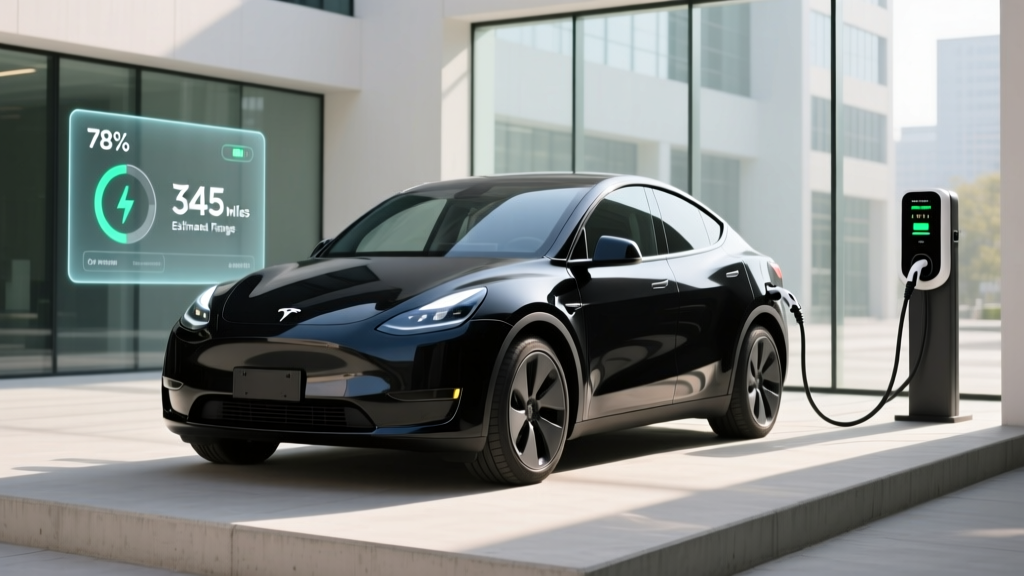
But here's why that matters stateside: the Juniper-refreshed Model Y that Tesla began delivering in the US in early 2026 shares its core architecture with the Chinese-built variant. Understanding what's happening in China—where Tesla has historically used as a proving ground for manufacturing efficiency and feature rollouts—gives US buyers a clearer read on the vehicle they're actually purchasing. This review breaks down the 2026 US-spec Model Y Long Range AWD with full specs, real-world range data, and ownership economics.
2026 Tesla Model Y Long Range AWD: Core Specifications
| Attribute | Value |
|---|---|
| EPA Estimated Range | 320 miles |
| Battery Capacity (Usable) | ~78 kWh, NMC (nickel manganese cobalt) |
| Drivetrain | Dual-motor AWD |
| Horsepower | 384 hp (combined) |
| 0–60 mph | 4.8 seconds |
| Peak DC Fast Charge | 250 kW |
| 10–80% DC Charge Time | ~25 minutes |
| Level 2 Home Charging | 11.5 kW (~44 miles/hr) |
| EPA Efficiency | 117 MPGe combined / 29 kWh/100mi |
| Cargo Volume (rear seats up) | 30.2 cu ft |
| Cargo Volume (rear seats folded) | 72.0 cu ft |
| Rear Legroom | 40.5 inches |
| Base MSRP (Long Range AWD) | $46,630 (incl. destination) |
| Performance AWD MSRP | $51,630 (incl. destination) |
| Battery & Drive Unit Warranty | 8 years / 120,000 miles |
| Basic Vehicle Warranty | 4 years / 50,000 miles |
Sources: EPA fueleconomy.gov, Tesla Model Y Design Page.
Real-World Range: What the EPA Sticker Doesn't Tell You
EPA Estimate: 320 miles
Real-World Highway (70 mph, mild weather): ~265–285 miles
Real-World City/Mixed Driving: ~290–310 miles
Cold Weather (below 32°F, mixed driving): ~220–255 miles
Note: Range varies with speed, temperature, elevation, HVAC use, and tire condition.
The Juniper refresh brought modest aerodynamic improvements and a revised heat pump system that reduces cold-weather range penalty compared to the pre-2025 Model Y. Tesla's heat pump now preconditions the cabin and battery more aggressively, meaning winter commuters will see less of the 30%+ range drop that plagued earlier EVs. Still, physics is physics: sustained 75+ mph highway driving with headwinds will push you closer to 260 miles of usable range before you need to plan a charge stop.
For daily commuting under 80 miles round-trip, the Model Y Long Range offers substantial buffer. Road trippers should plan charging stops every 200–230 miles to stay in the fast-charging sweet spot (below 80% State of Charge) and avoid the steep taper that occurs above 80%.
Charging Performance: DC Fast, Level 2, and the Curve Reality
| Charging Level | Max Power | Approx. Miles Added per Hour | Typical Use Case |
|---|---|---|---|
| Level 1 (120V household) | ~1.4 kW | ~5 mi/hr | Emergency / overnight trickle |
| Level 2 (240V home, 48A) | 11.5 kW | ~44 mi/hr | Daily home charging |
| DC Fast (Tesla Supercharger V3) | 250 kW peak | ~200+ mi in 15 min | Road trips |
| DC Fast (CCS adapter, 350 kW station) | ~250 kW peak (vehicle-limited) | ~200+ mi in 15 min | Non-Tesla networks |
The Model Y Long Range peaks at 250 kW on a V3 Supercharger, but that peak only sustains roughly between 10% and 30% State of Charge. By 50% SoC, the rate typically drops to around 150 kW, and above 80% it tapers sharply to under 50 kW. This charge-curve behavior means the advertised "15-minute charge" headline applies to a specific SoC window—not the full 10–80% session, which takes closer to 25 minutes.
At home on a 48-amp Level 2 wall connector (requiring a 60-amp circuit), you'll add roughly 44 miles of range per hour. An overnight 8-hour session replenishes about 350 miles—more than a full battery. Installation costs for a Level 2 home setup typically range from $800 to $2,500 depending on panel capacity and run length. If your home has a 100-amp main panel, budget an additional $1,500–$3,000 for a panel upgrade to support continuous 48-amp EV charging alongside other household loads.
One significant 2026 advantage: the Model Y now ships with a native NACS (North American Charging Standard) port, meaning full access to Tesla's Supercharger network without adapters. For Electrify America, EVgo, and other CCS-based networks, Tesla sells a CCS adapter (approximately $175), and most major networks have added NACS cables at new installations throughout 2025–2026.
Performance, Ride, and the Juniper Interior Overhaul
The 384-hp dual-motor AWD powertrain delivers a 4.8-second 0–60 mph time—quick enough to merge confidently and overtake without drama, though the Performance trim shaves that to 3.5 seconds for buyers who prioritize acceleration. The instant torque delivery characteristic of electric motors means the Model Y feels faster in city driving than its 0–60 time alone suggests.
The Juniper refresh addressed the most common complaint about the pre-2025 Model Y: ride quality. Tesla retuned the suspension with new dampers and added acoustic laminated glass to all windows, reducing highway cabin noise by a noticeable margin. The interior now features ventilated front seats (previously absent on non-Performance trims), ambient lighting, and a rear-seat touchscreen for climate and entertainment control—a feature borrowed from the Cybertruck and refreshed Model 3.
The 15.4-inch center touchscreen continues to run Tesla's proprietary infotainment OS. There is no Apple CarPlay or Android Auto, which remains a dealbreaker for some buyers accustomed to phone-mirroring interfaces. Navigation, media, and vehicle controls are all integrated, and the system is responsive, but the walled-garden approach means you're locked into Tesla's ecosystem for apps and updates.
On the driver-assistance front, the Model Y ships with Tesla's Basic Autopilot (lane centering + adaptive cruise). Full Self-Driving (Supervised) remains an $8,000 add-on or $99/month subscription. To be explicit: FSD is an SAE Level 2 system—it requires continuous driver supervision and does not make the vehicle autonomous. The driver is legally and operationally responsible at all times.
Tesla Autopilot and FSD (Supervised) are SAE Level 2 systems. The driver must keep hands on the wheel (or demonstrate attention via camera monitoring) and remain fully engaged. These systems assist with steering, acceleration, and braking but do not replace the driver. Only Level 4 services like Waymo operate without a human driver in defined geographic areas.
Pricing, Tax Credits, and Total Cost of Ownership
| Trim | MSRP (incl. destination) | §30D Credit Eligible? | Effective Price (with credit) |
|---|---|---|---|
| Long Range RWD | $44,130 | Yes — up to $7,500* | ~$36,630* |
| Long Range AWD | $46,630 | Yes — up to $7,500* | ~$39,130* |
| Performance AWD | $51,630 | Yes — up to $7,500* | ~$44,130* |
*Federal §30D tax credit eligibility depends on multiple requirements per IRS rules: buyer modified adjusted gross income must not exceed $150,000 (single) / $300,000 (joint); vehicle MSRP must be under $80,000 for SUVs (all Model Y trims qualify); and the vehicle must meet battery critical-mineral and component sourcing thresholds that change annually. The credit can now be transferred to the dealer at point of sale, reducing the purchase price directly. Consult a tax professional to confirm your eligibility.
The Model Y's position under the $80,000 SUV MSRP cap and Tesla's ongoing work to comply with battery-sourcing requirements have kept most trims eligible for the full $7,500 credit through early 2026. However, sourcing rules tighten each year under the Inflation Reduction Act, and eligibility can shift mid-year. Always verify current status on the IRS clean vehicle credit page before purchasing.
On a 5-year total cost of ownership basis, the Model Y Long Range AWD benefits from:
- Electricity cost: ~$0.13/kWh national average = ~$0.038/mile (vs. ~$0.11/mile for a 28-MPG gas crossover at $3.10/gal)
- Maintenance savings: No oil changes, minimal brake wear (regen braking), cabin air filter replacements every 2 years
- Insurance: Typically 15–25% higher than comparable gas crossovers—a real cost that partially offsets fuel savings
- Depreciation: Tesla's price cuts in 2023–2024 compressed resale values; expect 45–55% retention at 5 years, below the segment-leading Toyota RAV4 Hybrid
How the 2026 Model Y Stacks Up Against Key Competitors
The mid-size electric crossover segment has matured significantly. Here's how the Model Y compares on the metrics buyers actually research:
| Spec | Tesla Model Y LR AWD | Hyundai Ioniq 5 AWD | Ford Mustang Mach-E ER AWD |
|---|---|---|---|
| EPA Range | 320 mi | 290 mi | 305 mi |
| Battery | 78 kWh NMC | 84 kWh NMC | 91 kWh NMC |
| Peak DC Charge | 250 kW | 350 kW (800V) | 150 kW |
| 10–80% Time | ~25 min | ~18 min | ~38 min |
| 0–60 mph | 4.8 sec | 5.1 sec | 5.1 sec |
| Cargo (rear up) | 30.2 cu ft | 27.2 cu ft | 29.7 cu ft |
| Base MSRP | $46,630 | $50,200 | $48,995 |
The Model Y's advantages remain efficiency (fewer kWh per mile means more range from a smaller battery), the Supercharger network's reliability, and cargo versatility. The Ioniq 5's 800V architecture delivers meaningfully faster DC charging—a real advantage on road trips where a 7-minute difference per stop adds up over 1,000 miles. The Mach-E offers a more traditional cockpit layout with physical controls and CarPlay, which appeals to buyers who find Tesla's touchscreen-only approach distracting.
- Class-leading efficiency (29 kWh/100mi)
- Supercharger network access (NACS native)
- Strong cargo capacity and frunk storage
- Over-the-air updates add features post-purchase
- Improved ride quality with Juniper refresh
- No Apple CarPlay or Android Auto
- Touchscreen-only controls can distract while driving
- Insurance premiums above segment average
- Resale value uncertainty after prior price cuts
- FSD ($8,000) remains Level 2 despite the name
Who Should Buy the 2026 Tesla Model Y?
- Daily commuters with home charging access who value low per-mile energy costs and minimal maintenance
- Small families needing 30+ cu ft cargo space with rear seats up and the option for road trips without range drama
- Tech-forward buyers comfortable with touchscreen-centric interfaces and over-the-air feature updates
- Road trippers who prioritize Supercharger network reliability over the fastest possible DC charge speeds
- You require Apple CarPlay/Android Auto for daily navigation
- You frequently tow (the Model Y's 3,500-lb tow rating trails gas crossovers)
- You want the fastest DC charging available (Ioniq 5's 800V system is 7 minutes quicker per session)
- You prefer physical buttons and a traditional instrument cluster
The Tesla China February 2026 sales slowdown reflects a maturing Chinese market where domestic competitors undercut Tesla on price, not a fundamental problem with the Model Y platform. For US buyers, the Juniper refresh addresses the most-cited complaints—ride harshness, cabin noise, rear-seat comfort—while retaining the efficiency and charging-network advantages that have kept the Model Y the best-selling EV in North America. At roughly $39,000 after the federal credit, the Long Range AWD remains the value center of the lineup and the trim we'd recommend for most buyers.
Frequently Asked Questions
What is the real-world range of the 2026 Tesla Model Y Long Range?
The EPA rates it at 320 miles. In real-world mixed driving at moderate temperatures, expect 290–310 miles. Sustained highway driving at 70+ mph reduces that to roughly 265–285 miles. In freezing temperatures with cabin heating, plan for 220–255 miles before needing a charge.
How fast does the 2026 Model Y charge at home and on the road?
On a 48-amp Level 2 home charger, it adds about 44 miles of range per hour (11.5 kW), fully replenishing overnight. On a Tesla V3 Supercharger, it peaks at 250 kW and charges from 10–80% in approximately 25 minutes. Non-Tesla CCS networks work with an adapter at similar speeds.
Does the 2026 Model Y qualify for the $7,500 federal EV tax credit?
Most trims currently qualify, but eligibility depends on your income (under $150K single / $300K joint MAGI), the vehicle's MSRP (under $80K for SUVs—all trims qualify), and battery-sourcing requirements that change annually. The credit can be applied at point of sale. Verify current eligibility at irs.gov before purchasing.
Is the Model Y worth buying over the Hyundai Ioniq 5 or Ford Mach-E?
Choose the Model Y if Supercharger access, cargo space, and efficiency are your priorities. Choose the Ioniq 5 if faster DC charging (18-min 10–80%) matters for frequent road trips. Choose the Mach-E if you prefer physical controls, CarPlay, and a more conventional cabin layout. All three are strong—your decision should hinge on charging access and interface preference.
What is the battery warranty on the 2026 Model Y?
Tesla covers the battery and drive unit for 8 years or 120,000 miles (whichever comes first) with a minimum 70% capacity retention threshold. The basic vehicle warranty is 4 years or 50,000 miles. Battery degradation data from Tesla's fleet suggests most Model Y batteries retain 85–90% capacity at 100,000 miles under normal use.