The Tesla Sales Trajectory: From Niche to Mass Market
Tracking Tesla car sales by year reveals one of the most aggressive production ramp-ups in automotive history. What began with a few thousand Roadsters has evolved into a global operation delivering nearly 1.8 million vehicles in 2023 and approximately 1.79 million in 2024. For buyers researching the brand, understanding these sales figures provides critical context: high volume means a robust Supercharger network, widespread service centers, and strong resale liquidity, but it also means you are buying a mass-market appliance rather than an exclusive status symbol.
This analysis breaks down the sales data, market dominance, and the specific 2026 model-year specs that continue to drive these numbers, helping you decide which Tesla—if any—earns a spot in your driveway.
Global Delivery Data: Tesla Car Sales by Year (2019–2024)
Tesla's growth curve is defined by the introduction of the Model 3 and the subsequent explosion of the Model Y. The table below illustrates the shift from a low-volume luxury automaker to a global volume leader.
| Year | Total Deliveries | Model 3 + Y (Volume) | Model S + X (Premium) | YoY Growth |
|---|---|---|---|---|
| 2019 | 367,500 | 302,350 | 65,150 | +50% |
| 2020 | 499,550 | 442,550 | 57,000 | +36% |
| 2021 | 936,172 | 911,200 | 24,972 | +87% |
| 2022 | 1,313,851 | 1,247,146 | 66,705 | +40% |
| 2023 | 1,808,581 | 1,739,707 | 68,874 | +38% |
| 2024 | ~1,789,226 | ~1,704,093 | ~85,133 | -1% |
Source: Tesla Quarterly Production & Delivery Reports. 2024 figures represent preliminary/full-year estimates based on Q1-Q3 data.
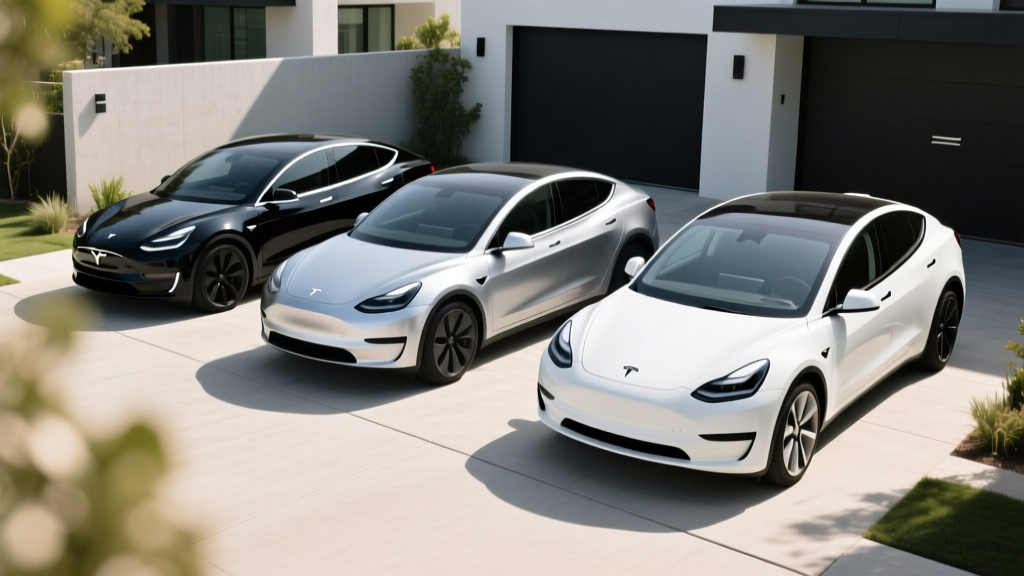
The data shows that the Model 3 and Model Y account for over 95% of all Tesla sales. For consumers, this high-volume production is a double-edged sword: it ensures the longevity of the company and the expansion of infrastructure, but it also leads to the "ubiquity effect"—these vehicles are now as common on the road as the Toyota Camry or Honda CR-V.
The Volume Kings: Model 3 and Model Y Specs & Real-World Performance
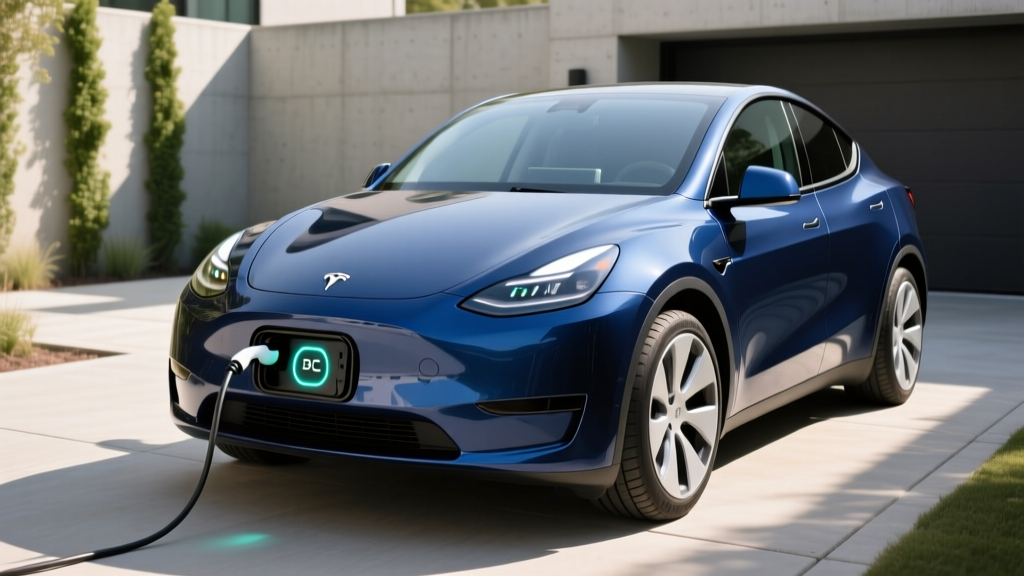
The Model 3 (sedan) and Model Y (crossover) are the primary drivers of Tesla's sales volume. Both utilize a mix of LFP (Lithium Iron Phosphate) and NMC (Nickel Manganese Cobalt) battery chemistries depending on the trim and manufacturing origin.
2026 Tesla Model 3 Long Range AWD
| EPA Range | 341 miles |
|---|---|
| Battery Capacity | 79 kWh (NMC) |
| Efficiency | 132 MPGe / 25 kWh/100mi |
| 0-60 mph | 4.2 seconds |
| Drivetrain | Dual-Motor AWD |
| Cargo Volume | 23 cu ft (trunk) + Frunk |
| Base MSRP | $47,740 |
2026 Tesla Model Y Long Range AWD
| EPA Range | 320 miles (Juniper Refresh) |
|---|---|
| Battery Capacity | 78.1 kWh (NMC) |
| Efficiency | 122 MPGe / 27 kWh/100mi |
| 0-60 mph | 4.8 seconds |
| Drivetrain | Dual-Motor AWD |
| Cargo Volume | 72 cu ft (rear seats folded) |
| Base MSRP | $48,990 |
Charging Infrastructure: The Supercharger Moat
A significant factor in Tesla’s sustained sales is the proprietary Supercharger network, now transitioning to the North American Charging Standard (NACS). In 2026, Tesla’s charging advantage remains its reliability and plug-and-play integration, though competitors using NACS are beginning to access the network.
| Charging Level | Power/Rate | Time/Speed | Notes |
|---|---|---|---|
| Level 1 (120V) | 1.4 kW | ~3-5 miles/hr | Emergency/trickle only |
| Level 2 (240V/48A) | 11.5 kW | ~44 miles/hr | Home Wall Connector |
| DC Fast (V3/V4) | 250 kW Peak | 10-80% in ~25 min | Charge curve tapers significantly above 80% |
For long-distance travel, the ability to add 200 miles of range in 15 minutes at a V3 or V4 Supercharger remains a primary reason buyers choose Tesla over other EV brands. However, the "charge curve" is a reality: the 250 kW peak only occurs between 10% and 40% State of Charge (SoC); above 60%, speeds drop to protect the battery's long-term health.
Premium and Niche: Model S, Model X, and the Cybertruck
While the 3 and Y drive volume, the Model S and X serve as halo products. Sales for these models have stabilized at roughly 50,000–80,000 units annually, representing a small fraction of the total.
- Model S Plaid: 1,020 HP, 0-60 in 1.99s, and 396 miles of range. It remains a benchmark for performance sedans, though its $90,000+ price tag limits its sales volume.
- Model X: The falcon-wing doors and 348-mile range make it a unique family hauler, but its high price and aging platform have led to lower sales figures compared to the Model Y.
- Cybertruck: Introduced in late 2023, it has become a high-volume niche product, though it faces polarizing reception and production ramp challenges.
Federal Tax Credits and Ownership Economics
Under the IRS §30D rules for 2026, federal tax credit eligibility is complex. Buyers must navigate MSRP caps, income limits, and strict battery-sourcing requirements.
| Model | Base MSRP | Est. Credit (if eligible) | Effective Price |
|---|---|---|---|
| Model 3 RWD | $38,990 | $7,500 (Point-of-Sale) | ~$31,490 |
| Model 3 Long Range | $47,740 | $7,500 (Point-of-Sale) | ~$40,240 |
| Model Y Long Range | $48,990 | $7,500 (Point-of-Sale) | ~$41,490 |
Eligibility Checklist (2026):
- Income Caps: AGI must not exceed $150k (single) / $300k (joint).
- MSRP Caps: Sedans (Model 3) must be under $55k; SUVs/Trucks (Model Y, Cybertruck) under $80k.
- Sourcing: Battery components and critical minerals must meet phased-in North American or FTA-partner thresholds.
Always verify current rules at IRS.gov or fueleconomy.gov as sourcing requirements change annually.
Decision Framework: Is a Tesla Right for You?
Choose a Tesla if:
- You travel frequently and need the most reliable DC fast-charging network available.
- You prioritize software integration, OTA updates, and mobile app connectivity.
- You want the highest efficiency (miles per kWh) in the current market.
Look at competitors (Hyundai, Ford, BMW) if:
- You prefer traditional build quality, physical buttons, or luxury-grade interior materials.
- You require specialized dealer service rather than mobile rangers or service centers.
- You are concerned about the "ubiquity" of the brand and want something more distinctive.
Frequently Asked Questions
What is the best-selling Tesla model?
The Model Y is the best-selling Tesla and one of the best-selling vehicles globally, accounting for over 700,000 deliveries in 2023 alone.
Do Teslas hold their value?
Tesla resale values are volatile and have depreciated significantly since 2022 due to aggressive price cuts on new models and increased competition. However, they remain highly liquid in the used market.
Is the battery warranty competitive?
Tesla offers an 8-year/100,000-mile warranty (120,000 miles for Long Range/Performance) with a minimum 70% capacity retention guarantee, which is standard for the industry.