Understanding Tesla Brake Fluid Maintenance
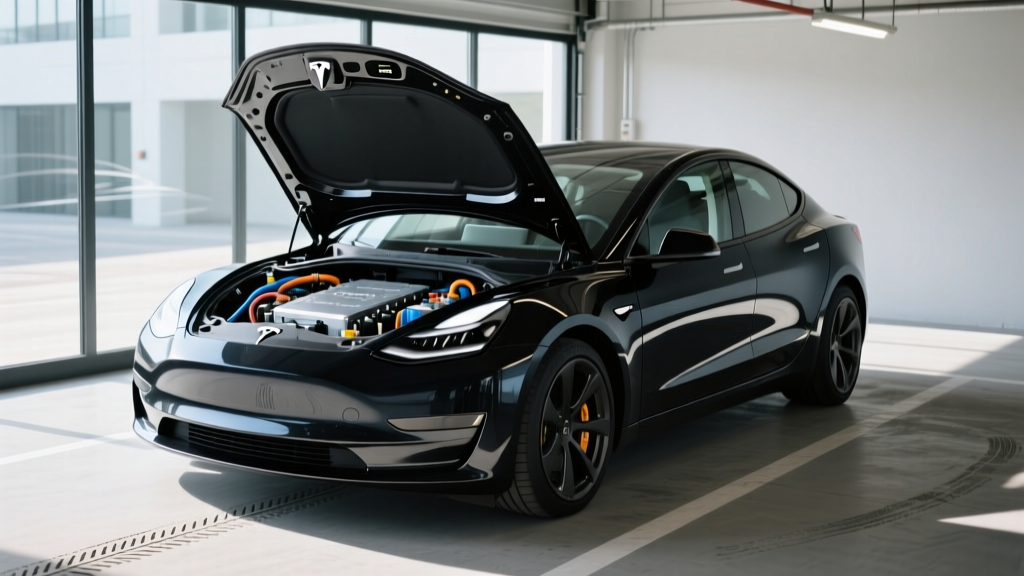
Tesla owners often wonder about brake fluid maintenance in their electric vehicles. Unlike traditional gas cars, Teslas use regenerative braking extensively, which significantly reduces wear on brake components. However, brake fluid still requires periodic attention to ensure optimal performance and safety.
According to Tesla's official service guidelines, brake fluid should be tested every 2 years and replaced as needed. The brake fluid in a Tesla doesn't degrade from heat cycles like in ICE vehicles due to less frequent friction brake use, but it can still absorb moisture over time, potentially affecting braking performance.
When to Check Brake Fluid
- Every 2 years during scheduled service
- If you notice a soft or spongy brake pedal
- After driving in extremely humid conditions for extended periods
- If the brake warning light illuminates
DIY vs Professional Service
While you can visually check the brake fluid reservoir level yourself, Tesla recommends professional testing using moisture test strips. Most Tesla Service Centers and mobile service technicians can perform this check during routine maintenance visits.
2026 Tesla Model 3: Range, Efficiency, and Real-World Performance
| Specification | Model 3 RWD | Model 3 Long Range AWD | Model 3 Performance |
|---|---|---|---|
| EPA Range | 272 miles | 363 miles | 315 miles |
| Battery Capacity | 57.5 kWh (LFP) | 82 kWh (NMC) | 82 kWh (NMC) |
| Efficiency | 25 kWh/100mi | 24 kWh/100mi | 28 kWh/100mi |
| MPGe Combined | 132 MPGe | 134 MPGe | 115 MPGe |
| 0-60 mph | 5.8 seconds | 4.2 seconds | 2.9 seconds |
| Horsepower | 283 hp | 384 hp | 510 hp |
| Drivetrain | RWD | AWD Dual Motor | AWD Dual Motor |
Real-World Range Expectations
EPA Estimated: 272-363 miles depending on trim
Real-World Highway: Expect 10-15% reduction at sustained 70+ mph speeds. The Long Range AWD typically delivers 310-325 miles on highway road trips.
Cold Weather Impact: In temperatures below 40°F, range can drop 20-30% due to battery chemistry limitations and cabin heating demands. Preconditioning while plugged in mitigates this loss significantly.
City Driving: Regenerative braking in stop-and-go traffic often exceeds EPA estimates, with many owners reporting 5-10% better range in urban environments.
Tesla Charging Speeds: DC Fast Charging and Home Setup
| Charging Method | Power (kW) | Miles Added per Hour | 10-80% Time |
|---|---|---|---|
| Level 1 (120V) | 1.4 kW | 3-5 miles | Not practical |
| Level 2 (240V, 32A) | 7.7 kW | 30-44 miles | 8-10 hours |
| Level 2 (240V, 48A) | 11.5 kW | 44-60 miles | 6-8 hours |
| Tesla Supercharger V3 | 250 kW peak | 1,000+ miles (peak) | 25-30 minutes |
| Tesla Supercharger V4 | 350 kW peak | 1,300+ miles (peak) | 18-22 minutes |
Understanding the Charge Curve
Peak charging speeds only occur between 10-30% State of Charge (SoC). Above 50%, charging speed tapers significantly to protect battery health. A typical Supercharger session spends only 5-8 minutes at peak rate before tapering begins.
For optimal battery longevity, Tesla recommends:
- Daily charging to 80% for LFP batteries (Model 3 RWD)
- Daily charging to 80% for NMC batteries (Long Range, Performance)
- 100% charge only when needed for long trips
- Precondition the battery before fast charging (navigation to Supercharger does this automatically)
2026 Tesla Model 3 Pricing and Federal Tax Credit Eligibility
| Trim Level | Base MSRP | Federal Tax Credit | Effective Price |
|---|---|---|---|
| Model 3 RWD | $38,990 | Up to $7,500* | $31,490* |
| Model 3 Long Range AWD | $47,740 | Up to $7,500* | $40,240* |
| Model 3 Performance | $54,990 | Up to $7,500* | $47,490* |
*Tax credit eligibility depends on buyer income, battery sourcing requirements, and MSRP caps under IRS §30D rules. Consult a tax professional.
IRS §30D Tax Credit Requirements (2026)
According to IRS guidelines, the federal EV tax credit has several eligibility requirements:
- Income Caps: Modified AGI cannot exceed $300,000 (joint), $225,000 (head of household), or $150,000 (single)
- MSRP Caps: Vehicle MSRP must not exceed $55,000 for sedans, $80,000 for SUVs/trucks
- Battery Sourcing: Critical minerals and battery components must meet North American sourcing thresholds (increasing annually through 2029)
- Point-of-Sale Transfer: Eligible buyers can transfer the credit to the dealer for an immediate price reduction
All 2026 Model 3 trims fall under the $55,000 sedan MSRP cap, making them potentially eligible for the full credit if battery sourcing requirements are met and buyer income qualifies.
Tesla Model 3 Interior Space, Technology, and Driver Assistance
Cargo and Passenger Dimensions
- Front Legroom: 42.7 inches
- Rear Legroom: 35.2 inches
- Trunk Volume: 23 cubic feet (rear trunk)
- Frunk Volume: 3.1 cubic feet
- Total Cargo: 26.1 cubic feet
Infotainment and Technology
The Model 3 features a 15.4-inch touchscreen controlling all vehicle functions. Notable tech includes:
- Over-the-air software updates adding new features
- Tesla app for remote monitoring and control
- Sentry Mode security camera system
- Phone-as-key functionality
- Premium audio with 14 speakers (Long Range/Performance)
Driver Assistance Systems
SAE Automation Level: Level 2
Tesla's Autopilot and Full Self-Driving (Supervised) are Level 2 driver-assistance systems. The driver must remain engaged, hands on wheel, and ready to take control at any moment. This is NOT autonomous driving.
- Basic Autopilot (included): Traffic-aware cruise control, lane keeping assist
- Enhanced Autopilot ($6,000): Navigate on Autopilot, auto lane change, autopark, summon
- Full Self-Driving Supervised ($8,000): Traffic light and stop sign control, city street driving assistance
Tesla Warranty Coverage and Long-Term Ownership
| Coverage Type | Duration | Mileage Limit |
|---|---|---|
| Basic Vehicle Warranty | 4 years | 50,000 miles |
| Battery & Drive Unit (RWD) | 8 years | 100,000 miles |
| Battery & Drive Unit (LR/Perf) | 8 years | 120,000 miles |
| Battery Capacity Retention | Minimum 70% | During warranty period |
Battery Longevity Insights
Tesla's LFP batteries (Model 3 RWD) typically show less degradation than NMC chemistry, with many owners reporting 5-8% capacity loss after 100,000 miles. NMC batteries in Long Range and Performance models average 8-12% degradation over the same distance.
According to fueleconomy.gov, modern EV batteries are designed to last the lifetime of the vehicle, with replacement rarely needed under normal use conditions.
Pros and Cons: Is the Tesla Model 3 Right for You?
Pros
- Extensive Supercharger network with reliable 250-350 kW charging
- Excellent efficiency (24-28 kWh/100mi) reduces charging costs
- Strong performance even in base RWD trim
- Over-the-air updates continuously add features
- Low maintenance costs (no oil changes, minimal brake wear)
- Strong resale value compared to competitors
- Federal tax credit eligibility reduces effective price
Cons
- Minimalist interior lacks physical controls some drivers prefer
- Rear seat space tighter than competitors (Hyundai Ioniq 6, BMW i4)
- FSD subscription expensive and still requires full driver attention
- Insurance costs higher than average for the segment
- Limited dealer network for service compared to legacy brands
- Cold weather range loss more pronounced than some competitors
Who Should Buy the Tesla Model 3?
Best For:
- Commuters: Excellent efficiency and regenerative braking excel in stop-and-go traffic
- Tech Enthusiasts: OTA updates and app integration provide cutting-edge features
- Road Trippers: Supercharger network makes long-distance travel practical
- Performance Seekers: Even base model offers sports-car acceleration
Consider Alternatives If:
- You need maximum rear seat space (consider Hyundai Ioniq 6 or BMW i4)
- You prefer traditional dealer service networks
- You want physical buttons and gauges
- You live in an area with limited charging infrastructure
Frequently Asked Questions
How often should I check Tesla brake fluid?
Tesla recommends testing brake fluid every 2 years. Due to regenerative braking reducing friction brake use, the fluid typically lasts longer than in gas vehicles, but moisture absorption still occurs over time.
What is the real-world range of a Tesla Model 3?
The EPA rates the 2026 Model 3 Long Range at 363 miles, but real-world highway driving typically yields 310-325 miles. Cold weather can reduce range by 20-30%, while city driving with regenerative braking often exceeds EPA estimates.
How fast does the Model 3 charge at home?
With a 48-amp Level 2 charger (11.5 kW), the Model 3 adds 44-60 miles per hour, fully charging in 6-8 hours. Most owners install 32-amp chargers (7.7 kW) for overnight charging, adding 30-44 miles per hour.
Does the Tesla Model 3 qualify for the federal EV tax credit?
Yes, all 2026 Model 3 trims are potentially eligible for up to $7,500 under IRS §30D, provided the buyer meets income requirements (under $150,000-$300,000 depending on filing status) and the vehicle meets battery sourcing requirements. The credit can be transferred to the dealer at point of sale.
Is the Model 3 worth buying vs competitors?
The Model 3 excels in charging infrastructure, efficiency, and software features. Competitors like the Hyundai Ioniq 6 offer more rear space and traditional controls, while the BMW i4 provides a more premium interior. Choose Tesla if Supercharger access and tech features are priorities.
What are the biggest pros and cons of the Model 3?
Major pros include the Supercharger network, excellent efficiency, strong performance, and continuous feature updates. Cons include minimalist controls, tight rear seating, expensive FSD option, and higher insurance costs.
How long does a Tesla battery last?
Tesla warranties batteries for 8 years/100,000-120,000 miles with minimum 70% capacity retention. Real-world data shows most Tesla batteries retain 85-90% capacity after 100,000 miles, with replacement rarely needed.