Search for "Tesla baby car" and you'll find years of speculation, concept renders, and Elon Musk's on-again, off-again promises of a $25,000 electric vehicle. As of early 2026, Tesla has not officially released a subcompact, ultra-affordable EV — but the company's pivot toward a next-generation platform built in Austin (internally referred to as "Redwood") has reignited the conversation. This profile dissects what we know, what remains announced, and which currently available Teslas and competitors actually fill the "baby Tesla" gap for buyers shopping right now.
What Is the Tesla Baby Car (and Does It Exist Yet)?
The nickname "Tesla baby car" has been applied loosely to several ideas over the years:
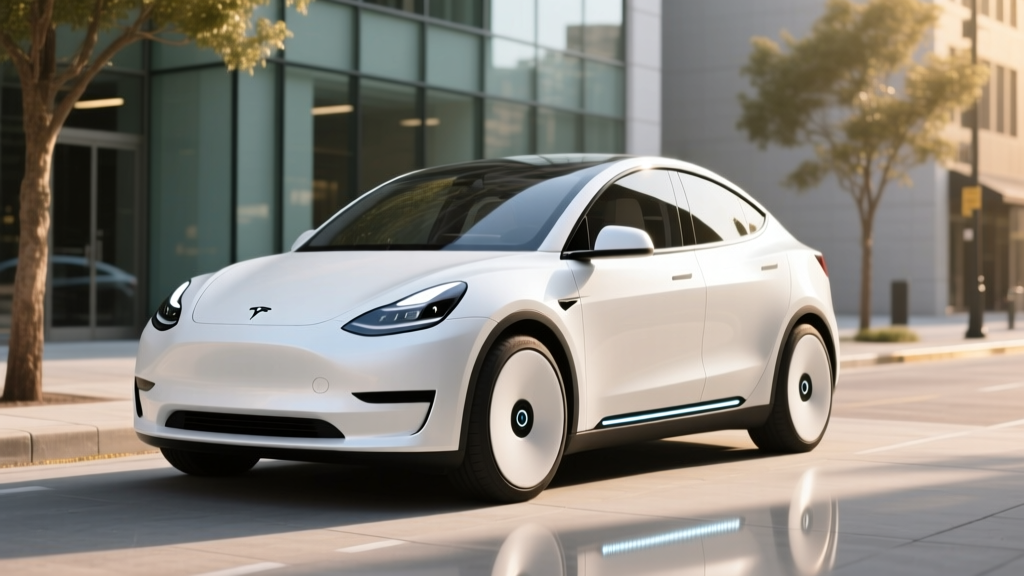
- Project Redwood / next-gen compact: A smaller, lower-cost Tesla built on a new unboxed platform, hinted at during Tesla's 2023 Investor Day and subsequent earnings calls. Production timing has shifted multiple times.
- Model 2 (unofficial name): Media shorthand for a hatchback-sized Tesla below the Model 3 in price and footprint.
- Model 3 RWD (the practical answer): The most affordable Tesla you can actually buy today, often what shoppers land on when searching for a "baby Tesla."
The Closest Thing You Can Buy: 2026 Tesla Model 3 RWD
For buyers searching "Tesla baby car" with a purchase in mind, the Model 3 Rear-Wheel Drive is the entry point into the Tesla ecosystem. It's smaller, lighter, and cheaper than the Model Y, and it's the trim most directly competing with the Hyundai Ioniq 6, Chevrolet Equinox EV, and Volvo EX30.
| Spec | Value |
|---|---|
| EPA-estimated range | 341 miles |
| Battery (usable) | ~57.5 kWh, LFP (CATL) |
| Peak DC fast charge | 170 kW |
| 10-80% DC time | ~28 minutes |
| Level 2 (11.5 kW AC) | ~44 miles per hour |
| 0-60 mph | 5.8 seconds |
| Horsepower | 271 hp |
| Drivetrain | Single-motor RWD |
| Efficiency | 132 MPGe combined / 25 kWh/100 mi |
| Cargo (rear trunk + frunk) | 23 cu ft total |
| Base MSRP | $38,990 (before destination) |
| Battery warranty | 8 years / 100,000 miles |
Source: fueleconomy.gov, Tesla spec sheets.
Real-World Range: What the EPA Sticker Doesn't Tell You
The Model 3 RWD's 341-mile EPA figure is legitimate, but real-world results depend heavily on speed, temperature, and terrain. At sustained 75-80 mph highway speeds, LFP-equipped Model 3s typically deliver 275-300 miles before requiring a charge. In sub-freezing temperatures with cabin heating, that number can drop to 220-250 miles — a 20-35% reduction typical of EVs without a dedicated heat-pump-optimized thermal loop. City/regenerative driving recovers more range, often pushing the car back toward its EPA number.
Charging Speed: The LFP Trade-Off
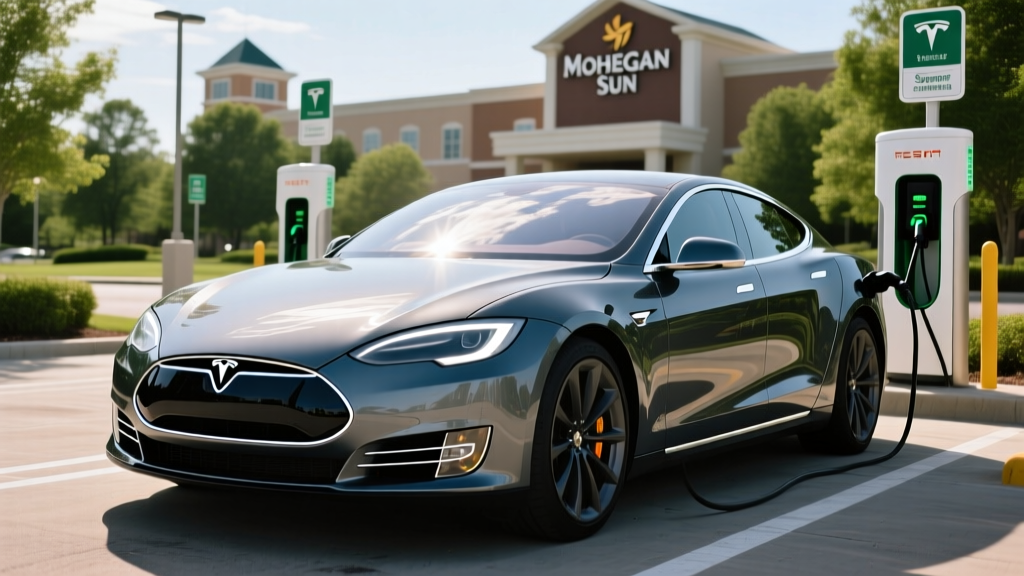
The Model 3 RWD uses a lithium iron phosphate (LFP) battery, which trades peak charge speed for longevity, lower cost, and a 100% daily-charge recommendation (unlike NMC packs, which Tesla advises keeping at 80% for daily use).
| Charging Level | Power | Speed |
|---|---|---|
| Level 1 (120V) | ~1.4 kW | ~5 mi/hr |
| Level 2 (240V, 48A) | 11.5 kW | ~44 mi/hr |
| DC fast (V3 Supercharger) | 170 kW peak | 10-80% in ~28 min |
The 170 kW peak is modest by 2026 standards — the Hyundai Ioniq 5 peaks at 240 kW, and the Porsche Macan EV at 270 kW — but Tesla's Supercharger network reliability and consistent charge-curve tuning often close the gap in practice. Above 80% SoC, LFP chemistry tapers aggressively; plan on adding 10-15 extra minutes if you need a full top-up.
Pricing, Trims, and the §30D Federal Tax Credit Question
| Trim | MSRP | After potential §30D credit |
|---|---|---|
| Model 3 RWD | $38,990 | ~$31,490 |
| Model 3 Long Range AWD | $47,740 | ~$40,240 |
| Model 3 Performance | $52,990 | ~$45,490 |
The federal §30D EV credit is up to $7,500, but eligibility hinges on three IRS rules that frequently trip up buyers:
- MSRP cap: Sedans must be ≤$55,000 (all Model 3 trims qualify).
- Buyer income cap: AGI ≤$150,000 single / $300,000 joint.
- Battery sourcing: Critical-mineral and battery-component rules tighten yearly; LFP cells from CATL have faced partial-credit outcomes depending on the model year's sourcing threshold.
As of 2026, the point-of-sale transfer option lets dealers apply the credit at purchase rather than waiting for tax filing. Confirm the exact eligible amount on IRS.gov or with a tax professional before signing — partial credits ($3,750) are common when one of the two sourcing tests isn't met.
What About the Unreleased "Redwood" Compact Tesla?
Tesla's stated goal has been a ~$25,000 compact EV on a next-gen platform with roughly 250 miles of range, an even smaller LFP pack (~50 kWh estimated), and significantly lower manufacturing cost through the "unboxed" assembly process. If and when it arrives, it would slot below the Model 3 and compete directly with the Chevy Equinox EV, Hyundai Kona Electric, and Kia EV3. Until Tesla confirms production timing, final specs, and pricing, treat all "Model 2" listings as speculative.
Pros, Cons, and Who the Model 3 RWD Actually Fits
Pros
- Class-leading efficiency (132 MPGe combined)
- Access to Tesla Supercharger network (NACS native)
- LFP battery: 100% daily charging OK, strong cycle life
- Excellent OTA updates and infotainment
- Strong safety ratings (IIHS Top Safety Pick+)
Cons
- 170 kW peak DC charge is slower than rivals
- Rear seat and cargo tighter than Model Y / Ioniq 5
- Turn-signal stalks removed (steering-wheel buttons)
- Autopilot/FSD is SAE Level 2 — driver must stay engaged
- LFP cold-weather range loss more pronounced than NMC
Best suited for: Solo commuters, couples, and tech-forward buyers who want Supercharger access and can charge at home nightly. Less ideal for: Families needing large cargo volume (step up to Model Y), or buyers in extreme cold climates who want maximum range retention.
Is the Tesla Baby Car Worth It vs. Competitors?
| Model | EPA Range | Peak DC kW | Base MSRP |
|---|---|---|---|
| Tesla Model 3 RWD | 341 mi | 170 | $38,990 |
| Hyundai Ioniq 6 SE | 361 mi | 240 | $37,500 |
| Chevy Equinox EV LT | 319 mi | 150 | $33,600 |
| Volvo EX30 Single Motor | 265 mi | 153 | $36,150 |
The Model 3 wins on efficiency and charging-network access, but the Ioniq 6 charges faster and the Equinox EV undercuts on price. Choose Tesla if Supercharger reliability and software matter most; choose Hyundai or Chevy if you prioritize cost or DC-charge speed.
Frequently Asked Questions
What is the real-world range of the Tesla Model 3 RWD?
Around 275-300 miles on the highway in mild weather, dropping to 220-250 miles in freezing conditions with heat on. City driving with regen often approaches the 341-mile EPA sticker.
How fast does it charge at home and on the road?
Level 2 at 11.5 kW adds ~44 miles per hour (full overnight charge). DC fast charging peaks at 170 kW, reaching 10-80% in roughly 28 minutes on a V3 Supercharger.
How much does a Tesla Model 3 cost after tax credits?
The RWD trim starts at $38,990 and can drop to ~$31,490 if you qualify for the full $7,500 §30D credit (income, MSRP, and battery-sourcing rules all apply).
Does the Tesla Model 3 qualify for the federal EV tax credit?
It's on the IRS eligible list, but the final amount — $7,500, $3,750, or $0 — depends on your AGI and the specific model year's battery-sourcing compliance. Check fueleconomy.gov's credit lookup for the exact VIN-level outcome.
Is the "Tesla baby car" (Model 2 / Redwood) available to buy?
Not yet. The compact next-gen Tesla remains announced/preliminary. Until production starts, the Model 3 RWD is the smallest, most affordable new Tesla you can purchase.
Should I wait for the compact Tesla or buy a Model 3 now?
If you need an EV within the next 12 months, the Model 3 RWD is proven, credit-eligible, and widely available. If you can wait 18-24+ months and want something smaller and cheaper, monitoring Redwood updates is reasonable — but timing remains uncertain.