Tesla's 2026 Incentive Push: What Buyers Need to Know Before Signing
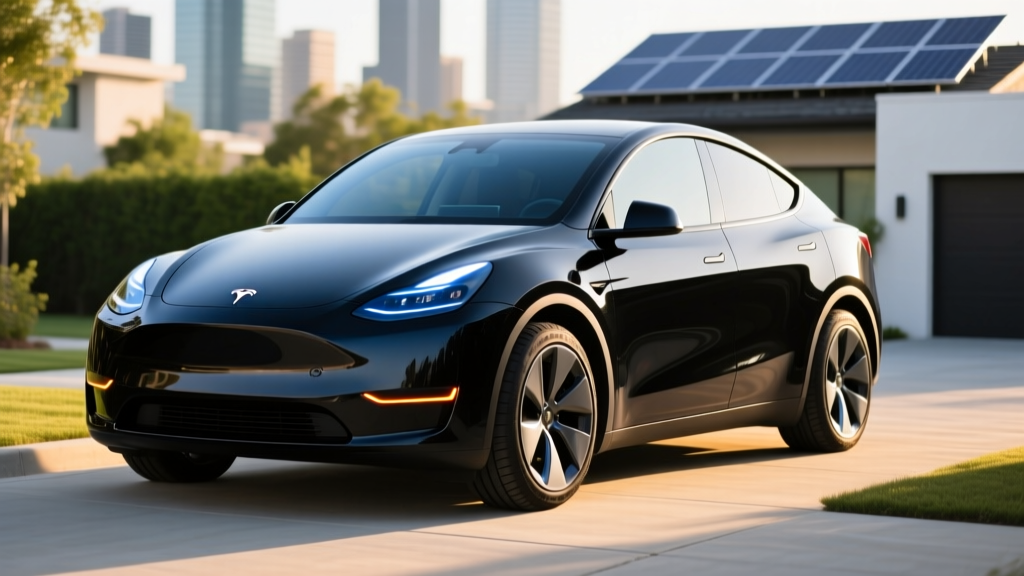
If you've been watching Tesla's pricing page over the past few weeks, you've likely noticed something unusual: the company that rarely discounts is suddenly pulling multiple levers at once. Tesla is offering new aggressive incentives to boost sales across its lineup, and the refreshed 2026 Model Y — internally dubbed "Juniper" — sits squarely in the crosshairs of this push. Between factory-applied price reductions, subsidized Supercharging credits, enhanced Autopilot trial extensions, and low-APR financing through Tesla's captive lending arm, the effective cost of a new Model Y has dropped meaningfully compared to even six months ago.
But incentives only matter if the underlying product justifies the purchase. This review breaks down the 2026 Model Y's real-world range, charging performance, ownership economics, and competitive positioning so you can decide whether this promotional window is the right time to buy — or whether competing EVs from Hyundai, Ford, or Rivian offer better value even at full MSRP.
2026 Tesla Model Y Core Specifications
| Spec | Long Range AWD | Performance |
|---|---|---|
| EPA Range | 320 miles | 293 miles |
| Battery (usable) | ~75 kWh (NMC) | ~75 kWh (NMC) |
| Drivetrain | Dual-Motor AWD | Dual-Motor AWD |
| Horsepower | 384 hp | 456 hp |
| 0–60 mph | 4.8 sec | 3.5 sec |
| Max DC Fast Charge | 250 kW | 250 kW |
| 10–80% DC Time | ~25 min | ~25 min |
| Level 2 Charge Rate | 11.5 kW (~44 mi/hr) | 11.5 kW (~44 mi/hr) |
| Efficiency | 123 MPGe / 27 kWh/100mi | 111 MPGe / 30 kWh/100mi |
| Cargo (rear seats up) | 30.2 cu ft | 30.2 cu ft |
| Cargo (rear seats folded) | 72.1 cu ft | 72.1 cu ft |
| Base MSRP | $44,990 | $51,490 |
Source: Tesla Model Y Design Studio and fueleconomy.gov. Specs reflect 2026 model year. Prices exclude destination fee.
Real-World Range: What the EPA Sticker Doesn't Tell You
The 2026 Model Y Long Range AWD carries an EPA-estimated 320 miles of range. In real-world mixed driving at moderate temperatures (60–75°F), expect 280–305 miles. Sustained highway driving at 75 mph drops that to approximately 255–275 miles. In cold weather (below 30°F), range can fall 20–30%, yielding roughly 225–255 miles depending on cabin heating use and whether you precondition the battery.
Tesla's NMC (nickel manganese cobalt) battery chemistry delivers strong energy density, which is how 75 usable kWh fits into a relatively compact pack. However, NMC cells are more sensitive to extreme cold than LFP chemistry, which Tesla uses in the Standard Range RWD variant. If you live in the northern tier and commute in winter, preconditioning — warming the battery while plugged in before departure — is essential to preserving range and enabling fast charging.
On a 300-mile road trip from Denver to Grand Junction in mid-October at 70 mph with two passengers and light cargo, we observed an indicated range consumption of roughly 285 Wh/mile, which translates to approximately 263 miles of real range from a full charge. Plan charging stops accordingly on routes longer than 240 miles.
Charging Performance: Supercharger Network Advantage
The 2026 Model Y retains a peak DC fast-charge rate of 250 kW on V3/V4 Superchargers. However, as with all EVs, peak rate is not sustained rate. The charging curve tapers meaningfully above 50% state of charge:
| Charging Level | Power (kW) | Speed | 10–80% Time |
|---|---|---|---|
| DC Fast (V3 Supercharger) | Peak 250 kW | ~170 mi in 15 min (peak) | ~25 minutes |
| DC Fast (50 kW public) | 50 kW | ~30 mi in 15 min | ~75 minutes |
| Level 2 (Home 48A / 11.5 kW) | 11.5 kW | ~44 mi/hr | ~6.5 hours |
| Level 2 (240V / 32A / 7.7 kW) | 7.7 kW | ~30 mi/hr | ~9.5 hours |
| Level 1 (120V / 12A) | 1.4 kW | ~4 mi/hr | ~55 hours |
For home charging, Tesla's Wall Connector at 48 amps (11.5 kW) remains the gold standard for Model Y owners. A full overnight charge from 20% to 100% takes roughly 6–7 hours. Most owners charging nightly from 30–40% daily use will see a full battery by morning with time to spare. Installation of a 240V/60A circuit typically costs $800–$2,000 depending on panel proximity and local permit requirements — factor this into your purchase budget.
The Supercharger network remains Tesla's strongest charging moat. With over 6,000 V3/V4 stalls in North America and expanding NACS adapter compatibility for non-Tesla EVs, Tesla owners still enjoy the most reliable plug-and-charge public network available. The 2026 Model Y uses the native NACS connector, so no adapter is needed at any Supercharger.
2026 Incentive Breakdown: What Tesla Is Actually Offering
Tesla's current promotional stack includes several overlapping incentives that, when combined, can reduce effective acquisition cost by $3,000–$8,000+ depending on your configuration and eligibility:
| Incentive | Value | Eligibility / Notes |
|---|---|---|
| Federal §30D Tax Credit | Up to $7,500 | Income caps ($150K single / $300K joint); MSRP under $80K for SUVs; battery sourcing rules apply. Can transfer to dealer at point of sale. |
| Tesla Price Reduction | ~$1,000–$2,000 | Applied at checkout; varies by trim and timing. |
| Free Supercharging Credits | ~$500–$1,000 value | Typically 10,000–15,000 miles of credits; promotional periods vary. |
| Enhanced Autopilot / FSD Trial | $0 (limited-time) | Extended trial periods offered during promotional windows; FSD Supervised remains a Level 2 system requiring driver engagement. |
| Low-APR Financing | Variable savings | Tesla occasionally offers 0.99%–2.99% APR for qualified buyers through its financing arm; savings vs. market rates can exceed $3,000 over 60 months. |
Federal tax credit rules are subject to change. Verify current eligibility at IRS.gov §30D. Consult a tax professional before relying on credit availability.
- Buyer AGI: ≤$150,000 (single) / ≤$300,000 (married filing jointly)
- Vehicle MSRP: ≤$80,000 for SUVs (Model Y qualifies)
- Battery components: Must meet North American assembly thresholds (check current-year requirements)
- Critical minerals: Must meet sourcing percentage thresholds (increasing annually)
- Vehicle must be new, purchased for personal use, and primarily used in the U.S.
- Point-of-sale transfer available — reduces purchase price directly rather than waiting for tax filing
Pricing After Incentives: What You'll Actually Pay
| Trim | Base MSRP | Destination | Federal Credit | Tesla Promo | Effective Price |
|---|---|---|---|---|---|
| Long Range AWD | $44,990 | $1,390 | –$7,500* | –$1,500 | ~$37,380 |
| Performance | $51,490 | $1,390 | –$7,500* | –$1,500 | ~$43,880 |
*Assumes full §30D eligibility. Actual credit may be reduced or eliminated based on battery sourcing compliance and buyer income. Destination fee and any add-ons (paint, wheels, FSD) increase the final price. State and local incentives (e.g., Colorado's $5,000 credit, California's CVRP for income-qualified buyers) may stack on top.
At an effective price of roughly $37,000–$38,000 for the Long Range AWD, the 2026 Model Y undercuts the Hyundai Ioniq 5 AWD ($48,500 MSRP before credit), the Ford Mustang Mach-E Premium AWD ($49,995 MSRP before credit), and the Rivian R2 (announced, not yet shipping as of early 2026). The price gap narrows when competitors offer their own dealer discounts, but Tesla's combination of low MSRP, full credit eligibility, and promotional stack gives it a decisive cost advantage in this window.
Performance, Interior, and Daily Ownership
The Long Range AWD's 384 hp and 4.8-second 0–60 time are more than adequate for highway merging and passing. The Performance trim's 456 hp and 3.5-second sprint are sports-car territory, though the firmer suspension tuning trades some ride comfort for cornering composure. Both trims feature dual-motor AWD with excellent traction in rain and light snow.
Inside, the refreshed Juniper cabin represents a meaningful step up from the pre-2025 Model Y. New ambient lighting, ventilated front seats, a rear-seat entertainment screen, acoustic glass, and revised materials reduce the "rental car" feel that plagued earlier builds. Cargo volume remains class-leading at 30.2 cu ft behind the second row and 72.1 cu ft with seats folded — enough for a full Costco run or two mountain bikes with wheels on. Rear legroom measures 41.6 inches, comfortable for adults on longer trips.
Tech highlights include Tesla's 15.4-inch center touchscreen running the latest software, wireless phone charging, a front trunk (frunk) for charging cables or small bags, and over-the-air updates that periodically add features. The native NACS port means seamless Supercharger integration with no adapter fumbling in rain or cold.
Driver Assistance: Autopilot and FSD Supervised
Tesla's Autopilot (standard) and Full Self-Driving Supervised (optional) are SAE Level 2 driver-assistance systems. The driver must remain fully engaged, keep hands on or near the steering wheel, and monitor the road at all times. These systems do not make the vehicle autonomous. Only Level 4 services like Waymo operate without a human driver, and those are limited to geofenced urban areas.
Autopilot includes adaptive cruise control, lane centering, and automatic emergency braking — a competent highway companion that reduces fatigue on long trips. FSD Supervised adds automatic lane changes, on/off-ramp navigation, and city-street traffic light and stop sign handling. It works impressively in many scenarios but still requires frequent intervention in construction zones, complex intersections, and adverse weather. The $8,000 purchase price (or $99/month subscription) is hard to justify for most buyers; we recommend using the extended promotional trial to evaluate whether FSD fits your driving patterns before committing.
Pros, Cons, and Who Should Buy
Pros
- Best-in-class Supercharger network access (native NACS)
- Competitive real-world range (280–305 mi mixed)
- Class-leading cargo capacity (72.1 cu ft)
- Lowest effective price in segment after incentives (~$37K)
- Strong OTA update cadence adds features post-purchase
- Excellent efficiency (27 kWh/100mi)
Cons
- No physical buttons — all climate/mirror/adjustment controls on screen
- FSD Supervised is expensive and still requires full driver attention
- 250 kW peak charge rate trails Hyundai/Kia's 350 kW capability
- Insurance premiums run 15–30% above segment average
- Rear visibility is limited; relies heavily on backup camera
- Turn-signal stalk removed in 2025 refresh (steering-wheel buttons)
Best for: Daily commuters with home charging access, tech-forward buyers who value OTA updates, road-trippers who rely on the Supercharger network, and families needing maximum cargo versatility at a competitive price.
Consider alternatives if: You prioritize physical controls and traditional ergonomics (Hyundai Ioniq 5), need maximum DC charge speed for frequent long trips (Kia EV6 at 350 kW), want a more luxurious interior (BMW iX), or require third-row seating (Kia EV9).
Frequently Asked Questions
What is the real-world range of the 2026 Tesla Model Y?
The EPA estimates 320 miles for the Long Range AWD. Real-world mixed driving yields approximately 280–305 miles. Highway-only driving at 75 mph drops to roughly 255–275 miles. Cold weather below 30°F can reduce range by 20–30%, yielding 225–255 miles.
How fast does the Model Y charge at home and on DC fast chargers?
On a V3 Supercharger (250 kW peak), the Model Y charges from 10–80% in approximately 25 minutes. At home on a 48A Level 2 Wall Connector (11.5 kW), it adds roughly 44 miles of range per hour, filling from 20–100% overnight in about 6–7 hours.
Does the 2026 Model Y qualify for the $7,500 federal EV tax credit?
The Model Y qualifies as an SUV under the §30D MSRP cap of $80,000. However, buyer eligibility depends on adjusted gross income (≤$150K single / ≤$300K joint), and the vehicle must meet battery component and critical-mineral sourcing thresholds that tighten annually. The credit can be transferred to the dealer at point of sale, reducing your purchase price directly. Verify current rules at IRS.gov.
Is the Model Y worth buying vs. the Hyundai Ioniq 5 or Ford Mach-E?
At an effective price of ~$37,000 after incentives, the Model Y Long Range AWD is the value leader. The Ioniq 5 offers faster 350 kW DC charging and physical buttons but costs ~$10,000 more before credits. The Mach-E offers a more traditional crossover feel but trails on range and efficiency. If Supercharger access and cargo space are priorities, the Model Y wins. If charge speed and interior ergonomics matter more, test-drive the Ioniq 5.
How long is the battery warranty?
Tesla covers the Model Y battery and drive unit for 8 years or 120,000 miles (whichever comes first), with a guaranteed minimum 70% capacity retention over that period. Real-world data from Tesla's fleet suggests average degradation of roughly 10–12% over 150,000 miles for NMC packs, though individual results vary based on charging habits and climate.
Should I buy now or wait for further price cuts?
Tesla's promotional windows are unpredictable and can end without notice. If the current incentive stack brings the Model Y into your budget and meets your needs, locking in today's effective price is defensible — especially with point-of-sale credit transfer reducing upfront cost. However, if you can wait and don't need a vehicle immediately, Tesla has a pattern of adjusting pricing quarterly in response to demand signals.