The Real Question Behind Tesla 0% Finance Offers
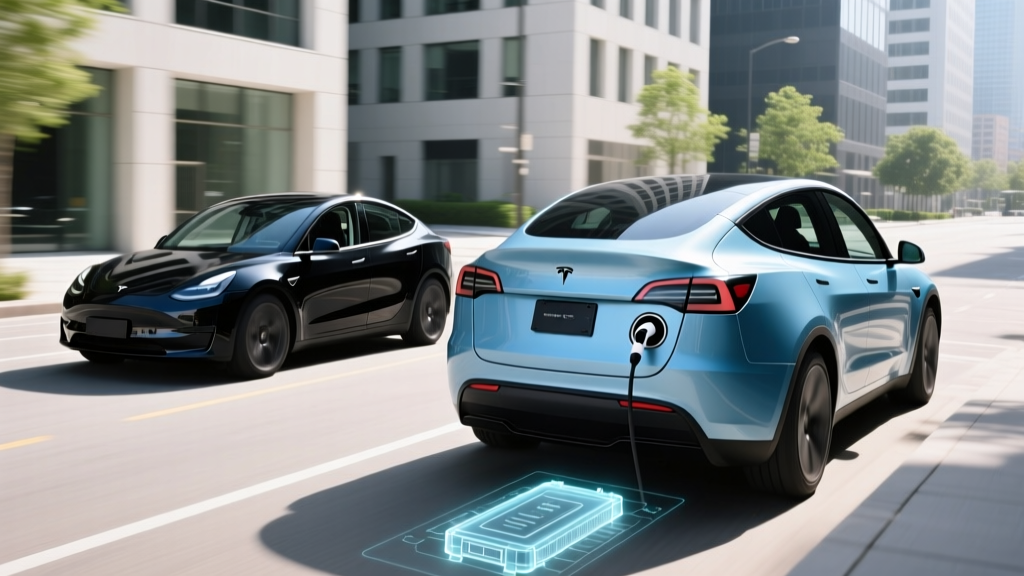
Tesla periodically rolls out 0% APR financing promotions on select configurations of the Model 3 and Model Y, and the 2026 model year is no exception. But a zero-interest loan only saves you money if the underlying vehicle makes financial and practical sense for your driving life. This review breaks down exactly what you're buying when you take Tesla up on a 0% finance offer — EPA range versus real-world expectations, charging speeds that actually matter on road trips, battery chemistry trade-offs, and the federal tax-credit math that can shift the effective price by thousands of dollars.
We focus on the two vehicles most commonly included in Tesla's promotional financing: the 2026 Model 3 (Long Range RWD and Long Range AWD) and the 2026 Model Y (Long Range AWD). Specs, pricing, and credit eligibility are current as of early 2026.
Spec Table: 2026 Model 3 and Model Y at a Glance
| Spec | Model 3 LR RWD | Model 3 LR AWD | Model Y LR AWD |
|---|---|---|---|
| EPA Range | 363 mi | 346 mi | 320 mi |
| Battery (usable) | ~79 kWh (NMC) | ~79 kWh (NMC) | ~78 kWh (NMC) |
| MPGe (combined) | 134 MPGe | 125 MPGe | 117 MPGe |
| Efficiency | 25 kWh/100 mi | 27 kWh/100 mi | 29 kWh/100 mi |
| 0–60 mph | 5.8 s | 4.2 s | 4.8 s |
| Horsepower | 271 hp | 346 hp | 384 hp |
| Drivetrain | RWD (single motor) | AWD (dual motor) | AWD (dual motor) |
| Peak DC Fast Charge | 250 kW | 250 kW | 250 kW |
| 10–80% DC Time | ~28 min | ~28 min | ~27 min |
| Level 2 Home Rate | 11.5 kW (~44 mi/hr) | 11.5 kW (~44 mi/hr) | 11.5 kW (~40 mi/hr) |
| Cargo Volume | 23 cu ft (rear) + 3.1 cu ft frunk | 23 cu ft + 3.1 cu ft | 30 cu ft (rear seats up) + 4.1 cu ft frunk |
| Rear Legroom | 35.2 in | 35.2 in | 40.5 in |
| Battery Warranty | 8 yr / 120,000 mi | 8 yr / 120,000 mi | 8 yr / 120,000 mi |
| Base MSRP | $42,380 | $47,380 | $48,880 |
Sources: fueleconomy.gov, Tesla.com order pages (2026 model year).
Real-World Range: What the EPA Sticker Doesn't Tell You
Model 3 LR RWD: EPA 363 mi — Expect ~300–320 mi on mixed highway driving; ~250–275 mi sustained 80 mph; ~260–290 mi in freezing weather with heat on.
Model 3 LR AWD: EPA 346 mi — Expect ~285–305 mi mixed highway; ~240–265 mi at 80 mph; ~250–275 mi in sub-32°F conditions.
Model Y LR AWD: EPA 320 mi — Expect ~265–285 mi mixed highway; ~230–250 mi at 80 mph; ~230–255 mi in cold weather.
The Model 3 Long Range RWD's 363-mile EPA figure is among the highest of any EV under $50,000. But the EPA combined cycle includes generous city-regen driving that flatters efficiency. On a flat interstate at 70 mph in 70°F weather, expect to use about 27–28 kWh/100 mi in the Model 3 LR RWD, which nets roughly 300 miles from a full pack. Push to 80 mph and aerodynamic drag cuts that to ~250 miles — a critical number if you're planning 300-mile legs between Supercharger stops.
Cold weather compounds the loss. Lithium-ion NMC packs lose roughly 15–25% of range at 20°F, and cabin heating (even with Tesla's efficient heat pump) draws 2–5 kW continuously. Preconditioning the battery while plugged in mitigates this, but unplugged cold-soak starts will hit your range hard. If you live in the upper Midwest or Northeast, budget for a real-world winter range closer to 260 miles in the Model 3 and 235 miles in the Model Y.
Charging Speed: DC Fast and Home Level 2
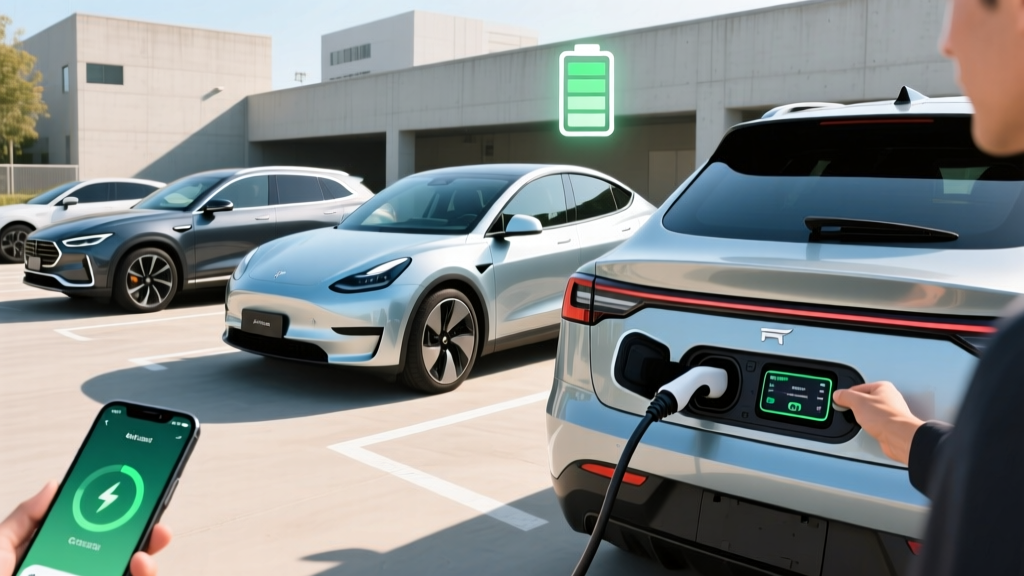
Tesla's 2026 Model 3 and Model Y Long Range variants peak at 250 kW on DC fast chargers via the native NACS connector. That's the same V3 Supercharger architecture Tesla has deployed for years — and it remains one of the most reliable fast-charging networks in the US.
| Charging Level | Power | Model 3 (mi/hr added) | Model Y (mi/hr added) | Notes |
|---|---|---|---|---|
| Level 1 (120V) | ~1.4 kW | ~4–5 mi/hr | ~4 mi/hr | Emergency/trickle only |
| Level 2 (240V, 48A) | 11.5 kW | ~44 mi/hr | ~40 mi/hr | Full charge overnight (~7–8 hrs) |
| DC Fast (peak) | 250 kW | ~1,000 mi/hr (peak) | ~950 mi/hr (peak) | 10–80% in ~27–28 min |
| DC Fast (sustained avg 10–80%) | ~140 kW avg | ~560 mi/hr avg | ~530 mi/hr avg | Charge curve tapers above 60% |
Charging-curve reality: Peak 250 kW is only sustained briefly between roughly 10–25% State of Charge (SoC). The curve tapers to ~150 kW around 40%, ~100 kW around 60%, and drops below 50 kW past 80%. That 10–80% session takes about 27–28 minutes at a V3 Supercharger. If you arrive at a V4 Supercharger (which supports higher sustained rates for newer architectures), the Model 3 and Model Y still cap at 250 kW due to their 400V electrical architecture — they cannot accept 800V-class charge rates.
At home on a Wall Connector (48A / 11.5 kW), both vehicles add roughly 40–44 miles of range per hour of charging. A full 10–100% session takes about 7–8 hours, which easily covers overnight replenishment for any daily commute under 200 miles.
Performance and Drivetrain
The Model 3 LR RWD uses a single rear permanent-magnet motor producing 271 hp and a 5.8-second 0–60 time. It's the most efficient configuration in the lineup and the lightest, which shows in its class-leading MPGe.
Step up to the Model 3 LR AWD and a second induction motor on the front axle brings total output to 346 hp and a 4.2-second 0–60. The dual-motor setup also enables torque-vectoring AWD that improves traction in rain and snow — a meaningful advantage in northern climates.
The Model Y LR AWD produces 384 hp and hits 60 mph in 4.8 seconds despite its ~4,200-lb curb weight and taller crossover profile. The extra mass and frontal area explain its lower efficiency (29 kWh/100 mi vs. the Model 3's 25).
Pricing, 0% Finance Math, and Federal Tax Credit
Tesla's 0% APR promotions typically apply to specific configurations and loan terms (usually 36–60 months). Here's how the math works when you layer in the federal §30D tax credit.
| Cost Factor | Model 3 LR RWD | Model 3 LR AWD | Model Y LR AWD |
|---|---|---|---|
| Base MSRP | $42,380 | $47,380 | $48,880 |
| Typical As-Tested (w/ paint, wheels) | $44,880 | $49,880 | $51,380 |
| Federal §30D Credit (max) | $7,500 | $7,500 | $7,500 |
| Effective Price After Credit | $34,880 | $39,880 | $41,380 |
| 0% APR 60-mo Monthly (pre-credit) | $706/mo | $786/mo | $815/mo |
| 0% APR 60-mo Monthly (credit applied down) | $581/mo | $665/mo | $690/mo |
How the 0% finance deal works in practice: With a 0% APR 60-month loan on the Model 3 LR RWD at $42,380, your monthly payment is $706 with zero interest paid over the life of the loan. For comparison, a typical 6.5% APR loan at the same price and term would cost $828/mo and $7,300 in total interest. The 0% deal saves you roughly $7,300.
If you qualify for the full $7,500 federal credit and apply it as a point-of-sale reduction (available since 2024 under IRS rules), your financed amount drops to $34,880, and your 0% monthly payment falls to $581.
Federal Tax Credit Eligibility Checklist (§30D)
- MSRP cap: Vehicle must be under $55,000 (sedans like Model 3) or $80,000 (SUVs/trucks like Model Y). Both qualify.
- Buyer income cap: AGI must not exceed $150,000 (single), $225,000 (head of household), or $300,000 (joint). Check IRS §30D rules for current-year thresholds.
- Battery sourcing: Critical minerals and battery components must meet phased-in percentage thresholds from US/FTA trade partners. As of 2026, most US-built Teslas with Panasonic cells qualify for the full $7,500, but verify at purchase — rules tighten annually.
- Point-of-sale transfer: You can transfer the credit to the dealer at purchase, reducing the financed amount immediately. The dealer must be IRS-registered.
- VIN verification: Confirm eligibility on fueleconomy.gov before signing.
Tech, Interior, and Driver Assistance
Both vehicles share Tesla's minimalist interior architecture centered on a 15.4-inch touchscreen (Model 3) or 15-inch (Model Y). There are no physical buttons for climate, media, or vehicle settings — everything routes through the display. This is polarizing: some owners adapt quickly, others find it distracting.
Standout tech:
- Over-the-air updates that add features post-purchase
- Sentry Mode (360° parking surveillance with recording)
- Tesla Supercharger network access (20,000+ US stalls, highest reliability of any network)
- Native navigation with real-time Supercharger routing and battery preconditioning
- Ventilated front seats, ambient lighting, and rear-seat touchscreen (2024+ Model 3 refresh carries into 2026)
Driver assistance — SAE Level 2, not self-driving:
Tesla Autopilot (standard) and Full Self-Driving Supervised ($8,000 option or $99/mo subscription) are SAE Level 2 systems. The driver must remain attentive, hands on or near the wheel, and ready to take over at any moment. FSD Supervised handles more scenarios (city streets, stop signs, highway lane changes) but is not autonomous. Only Waymo-style driverless services operate at Level 4. Do not treat any Tesla driver-assist system as self-driving.
The Model 3 (Highland refresh) improved ride quality significantly over pre-2024 models, with retuned suspension, acoustic glass, and ventilated seats. The Model Y is due for a similar "Juniper" refresh that may bring comparable improvements — if you're timing a purchase, check whether the 2026 Model Y has received this update before ordering.
Who Should Buy — and Who Should Look Elsewhere
Pros
- Best-in-class Supercharger network reliability
- 363-mi EPA range (Model 3 LR RWD) among top under $50K
- 0% financing saves $5,000–$8,000 vs market-rate loans
- OTA updates and strong resale value
- Excellent efficiency (25–29 kWh/100 mi)
- NACS native — no adapter needed at Superchargers
Cons
- No physical buttons — touchscreen-only controls
- FSD costs $8,000 extra and remains Level 2
- Model Y rear visibility is limited; no rear wiper (pre-refresh)
- Insurance premiums 20–40% above class average
- 400V architecture caps charging at 250 kW (behind 800V rivals)
- Rear-seat headroom tight in Model 3 for 6'+ passengers
Best for: Daily commuters with home charging access, tech-forward buyers who value OTA updates, and road-trippers who want Supercharger network convenience. The Model 3 LR RWD is the efficiency and value pick; the Model Y LR AWD suits families needing cargo space and rear-seat room.
Consider competitors if: You want physical climate controls (Hyundai Ioniq 6, BMW i4), 800V-class charging (Ioniq 5, Kia EV6), or a more traditional interior layout. The Chevrolet Equus/EUV and Ford Mustang Mach-E also offer strong value with competitive range.
Frequently Asked Questions
What is the real-world range of the Tesla Model 3 and Model Y?
The Model 3 LR RWD delivers about 300–320 miles in mixed real-world driving, dropping to ~250–275 miles at sustained highway speeds or in freezing temperatures. The Model Y LR AWD nets roughly 265–285 miles mixed, and 230–250 miles on the highway. Always plan road-trip charging stops with a 20% buffer below these figures.
How fast does a Tesla charge at home and on the road?
On a 48A Level 2 home charger (11.5 kW), both models add 40–44 miles per hour, fully charging overnight in 7–8 hours. On a 250 kW Supercharger, a 10–80% session takes about 27–28 minutes, though peak speed only sustains briefly before tapering.
How much does a Tesla cost after the federal tax credit?
With the full $7,500 §30D credit applied, the 2026 Model 3 LR RWD effectively starts around $34,880 and the Model Y LR AWD around $41,380. Eligibility depends on your income, the vehicle's MSRP, and battery-sourcing rules — verify on fueleconomy.gov before purchasing.
Does the Tesla Model 3 or Model Y qualify for the $7,500 federal EV tax credit?
Both vehicles have historically qualified for the full credit, but eligibility depends on current-year battery sourcing thresholds and your adjusted gross income. The MSRP caps ($55K for sedans, $80K for SUVs) are comfortably met. Check the latest IRS guidance and confirm your specific VIN on fueleconomy.gov at time of purchase.
Is Tesla's 0% financing worth it versus a competitor with a cash rebate?
If you qualify, 0% APR on a $42,000–$49,000 vehicle saves $5,000–$8,000 in interest over a 60-month term compared to prevailing 6–7% rates. That saving often exceeds competitor cash-back offers. However, compare the total out-the-door price: some rivals (Hyundai Ioniq 5, Ford Mach-E) may offer larger dealer discounts that offset Tesla's financing advantage.
What's the battery warranty on the 2026 Model 3 and Model Y?
Tesla covers the battery and drive unit for 8 years or 120,000 miles (whichever comes first) with a minimum 70% capacity retention threshold. Tesla's NMC packs historically degrade 8–12% over the first 100,000 miles based on fleet data, well within the warranty floor.